



 Chow Yeik Loen


 Indonesia
-
Nº146
 Date: 2015-01-18 - 10:26
-
 Max Depth: 30.7m Duration: 58mins
Pictures

No pictures for this dive
- Temp: Surf 28°C Bottom 28°C
- Dive type : Recreational, Reef
- Visibility: Average Water: Salt
Specific gear used
- BCD: Cressi Sub - Aquapro
- Camera: Gopro - Hero 3+
- Computer: Suunto - D4i Novo
- Dive skin: O'Neill - 3MM Farmer John
- Fins: Cressi Sub - Frog
- Mask: Mares - I3
- Other: Suunto - Wireless Transmitter
- Regulator: Scubapro - MK10
- Weights: 2 kg
Dive reviews
| Overall review | ||
| Dive difficulty | ||
| Marine life quality |
Recent Divers in Pulau Weh

Recent Pictures in Pulau Weh
Dive Shop & Buddies
 Dive with Ely from Lumba Lumba Diving Centre
 Dive buddies:
Randy Chin
Dive buddies:
Randy Chin

Link to this spot:
- Spot:
- Country:
- Area:
- Body of water:
Dive Profile
- 1. Air
- 0L Steel 200 → 50 bar
- Average depth: 11.8m
Data provided by EOL.org

Species Identified
Gymnothorax javanicus (Bleeker, 1859) (Giant moray)
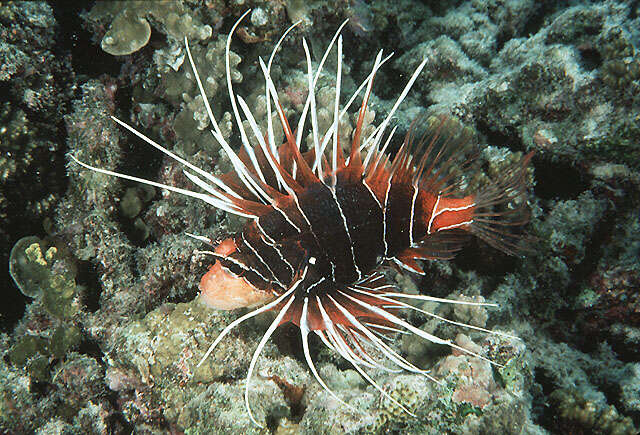
Pterois radiata Cuvier, 1829 (Radial firefish)
A generally uncommon species that inhabits lagoon and seaward reefs . Prefers rocky reefs and seems to avoid stony corals. Coastal, sometimes in surge zones where in narrow crevices, or along rock-walls in small caves . ...
Read More
Read More
Pterois antennata (Bloch, 1787) (Broadbarred firefish)
Occurs in lagoon and seaward reefs. Hides in crevices under rocks and coral formations during the day and hunts at night. Typically with head towards the safety of their hide-out or narrow passage . Feeds on shrimps and...
Read More
Read More
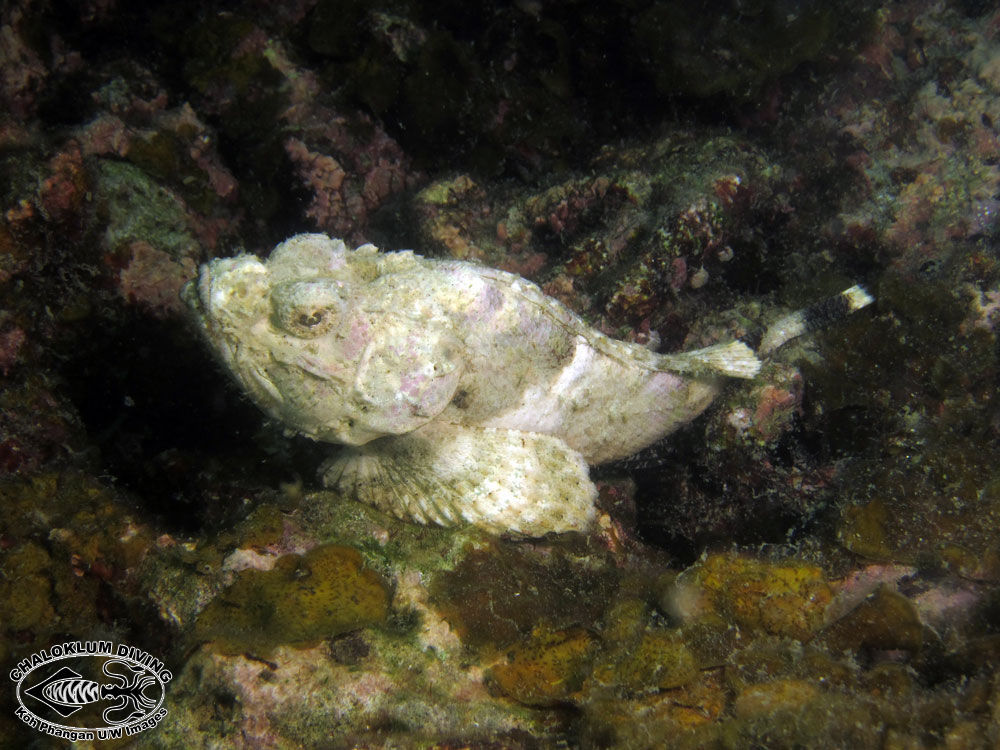
Scorpaenopsis diabolus (Cuvier, 1829) (False stonefish)
Relatively an uncommon inhabitant of rubble or weedy coralline-rock bottoms of reef flats and lagoon and seaward reefs . Benthic . Flashes its inner pectoral fins when disturbed . Can inflict a painful injury with its venomous dorsal sting. Often partly buried .
Pterois volitans (Linnaeus, 1758) (Red lionfish)
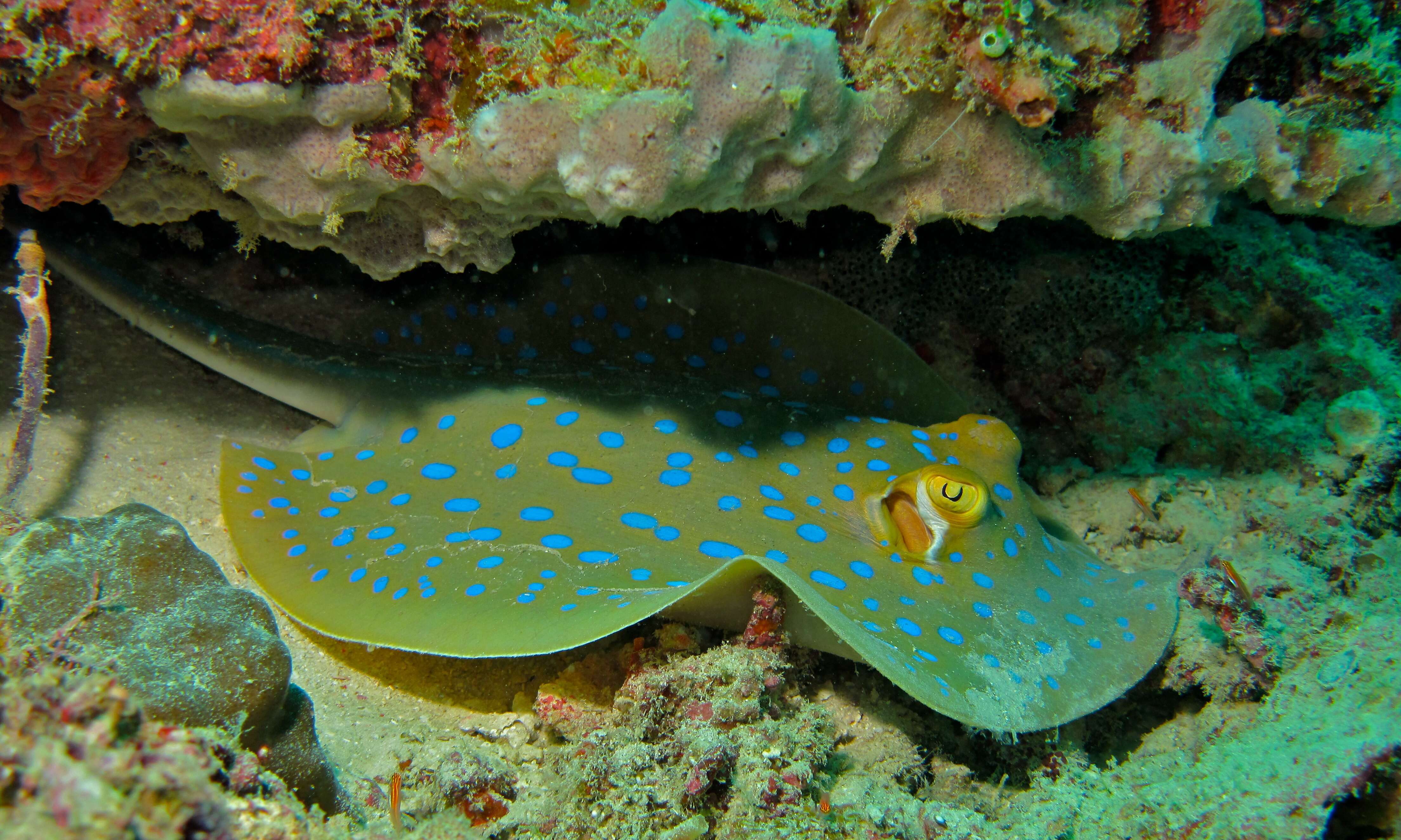
Taeniura lymma (Forsskål, 1775) (Bluespotted ribbontail ray)
Blue-spotted stingrays live alone or in small groups , migrating in large schools into shallow sandy areas on the rising tide in order to feed, and dispersing back into the ocean as the tide falls to shelter in the coral c...
Read More
Read More
Share on Social Networks
- Facebook:

personalize your shared text as well as its destination (wall, page...) or send as a private message to a friend
- Twitter: Tweet personalize your tweet
- Google Plus:
Direct link to this dive
- Long link:
- Short link:


 We are participating today in the startup contest Techcrunch Disrupt. Support Diveboard by voting for us!
























































































