


 Thailand

-
Nº41
 Date: 2016-04-24 - 15:05
-
 Max Depth: 22.4m Duration: 46mins
Pictures

No pictures for this dive
- Temp: Bottom 29°C
- Visibility: Good Water: Salt
Specific gear used
- Weights: 2.4 kg
Recent Divers in


Recent Pictures in



Dive Shop & Buddies
 Dive with James from Sea Dragon Dive Center
 Dive buddies:
Emmece

Link to this spot:
- Spot:
- Country:
- Area:
- Body of water:
Dive Profile
Data provided by EOL.org



Species Identified
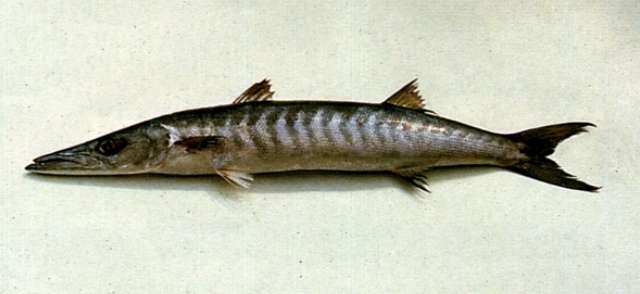
Sphyraena putnamae Jordan & Seale, 1905 (Barracuda)
Found near prominent current-swept lagoons or seaward reefs . Also in bays and inner turbid lagoons . Nocturnally active, but occurring in relatively large schools during the day . Sold fresh or processed into fish cakes .
Caranx melampygus Cuvier, 1833 (Bayad)
Dermatolepis inermis (Valenciennes, 1833) (Donkey fish)
Usually on deep ledges, at depths to 210 m and on reefs, usually in caves or deep crevices . Solitary and secretive, darts away when approached or frightened . Rarely seen in markets.
Pterocaesio chrysozona (Cuvier, 1830) (blacktipped fusilier)
Ranges widely around coral reefs. Found in schools. Feeds on zooplankton in large midwater aggregations. Oviparous, with numerous, small pelagic eggs . Also caught by drive-in nets. Valuable tuna baitfish.
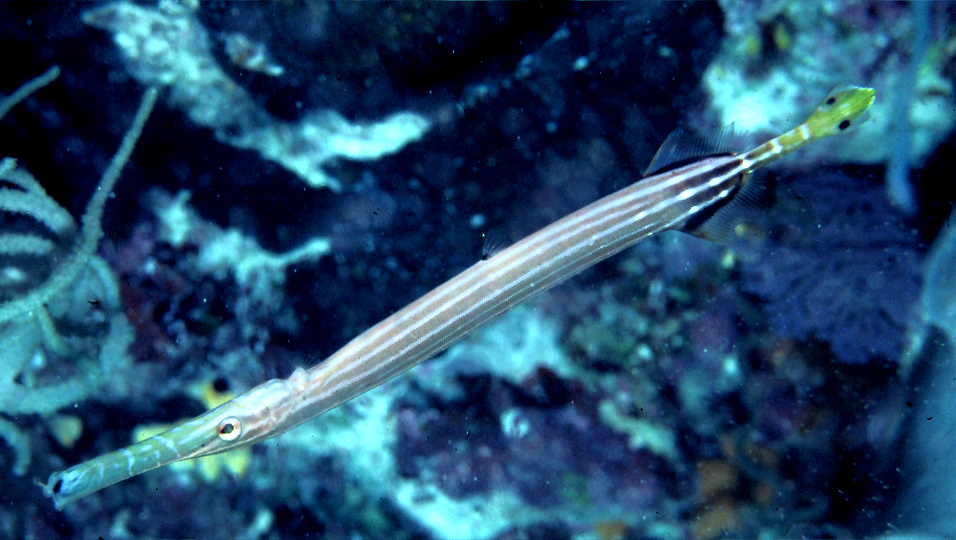
Aulostomus chinensis (Linnaeus, 1766) (Chinese trumpetfish)
Found in clear, shallow water , in rocky and coral areas of protected and seaward reefs . Benthopelagic . Feeds on small fishes and shrimps . A slow-moving fish relying partly on stealth and camouflage to sneak up on unsuspecting prey. Often darts down vertically on its prey. Usually solitary .
Labroides dimidiatus (Valenciennes, 1839) (Bluestreak cleaner wrasse)
Inhabits coral rich areas of inner lagoons and subtidal reef flats to seaward reefs . Feeds on crustacean ectoparasites and mucus of other fishes . Monogamous . A protogynous hermaphrodite . Stays in stations where oth...
Read More
Read More
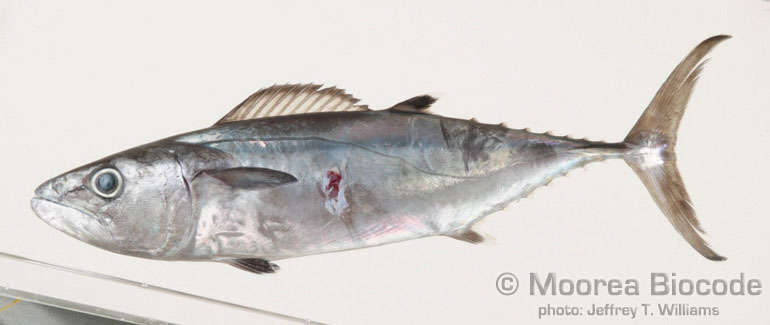
Gymnosarda unicolor (Rüppell, 1836) (Bonito)
An offshore species found mainly around coral reefs. Generally solitary or occur in small schools of six or less. Preys on small schooling fishes such as Decapterus, Caesio, Nasio, Cirrhilabrus, Pterocaesio and squids. Marketed canned and frozen . Adults may be ciguatoxic .
Share on Social Networks
- Facebook:

personalize your shared text as well as its destination (wall, page...) or send as a private message to a friend
- Twitter: Tweet personalize your tweet
- Google Plus:
Direct link to this dive
- Long link:
- Short link:


 We are participating today in the startup contest Techcrunch Disrupt. Support Diveboard by voting for us!
























































































