


 South Africa

-
Nº12
 Date: 2019-11-23 - 08:00
-
 Max Depth: 12m Duration: 30mins
Pictures

No pictures for this dive
- Temp: Surf 27°C Bottom 22°C
- Dive type : Recreational, Reef
- Visibility: Good Water: Salt
Specific gear used
- Weights: 6 kg
Dive reviews
| Overall review | ||
| Dive difficulty | ||
| Marine life quality |
Recent Divers in Aliwal Shoal - umkomaas
Recent Pictures in Aliwal Shoal - umkomaas
Dive Shop & Buddies
 Dive with Steven

Link to this spot:
- Spot:
- Country:
- Area:
- Body of water:
Dive Profile
Data provided by EOL.org


Species Identified
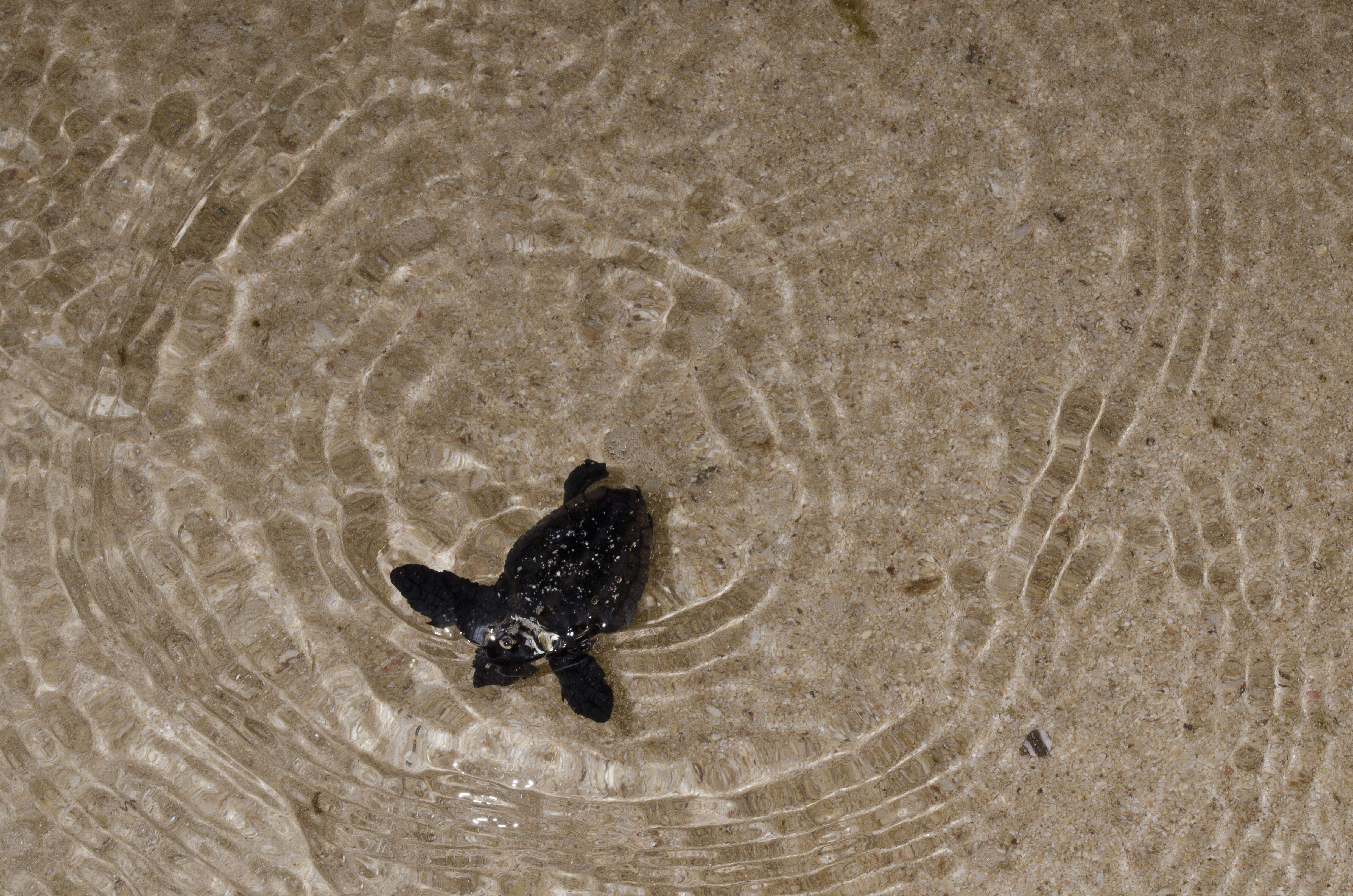
Caretta caretta Linnaeus 1758 (Loggerhead Turtle)
Adults are primarily carnivorous, using their powerful jaws to crack open crustaceans such as crabs and even seemingly impenetrable molluscs such as the queen conch (Strombus gigas) and giant clam (Tridacna s...
Read More
Read More
Dasyatis pastinaca (Linnaeus, 1758) (Sting ray)
Found over sandy and muddy bottoms, sometimes in estuaries and near rocky reefs . Feed on bottom fishes, crustaceans and mollusks. Ovoviviparous, gestation period about 4 months and 4-7 young are produced. Wings markete...
Read More
Read More
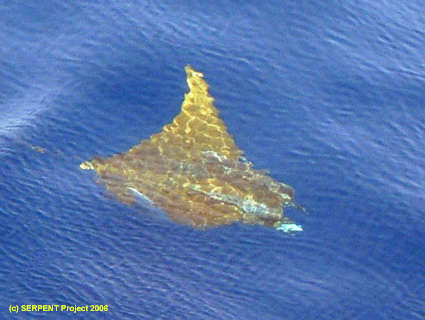
Manta birostris (Walbaum, 1792) (Giant manta)
Manta rays are generally solitary, although loose aggregations of individuals may occur where there are abundant food sources or during the breeding season. When ready to mate, a male will bite his mate's pectoral fin to p...
Read More
Read More
Epinephelus tukula Morgans, 1959 (potato cod)
Mainly found in deep reef channels and seamounts, in current prone areas . Juveniles may be found in tide pools . Feeds on reef fishes, skates, crabs, and spiny lobsters . Considered to be exceedingly territorial and ve...
Read More
Read More
Taeniura meyeni Müller and Henle, 1841 (Blotched fantail ray)
The round ribbontail ray feeds on bottom-dwelling fish, crabs and shrimp ; the positioning of the mouth on the underside of the body is perfect for scooping up animals hiding in the sand. These rays can be found singl...
Read More
Read More
Share on Social Networks
- Facebook:

personalize your shared text as well as its destination (wall, page...) or send as a private message to a friend
- Twitter: Tweet personalize your tweet
- Google Plus:
Direct link to this dive
- Long link:
- Short link:


 We are participating today in the startup contest Techcrunch Disrupt. Support Diveboard by voting for us!
























































































By far one of the best dives in my life! (Top 5)
The reason being because of how colourful and how many different types of of marine life I have witnessed. I saw many multi-colour fish,3 ribbon-tail rays, 3 raggies and 1 loggerhead turtle. The 2 most incredible moments in the dive were the best I saved to mention last, whilst my brother and the dive master, Steven, were swimming on the sand bed and swam over the a rock wall we saw 2 distinct silhouettes and immediately identified them as a potato bass accompanying...wait for it...a manta ray! The ray had a fish on top of it`s head and it was about 2,5m from the other divers while I risked it and managed to be at 1,5m.
The dive master told us to regroup to end the dive, so while my brother and i were watching him reel in the buoy line we saw that his has got darker and assumed it was the clouds blocking the sun but then Steven indicated us to look behind us. There was a school of yellow tip king fish ( excuse for incorrect specie) joining another small school of what seemed to be barracudas (yellow tip barracudas I assume) and i was the closest diver to swim in the schools to have the fish shade me from the sun like a shiny curtain.