



 Dkr82
Dkr82


 Australia
-
Nº31
 Date: 2013-12-30 - 11:20
-
 Max Depth: 21.4m Duration: 39mins
Pictures

No pictures for this dive
- Temp: Surf 32°C Bottom 28°C
- Dive type : Recreational, Reef
- Visibility: Excellent Water: Salt
Specific gear used
- Fins: Mares - X-Stream
- Other: Mares - Ergo Splash Snorkel
- Computer: Oceanic - OCi
- Wet suit: Mares - Flexa 3mm
- Weights: 7.5 kg
Recent Divers in Milln Reef, Cairns
Recent Pictures in Milln Reef, Cairns
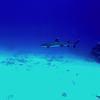
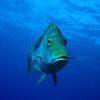
Dive Shop & Buddies
 Dive with Simon Uren from Pro Dive Cairns

Link to this spot:
- Spot:
- Country:
- Area:
- Body of water:
Dive Profile
- 1. Nitrox 32
- 12L Steel 206 → 64 bar
- Average depth: 14.9m
Data provided by EOL.org




Species Identified
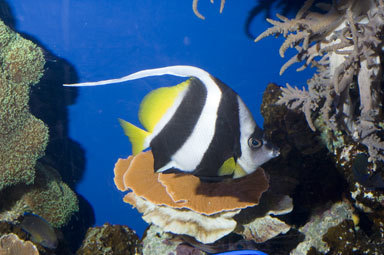
Heniochus acuminatus (Linnaeus, 1758) (Pennant coralfish)
Inhabit deep, protected lagoons and channels, and the deeper parts of outer reef slopes. Juveniles are often solitary while adults occur in pairs . A planktivorous species that generally remains within a few meters of th...
Read More
Read More
Labroides dimidiatus (Valenciennes, 1839) (Bluestreak cleaner wrasse)
Inhabits coral rich areas of inner lagoons and subtidal reef flats to seaward reefs . Feeds on crustacean ectoparasites and mucus of other fishes . Monogamous . A protogynous hermaphrodite . Stays in stations where oth...
Read More
Read More
Centropyge flavissima (Cuvier, 1831) (Lemonpeel angelfish)
Occur in coral rich areas of shallow lagoon and exposed seaward reefs from the lower surge zone to 50 m . Benthopelagic . Juveniles secretive . Feed mainly on algae. Live as long as 11 years in captivity . Frequently exported through the aquarium trade .
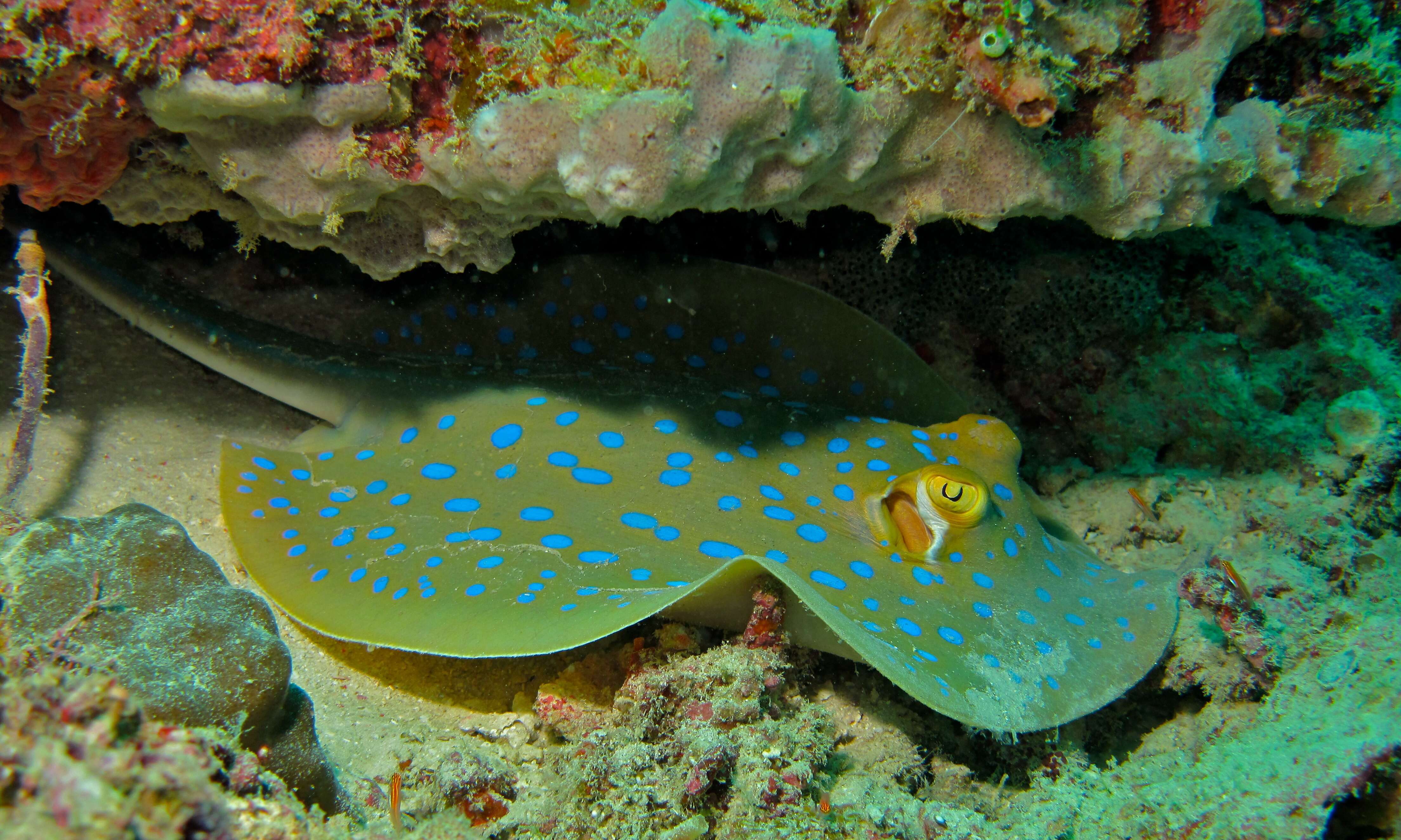
Taeniura lymma (Forsskål, 1775) (Bluespotted ribbontail ray)
Blue-spotted stingrays live alone or in small groups , migrating in large schools into shallow sandy areas on the rising tide in order to feed, and dispersing back into the ocean as the tide falls to shelter in the coral c...
Read More
Read More
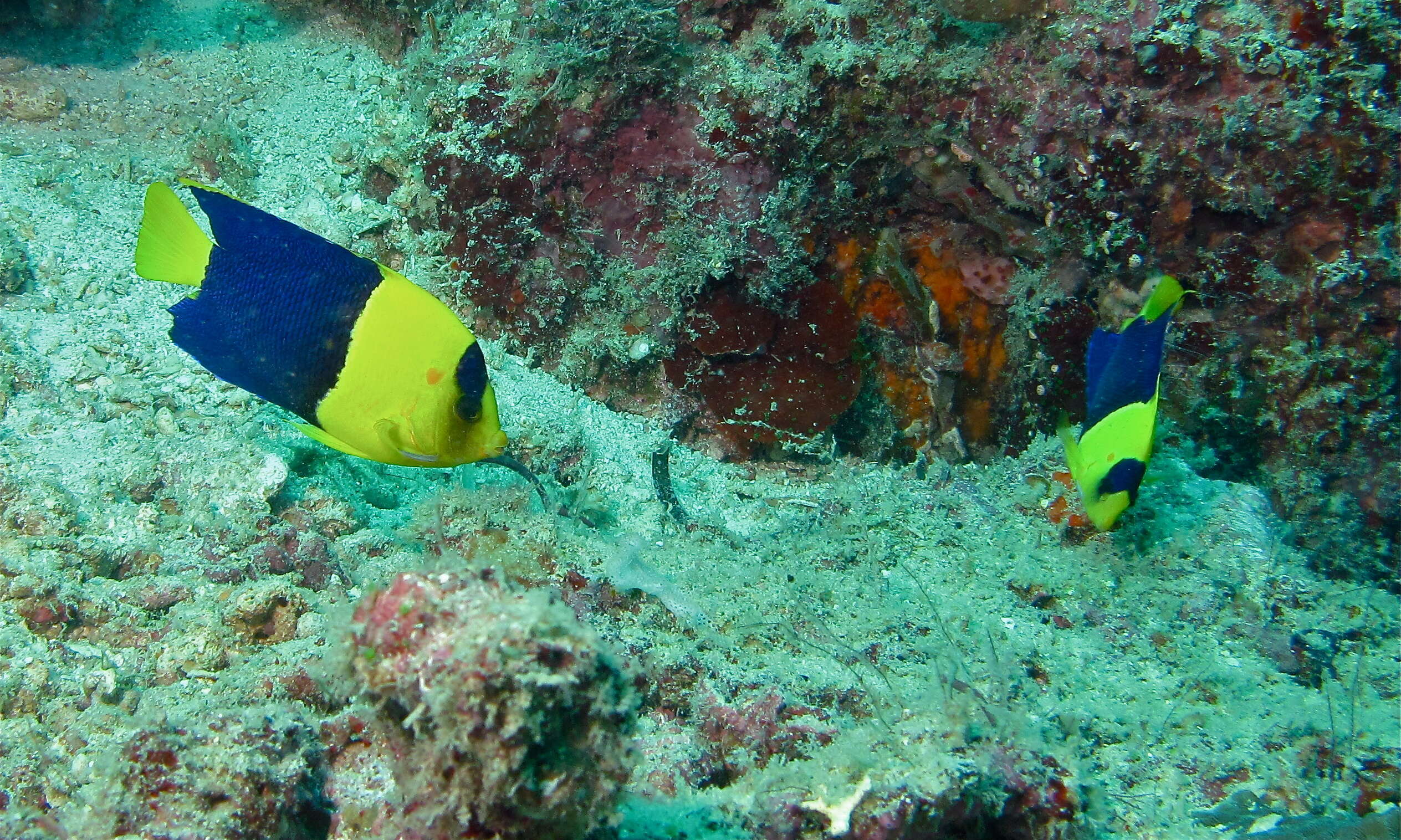
Centropyge bicolor (Bloch, 1787) (Bicolor angelfish)
Inhabits lagoon, channel, or protected seaward reef slopes, drop offs, coral and rubble areas . Usually in pairs or in small groups. Feeds on algae, small crustaceans and worms. Darts from one hiding place to the next. Commonly exported through the aquarium trade .
Dascyllus aruanus (Linnaeus, 1758) (black-and-white damselfish)
Territorial, inhabit shallow lagoon and subtidal reef flats. Form large aggregations above staghorn Acropora thickets or in smaller groups above isolated coral heads. Feed on zooplankton, benthic invertebrates, and algae...
Read More
Read More
Redigobius bikolanus (Herre, 1927) (Speckled goby)
Adults inhabit creeks, rivers and brackish estuaries . Found in tidal streams . Sometimes seen upstream a short distance from the tidal zone. Feed on small fishes and invertebrates. Not seen in markets .
Triaenodon obesus (Rüppell, 1837) (Whitetip reef shark)
Despite its docile nature during the day this nocturnal shark can become aggressive when hunting at night, thrashing through coral reefs looking for potential prey. The whitetip reef shark usually hunts alone, but is non-t...
Read More
Read More
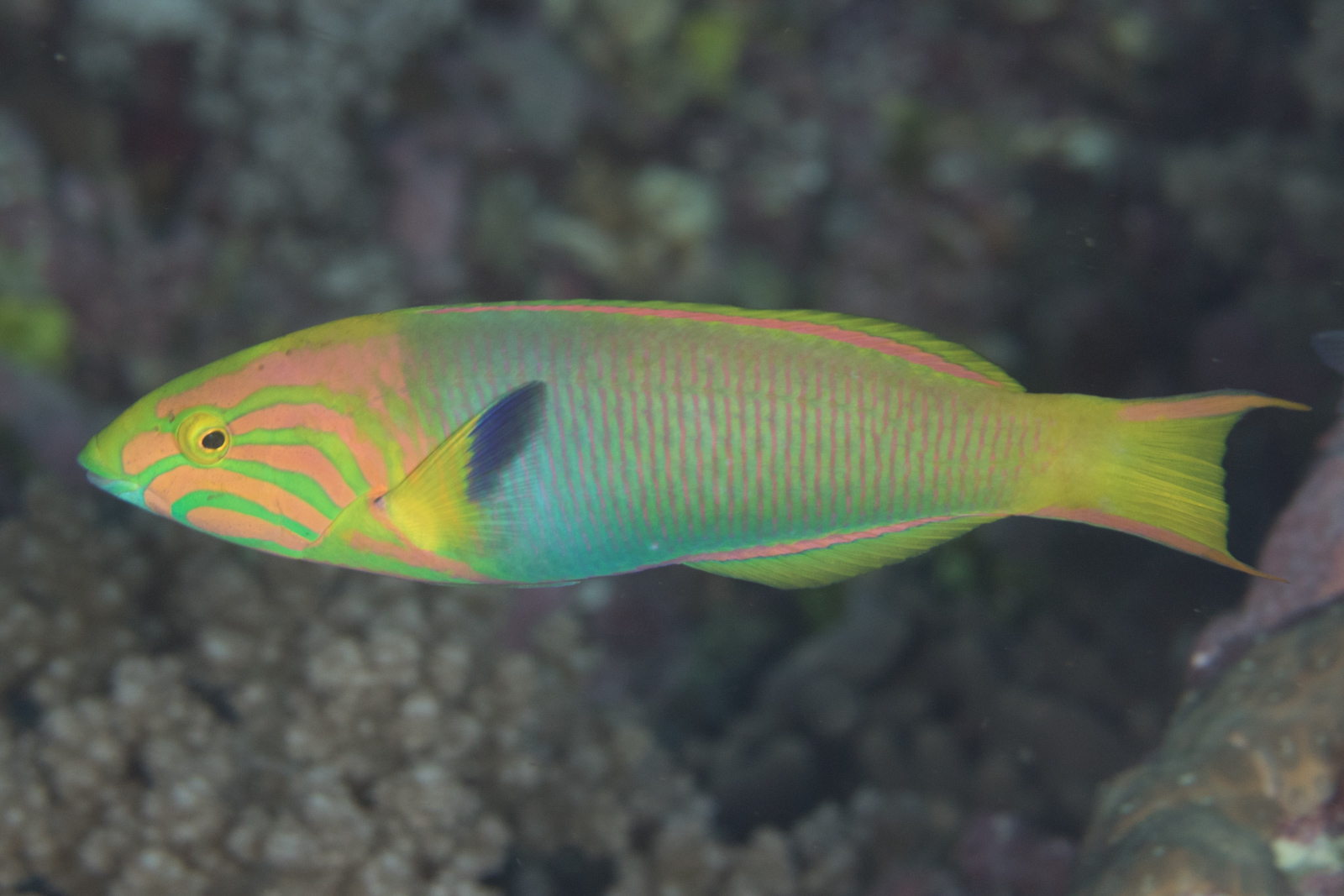
Thalassoma lutescens (Lay and Bennett, 1839) (parrotfish)
Occurs in clear outer lagoon and seaward reefs, over open sand and rubble as well as dense coral growth. Common is shallow exposed areas . Benthopelagic . Feeds mainly on shelled benthic invertebrates , also on polychaete worms and fish eggs.
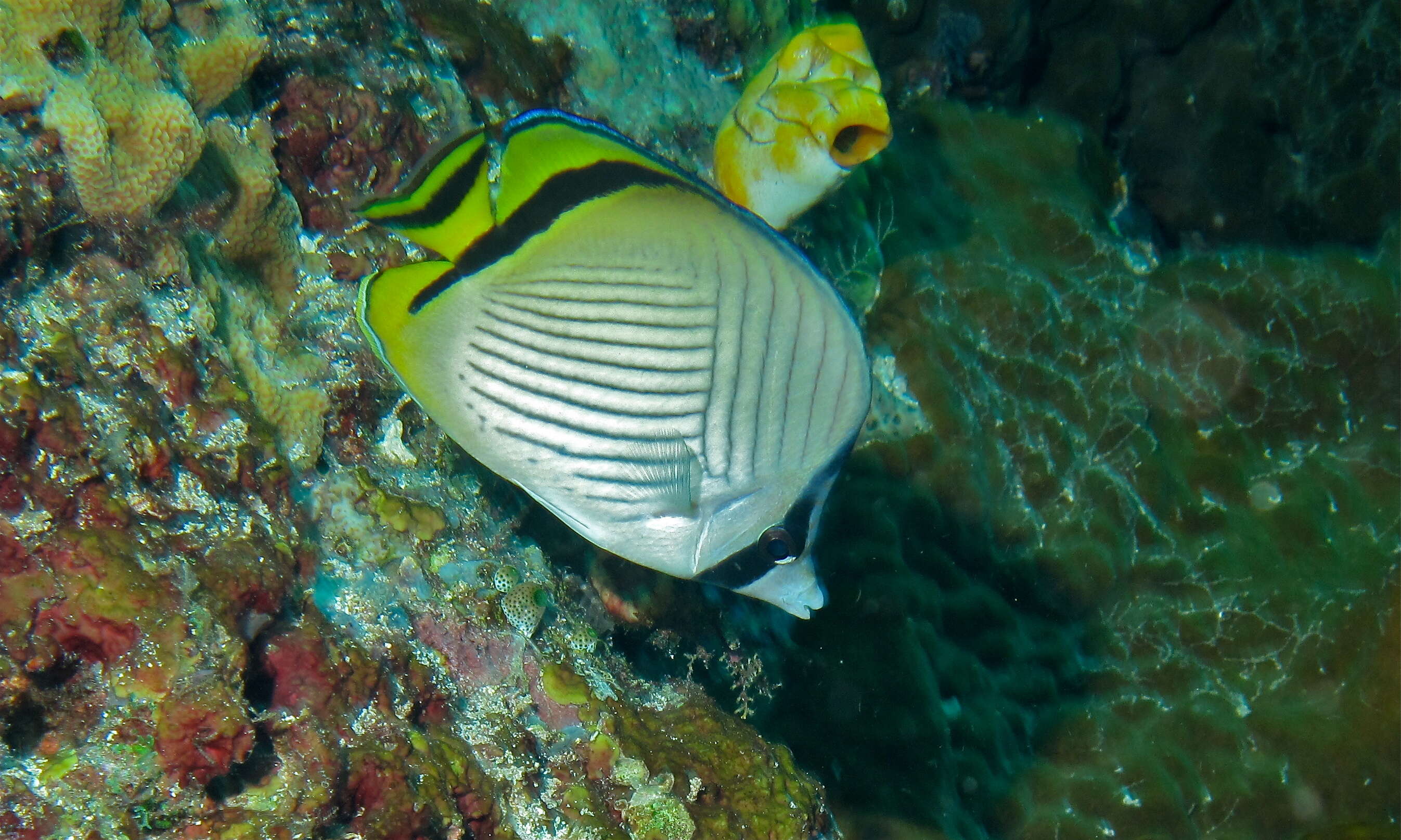
Chaetodon vagabundus Linnaeus, 1758 (Vagabond butterflyfish)
Found in reef flats, lagoon and seaward reefs and sometimes in turbid waters subject to freshwater runoff. Swim in pairs. Omnivorous, feed on algae, coral polyps, crustaceans and worms . Oviparous , monogamous . Stab...
Read More
Read More
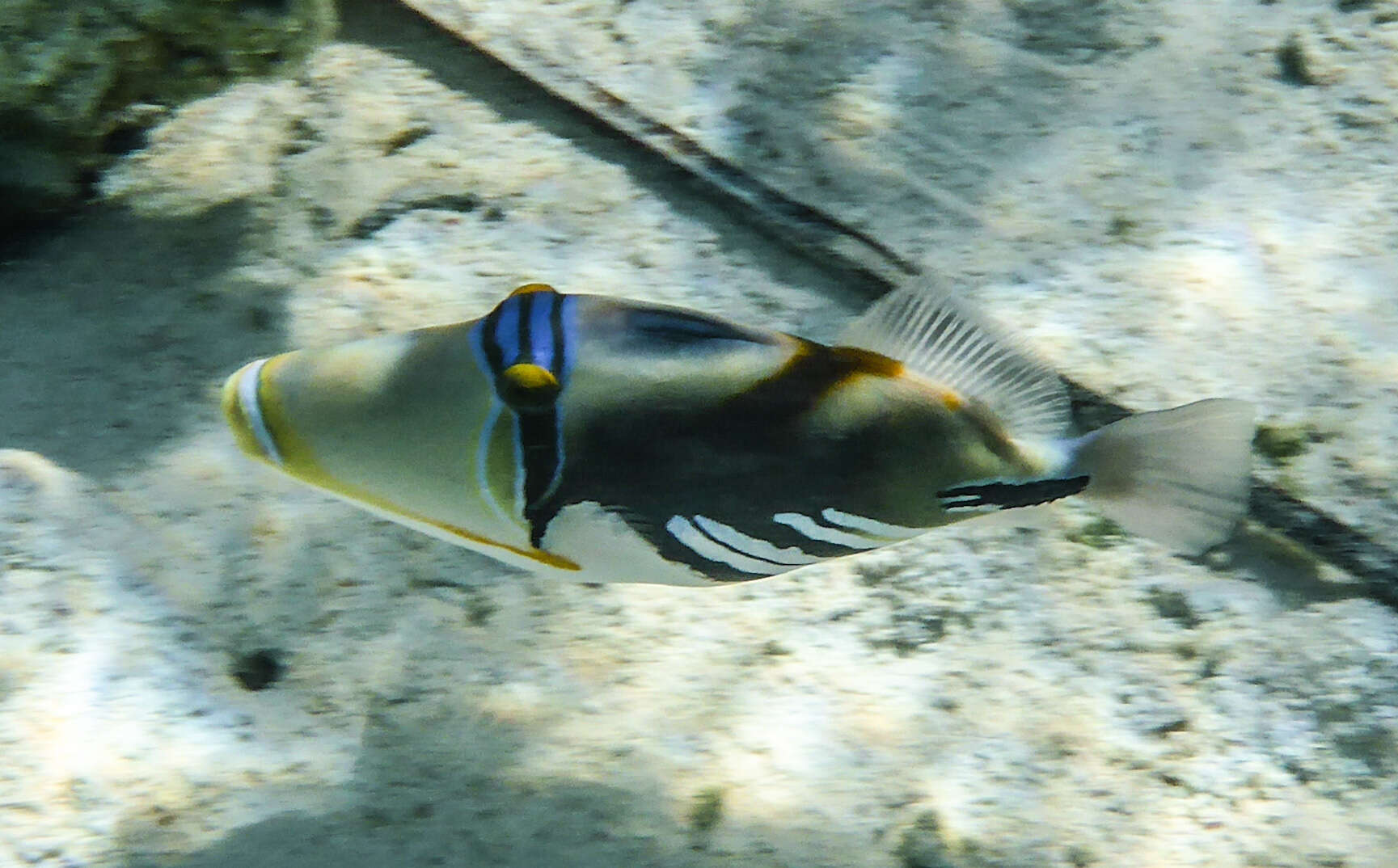
Rhinecanthus aculeatus (Linnaeus, 1758) (Blackbar triggerfish)
Commonly found in subtidal reef flats and shallow protected lagoons, Ref. 48637. Benthopelagic . Juveniles secretive with rubble patches, adults swim about openly but are usually shy . Territorial. Feed on algae, detri...
Read More
Read More
Share on Social Networks
- Facebook:

personalize your shared text as well as its destination (wall, page...) or send as a private message to a friend
- Twitter: Tweet personalize your tweet
- Google Plus:
Direct link to this dive
- Long link:
- Short link:


 We are participating today in the startup contest Techcrunch Disrupt. Support Diveboard by voting for us!
























































































