


 Ramon
Ramon

 Indonesia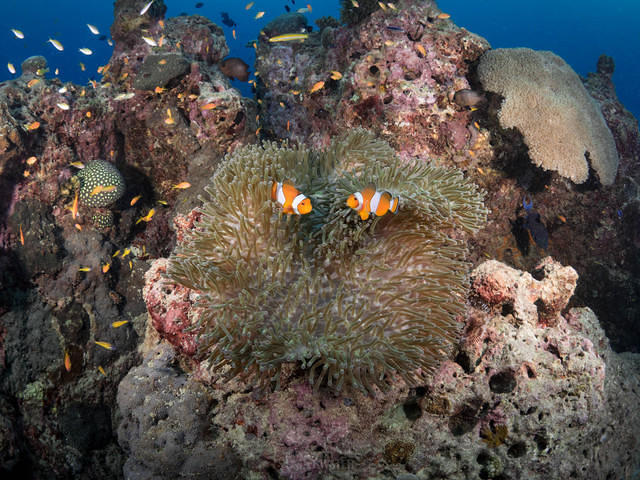
-
Nº117
 Date: 2017-12-24 - 15:50
-
 Max Depth: 14m Duration: 64mins
Dive Location

Specific gear used
- BCD: Tusa - X-Pert BCJ-6900
- Boots: Tusa - DB4000
- Camera: Olympus - OM-D E-M1
- Compass: Suunto - SK-7
- Computer: Suunto - D4i
- Computer: Suunto - Wireless Transmitter
- Fins: XS Scuba - Power Fins
- Mask: Apollo - SV-2 Pro
- Regulator: Apeks - XTX200
- Wet suit: O'Neill - Psycho II Zenzip
Recent Divers in Sabang


Recent Pictures in Sabang
Dive Shop & Buddies
 Dive with Isfan & Amir from Rubiah Tirta Divers
 Dive buddies:
Pheeohnah
Dive buddies:
Pheeohnah

Link to this spot:
- Spot:
- Country:
- Area:
- Body of water:
Dive Profile
Data provided by EOL.org


Species Identified
Pterois volitans (Linnaeus, 1758) (Red lionfish)
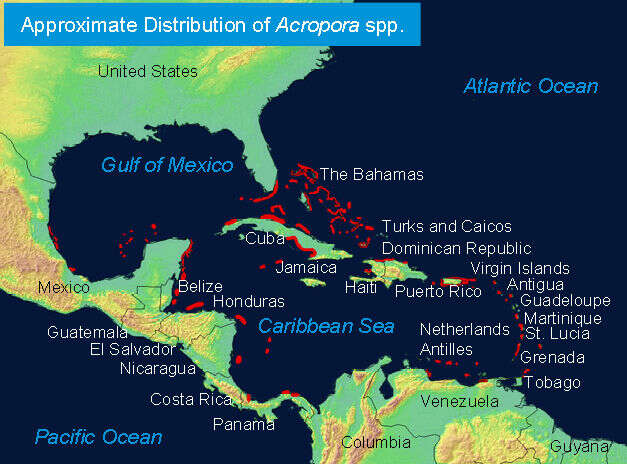
Acropora cervicornis (Lamarck, 1816) (staghorn coral)
zooxanthellate
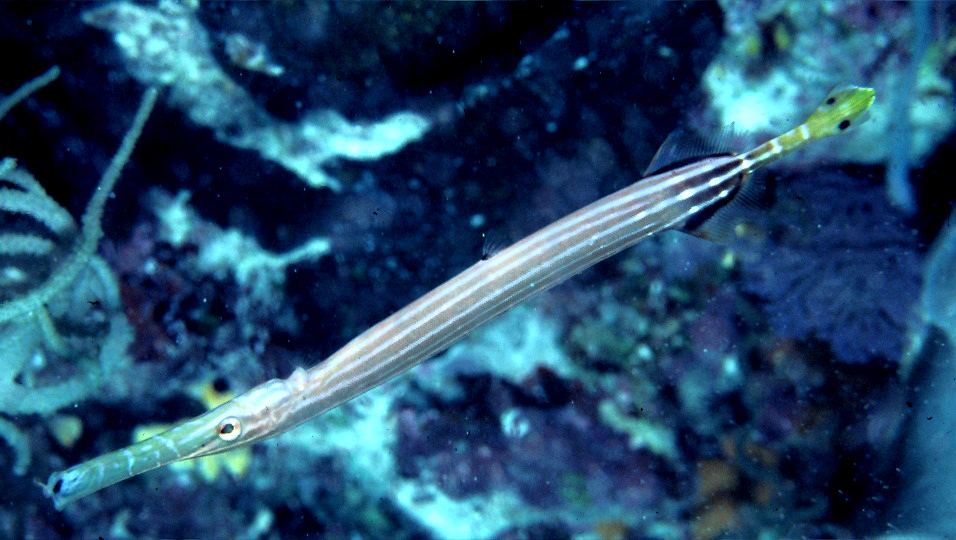
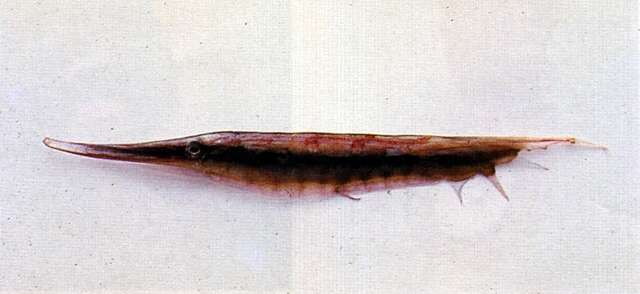
Aulostomus chinensis (Linnaeus, 1766) (Chinese trumpetfish)
Found in clear, shallow water , in rocky and coral areas of protected and seaward reefs . Benthopelagic . Feeds on small fishes and shrimps . A slow-moving fish relying partly on stealth and camouflage to sneak up on unsuspecting prey. Often darts down vertically on its prey. Usually solitary .
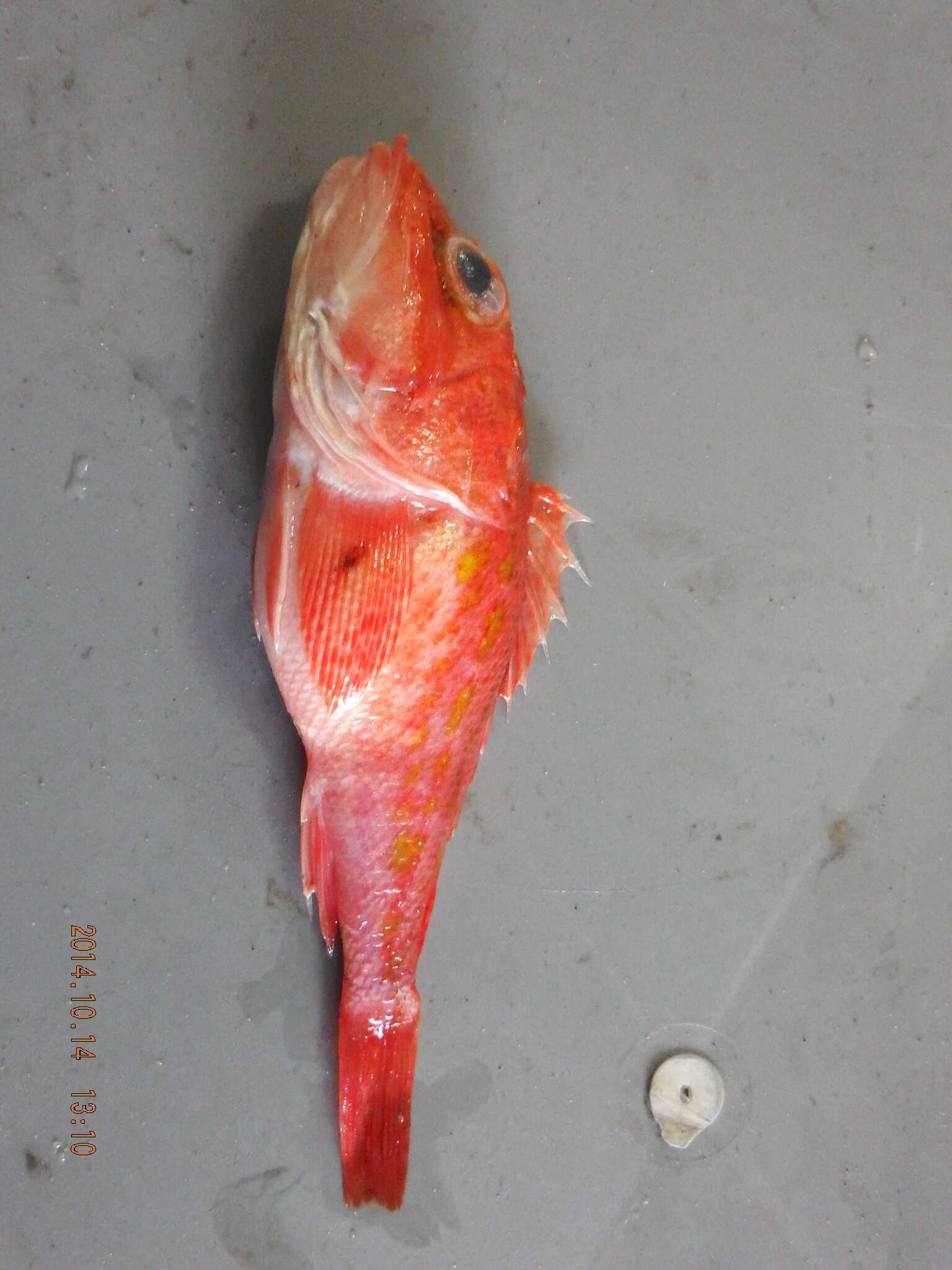
Pontinus sierra (Gilbert, 1890) (scorpionfish)
Aeoliscus strigatus (Günther, 1861) (Razorfish)
Form schools among the spines of Diadema or staghorn corals, and feed on minute crustaceans in the zooplankton. Remarkable for their strange body shape and swimming habit: the body is encased in an armor of thin, transpa...
Read More
Read More
Platax teira (Forsskål, 1775) (Tiera batfish)
Large adults live in sheltered bays as well as deep offshore. Commonly found around shipwrecks in small groups and occasionally forms large schools. Small juveniles with floating debris and form aggregations as they find ...
Read More
Read More
Gymnothorax favagineus Bloch & Schneider, 1801 (Laced moray)
Inhabits reef flats and outer reef slopes of continental reefs . One of the two largest of Indo-Pacific morays. Often in holes with cleaner wrasses or shrimps . Feeds on cephalopods and small fishes . Large adults may be aggressive . Minimum depth reported taken from Ref. 30573.
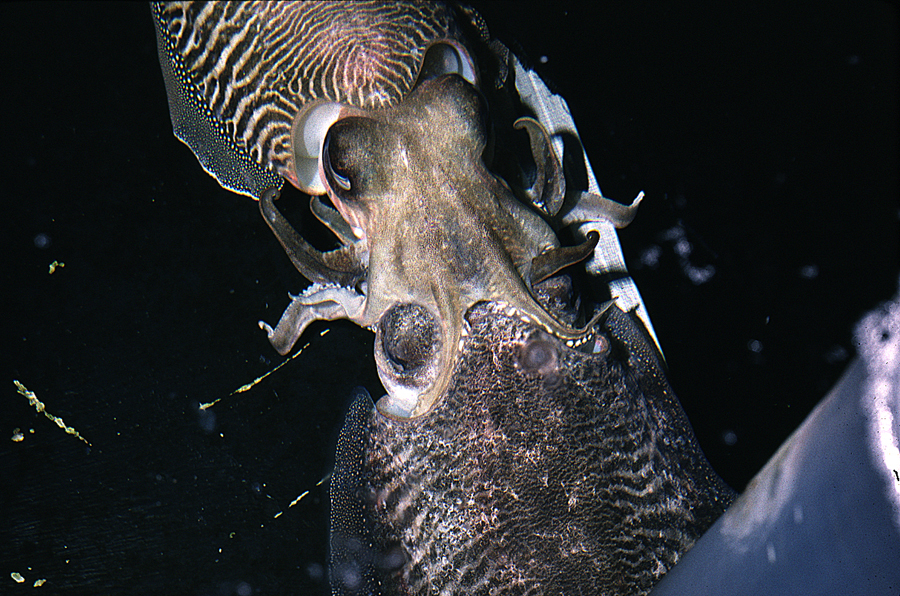
Sepia officinalis Linnaeus, 1758 (Common cuttlefish)
Cuttlefish swim using the fin that passes around the body. They can also rapidly expel water and move quickly by 'jet-propulsion' . Like all cephalopods, the common cuttlefish is an active predator, feeding on molluscs, yo...
Read More
Read More
Share on Social Networks
- Facebook:

personalize your shared text as well as its destination (wall, page...) or send as a private message to a friend
- Twitter: Tweet personalize your tweet
- Google Plus:
Direct link to this dive
- Long link:
- Short link:


 We are participating today in the startup contest Techcrunch Disrupt. Support Diveboard by voting for us!
























































































