


 Ramon
Ramon

 Indonesia
-
Nº126
 Date: 2017-12-28 - 12:32
-
 Max Depth: 27.2m Duration: 49mins
Dive Location

Specific gear used
- BCD: Tusa - X-Pert BCJ-6900
- Boots: Tusa - DB4000
- Camera: Olympus - OM-D E-M1
- Compass: Suunto - SK-7
- Computer: Suunto - D4i
- Computer: Suunto - Wireless Transmitter
- Fins: XS Scuba - Power Fins
- Mask: Apollo - SV-2 Pro
- Regulator: Apeks - XTX200
- Wet suit: O'Neill - Psycho II Zenzip
Recent Divers in Pulau Weh

Recent Pictures in Pulau Weh
Dive Shop & Buddies
 Dive with Amir (Id) from Rubiah Tirta Divers
 Dive buddies:
Pheeohnah
Dive buddies:
Pheeohnah

Link to this spot:
- Spot:
- Country:
- Area:
- Body of water:
Dive Profile
Data provided by EOL.org



Species Identified
Naso vlamingii (Valenciennes, 1835) (Bignose unicornfish)
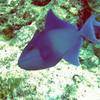
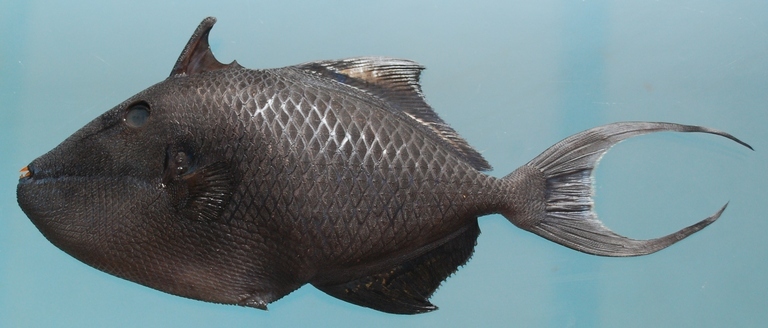
Odonus niger (Rüppell, 1836) (Redtoothed triggerfish)
Inhabits reef channels or along slopes that are subject to strong currents . Occur in current-swept seaward coral reefs. Usually form aggregations and feed on zooplankton as well as sponges . Juveniles associated with i...
Read More
Read More
Pseudanthias squamipinnis (Peters, 1855) (Sea goldie)
Found above coral outcrops or patch reefs of clear lagoons, channels, or outer reef slopes. Form large aggregations. Feed on zooplankton . A protogynous hermaphrodite . Males are territorial and haremic . Color patter...
Read More
Read More
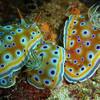
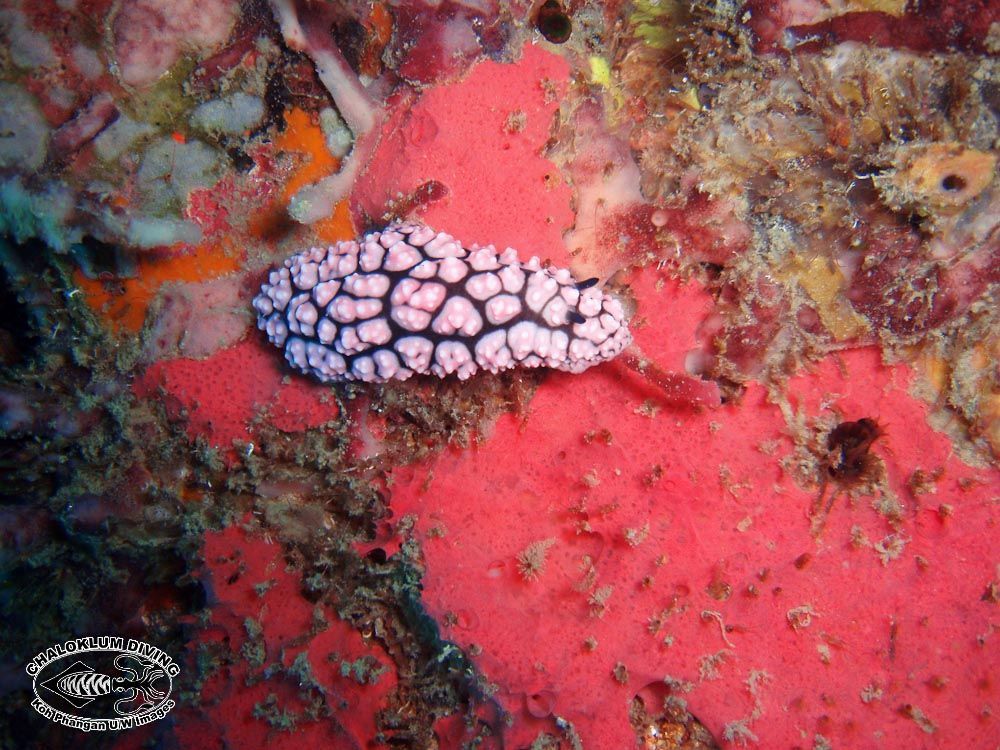
Phyllidiella pustulosa (Cuvier, 1804) (Pustulose wart slug)
Hypselodoris maculosa (Pease 1871) (spotted hypselodoris)
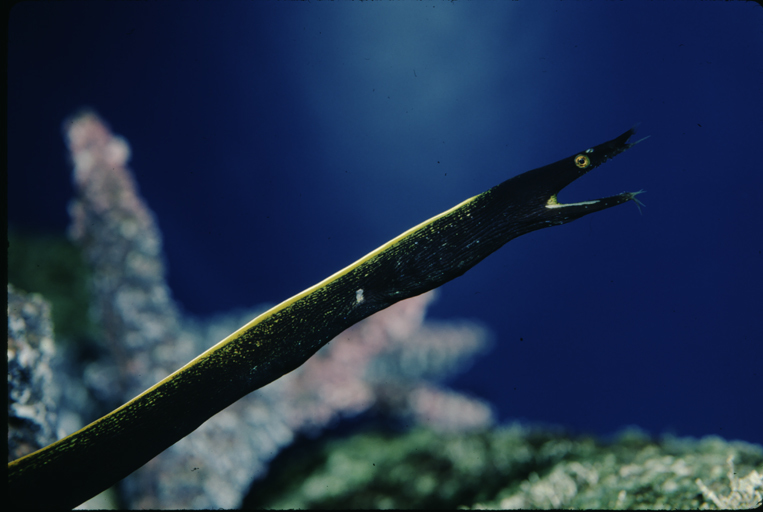
Rhinomuraena quaesita Garman, 1888 (Ribbon moray)
Occur in lagoon and seaward reefs. Secretive species normally hidden in sand or rubble, sometimes with only its head protruding. Feed on small fishes . Juveniles all black, males have yellow dorsal fin and females chang...
Read More
Read More
Gymnothorax javanicus (Bleeker, 1859) (Giant moray)
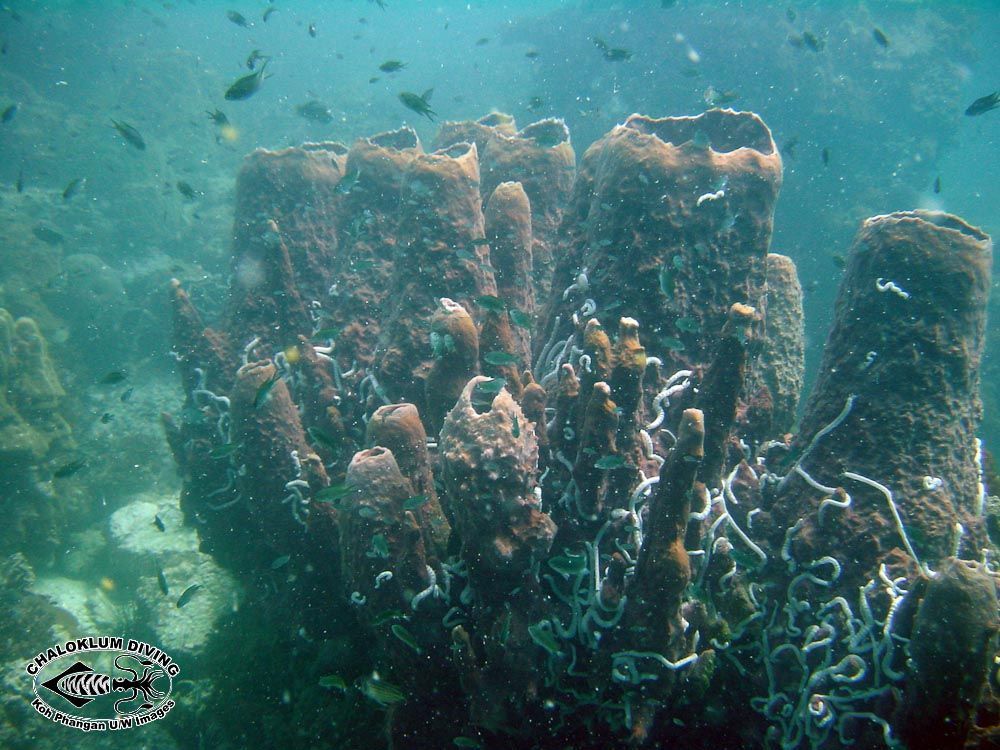
Xestospongia testudinaria (Lamarck, 1815) (barrel sponge)
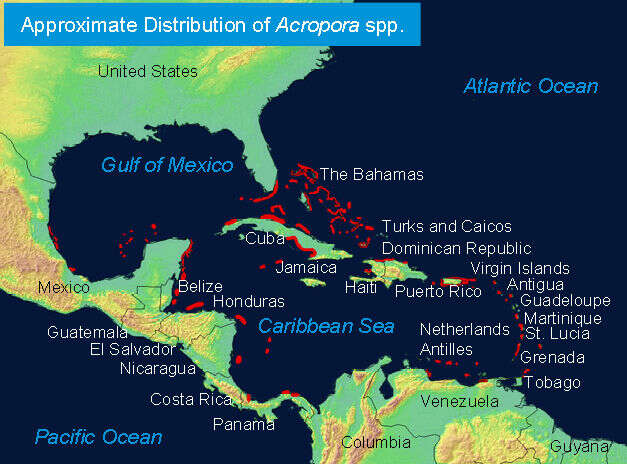
Acropora cervicornis (Lamarck, 1816) (staghorn coral)
zooxanthellate
Neotrygon kuhlii (Müller & Henle, 1841) (Bluespotted stingray)
A solitary species found on sandy bottoms near rocky or coral reefs . Usually found in deeper water but moves onto the reef flat and into shallow lagoons at high tide . Occasionally covers itself with sand, leaving only ...
Read More
Read More
Share on Social Networks
- Facebook:

personalize your shared text as well as its destination (wall, page...) or send as a private message to a friend
- Twitter: Tweet personalize your tweet
- Google Plus:
Direct link to this dive
- Long link:
- Short link:


 We are participating today in the startup contest Techcrunch Disrupt. Support Diveboard by voting for us!
























































































