


 Rubio34


 Indonesia
-
Nº35
 Date: 2016-08-30 - 10:03
-
 Max Depth: 25.9m Duration: 48mins
Dive Location

- Temp: Bottom 28°C
- Dive type : Recreational, Reef, Photo
- Visibility: Good Water: Salt
Specific gear used
- Weights: 4 kg
Dive reviews
| Overall review | ||
| Dive difficulty | ||
| Marine life quality | ||
| Big fish |
Recent Divers in Pulau Weh

Recent Pictures in Pulau Weh
Dive Shop & Buddies
 Dive with Ridal from Lumba Lumba Diving Centre

Link to this spot:
- Spot:
- Country:
- Area:
- Body of water:
Dive Profile
- 1. Air
- 15L Aluminium 200 → 50 bar
- Average depth: 17.3m
Data provided by EOL.org


Species Identified
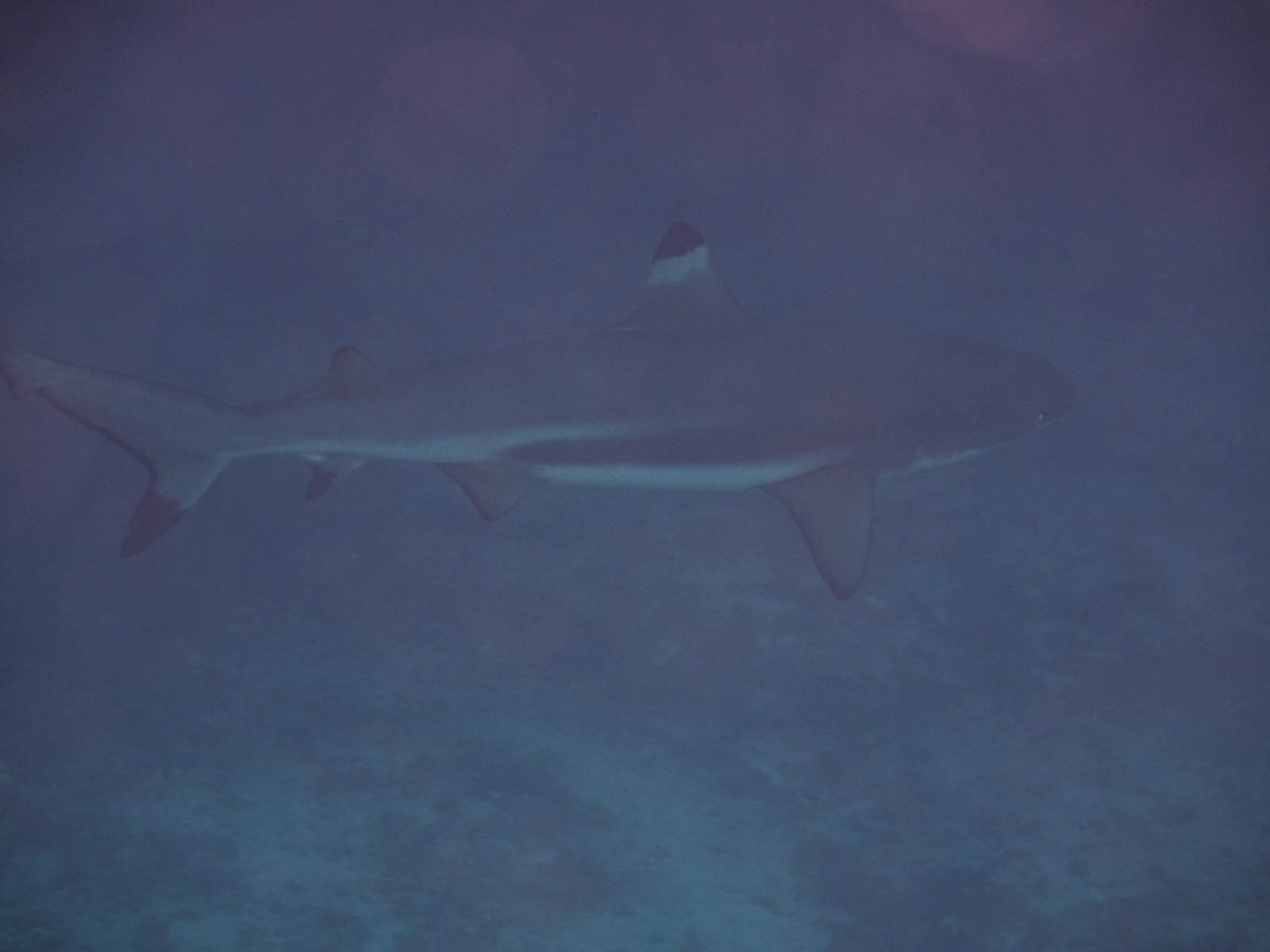
Carcharhinus melanopterus (Quoy and Gaimard, 1824) (blacktip reef shark)
This powerful swimmer is well known for its tendency to enter incredibly shallow water, and is often found in water only 30 centimetres deep or less, with its distinctive dorsal fin protruding from the surface of the water...
Read More
Read More
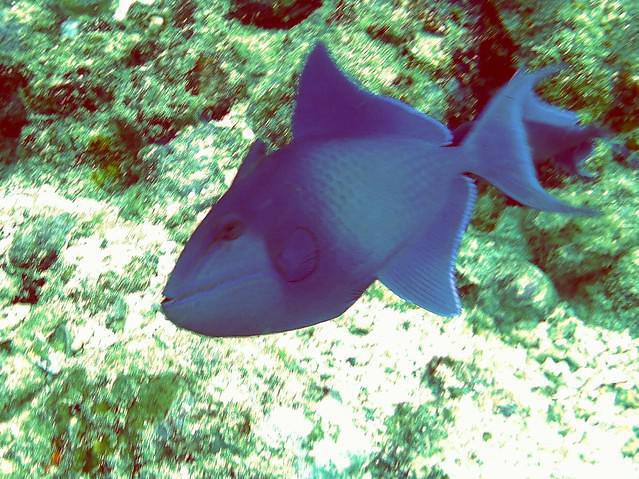
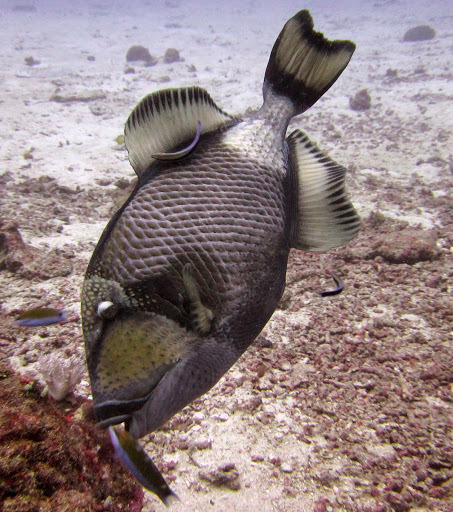
Balistoides viridescens (Bloch and Schneider, 1801) (Titan triggerfish)
Occur in lagoon, seaward reefs and sheltered inner reef slopes . Juveniles often associated with isolated patches of branching coral or rubble of shallow sandy protected areas. Adults occur singly or in pairs on the slo...
Read More
Read More
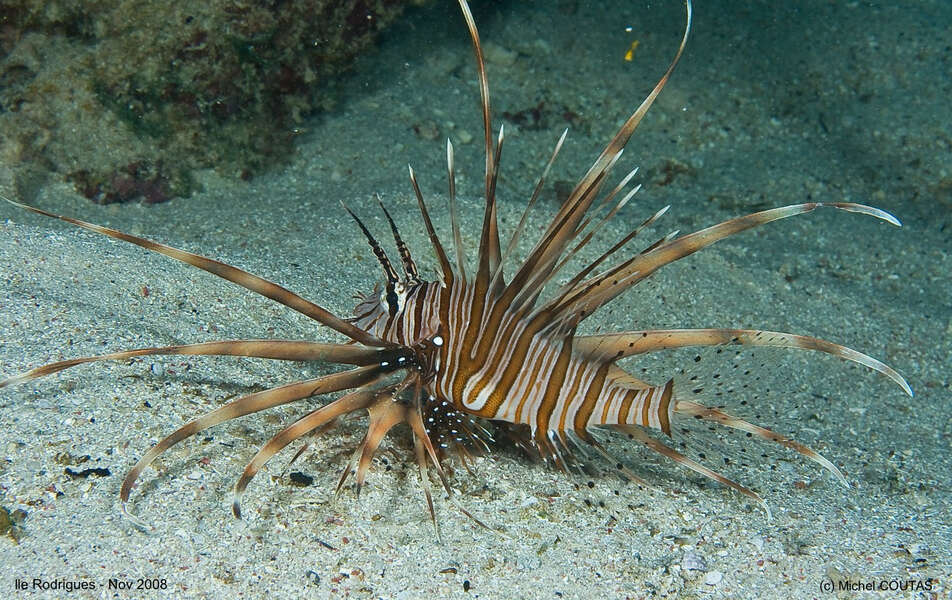
Pterois volitans (Linnaeus, 1758) (Red lionfish)
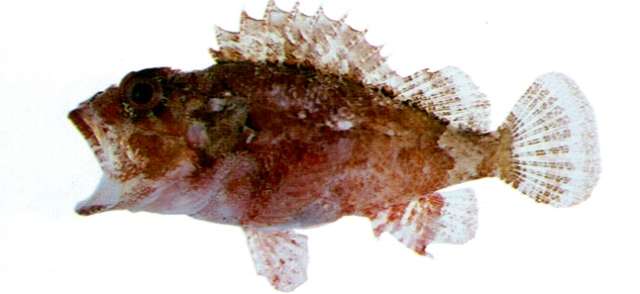
Parascorpaena mcadamsi (Fowler, 1938) (McAdam's scorpionfish)
Secretive in reefs during the day and usually seen only at night .
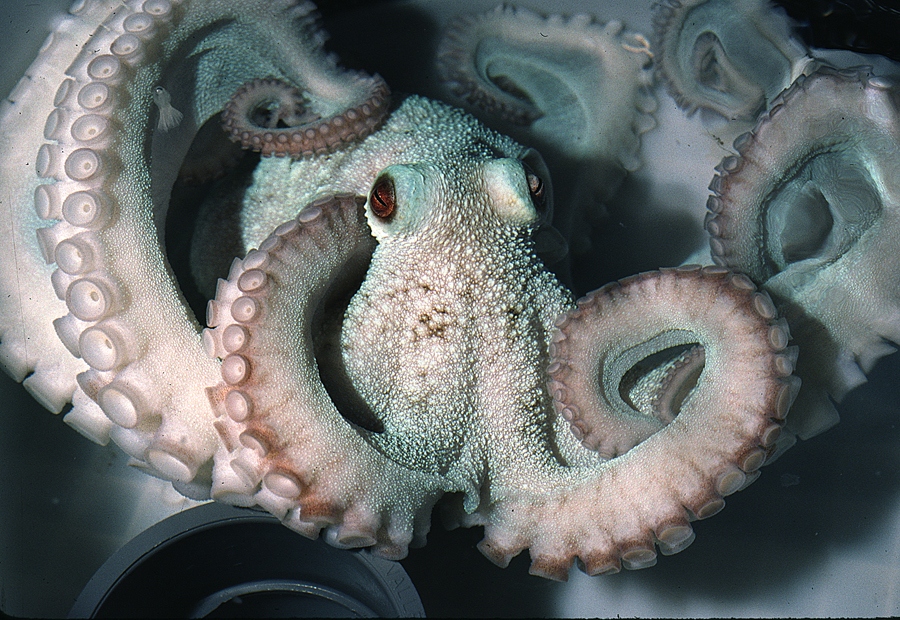
Octopus briareus Robson, 1929 (Caribbean reef octopus)
Gymnothorax favagineus Bloch & Schneider, 1801 (Laced moray)
Inhabits reef flats and outer reef slopes of continental reefs . One of the two largest of Indo-Pacific morays. Often in holes with cleaner wrasses or shrimps . Feeds on cephalopods and small fishes . Large adults may be aggressive . Minimum depth reported taken from Ref. 30573.
Caranx melampygus Cuvier, 1833 (Bayad)
Ostracion cubicus Linnaeus, 1758 (Yellow boxfish)
Inhabit lagoon and semi-sheltered seaward reefs. Juveniles often among Acropora corals . Benthopelagic . Solitary . Juveniles expatriating to subtropical zone from the pelagic larval stage. Small juveniles secretive i...
Read More
Read More
Share on Social Networks
- Facebook:

personalize your shared text as well as its destination (wall, page...) or send as a private message to a friend
- Twitter: Tweet personalize your tweet
- Google Plus:
Direct link to this dive
- Long link:
- Short link:


 We are participating today in the startup contest Techcrunch Disrupt. Support Diveboard by voting for us!
























































































Fundive
Average depth 17,7m
Large blacktip reef shark at the distance
Spotted my first octopus
Banded sea snake - Laticauda semifasciata