


 Rubio34

 Malaysia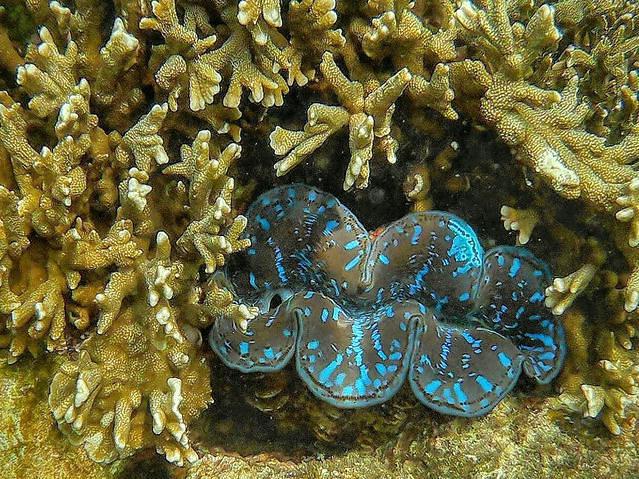
-
Nº29
 Date: 2016-07-14 - 09:27
-
 Max Depth: 19.5m Duration: 56mins
Dive Location

- Temp: Bottom 30°C
- Dive type : Recreational, Reef
- Visibility: Good Water: Salt
Dive reviews
| Overall review | ||
| Dive difficulty | ||
| Marine life quality |
Recent Divers in Perhentian Islands
Recent Pictures in Perhentian Islands



Dive Shop & Buddies
 Dive with Flo 358717 from Turtle Bay Divers

Link to this spot:
- Spot:
- Country:
- Area:
- Body of water:
Dive Profile
Data provided by EOL.org



Species Identified
Atelomycterus marmoratus ([Bennett], 1830) (Marbled cat shark)
A common but little-known inshore shark found on coral reefs and though to inhabit crevices and holes on reefs . Oviparous . Caught occasionally by various fisheries operating over coral reefs and probably adversely affe...
Read More
Read More
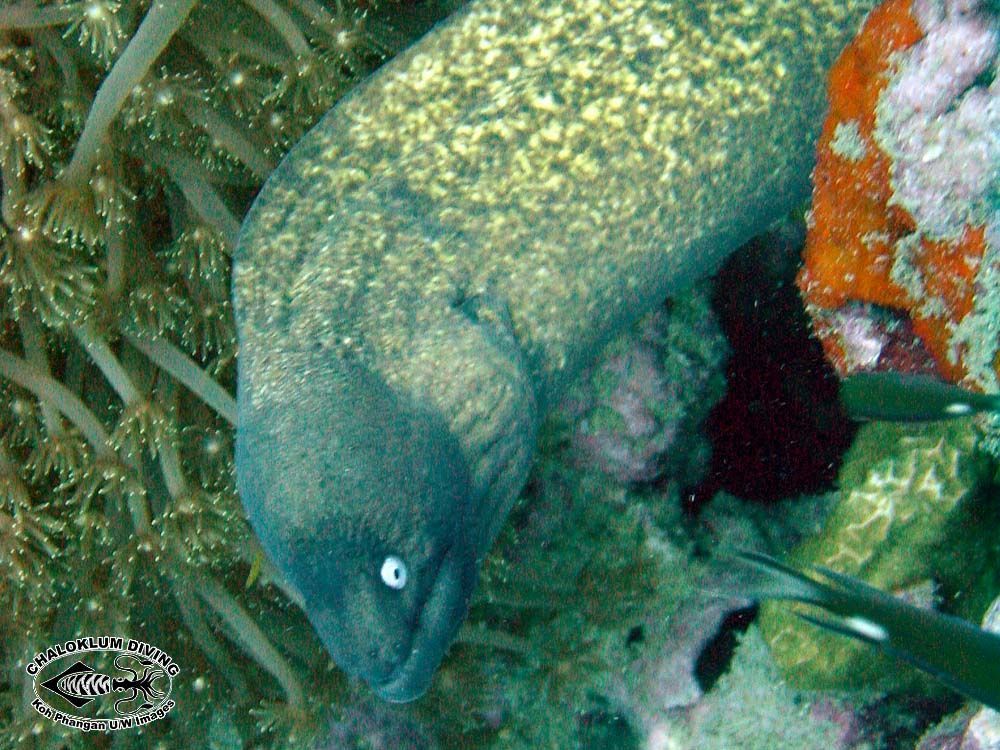
Gymnothorax thyrsoideus (Richardson, 1845) (slender moray)
Fairly common inhabitant of reef flats where it is usually encountered in shallow tidal pools. Often in shipwrecks; usually in pairs or small aggregations, and shares habitat with other morays .
Hologymnosus annulatus (Lacepède, 1801) (Ring wrasse)
Found on coral reefs and rocky substrates to depths of at least 30 m . Juveniles generally solitary . Feeds primarily on small fishes, also on crustaceans .
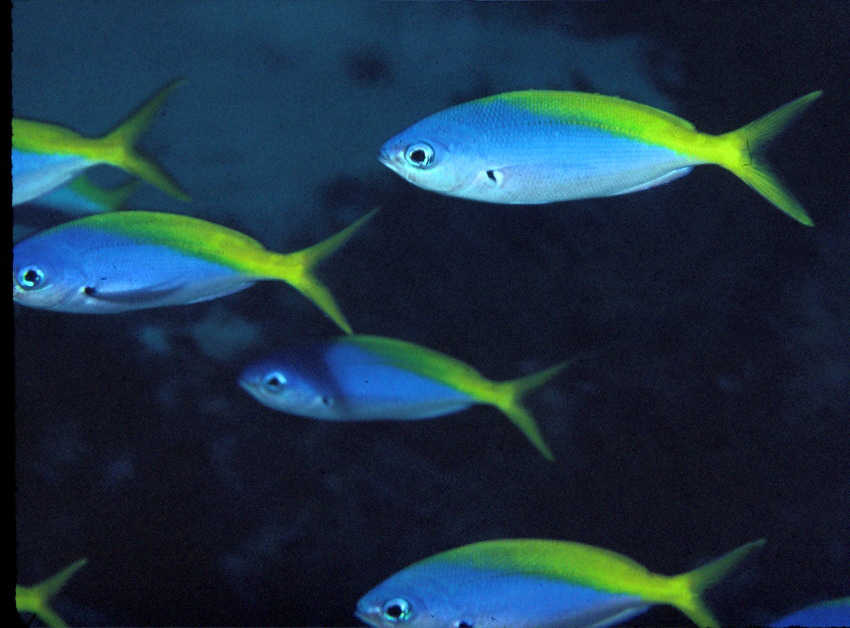
Caesio xanthonota Bleeker, 1853 (Dhon noo mas)
Inhabits deep lagoons and along seaward reefs , primarily around coral reefs. Feeds on zooplankton in large midwater aggregations. Oviparous, with numerous, small pelagic eggs .
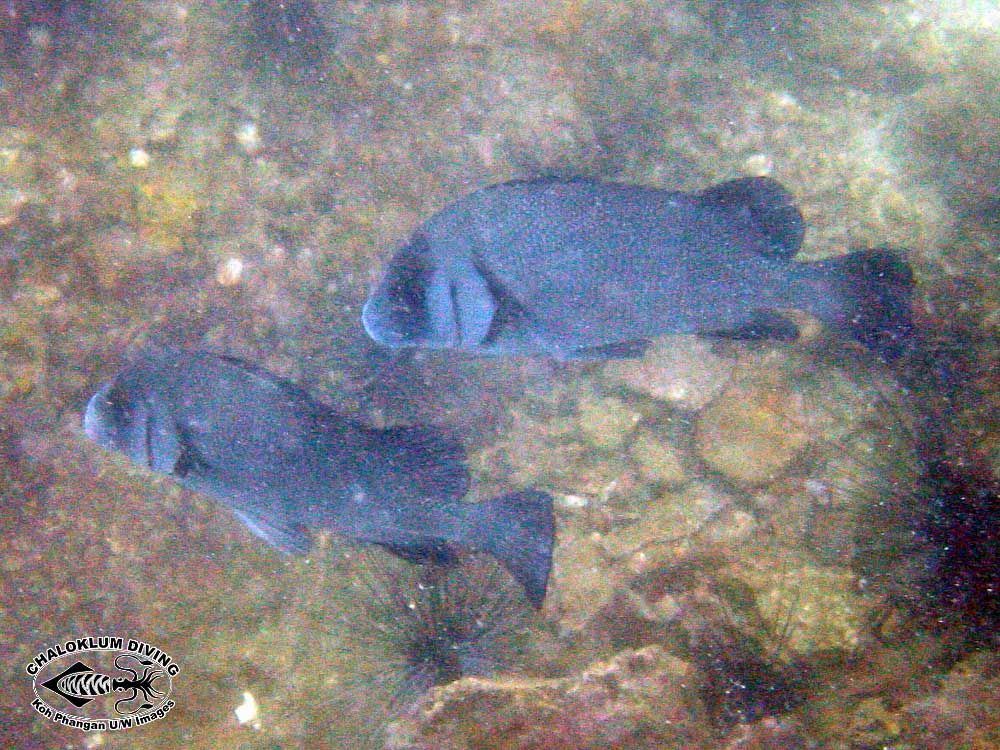
Plectorhinchus gibbosus (Lacepède, 1802) (Harry hotlips)
Found in coastal reefs, sandbanks, and near estuaries . Enter freshwater . Small juveniles occur along sheltered sandy shorelines where they mimic a dead leaf by drifting on their sides . Adults mainly in protected insh...
Read More
Read More
Arothron stellatus (Bloch & Schneider, 1801) (Blackspotted puffer)
Relatively uncommon in patch reefs and coral slopes near sandy areas of clear lagoon and seaward reefs. Juveniles occur in sandy and weedy inner reefs, adults on clear lagoons and seaward reefs . Juveniles inshore, usual...
Read More
Read More
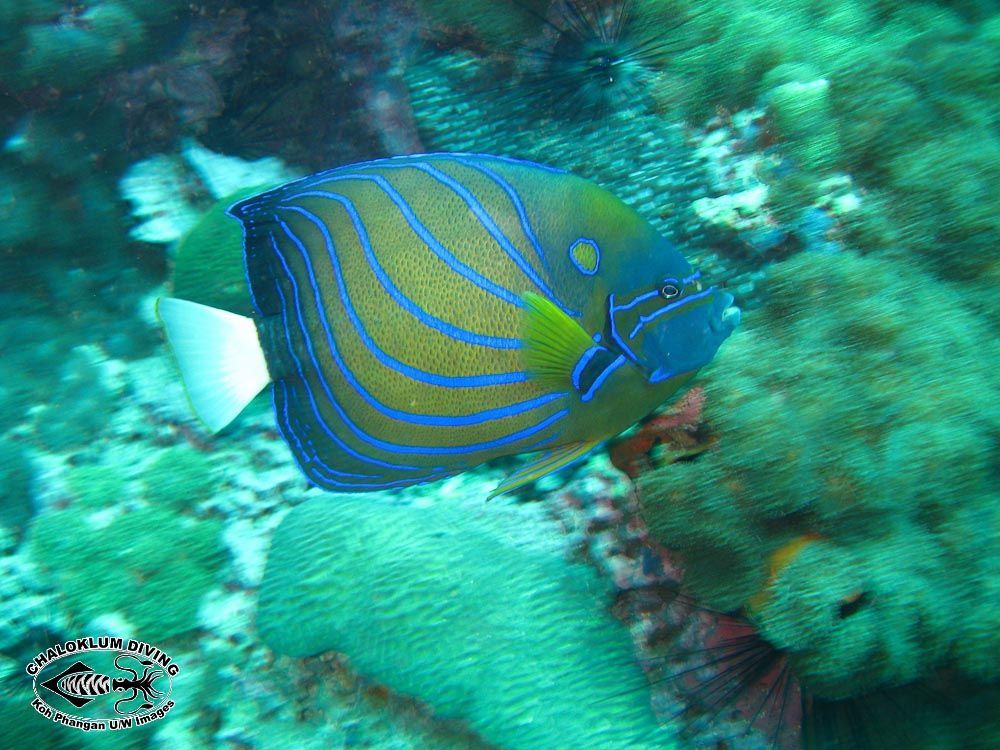
Pomacanthus annularis (Bloch, 1787) (Bluering angelfish)
Inhabits coastal reefs to at least 30 m . Adults often found in pairs inside caves . Juveniles settle in very shallow inshore habitats with short filamentous algae growth on rock or dead coral substrates . Feeds on spon...
Read More
Read More
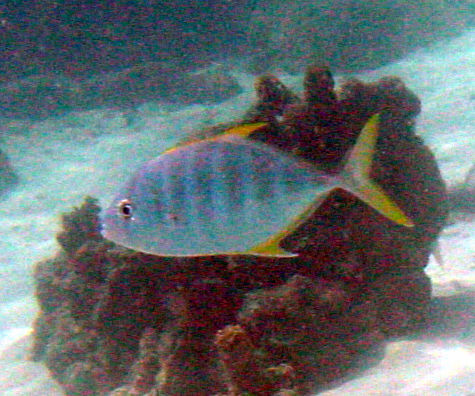
Gnathanodon speciosus (Forsskål, 1775) (Golden trevally)
Occur in deep lagoon and seaward reefs where they feed by rooting for crustaceans and other invertebrates in the sand. Also feed on small fishes. Small juveniles live among the tentacles of jellyfish . Form schools. No...
Read More
Read More
Sphyraena flavicauda Rüppell, 1838 (Yellowtail barracuda)
Inhabits lagoon and sheltered seaward reefs ; also found in bays . Often schools on coastal reefs .
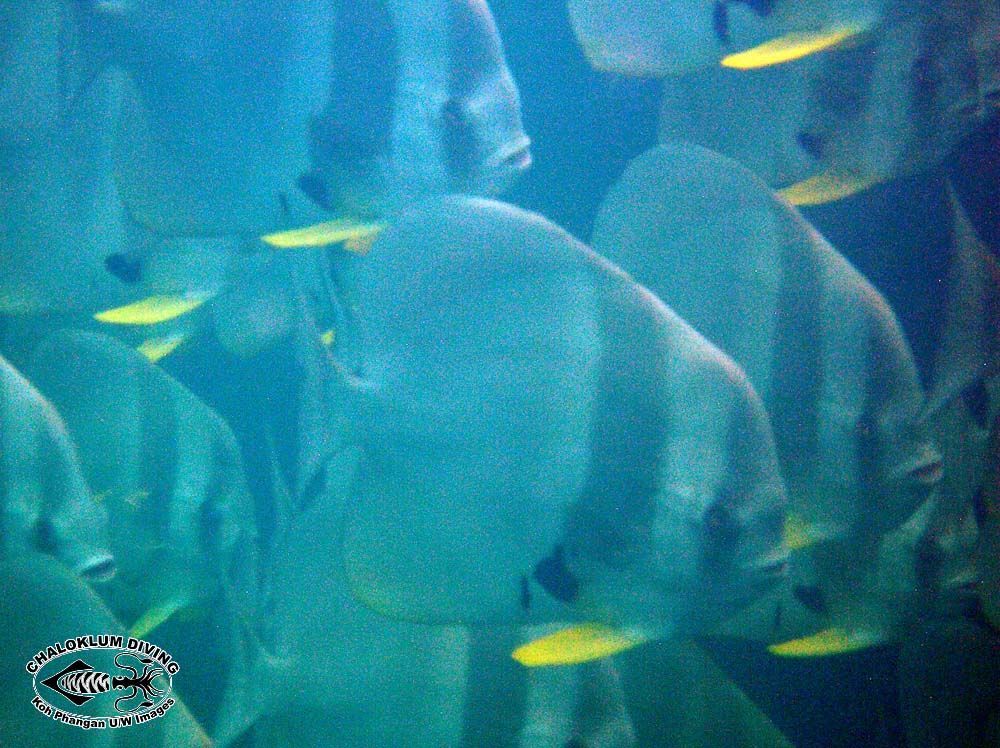
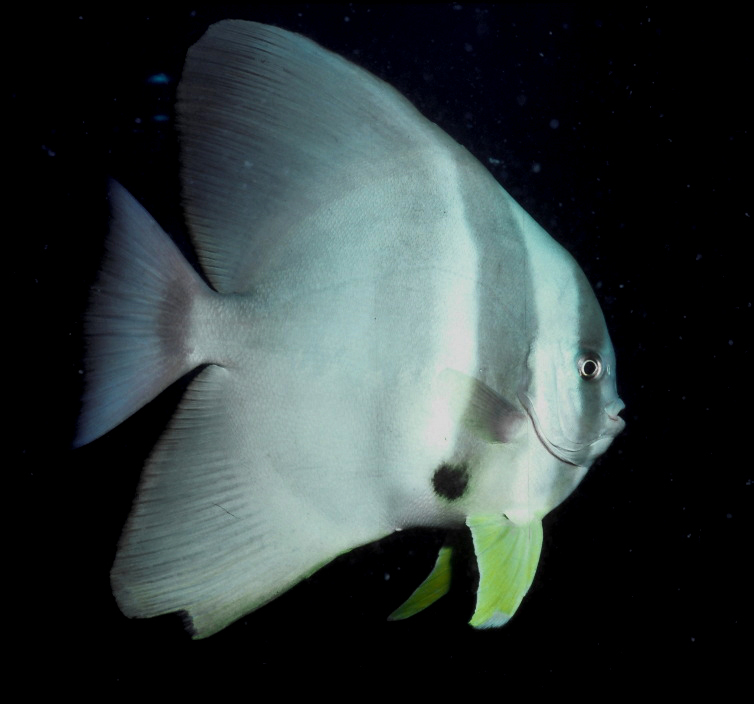
Platax teira (Forsskål, 1775) (Tiera batfish)
Large adults live in sheltered bays as well as deep offshore. Commonly found around shipwrecks in small groups and occasionally forms large schools. Small juveniles with floating debris and form aggregations as they find ...
Read More
Read More
Platax pinnatus (Linnaeus, 1758) (Dusky batfish)
Adults are generally solitary and found under overhangs of steep outer reef slopes to a depth of at least 20 m. Juveniles are encountered in mangroves and inner sheltered reefs where they seek shelter in caves or under le...
Read More
Read More
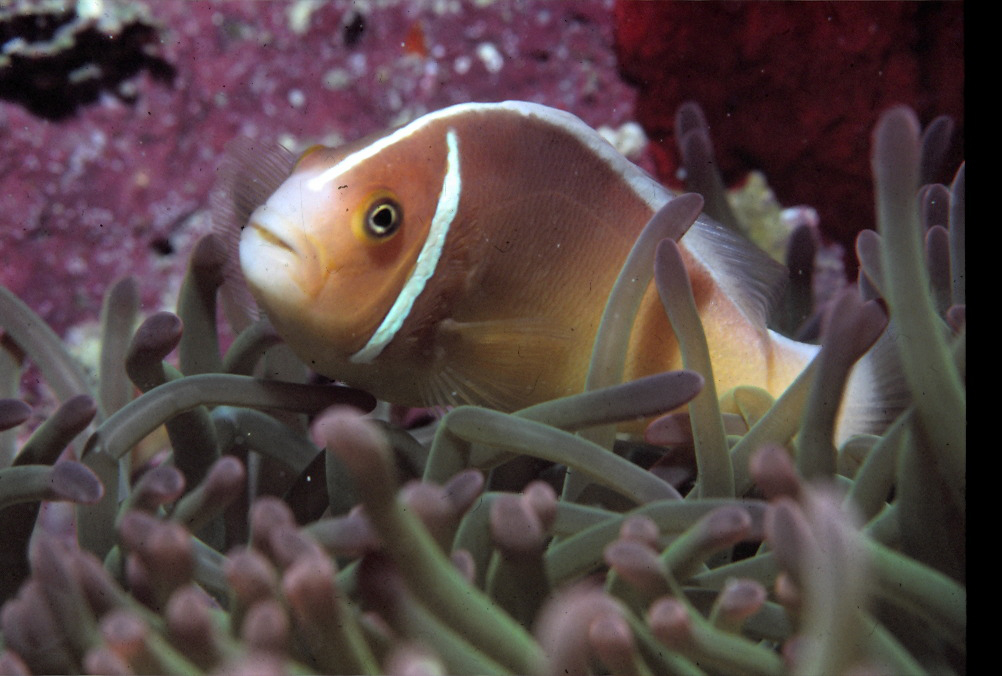
Amphiprion perideraion Bleeker, 1855 (False skunk-striped anemonefish)
Inhabits lagoon and seaward reefs . Mainly diurnal. Non-burrowing. Monogamous . A protandrous hermaphrodite . Associated with the anemones: Heteractis magnifica , Heteractis crispa, Macrodactyla doreensis, and Sticho...
Read More
Read More
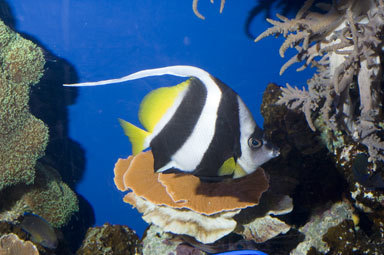
Heniochus acuminatus (Linnaeus, 1758) (Pennant coralfish)
Inhabit deep, protected lagoons and channels, and the deeper parts of outer reef slopes. Juveniles are often solitary while adults occur in pairs . A planktivorous species that generally remains within a few meters of th...
Read More
Read More
Share on Social Networks
- Facebook:

personalize your shared text as well as its destination (wall, page...) or send as a private message to a friend
- Twitter: Tweet personalize your tweet
- Google Plus:
Direct link to this dive
- Long link:
- Short link:


 We are participating today in the startup contest Techcrunch Disrupt. Support Diveboard by voting for us!
























































































