


 Fabien83210@yahoo.fr


 Guadeloupe

-
Nº457
 Date: 2013-12-05 - 12:10
-
 Max Depth: 25.6m Duration: 77mins
Pictures

No pictures for this dive
- Dive type : Recreational, Reef, Photo
- Visibility: Excellent
Dive reviews
| Overall review | ||
| Dive difficulty | ||
| Marine life quality |
Recent Divers in Guadeloupe

Recent Pictures in Guadeloupe


Link to this spot:
- Spot:
- Country:
- Area:
- Body of water:
Dive Profile
Data provided by EOL.org




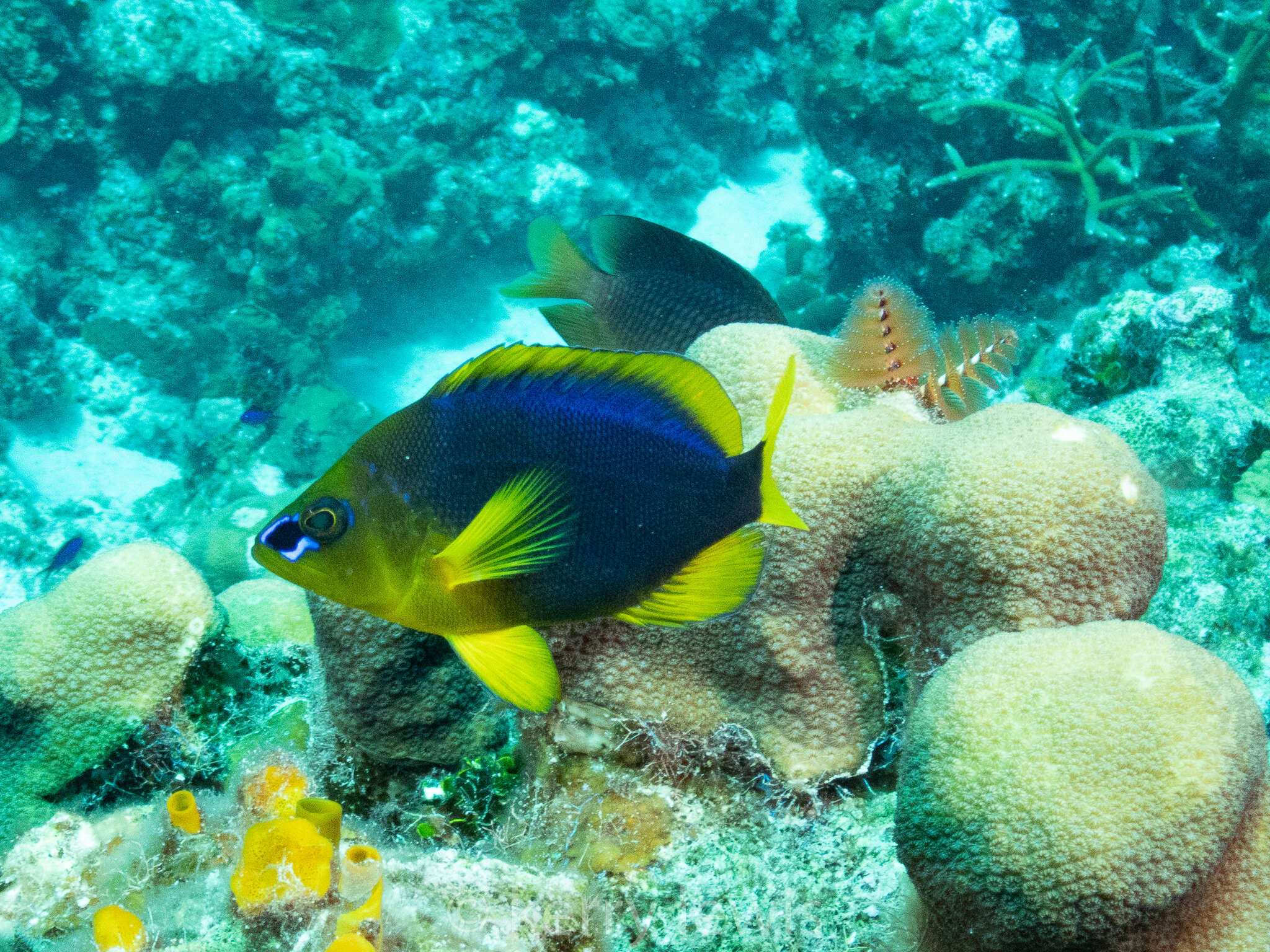
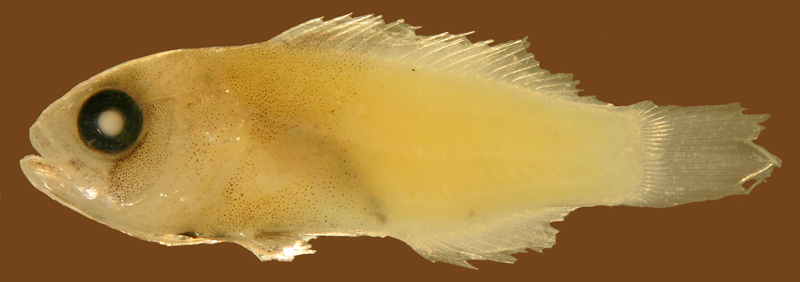
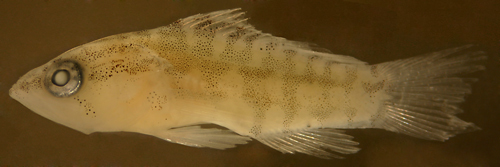


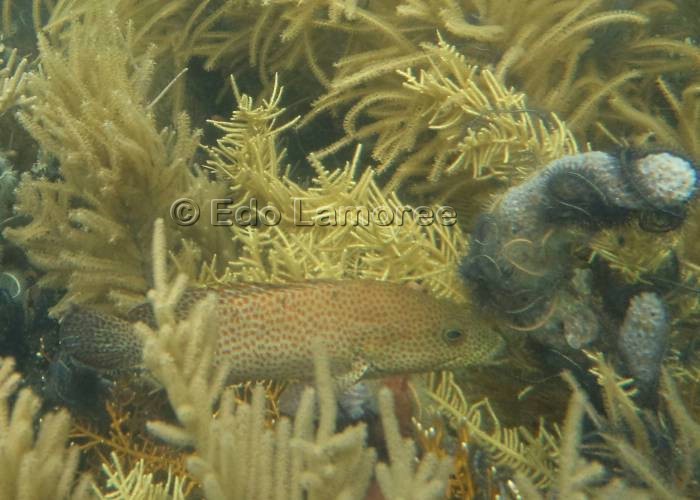

Species Identified
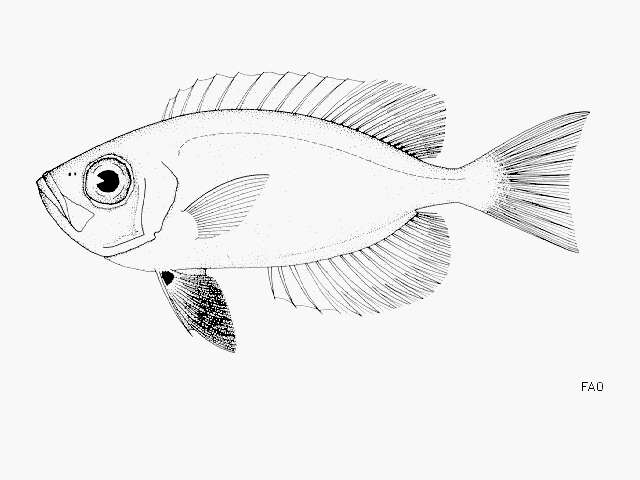
Priacanthus arenatus Cuvier, 1829 (Atlantic bigeye)
Found on coral reefs and rocky bottoms . Forms small aggregations near the bottom . A nocturnal feeder , feeds mainly on small fishes, crustaceans and polychaetes . Most of its prey are larvae. Flesh considered excellent quality; marketed fresh .
Cinachyrella alloclada (Uliczka, 1929)
Agelas clathrodes (Schmidt, 1870)
Niphates digitalis (Lamarck, 1814)
Ircinia felix (Duchassaing & Michelotti 1864)
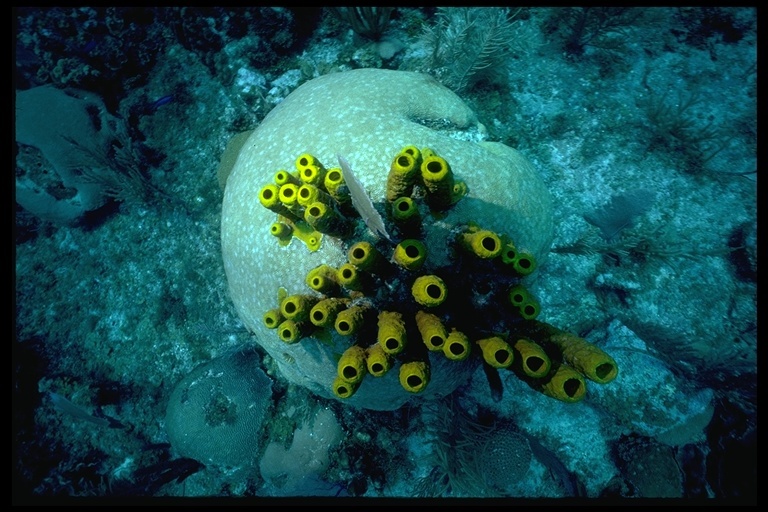
Aplysina fistularis (Pallas, 1766)
Phakellia ventilabrum (Linnaeus, 1767)
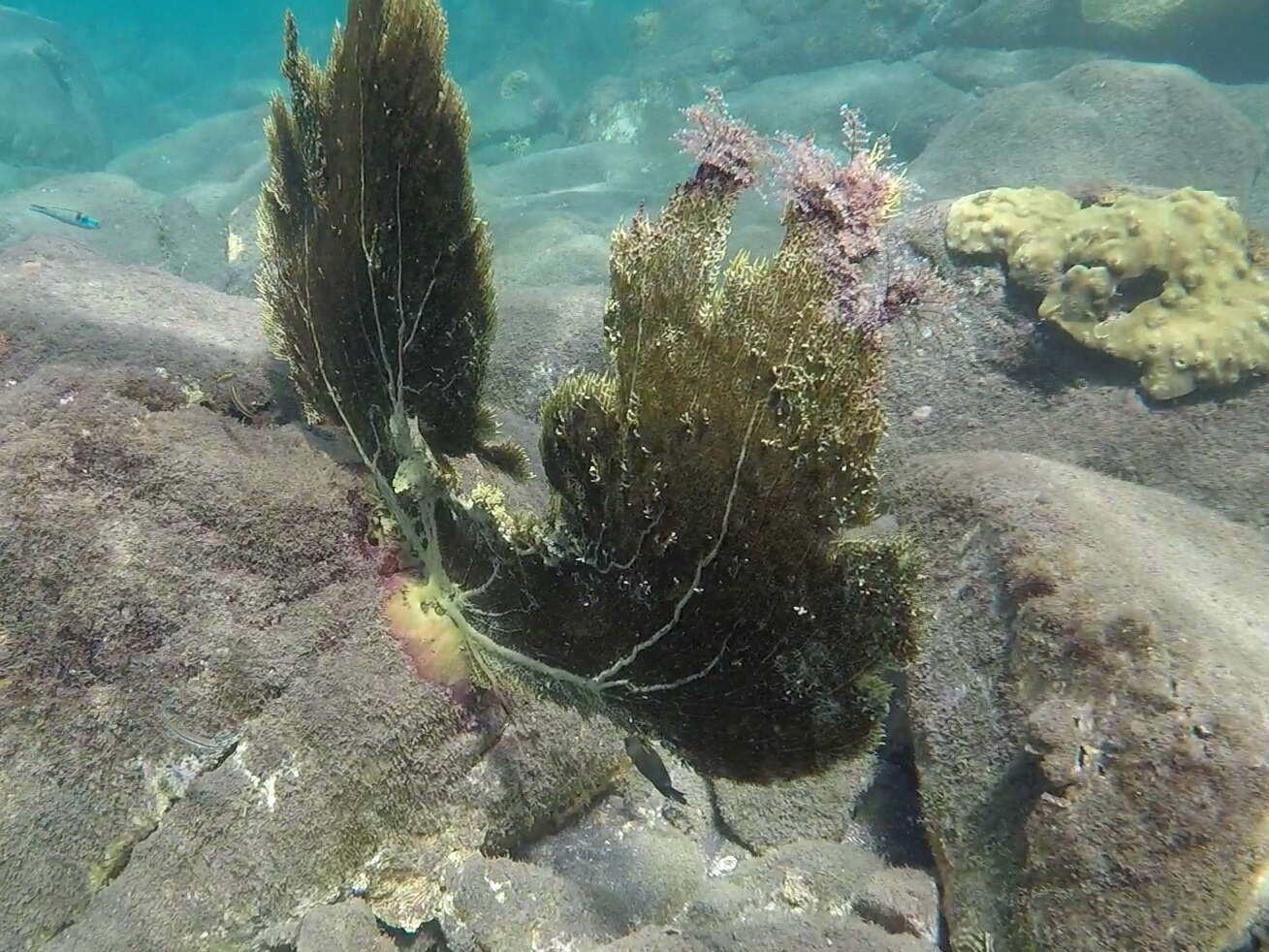
Gorgonia ventalina Linnaeus, 1758 (common sea fan)
Equetus punctatus (Bloch & Schneider, 1801) (Spooted drum)
Occurs primarily on coral reefs. Secretive and usually solitary, under ledges or near small caves . Often seen during the day around the bases of corals . Feeds at night on crabs, shrimps, and polychaetes. Easily approached . Has been reared in captivity .
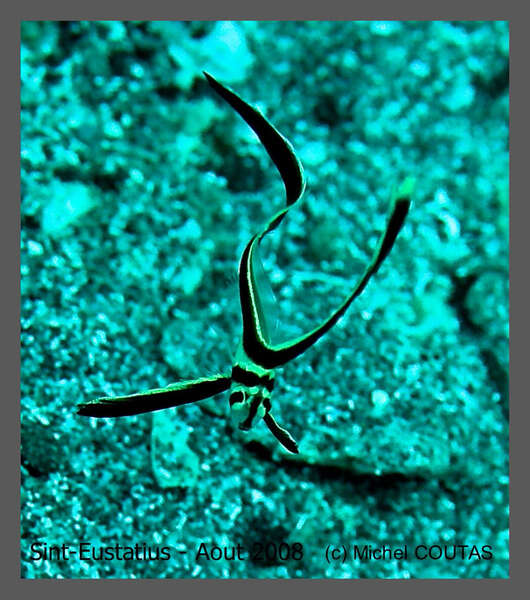
Equetus lanceolatus (Linnaeus, 1758) (Jack-knifefish)
Inhabits bays and sounds; also deep coral reefs . Juveniles sometimes inshore . Easily approached . Has been reared in captivity . Feeds mainly on small shrimps and crabs, but also on polychaete worms and gastropod mollusks .
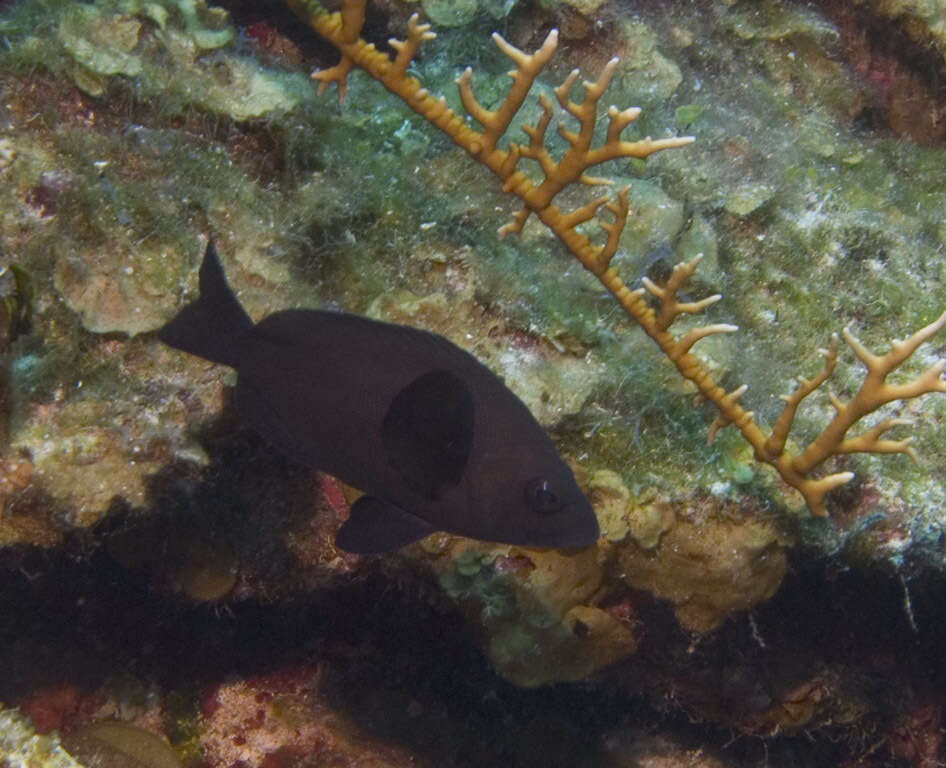
Hypoplectrus nigricans (Poey, 1852) (Black hamlet)
A solitary species inhabiting shallow reefs . Feeds on fishes and crustaceans . Often found near the bottom around soft and hard corals. Occasionally been seen spawning with the H. chlorurus
Hypoplectrus guttavarius (Poey, 1852) (Shy hamlet)
A solitary species inhabiting rocky or coral reefs, often near staghorn coral . Travels in pairs and remains close to the bottom .
Gramma loreto Poey, 1868 (fairy basslet)
Often found in caves or under ledges. Swim with belly toward substratum, thus under ledges seen upside down. Feed on ectoparasites of other fishes . Males show various types of nest care behavior . Retreat into recesses when alarmed . Have been reared in captivity .
Serranus tigrinus (Bloch, 1790) (Harlequin serranid)
Most common in areas with rock or scattered coral. Solitary or in pairs. Feeds mainly upon crustaceans . Synchronously hermaphroditic. The most common member of the genus .
Apogon pseudomaculatus Longley, 1932 (Twospot cardinalfish)
Commonly found on hard or semi-hard bottoms of the continental shelf ; in harbors and around pilings and sea walls, out to outer reefs.
Apogon dovii Günther, 1862 (Cardinalfish)
Cephalopholis cruentata (Lacepède, 1802) (Coney)
Inhabit Thalassia beds and coral reefs. In the Gulf of Mexico, they are found on rocky reef ledge in depths greater than 27 m. Solitary and secretive, they usually stay near hiding places during the day. Prefer to rema...
Read More
Read More
Chromis cyanea (Poey, 1860) (blue chromis)
Common above deep outer reefs and feeds in aggregations of the small zooplankton, primarily copepods . Often with creole wrasse. Retreats into coral crevices when frightened .
Share on Social Networks
- Facebook:

personalize your shared text as well as its destination (wall, page...) or send as a private message to a friend
- Twitter: Tweet personalize your tweet
- Google Plus:
Direct link to this dive
- Long link:
- Short link:


 We are participating today in the startup contest Techcrunch Disrupt. Support Diveboard by voting for us!


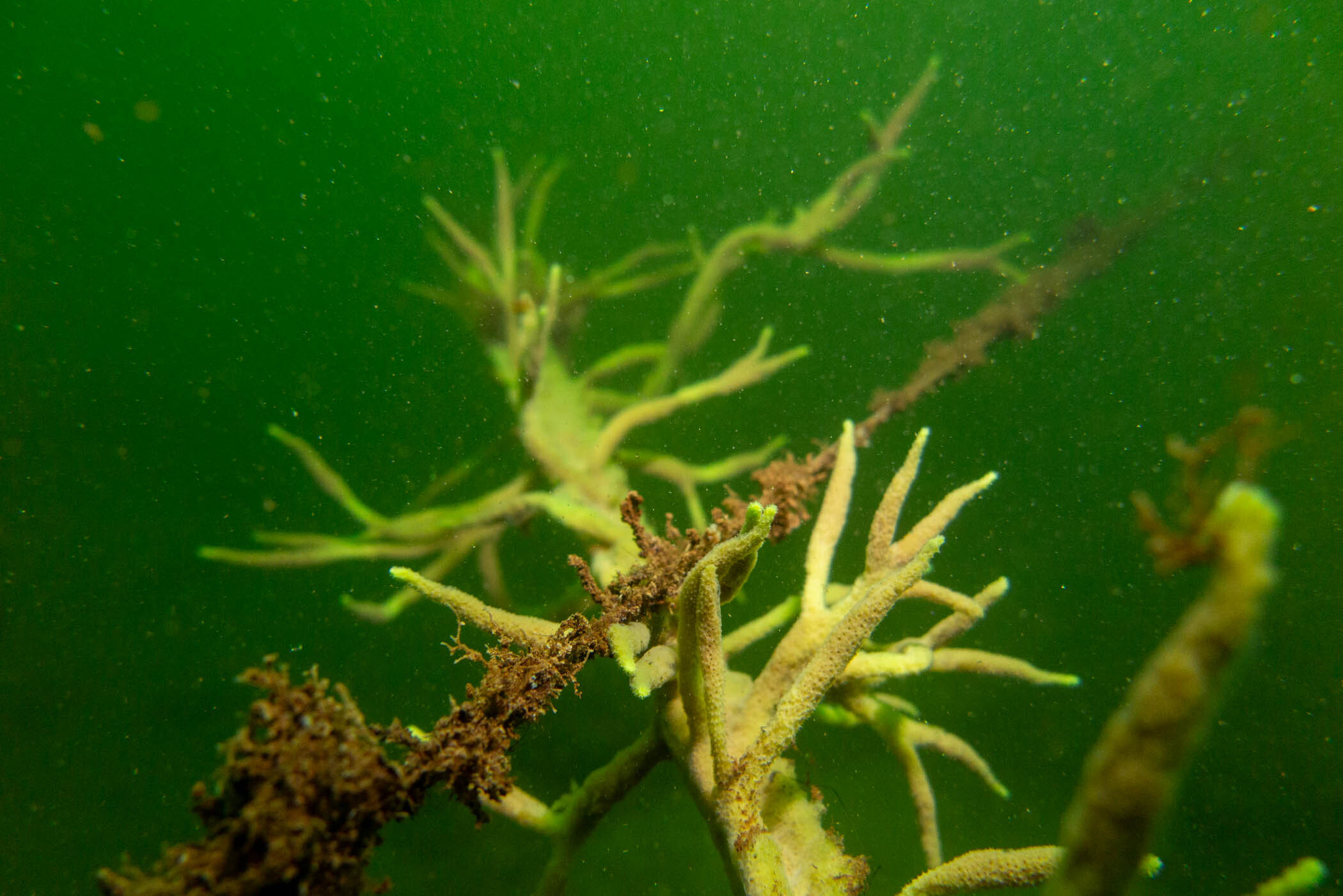
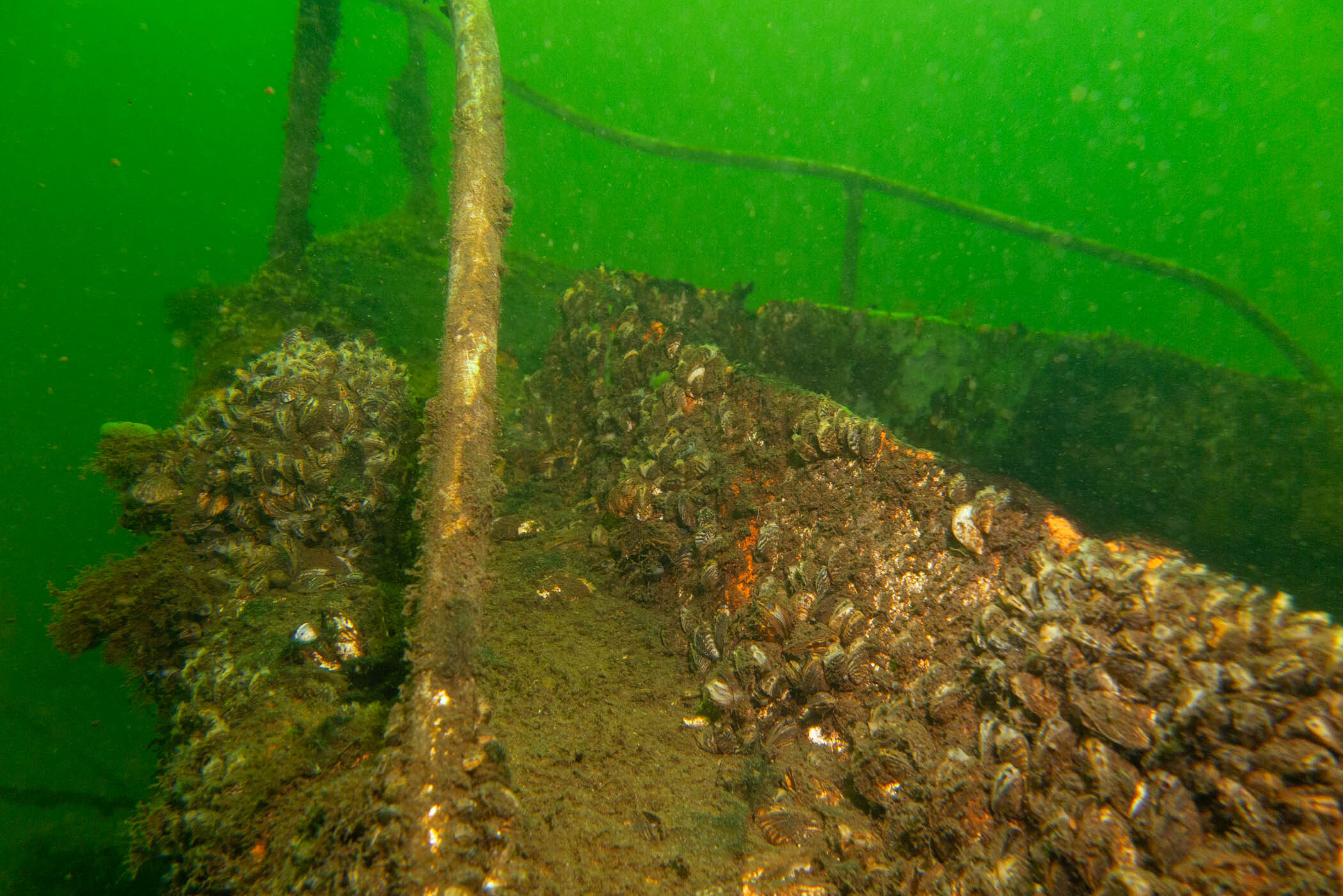
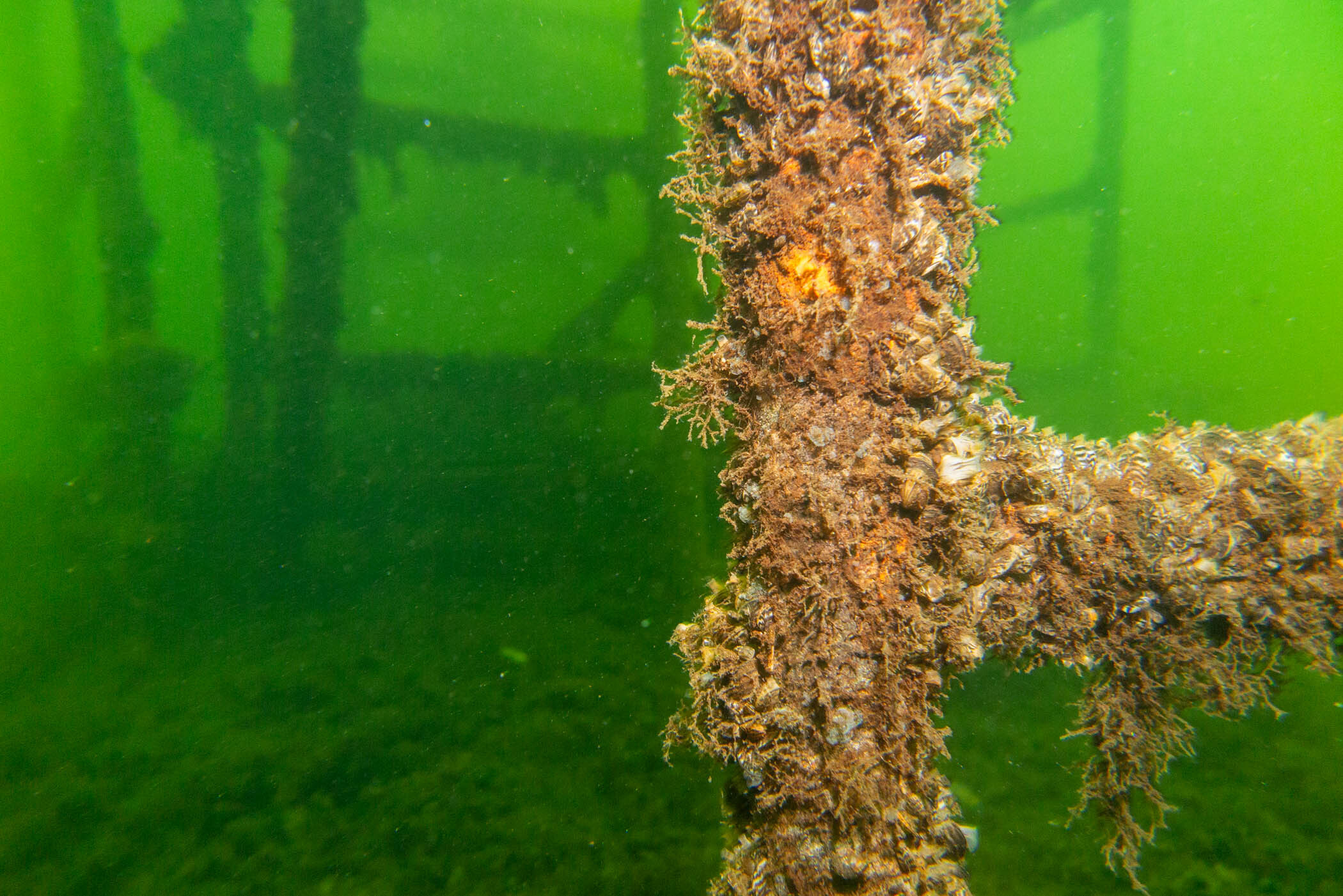
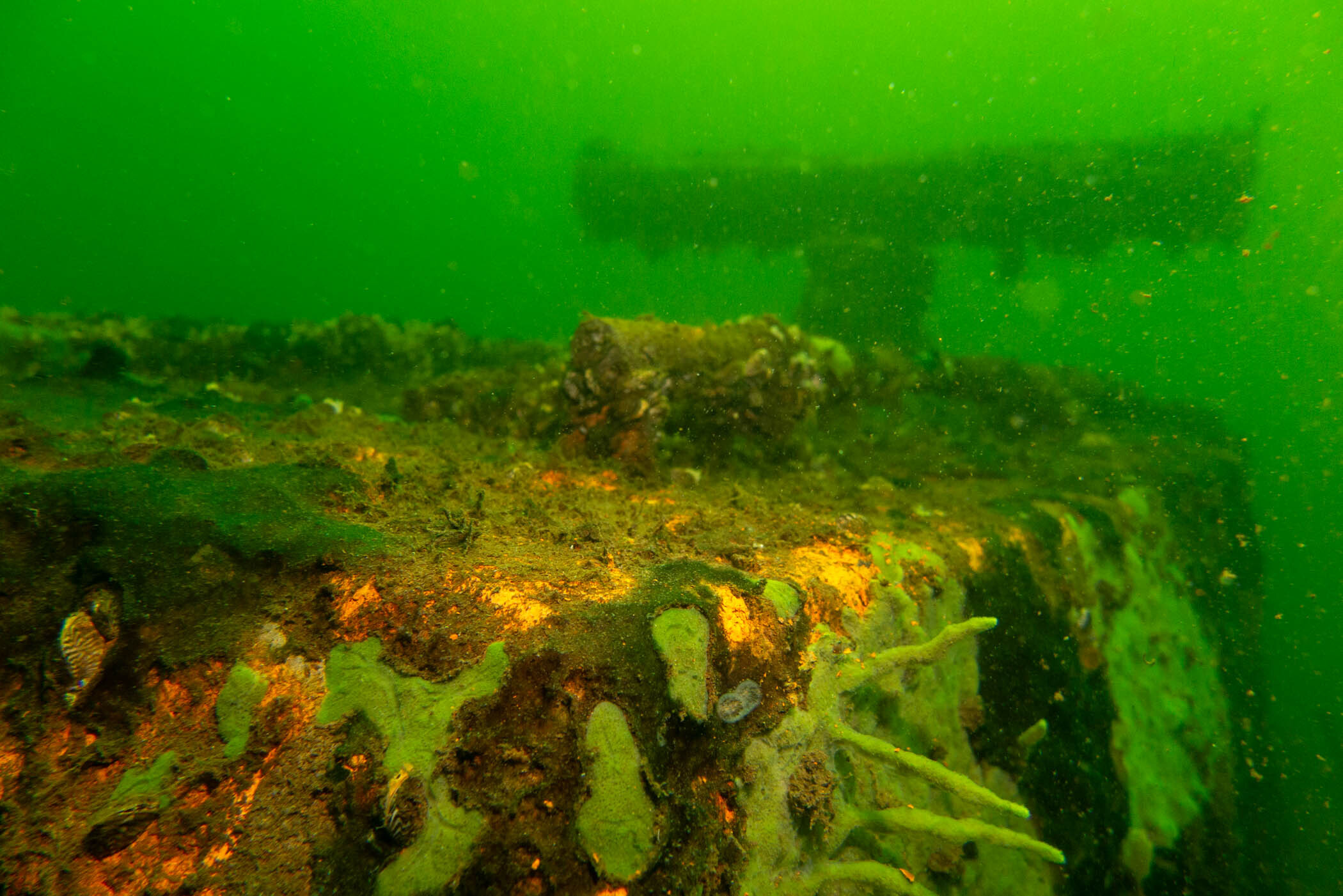
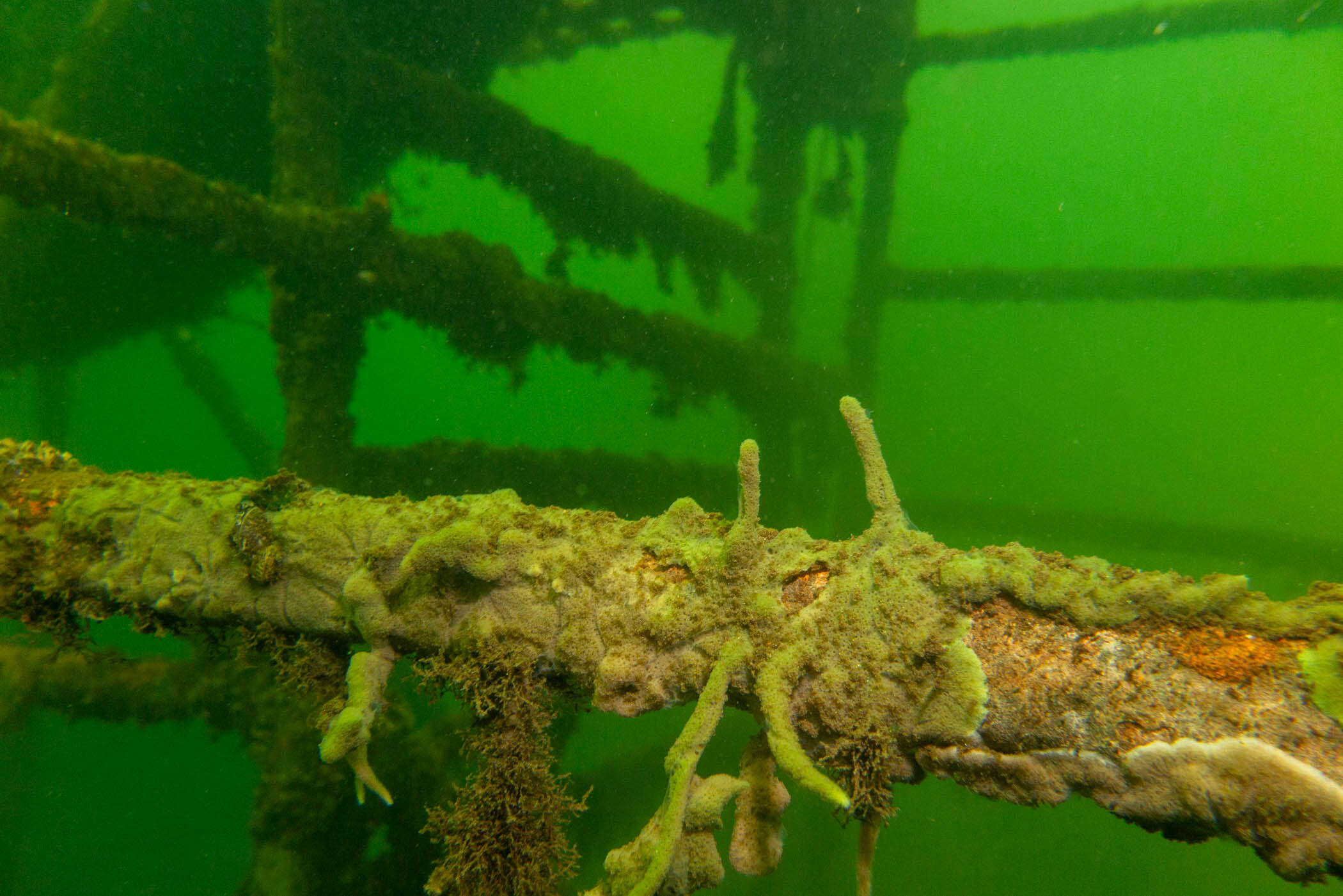
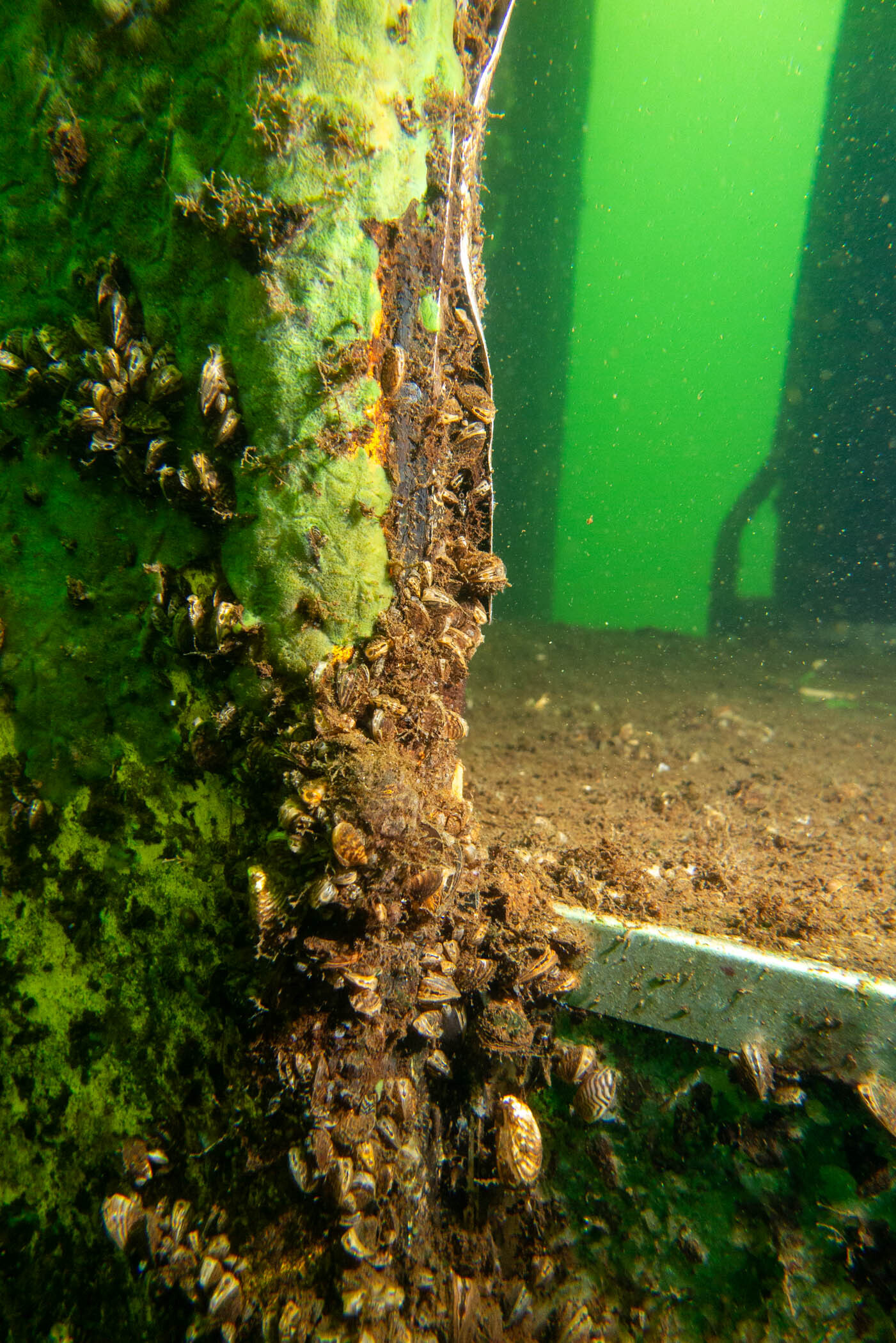
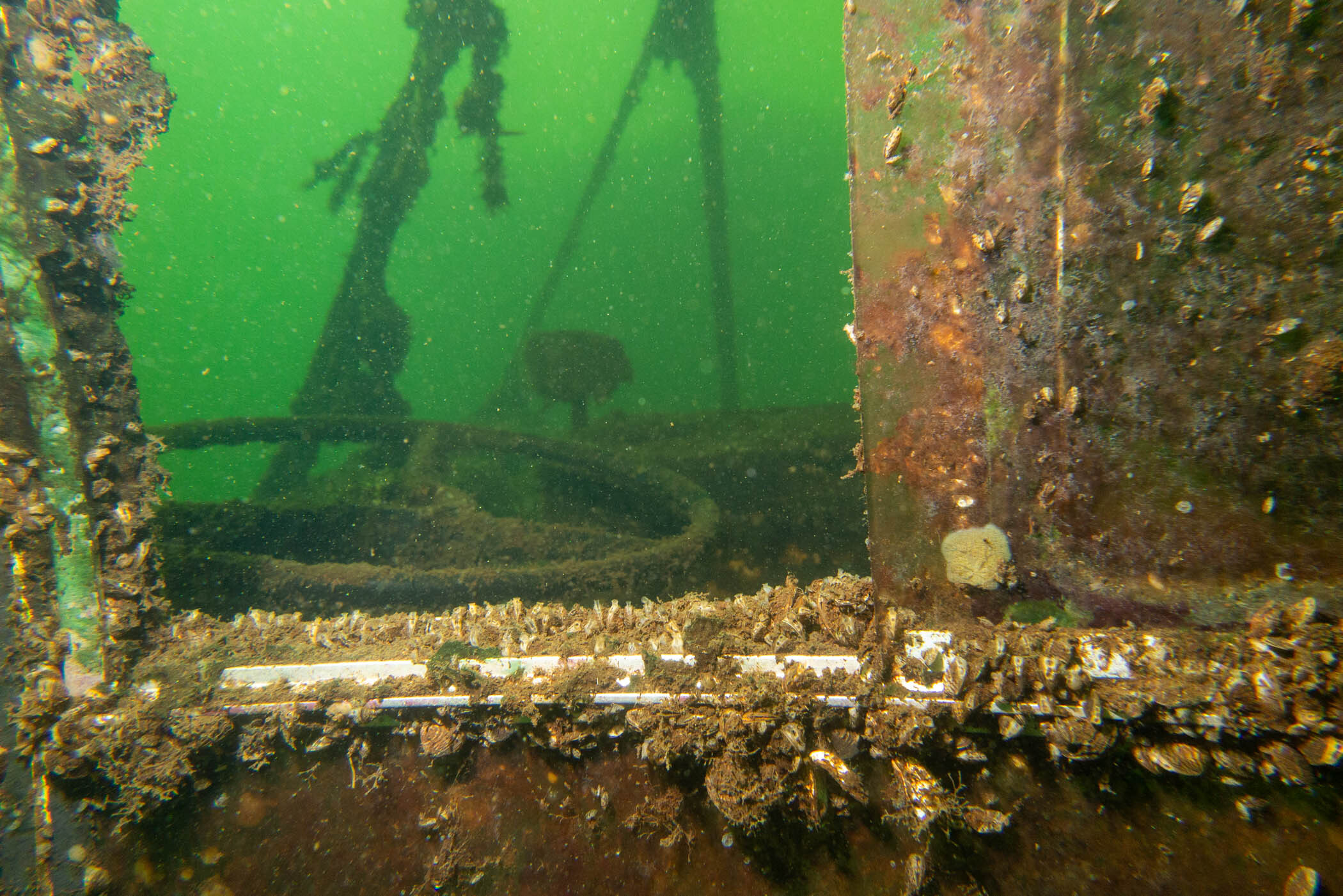
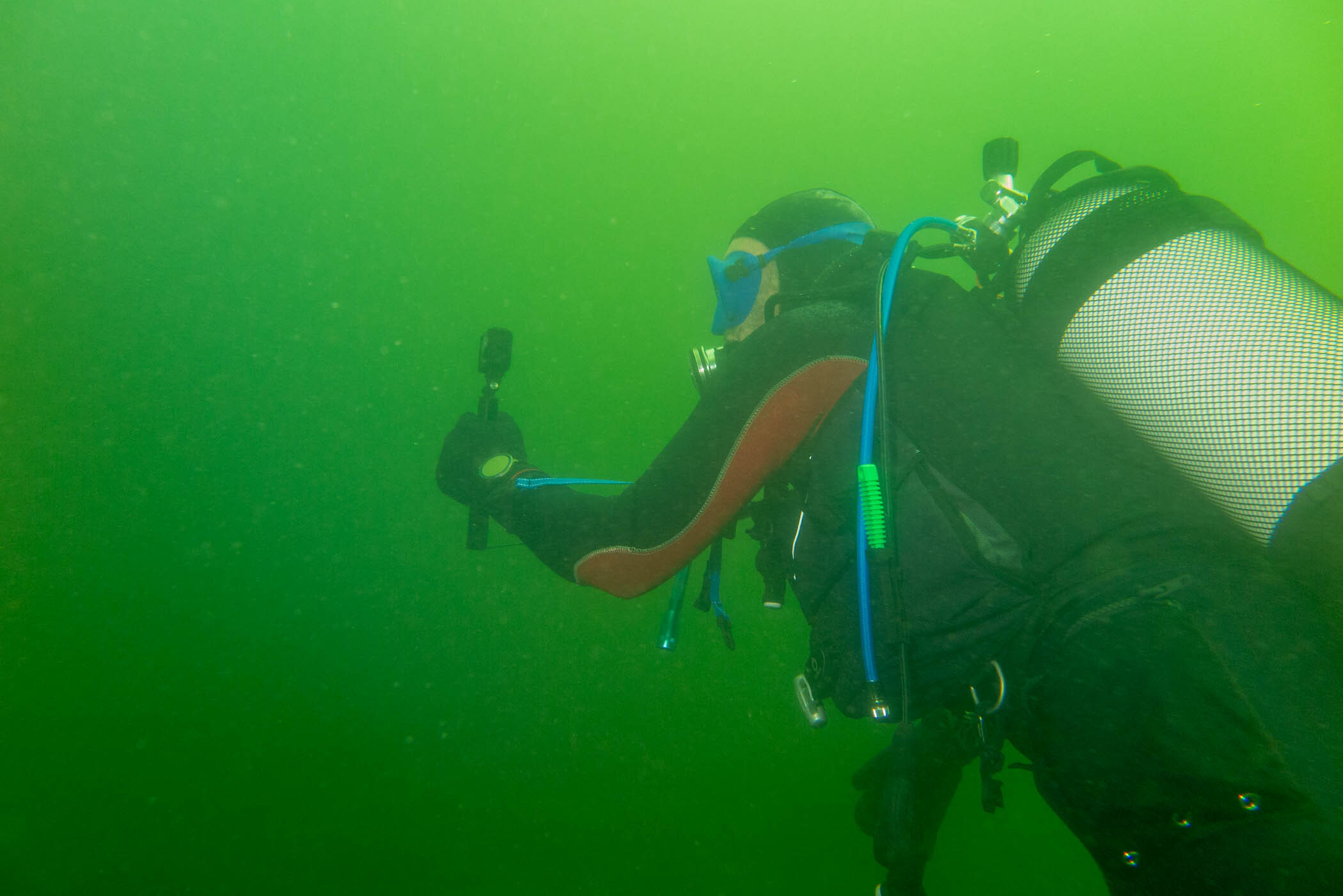
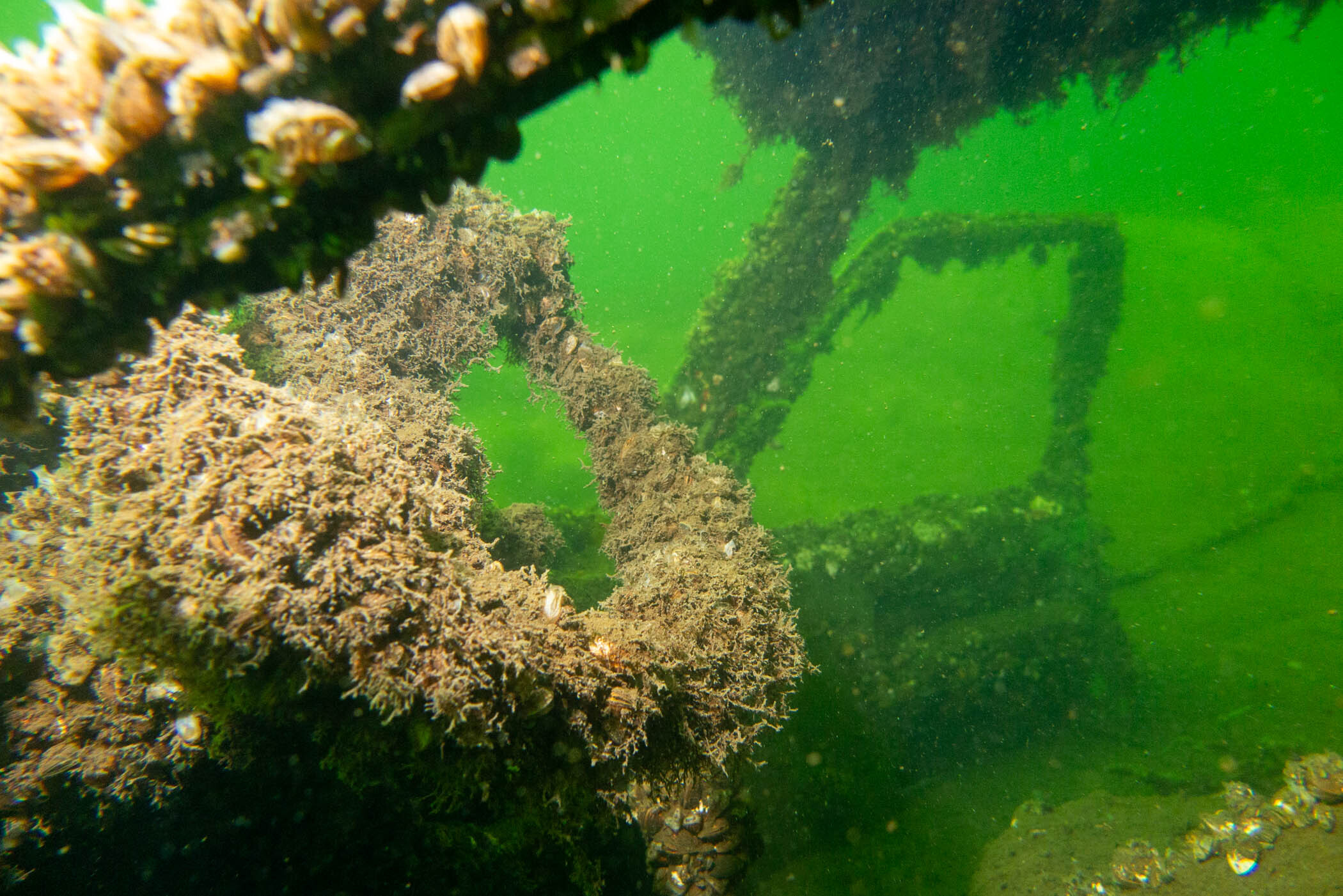























































































24eme plongee avec cherie,visi extra,poulpe,baliste noir,,tropical,coffres,chirurgiens,capitaines,trompettes,papillons,ange jaune et noir,thazards,carrangues gros yeux,murenes,rascasses volantes,perroquets,merous celestes,banc de maniocs,platax,chirurgiens,soleils francs,bourses cabri,eau turquoise sable blanc,on en a plein les yeux,photo devant le buste de cousteau,grosse plongee,memorable