


 Fabien83210@yahoo.fr


 Egypt

-
Nº460
 Date: 2014-01-05 - 14:30
-
 Max Depth: 12.8m Duration: 73mins
Pictures

No pictures for this dive
- Temp: Surf 23°C Bottom 23°C
- Dive type : Recreational, Reef, Photo
- Visibility: Good Water: Salt
Specific gear used
- Weights: 10 kg
Dive reviews
| Overall review | ||
| Dive difficulty | ||
| Marine life quality |
Recent Divers in Marsa Alam
Recent Pictures in Marsa Alam
Dive Shop & Buddies
 Dive with Monica

Link to this spot:
- Spot:
- Country:
- Area:
- Body of water:
Dive Profile
- 1. Nitrox 30
- 15L Aluminium 200 → 50 bar
- Average depth: 8.5m
Data provided by EOL.org
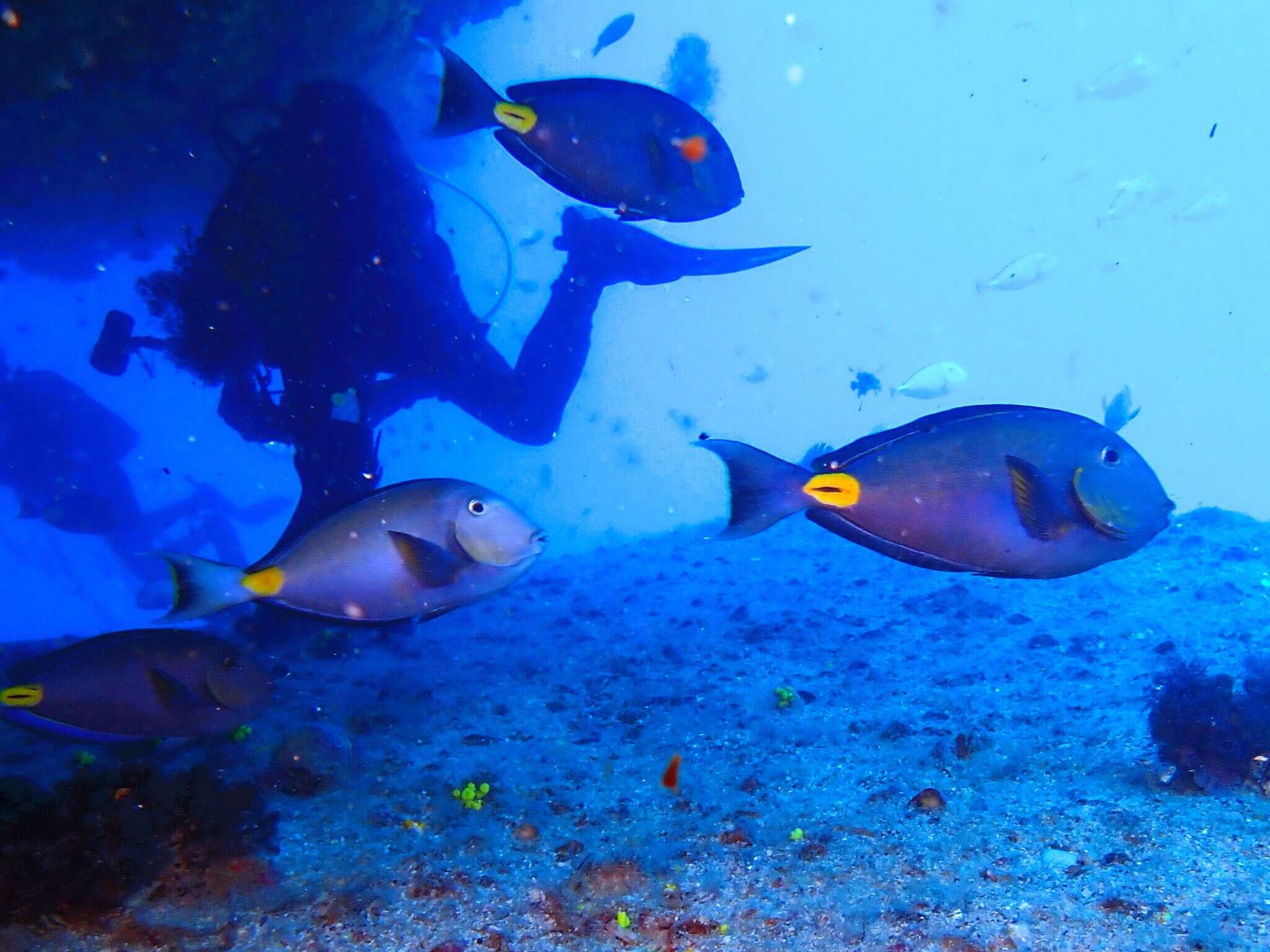


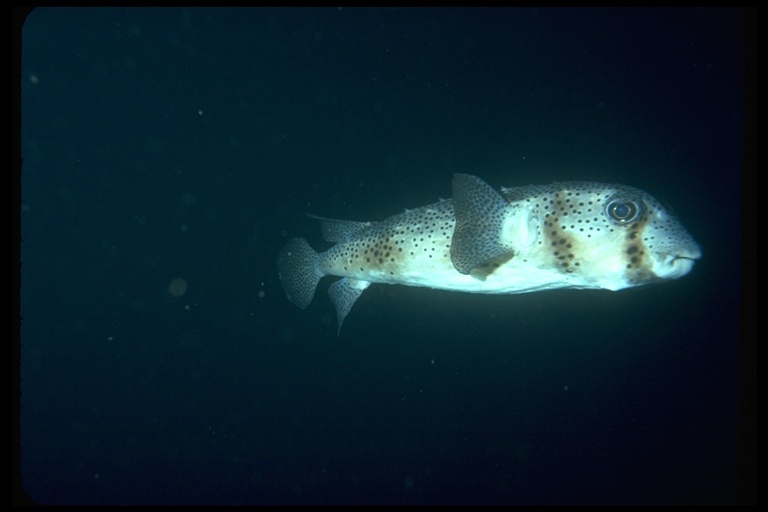


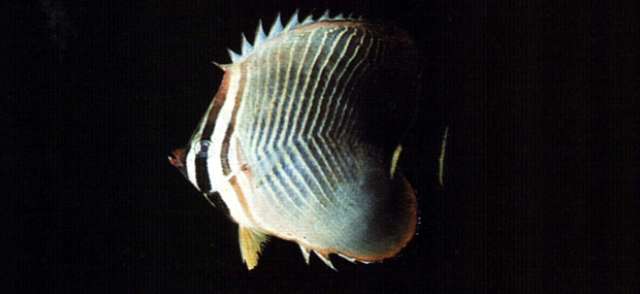


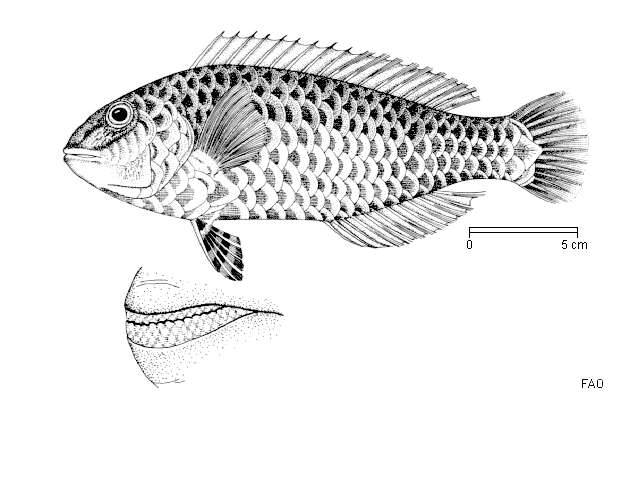
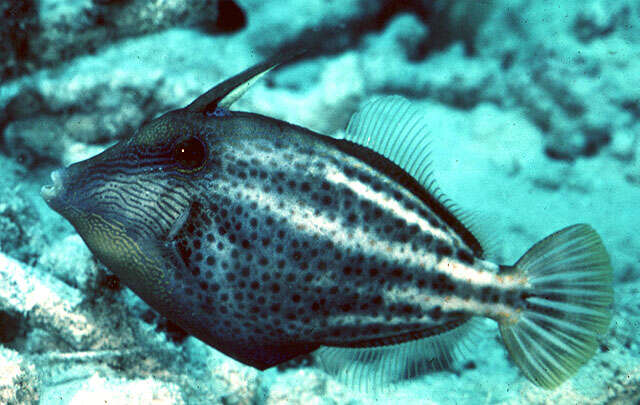

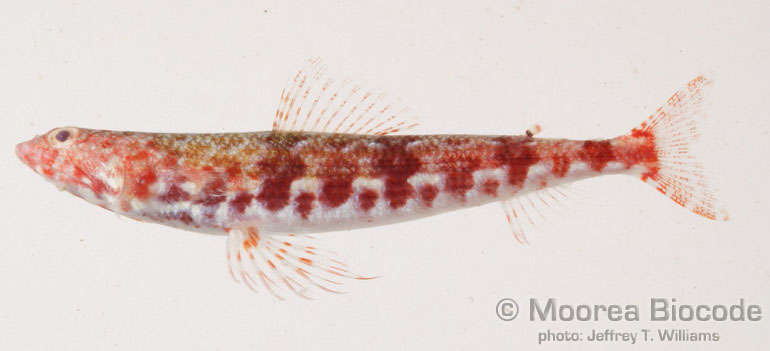

Species Identified
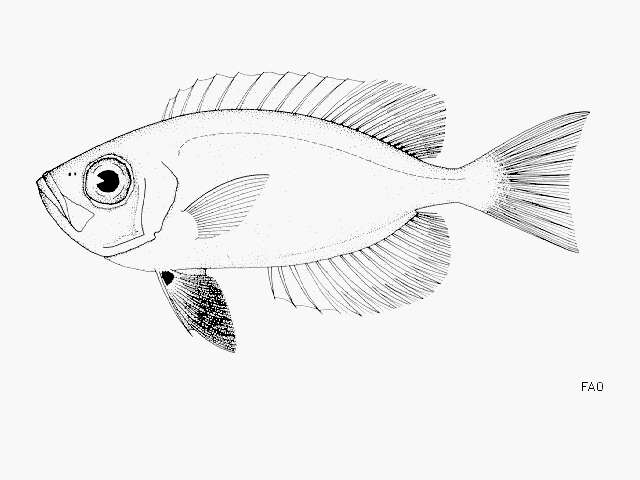
Priacanthus arenatus Cuvier, 1829 (Atlantic bigeye)
Found on coral reefs and rocky bottoms . Forms small aggregations near the bottom . A nocturnal feeder , feeds mainly on small fishes, crustaceans and polychaetes . Most of its prey are larvae. Flesh considered excellent quality; marketed fresh .
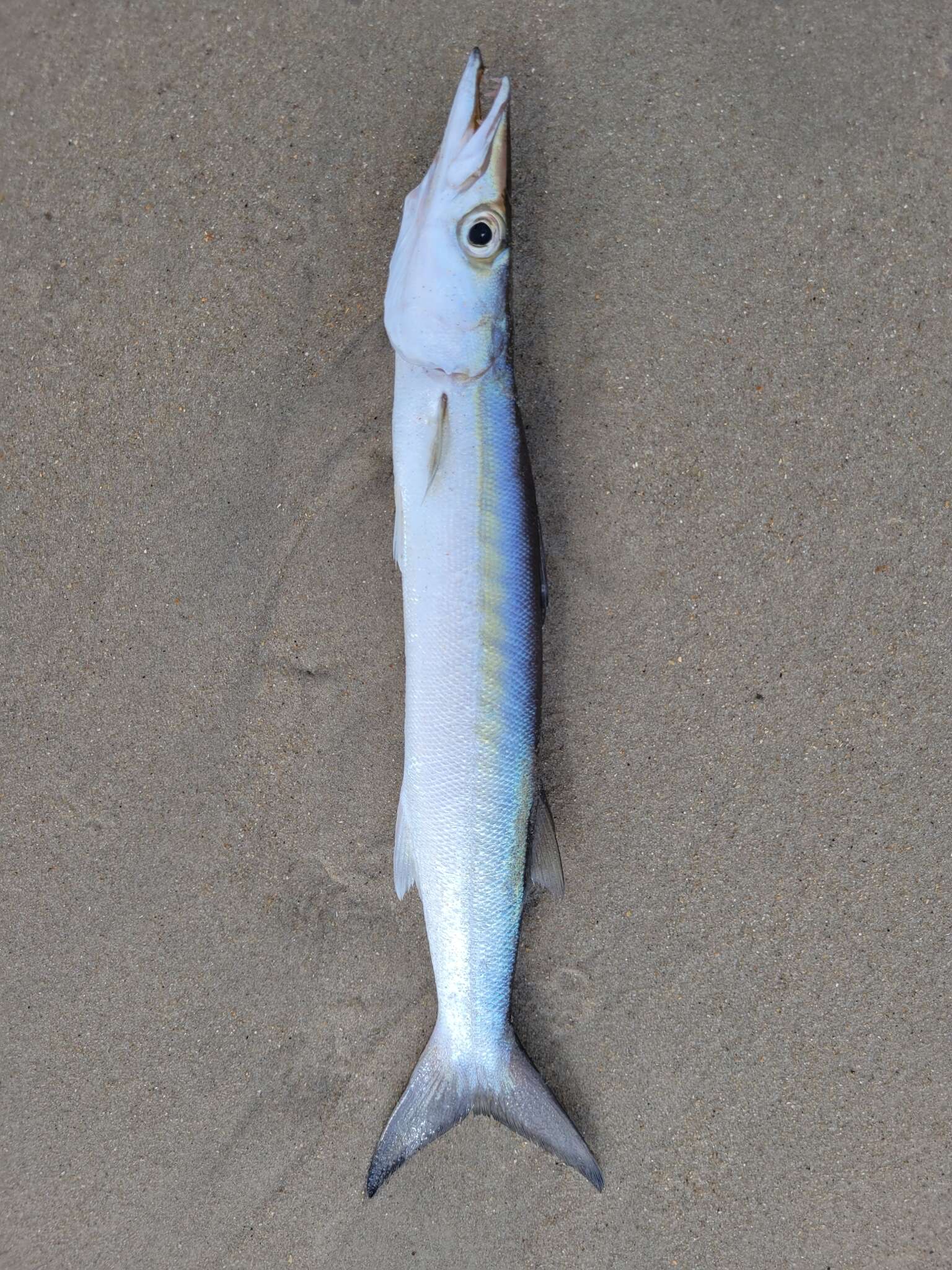
Sphyraena barracuda (Edwards, 1771) (Alho)
Sphyraena guachancho Cuvier, 1829 (Guachanche barracuda)
Occurs in shallow and generally turbid coastal water over muddy bottoms, often around river estuaries. Schooling species . Feeds on mainly on fishes belonging to the Engraulidae, Clupeidae, Lutjanidae and Synodontidae fa...
Read More
Read More
Balistes capriscus Gmelin, 1789 (gray triggerfish)
Canthidermis maculata (Bloch, 1786) (Spotted oceanic triggerfish)
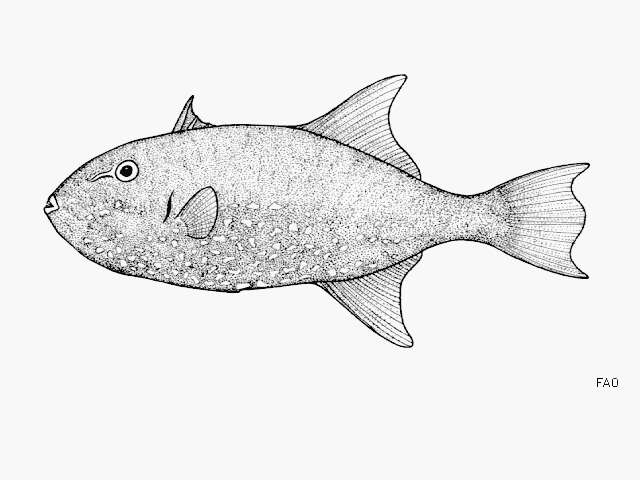
Acanthostracion guineensis (Bleeker, 1865)
Occurs on the shelf .
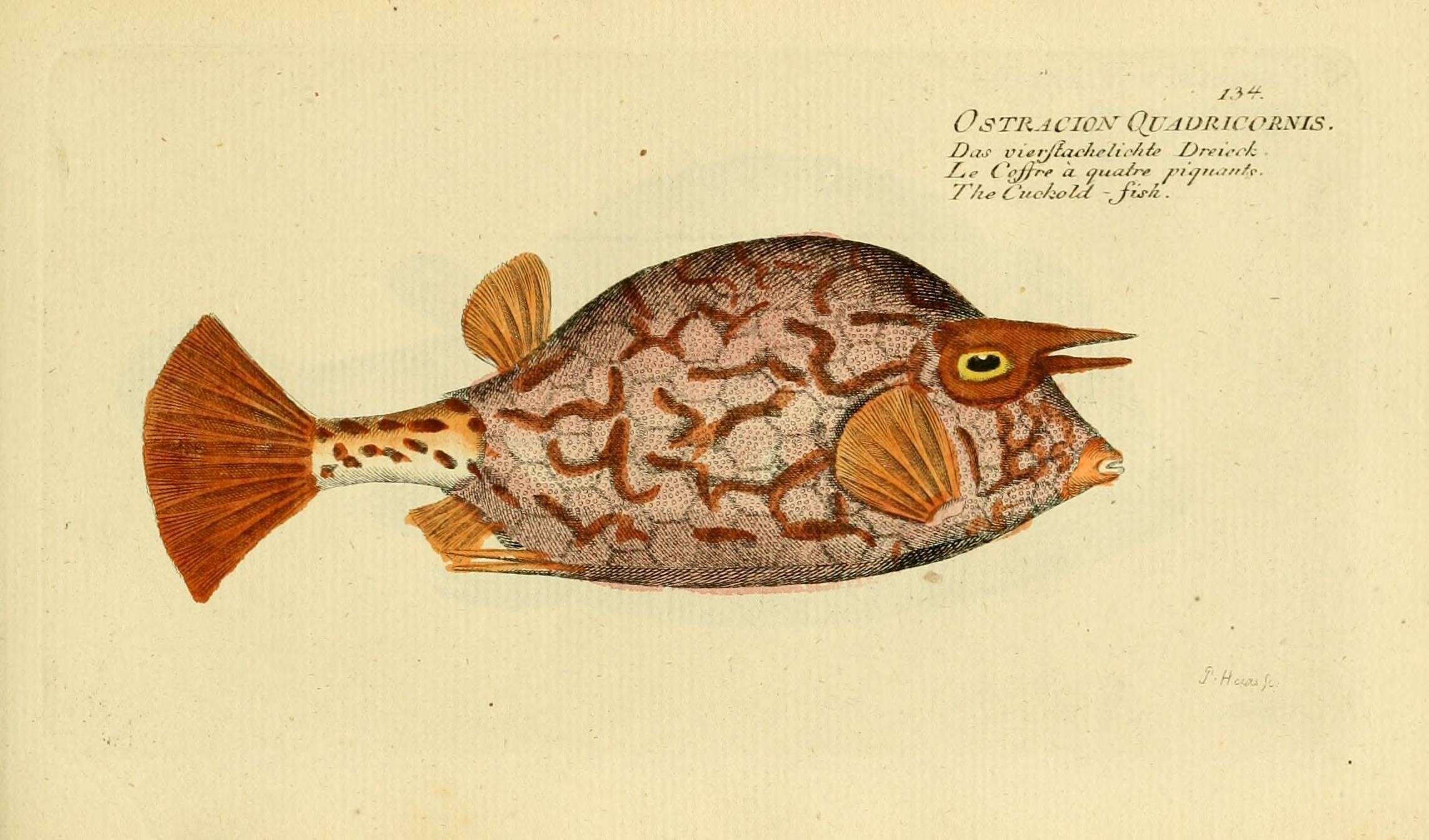
Acanthostracion quadricornis (Linnaeus, 1758) (Cowfish)
Found in shallow water down to about 80 m, mainly in seagrass beds . Feeds on sessile invertebrates such as tunicates, gorgonians and anemones, as well as on slow-moving crustaceans, sponges , hermit crabs and marine plants . Oviparous . Considered an excellent food fish; marketed fresh .
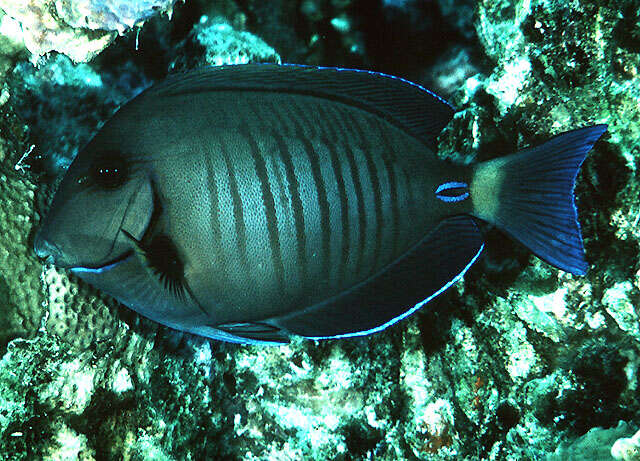
Acanthurus chirurgus (Bloch, 1787) (Black doctorfish)
Inhabits shallow reefs or rocky areas. Found in loose aggregations . Mainly diurnal. Ingests sand when feeding on algae . The spine on both sides of the caudal peduncle may inflict painful wounds . Minimum depth repor...
Read More
Read More
Acanthurus monroviae Steindachner, 1876 (Monrovia doctorfish)
Coastal species found in the mouth of rivers and lagoons . Found on rocky and coral bottoms . Feeds on zooplankton, phytoplankton and detritus . Minimum depth reported from Ref. 27115.
Apogon affinis (Poey, 1875) (Longtooth cardinalfish)
Adults prefer exposed deep reefs and rocky outcroppings . Eggs are incubated orally by both parents . This is the only species in the genus Apogon with mouthbrooding done by males and females .
Chilomycterus antennatus (Cuvier, 1816) (Bridled burrfish)
Occurs usually on or near coral reefs . Rare, most often found from seagrass beds .
Chilomycterus reticulatus (Linnaeus, 1758) (burrfish)
Chaetodon hoefleri Steindachner, 1881 (Four-banded butterflyfish)
Coastal species . Prefer hard or rocky substrate, also trawled on sandy or muddy bottoms . Solitary or comes in pairs when adults, possibly gregarious when young. Feed on bottom invertebrates . Oviparous . Form pairs during breeding .
Prognathodes marcellae (Poll, 1950) (French butterflyfish)
A littoral species. Most specimens were collected on soft bottoms . Minimum depth range reported taken from Ref. 27000. Oviparous . Form pairs during breeding .
Chaetodon baronessa Cuvier, 1829 (Eastern triangular butterflyfish)
Occur in lagoon and seaward reefs. Feed exclusively on the polyps of the tubular Acropora corals. Swim in pairs and are territorial. Oviparous . Form pairs during breeding .
Scarus hoefleri (Steindachner, 1881) (Guinean parrotfish)
Inhabits rocky coastal areas . A herbivorous species with specialized pharyngeal bones and muscles . Occurs in shallow water .
Sparisoma rubripinne (Valenciennes, 1840) (Redfin parrot)
Inhabits coral reefs and seagrass beds. Juveniles or primary-phase fish can rapidly assume a mottled pattern as it comes to rest on the bottom. Spawning is usually a group activity in similarly colored males and females . Feeds on benthic algae and seagrasses . A protogynous hermaphrodite .
Nicholsina usta (Valenciennes, 1840) (Emerald parrotfish)
Sparisoma chrysopterum (Bloch and Schneider, 1801) (Blisterside)
Occurs in coral reefs and adjacent habitats, the young especially in seagrass beds. Juveniles or primary-phase adults rapidly assume a mottled pattern with which they blend with the substratum when they come to rest on the bottom. Feeds on benthic algae and seagrasses.
Sparisoma cretense (Linnaeus, 1758) (parrotfish)
In shallow water along rocky shores. Feed on algae and small invertebrates . Herbivore species with specialized pharyngeal bones and muscles . Breeding occurs from July to September, with juveniles recruiting in late summer in Portugal .
Cantherhines pullus (Ranzani, 1842) (chivo)
Found in shallow water and around coral and rocky reefs . Usually remains near the bottom, hiding among gorgonians and branching coral . Feeds on bottom growth, primarily sponge and algae, but stomach often contain tunic...
Read More
Read More
Alphestes multiguttatus (Günther, 1867) (Hamlet)
Synodus variegatus (Lacepède, 1803) (Variegated lizardfish)
Inhabits deep lagoon and seaward reefs to depths over 40 m ; sometimes found on sandy bottoms concealing itself in the sand. Prefers to rest on hard surfaces and frequently occurs in pairs . Benthic . Feeds on small fis...
Read More
Read More
Caranx lugubris Poey, 1860 (Black jack fish)
Share on Social Networks
- Facebook:

personalize your shared text as well as its destination (wall, page...) or send as a private message to a friend
- Twitter: Tweet personalize your tweet
- Google Plus:
Direct link to this dive
- Long link:
- Short link:


 We are participating today in the startup contest Techcrunch Disrupt. Support Diveboard by voting for us!


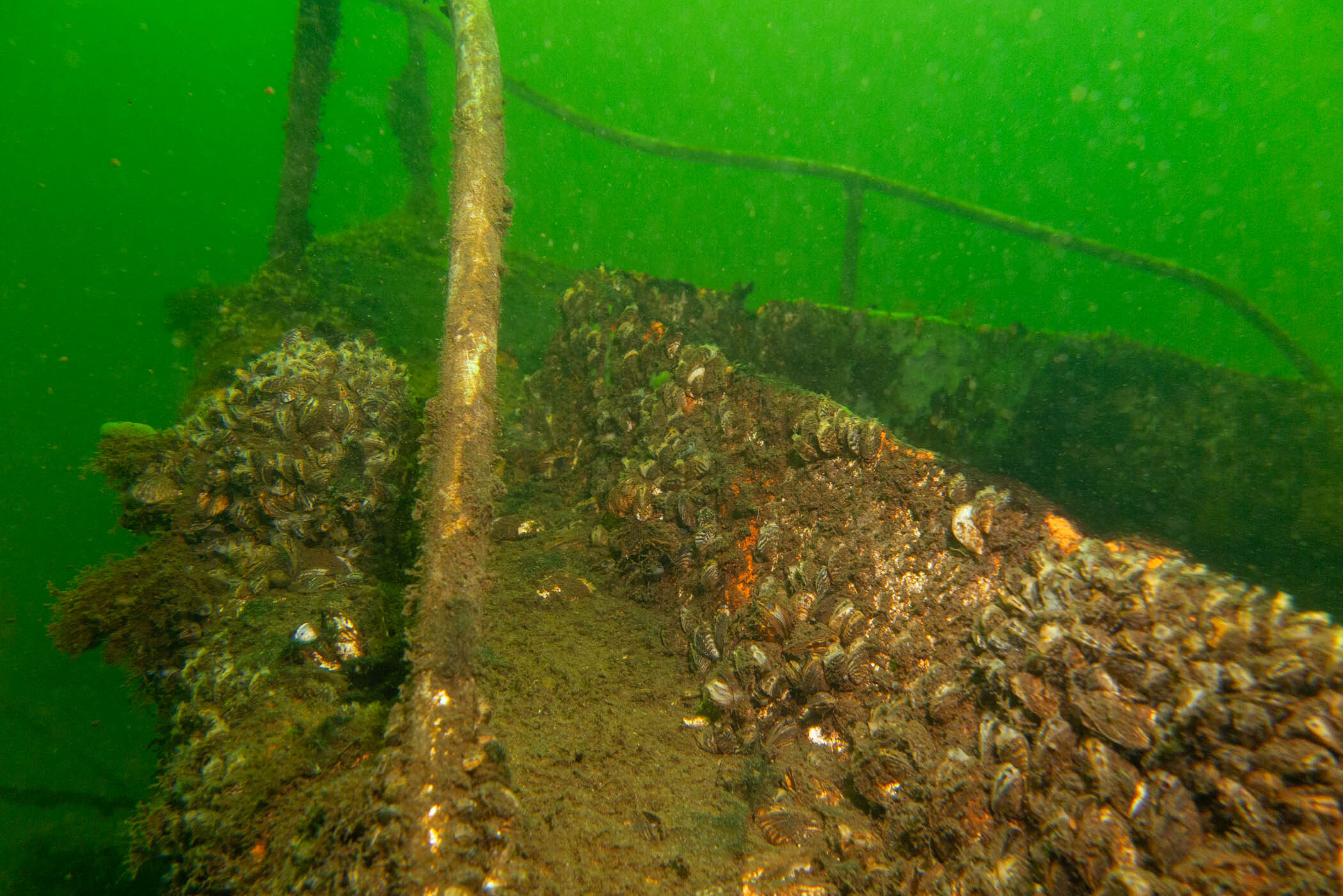
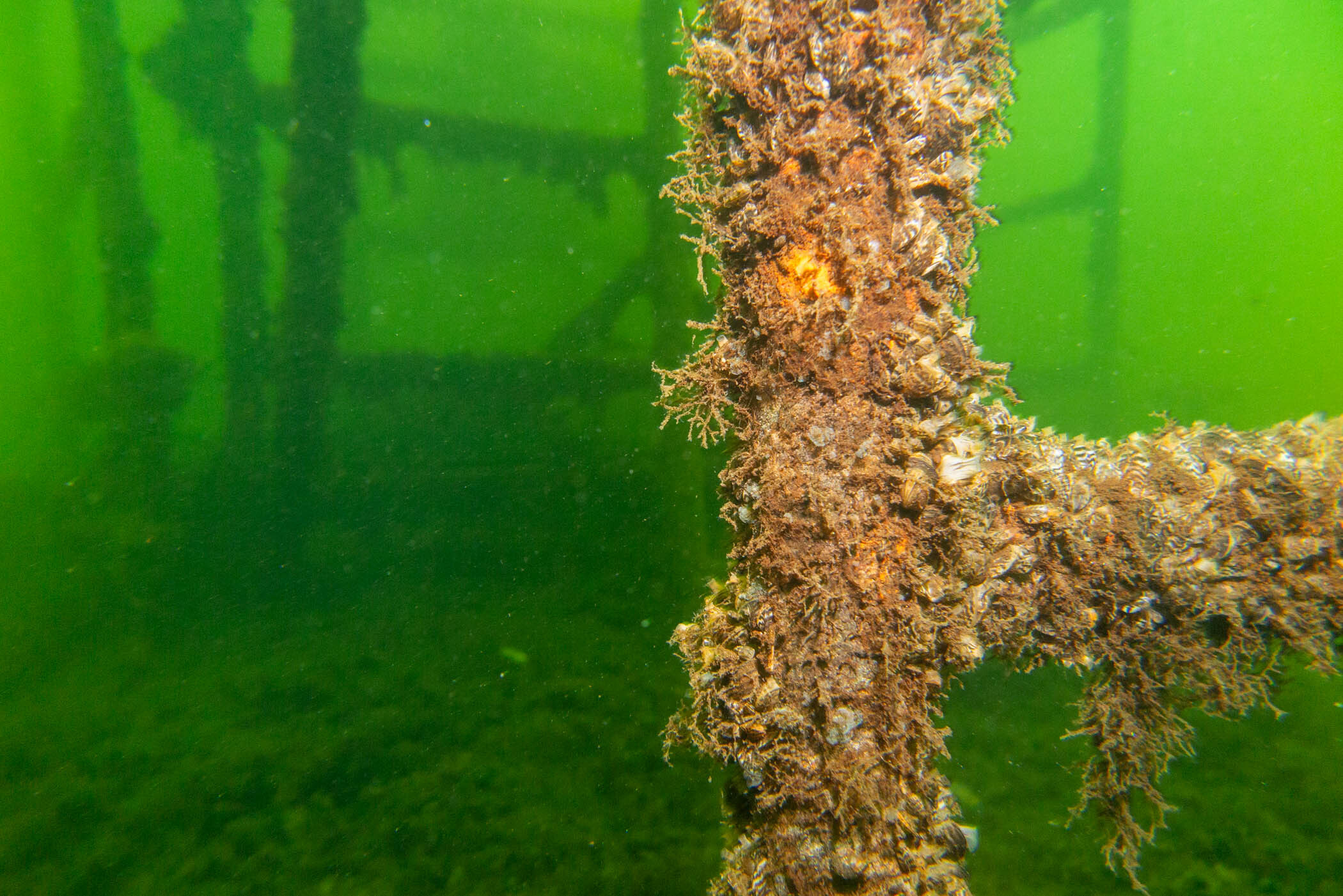
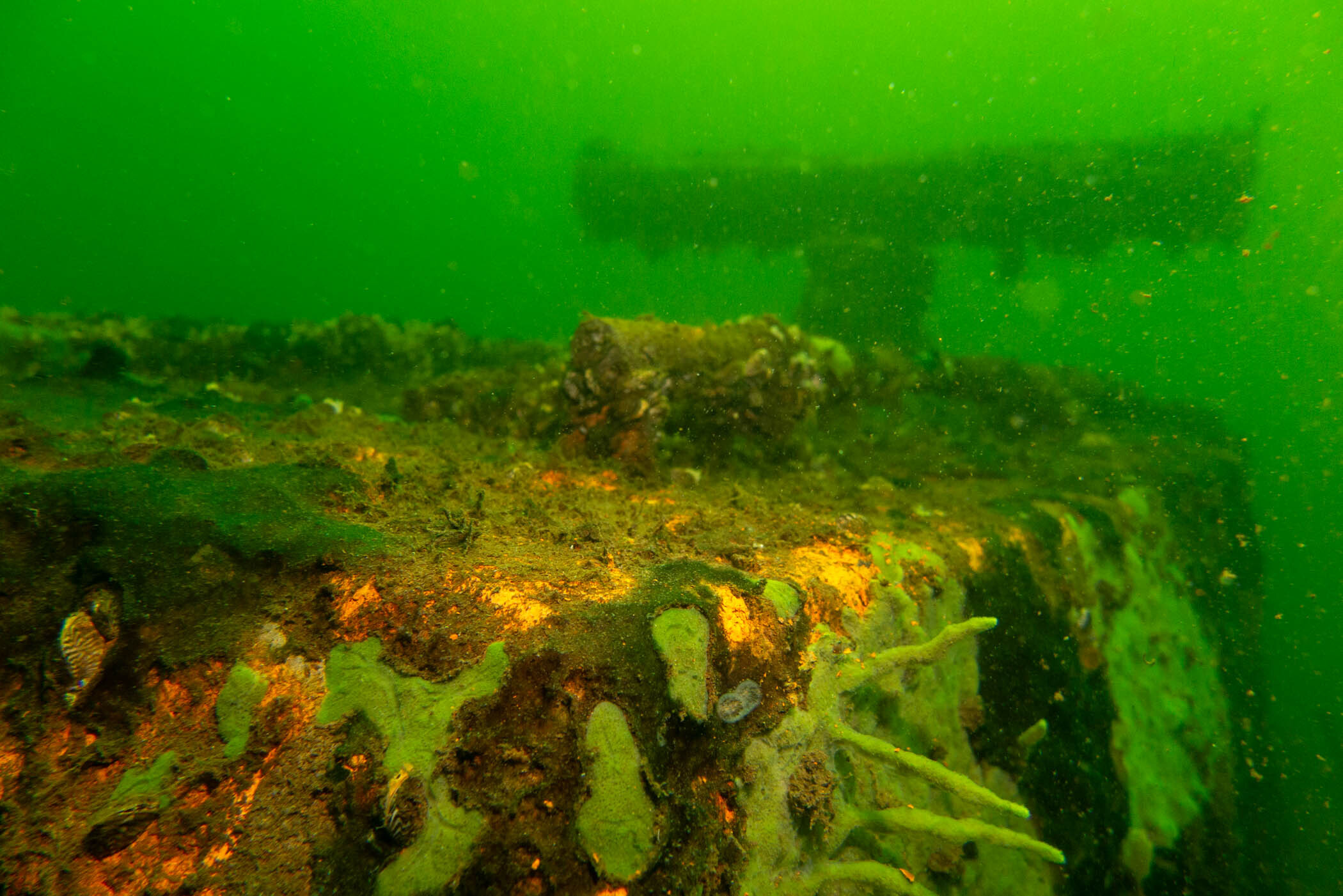
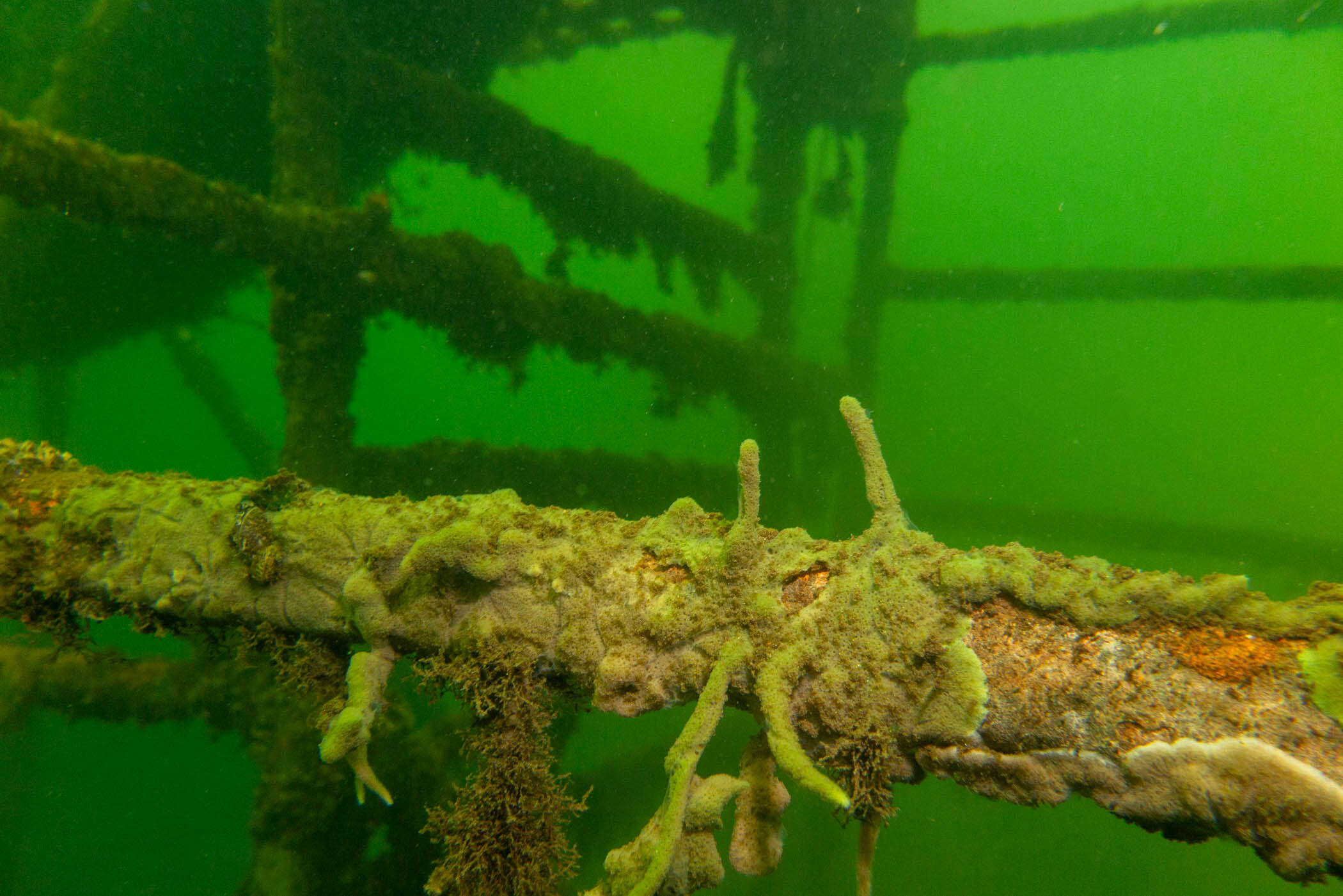























































































1ere plongee de l annee et 1ere plongee en egypte avec lui pour ses 56 ans,1ere plongee au nitrox, he oui c est le jour de son anniversaire et notre 51eme plongee ensemble,avec monica la dive master,des vagues,du courant,pas de visi au depart,recif coralien de toute beaute,au menu,banc de petits barracudas,enorme thon,banc de carrangues,diodons,tetrodons,perroquets de toutes les couleurs,cochets,baliste bleu et un titan,raie pastenague a taches bleus,clowns,scorpion 70cm,rascasses volantes,baliste picasso,merous celestes,chirurgiens,monica nous montre plein de chose,elle est super,bref de la vrai belle plongee