


 Finn Harzheim

 Micronesia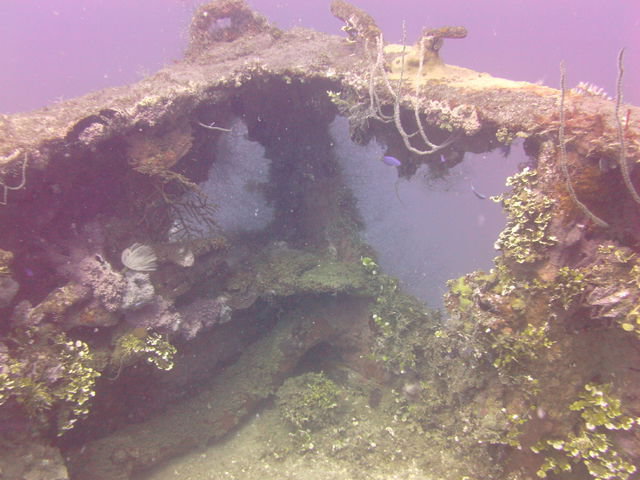
-
Nº83
 Date: 2012-10-16
-
 Max Depth: 27.4m Duration: 53mins
Dive Location

- Temp: Surf 30°C Bottom 29°C
- Dive type : Wreck
- Visibility: Good Water: Salt
Specific gear used
- Weights: 6 kg
Recent Divers in Chuuk Lagoon Micronesia
Recent Pictures in Chuuk Lagoon Micronesia
Dive Shop & Buddies
 Dive with Gitachy from Ss Thorfinn
 Dive buddies:
Yvonne Harzheim
Dive buddies:
Yvonne Harzheim

Link to this spot:
- Spot:
- Country:
- Area:
- Body of water:
Dive Profile
- 1. Nitrox 0
- 12L Aluminium 207 → ? bar
- Average depth: 18.3m
Data provided by EOL.org
Species Identified
Share on Social Networks
- Facebook:

personalize your shared text as well as its destination (wall, page...) or send as a private message to a friend
- Twitter: Tweet personalize your tweet
- Google Plus:
Direct link to this dive
- Long link:
- Short link:


 We are participating today in the startup contest Techcrunch Disrupt. Support Diveboard by voting for us!
























































































The Fujikawa Maru was originally built in 1938 for the Toyo Kaiun Kisen Kaisha and was requisitioned by the Imperial Japanese Navy during World War II for use as an armed aircraft transport or ferry.
The Fujikawa Maru was requisitioned in 1940 by the Japanese Navy, and was based in Indo-China under the command of the 11th Fleet. She saw service in the Battle of Midway as part of AiRon 7. On 12 September 1943 she was hit by a torpedo fired by the U.S. Submarine Permit, and returned to Japan for repairs. Subsequently on 5 December 1943 she was hit by torpedo bombers from the USS Yorktown suffering minor damage. From thence she was taken to Truk Lagoon (now Chuuk Lagoon) in the Federated States of Micronesia, to undergo repairs.
On 17–18 February 1944 she was hit repeatedly by US bombers and torpedo bombers as part of Operation Hailstone, before she finally sank on 18 February at approximately 7.15am.
Type: Transport
Displacement: 6,938 long tons (7,049 t)
Length: 437.4 ft (133.3 m)
Beam: 58.5 ft (17.8 m)
Draught: 26 ft (7.9 m)
Speed: 13.5 knots (25.0 km/h)
Range: 5000 nm @ 13.5 knots
(6,700 km at 26 km/h)
Complement: 162
Service record
Operations: Battle of Midway, Operation Hailstorm
The Fujikawa Maru was originally built in 1938 for the Toyo Kaiun Kisen Kaisha and was requisitioned by the Imperial Japanese Navy during World War II for use as an armed aircraft transport or ferry.
She was sunk in Truk Lagoon during Operation Hailstone and is now a leading wreck diving site for scuba divers.
Contents
[hide] 1 History
2 Dive site
3 See also
4 References
5 Footnotes
History[edit]
The Fujikawa Maru was requisitioned in 1940 by the Japanese Navy, and was based in Indo-China under the command of the 11th Fleet. She saw service in the Battle of Midway as part of AiRon 7. On 12 September 1943 she was hit by a torpedo fired by the U.S. Submarine Permit, and returned to Japan for repairs. Subsequently on 5 December 1943 she was hit by torpedo bombers from the USS Yorktown suffering minor damage. From thence she was taken to Truk Lagoon (now Chuuk Lagoon) in the Federated States of Micronesia, to undergo repairs.
On 17–18 February 1944 she was hit repeatedly by US bombers and torpedo bombers as part of Operation Hailstone, before she finally sank on 18 February at approximately 7.15am.
The Fujikawa Maru is regarded as the best scuba diving site in Truk Lagoon by both of the principal authors who have undertaken comprehensive surveys of the lagoon, Dan E. Bailey[1] and Klaus Lindemann.
Amongst the more striking features on the wreck are four disassembled fighter aircraft in one of the forward holds. Three of the aircraft are Zero fighters and the fourth is an A5M "Claude" fighter. The vessel also boasts a 6 inch bow gun, left over from the Sino-Japanese war and retrofitted.