


 Gustavo Beolchi


 Brazil
-
Nº2
 Date: 2012-08-25 - 12:31
-
 Max Depth: 9.5m Duration: 65mins
Dive Location

- Temp: Bottom 17°C
- Dive type : Recreational, Photo
- Visibility: Average Water: Salt
Specific gear used
- Weights: 10 kg
Recent Divers in Santos

Recent Pictures in Santos
Dive Shop & Buddies
 Dive with Theo Costa from Aqualander Mergulho
 Dive buddies:
Jupisa

Link to this spot:
- Spot:
- Country:
- Area:
- Body of water:
Dive Profile
- 1. Air
- 11L Aluminium 200 → 50 bar
- Average depth: 4.7m
- SAC: 1.57 bar/min
- RMV: 17.27 L/min
Data provided by EOL.org


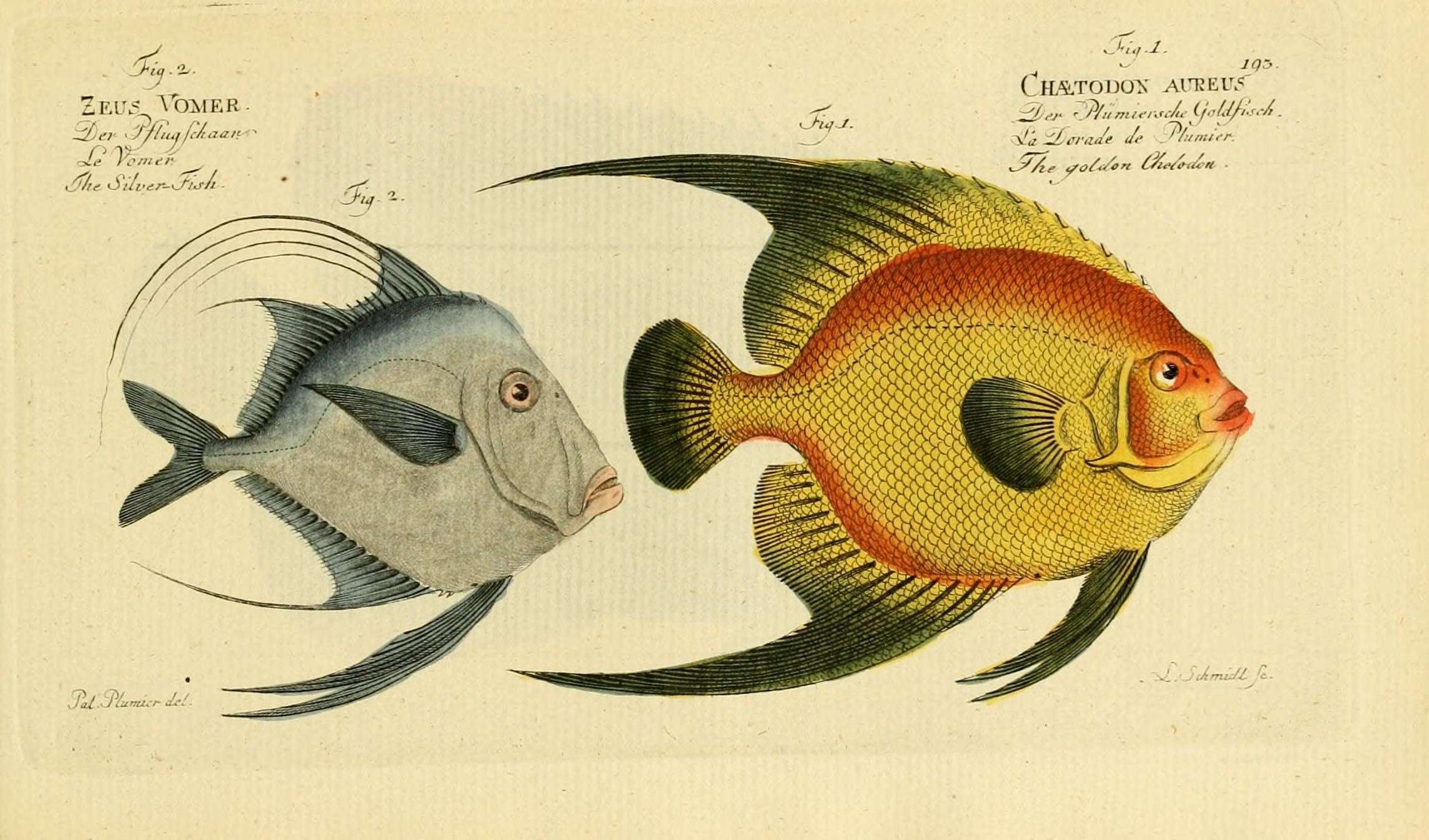


Species Identified
Panulirus (Panulirus)
Parablennius pilicornis (Cuvier, 1829) (Ringneck blenny)
Occurs in rocky shores, often at steep walls of surf-exposed sites . Oviparous . Eggs are demersal and adhesive .
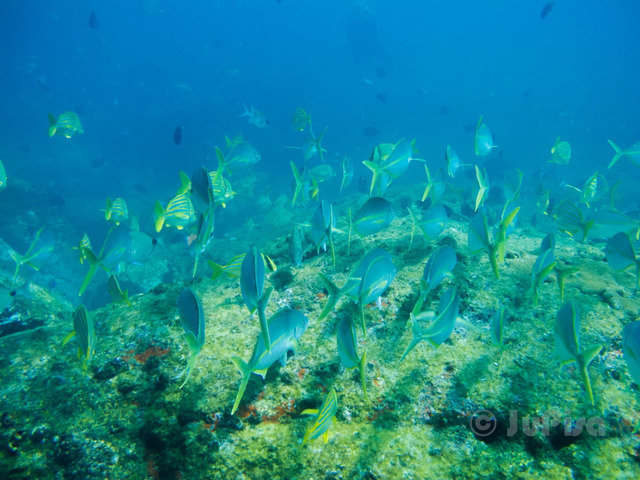
Haemulon aurolineatum Cuvier, 1830 (Tomtate grunt)
Inhabits seagrass beds, sand flats, and patch reefs . Forms schools . Feeds on small crustaceans, mollusks, other benthic invertebrates, plankton, and algae . Marketed fresh and salted .
Pomacanthus paru (Bloch, 1787) (French angelfish)
Common in shallow reefs. Usually in pairs, often near sea fans . Feed on sponges, algae, bryozoans, zoantharians, gorgonians and tunicates . Oviparous , monogamous . Spawning pairs are strongly territorial, with usuall...
Read More
Read More
Dasyatis americana Hildebrand and Schroeder, 1928 (stingaree)
The southern stingray is an active swimmer that feeds primarily at night, on a diet of invertebrates and small fishes. They feeding by flapping their wing-like pectoral fins to disturb the sand, and expose their prey . T...
Read More
Read More
Anisotremus taeniatus Gill, 1861 (Panama porkfish)
Pseudocaranx dentex (Bloch and Schneider, 1801) (underjaw kingfish)
Occur in bays and coastal waters, including estuaries . Juveniles usually inhabit estuaries, bays and shallow continental shelf waters, while adults form schools near the sea bed on the continental shelf . Schools are fo...
Read More
Read More
Aetobatus narinari (Euphrasen, 1790) (Bishop ray)
Large groups of spotted eagle rays may be seen outside of the breeding season. These rays swim close to the surface and can occasionally be seen jumping clear out of the water (known as 'breaching') . Females give birth to...
Read More
Read More
Share on Social Networks
- Facebook:

personalize your shared text as well as its destination (wall, page...) or send as a private message to a friend
- Twitter: Tweet personalize your tweet
- Google Plus:
Direct link to this dive
- Long link:
- Short link:


 We are participating today in the startup contest Techcrunch Disrupt. Support Diveboard by voting for us!
























































































