


 John


 United States

-
Nº116
 Date: 2012-09-03 - 07:52
-
 Max Depth: 28m Duration: 52mins
Pictures

No pictures for this dive
- Temp: Surf 26°C Bottom 25°C
- Dive type : Recreational, Deep dive, Reef, Photo
- Visibility: Excellent Water: Salt
Specific gear used
- Fins: Mares - SuperChannel
- Regulator: Atomic Aquatics - M1
- Wet suit: Deep Sea - Shorty
- Camera: SeaLife - DC1200
- Lift bag: Carter - 50lb
- Knife: Trilobite - Harness Mount
- Weights: 5 kg
Recent Divers in Kona, HI
Recent Pictures in Kona, HI
Dive Shop & Buddies
 Dive with Mike from Big Island Divers
 Dive buddies:
Paul Myrick

Link to this spot:
- Spot:
- Country:
- Area:
- Body of water:
Dive Profile
- 1. Air
- 10L Aluminium 205 → 42 bar
- Average depth: 13m
- SAC: 1.36 bar/min
- RMV: 13.056 L/min
Data provided by EOL.org


Species Identified
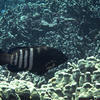
Xanthichthys auromarginatus (Bennett, 1832) (Gilded triggerfish)
Occur in upper margins of current-swept seaward drop-offs and ledges . Current-prone and with rich invertebrate growth such as seawhips. Usually found at moderate depths over 20 meters and occuring in small loose groups ...
Read More
Read More
Gymnothorax meleagris (Shaw, 1795) (Guinea moray eel)
Myliobatis aquila (Linnaeus, 1758) (Common eagle ray)
Found in shallow lagoons , bays and estuaries; also offshore down to at least 95 m . Often found in groups . Feeds on benthic crustaceans, mollusks and fish. Ovoviviparous . Gestation period of 6-8 months, the females ...
Read More
Read More
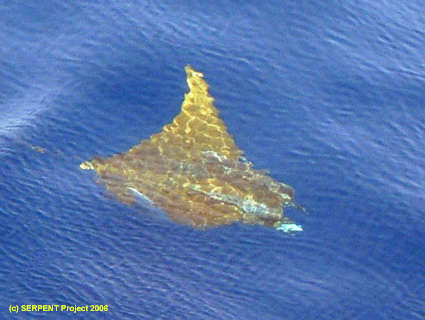
Manta birostris (Walbaum, 1792) (Giant manta)
Manta rays are generally solitary, although loose aggregations of individuals may occur where there are abundant food sources or during the breeding season. When ready to mate, a male will bite his mate's pectoral fin to p...
Read More
Read More
Share on Social Networks
- Facebook:

personalize your shared text as well as its destination (wall, page...) or send as a private message to a friend
- Twitter: Tweet personalize your tweet
- Google Plus:
Direct link to this dive
- Long link:
- Short link:


 We are participating today in the startup contest Techcrunch Disrupt. Support Diveboard by voting for us!
























































































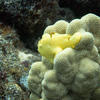
First dive off of the Big Island in Hawaii. Interesting pipe sunk off of the coast by a research station. The pipe goes very deep. I went inside down to around 87' and then came back. It is sealed off half way down. The reef's around Kona are spectacular. Easily the most abundant coral I have ever seen. Saw a few eels and took some photos. There was even a manta ray and spotted eagle ray. PJ had trouble clearing his ear below 80'.