


 Kingsrook14


 India

-
Nº6
 Date: 2013-01-23 - 11:44
-
 Max Depth: 14.3m Duration: 72mins
Pictures

No pictures for this dive
- Temp: Surf 28°C Bottom 28°C
- Dive type : Recreational
- Visibility: Good Water: Salt
Specific gear used
- Weights: 3 kg
Dive Shop & Buddies
 Dive with Vikas from Dive India Scuba & Resorts

Link to this spot:
- Spot:
- Country:
- Area:
- Body of water:
Dive Profile
- 1. Air
- 12L Aluminium 200 → 40 bar
- Average depth: 9.5m
Data provided by EOL.org



Species Identified
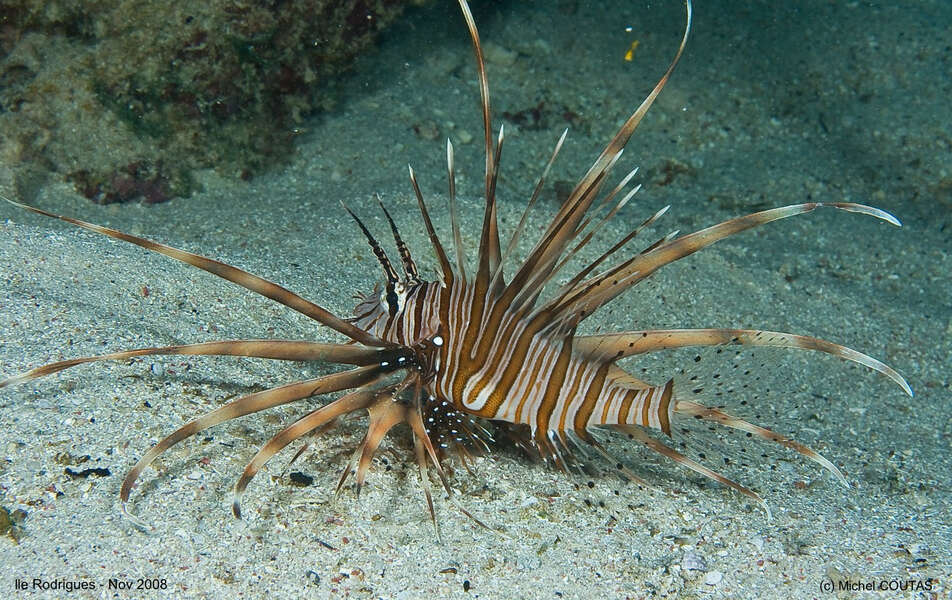
Pterois volitans (Linnaeus, 1758) (Red lionfish)
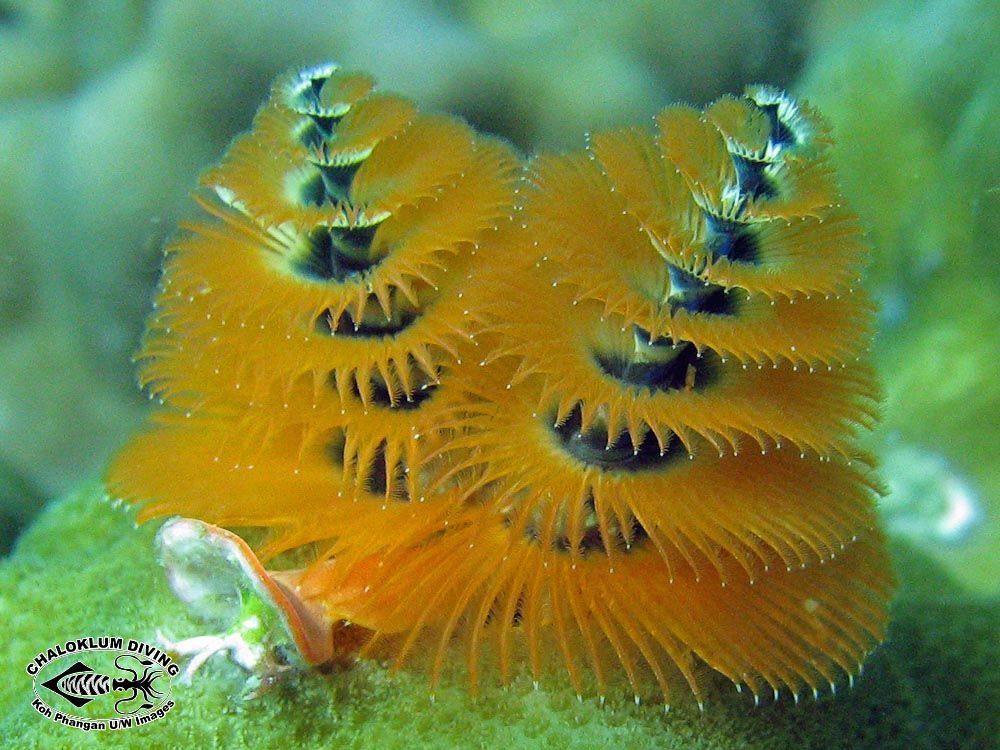
Spirobranchus giganteus (Pallas, 1766) (Christmas Tree Worm)
Aluterus scriptus (Osbeck, 1765) (Unicornfish)
Naso brachycentron (Valenciennes, 1835) (Humpback unicornfish)
Inhabits deep coastal, usually in small groups but occasionally in large schools . An uncommon species found in seaward reef slopes , also along rocky shores . Feeds on benthic algae . Caught with nets .
Pygoplites diacanthus (Boddaert, 1772) (Bluebanded angelfish)
Occurs in coral rich areas of lagoon and seaward reefs to a depth of 48 m or more. Often found in the vicinity of caves and feeds on sponges and tunicates. Solitary or in pairs, or in groups. Frequently exported through the aquarium trade . Rarely survives in the aquarium.
Caranx lugubris Poey, 1860 (Black jack fish)
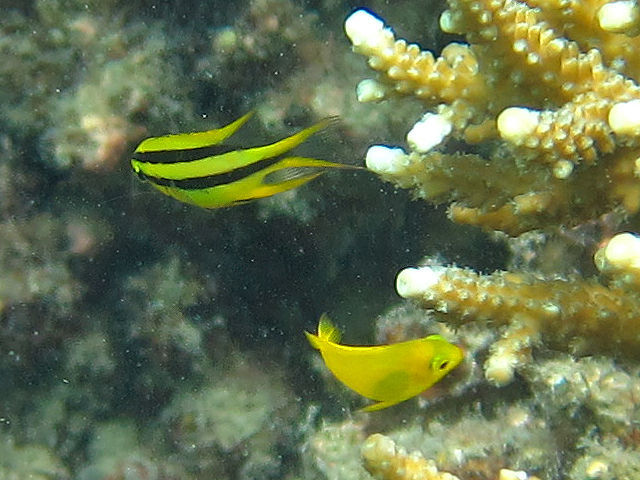
Neoglyphidodon nigroris (Cuvier, 1830) (Yellowfin damsel)
Two forms: long-tailed and black as adults occurs in the Andaman Sea, ranging east to western Bali and north to Japan. Second form, probably valid as N. xanthurus occurs in the rest of the West Pacific and the two overla...
Read More
Read More
Cephalopholis argus Bloch and Schneider, 1801 (Grouper)
A generally common species found in a variety of coral habitats from tide pools to depths of at least 40 m; prefers the 1 to 10 m reef zone. Juvenile prefers shallow, protected coral thickets . Benthic and benthopelagi...
Read More
Read More
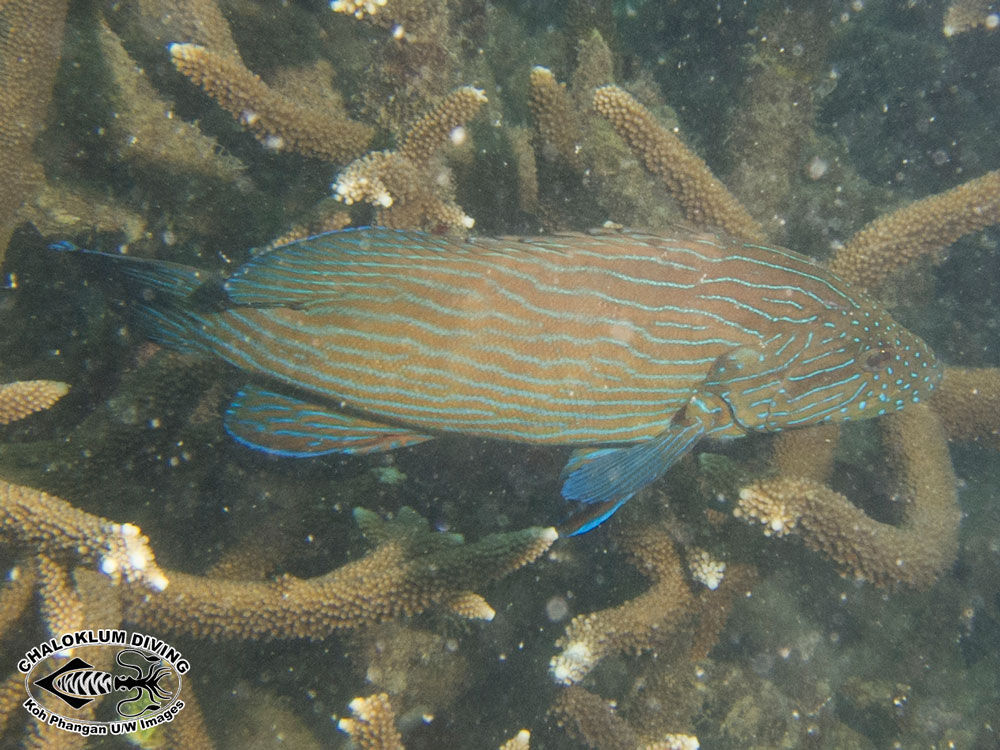
Cephalopholis formosa (Shaw, 1812) (Bluelined rockcod)
Like C. boenak, it prefers shallow dead or silty reefs and this may account for the primarily continental distributions of these two species.
Share on Social Networks
- Facebook:

personalize your shared text as well as its destination (wall, page...) or send as a private message to a friend
- Twitter: Tweet personalize your tweet
- Google Plus:
Direct link to this dive
- Long link:
- Short link:


 We are participating today in the startup contest Techcrunch Disrupt. Support Diveboard by voting for us!
























































































Fun Dive