


 Kingsrook14


 India

-
Nº7
 Date: 2013-04-20 - 08:22
-
 Max Depth: 14.9m Duration: 71mins
Pictures

No pictures for this dive
- Temp: Surf 30°C Bottom 30°C
- Dive type : Recreational, Wreck
- Visibility: Average Water: Salt
Specific gear used
- Weights: 3 kg
Recent Divers in Havelock Island

Dive Shop & Buddies
 Dive with Dive India Scuba & Resorts

Link to this spot:
- Spot:
- Country:
- Area:
- Body of water:
Dive Profile
- 1. Air
- 12L Aluminium 210 → 35 bar
- Average depth: 9.9m
Data provided by EOL.org


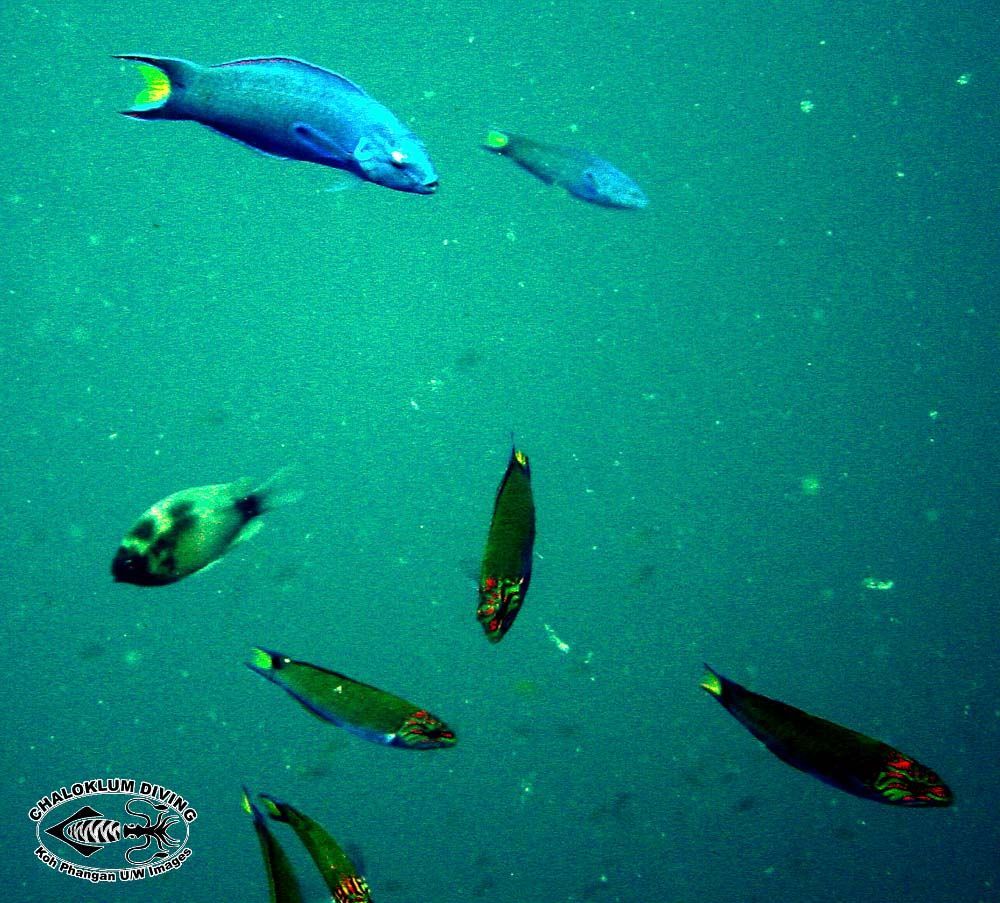

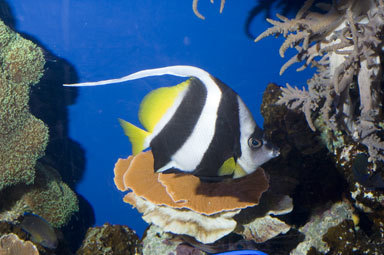


Species Identified
Uraspis uraspis (Günther, 1860) (Whitetongue jack)
Occurs in the continental shelf . Forms schools in depths from 50 to at least 130 m. Feeds on epibenthic crustaceans and cephalopods .
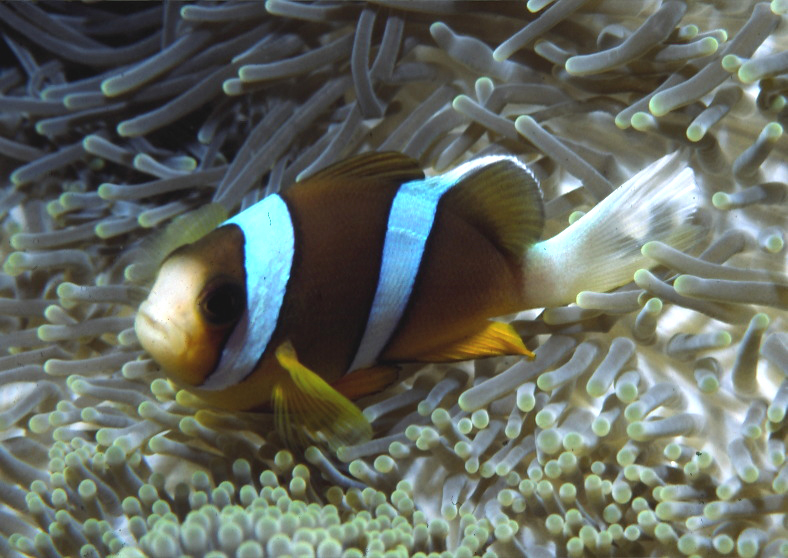
Amphiprion clarkii (Bennett, 1830) (Brown anemonefish)
Inhabits lagoons and outer reef slopes. Omnivorous. Oviparous, with elliptical eggs . Monogamous . Has been reared in captivity . Associated with the anemones: Cryptodendrum adhaesivum, Entacmaea quadricolor, Heterac...
Read More
Read More
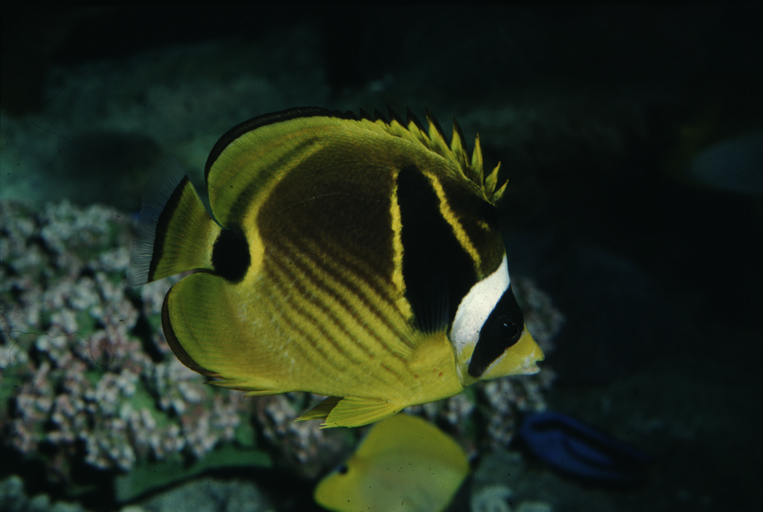
Chaetodon lunula (Lacepède, 1802) (Butterflyfish)
Anampses lineatus Randall, 1972 (Lined wrasse)
Inhabits lagoon and seaward reefs, usually deeper than 20 m to at least 42 m . Juveniles are solitary and adults form small groups, each with several females and a dominant male . Minimum depth reported from Ref. 27115.
Thalassoma lunare (Linnaeus, 1758) (Blue wrasse)
Occurs in the upper portions of lagoon and coastal reefs, and in protected seaward reefs . Enters estuaries . Usually found on upper portions of ledges and heads . Feeds mainly on small benthic invertebrates and fish eggs . A protogynous hermaphrodite .
Labroides dimidiatus (Valenciennes, 1839) (Bluestreak cleaner wrasse)
Inhabits coral rich areas of inner lagoons and subtidal reef flats to seaward reefs . Feeds on crustacean ectoparasites and mucus of other fishes . Monogamous . A protogynous hermaphrodite . Stays in stations where oth...
Read More
Read More
Heniochus acuminatus (Linnaeus, 1758) (Pennant coralfish)
Inhabit deep, protected lagoons and channels, and the deeper parts of outer reef slopes. Juveniles are often solitary while adults occur in pairs . A planktivorous species that generally remains within a few meters of th...
Read More
Read More
Cryptocentrus strigilliceps (Jordan & Seale, 1906) (Target shrimp-goby)
Occurs in silty bottoms of lagoon or coastal reefs . Common near areas with terrestrial runoff . Lives with alpheid shrimps . Found in coastal waters, near reefs on sand with rubble .
Amblyeleotris diagonalis Polunin & Lubbock, 1979 (Diagonal shrimp-goby)
Lives with symbiont alpheid shrimps which prepare and maintain burrows in sand or sand and rubble areas . Found in coastal to outer reef sand slopes .
Parascorpaena mossambica (Peters, 1855) (Mozambique scorpionfish)
Inhabits areas with mixed sand and rubble in reef flats, shallow lagoons, and channels. Hides during the day, ventures out in the open at night. Anterolateral glandular groove with venom gland .
Plectorhinchus chaetodonoides Lacepède, 1801 (Harlequin sweetlips)
Inhabits coral-rich areas of clear lagoon and seaward reefs. Adults are solitary, near and under ledges or caves by day. Juveniles are found among corals . Feeds on crustaceans, mollusks, and fishes at night. Juveniles...
Read More
Read More
Share on Social Networks
- Facebook:

personalize your shared text as well as its destination (wall, page...) or send as a private message to a friend
- Twitter: Tweet personalize your tweet
- Google Plus:
Direct link to this dive
- Long link:
- Short link:


 We are participating today in the startup contest Techcrunch Disrupt. Support Diveboard by voting for us!
























































































MV Mars revisited on fun dive