


 Michael Dyer

 United States
-
Nº50
 Date: 2014-10-18 - 10:01
-
 Max Depth: 14.3m Duration: 37mins
Pictures

No pictures for this dive
- Temp: Surf 22°C Bottom 19°C
- Dive type : Recreational, Photo
- Visibility: Average Water: Fresh
Specific gear used
- BCD: IST Sports - Hydro D
- Mask: Tabata / Tusa - Ceos
- Boots: Tabata / Tusa - DB-400 Imprex
- Camera: GoPro - Hero3 Black Edition
- Regulator: Tabata / Tusa - RS-460II
- Compass: Tabata / Tusa - SCA-360
- Computer: Oceanic - OCi
- Fins: AquaBionic - 1
- Wet suit: Waterproof - W4 5mm
- Weights: 5.4 kg
Dive reviews
| Overall review | ||
| Dive difficulty | ||
| Marine life quality |
Recent Divers in Lake Mohave, Arizona

Recent Pictures in Lake Mohave, Arizona

Dive Shop & Buddies
 Dive with Dive Shack Usa
 Dive Shack USA confirmed the dive with parameters: 14.3m / 37mins
 Dive buddies:
Ron Faithfull
Dive buddies:
Ron Faithfull

Link to this spot:
- Spot:
- Country:
- Area:
- Body of water:
Dive Profile
- 1. Air
- 10L Aluminium 133 → 47 bar
- Average depth: 7.1m
Data provided by EOL.org

Species Identified
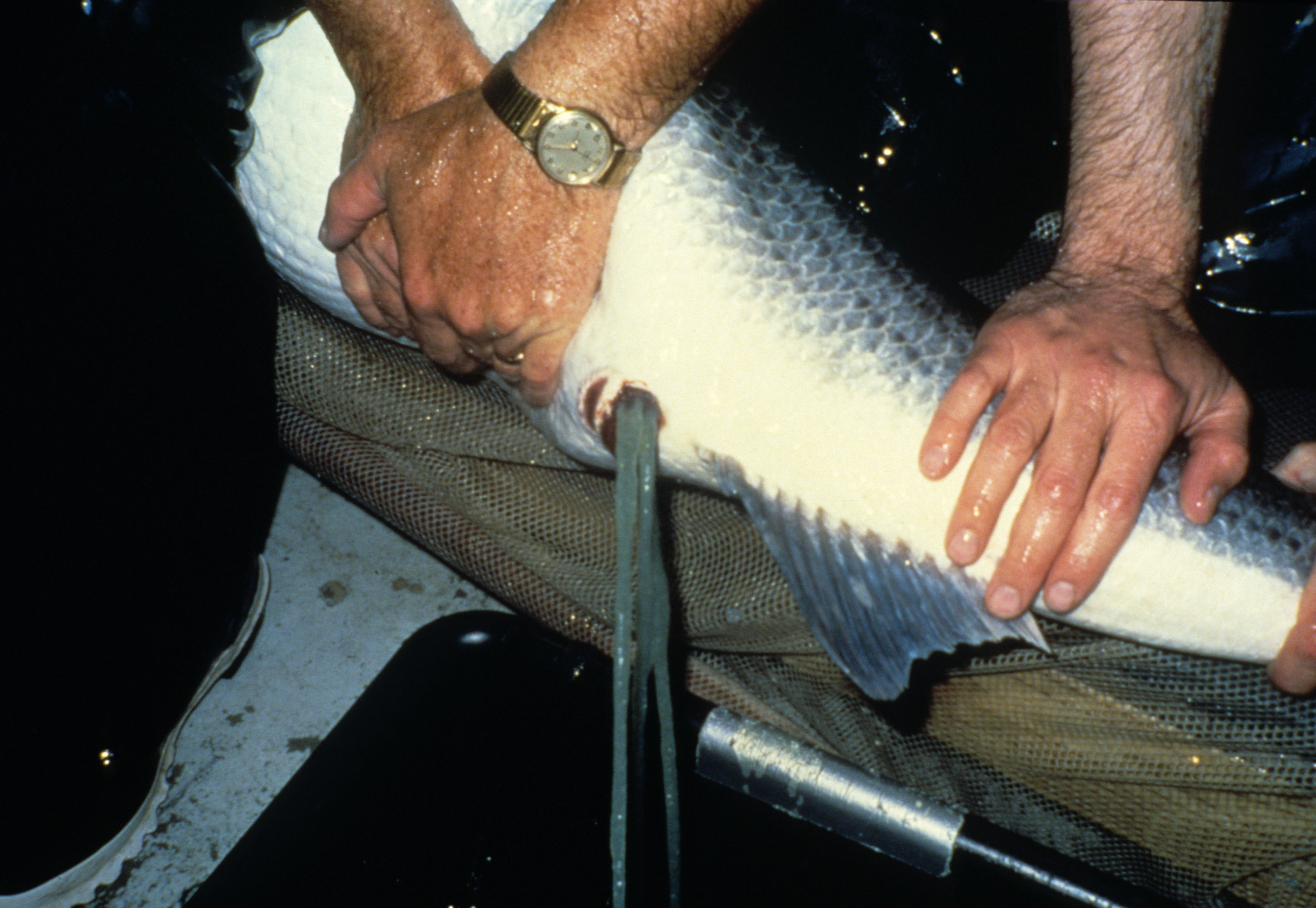
Morone saxatilis (Walbaum, 1792) (Striped sea-bass)
Inhabit coastal waters and are commonly found in bays but may enter rivers in the spring to spawn . Some populations are landlocked . Voracious and opportunistic feeder . Larvae feed on zooplankton; juveniles take in sm...
Read More
Read More
Procambarus clarkii (Girard, 1852) (red swamp crayfish)
Micropterus salmoides (Lacepède, 1802) (American black bass)
Inhabits clear, vegetated lakes, ponds, swamps, and backwaters and pools of creeks and rivers . Usually found over mud or sand and common in impoundments . An introduced species in Europe reported to avoid fast-flowing w...
Read More
Read More
Lepomis macrochirus Rafinesque, 1819 (Sunfish)
Found frequently in lakes, ponds, reservoirs and sluggish streams ; occur primarily in reservoirs in Hawaii; preferably live in deep weed beds . Active mainly during dusk and dawn. Adults feed upon snails, small crayfis...
Read More
Read More
Dreissena bugensis Andrusov, 1897 (quagga mussel)
Cyprinus carpio Linnaeus, 1758 (Common carp)
This species is omnivorous, feeding on aquatic crustaceans, insects, worms, aquatic plants, algae and seeds . Its feeding technique, of grubbing around in the sediment and straining food from the mud, has caused problems i...
Read More
Read More
Share on Social Networks
- Facebook:

personalize your shared text as well as its destination (wall, page...) or send as a private message to a friend
- Twitter: Tweet personalize your tweet
- Google Plus:
Direct link to this dive
- Long link:
- Short link:


 We are participating today in the startup contest Techcrunch Disrupt. Support Diveboard by voting for us!
























































































