


 Marc
Marc

 Netherlands
-
Nº56
 Date: 2015-11-08 - 10:29
-
 Max Depth: 14.9m Duration: 45mins
Pictures

No pictures for this dive
- Surface interval:40 mins
- Temp: Surf 31°C Bottom 28°C
- Dive type : Wreck, Reef
- Visibility: Excellent Water: Salt
Specific gear used
- Wet suit: Neo Sport - 2/5 mm
- Camera: GoPro 4 - GoPro 4
- BCD: Scubapro - TEK
- Boots: scubapro -
- Computer: Oceanic - Pro Plus 2
- Fins: Scubapro - split Fins 16
- Mask: Oceanic -
- Regulator: Scubapro - A700/MK25
- Weights: 2.7 kg
Dive reviews
| Overall review | ||
| Dive difficulty | ||
| Marine life quality | ||
| Wreck |
Recent Divers in Aruba Island
Recent Pictures in Aruba Island
Dive Shop & Buddies
 Dive with Aruba Watersports Center
 Dive buddies:
Robyn
Dive buddies:
Robyn

Link to this spot:
- Spot:
- Country:
- Area:
- Body of water:
Dive Profile
- 1. Air
- 10L Aluminium 190 → 14 bar
- Average depth: 10m
Data provided by EOL.org
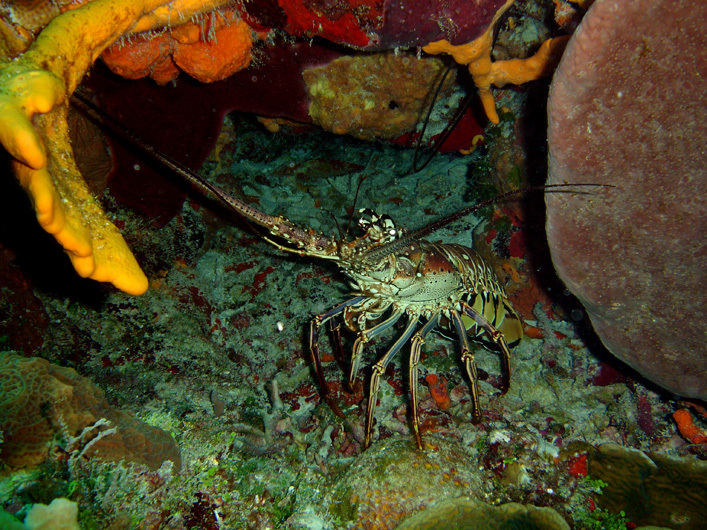
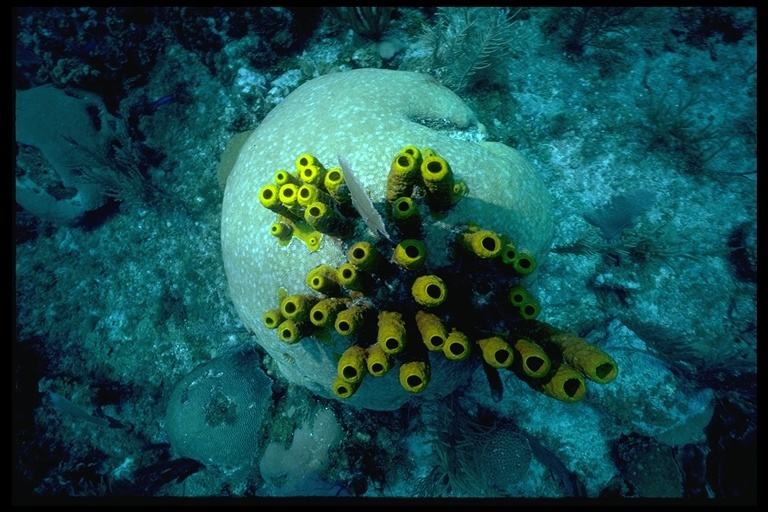

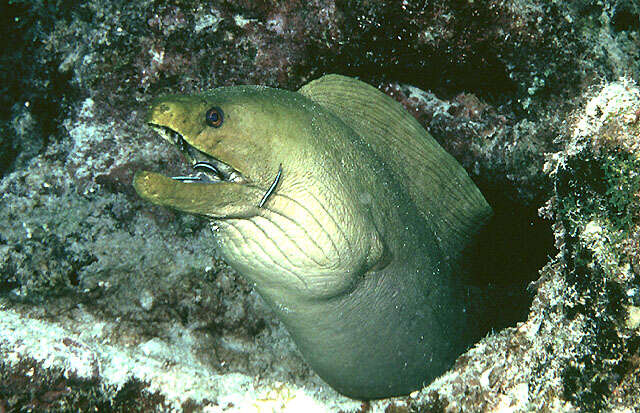
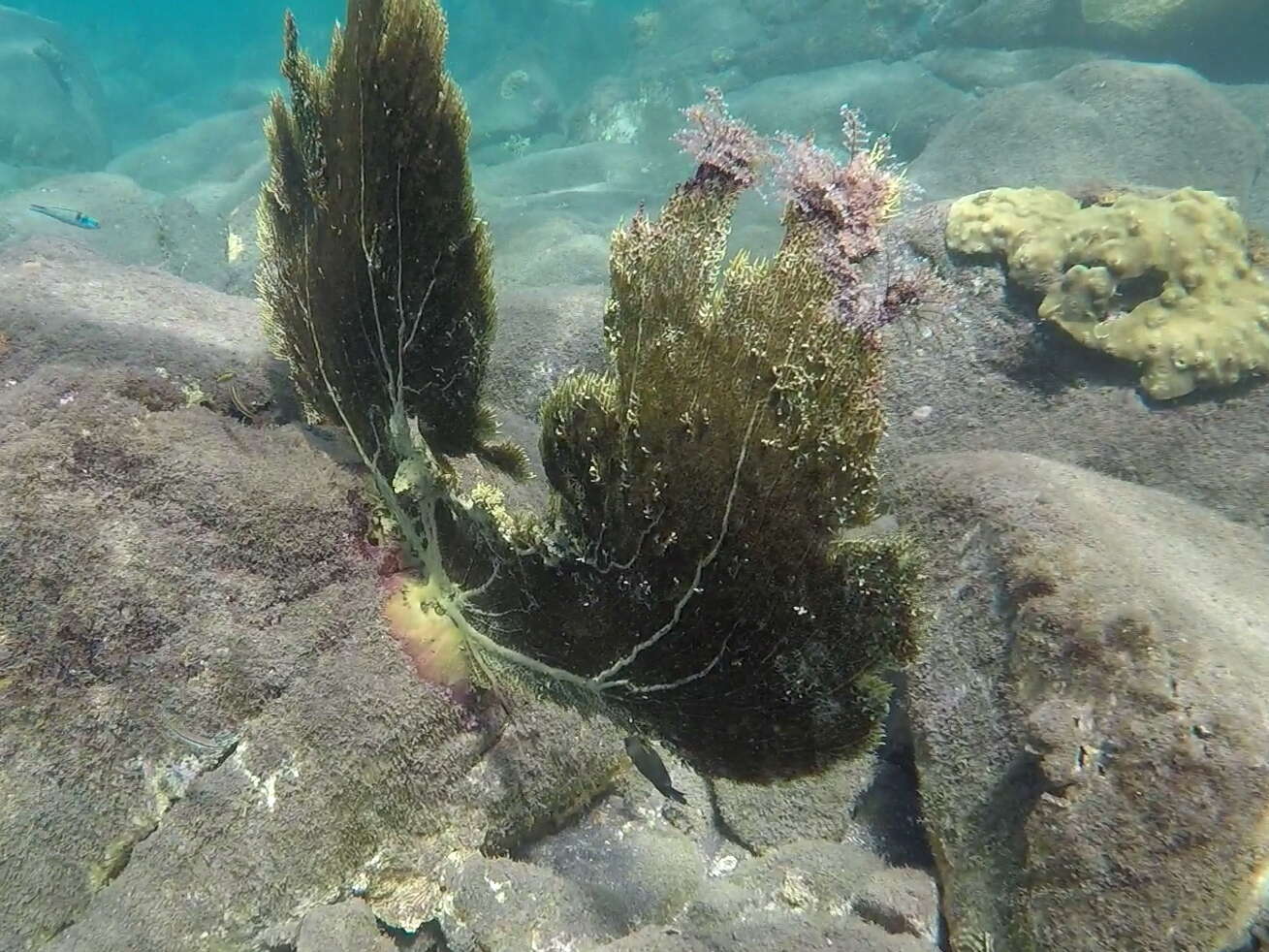


Species Identified
Panulirus argus (Latreille, 1804) (Caribbean spiny lobster)
Aplysina fistularis (Pallas, 1766)
Agelas conifera (Schmidt, 1870)
Gymnothorax funebris Ranzani, 1839 (Green cong)
A benthic and solitary species occurring along rocky shorelines, reefs, and mangroves .Usually found shallower than 30 m . Due to its large size and aggressiveness, the bites of this moray are particularly dangerous . F...
Read More
Read More
Serrivomer lanceolatoides (Schmidt, 1916) (Black saw-toothed eel)
Feeds on crustaceans .
Gorgonia ventalina Linnaeus, 1758 (common sea fan)
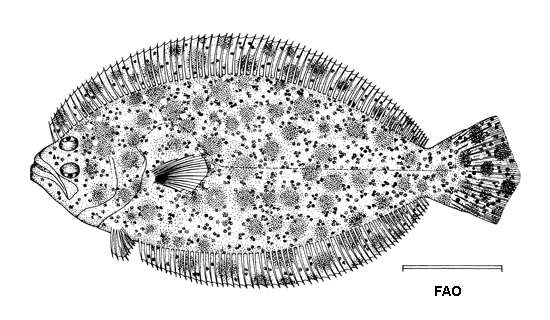
Paralichthys tropicus Ginsburg, 1933 (Tropical flounder)
Found over muddy and sandy bottoms. Marketed fresh.
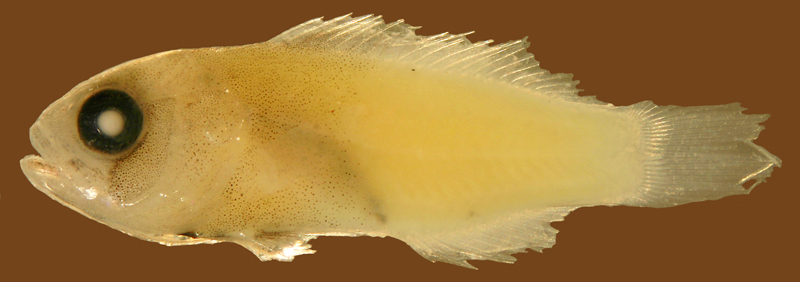
Gramma loreto Poey, 1868 (fairy basslet)
Often found in caves or under ledges. Swim with belly toward substratum, thus under ledges seen upside down. Feed on ectoparasites of other fishes . Males show various types of nest care behavior . Retreat into recesses when alarmed . Have been reared in captivity .
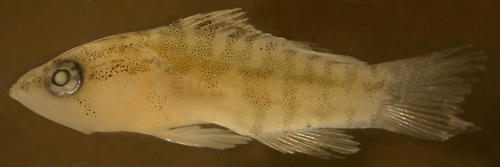
Serranus tigrinus (Bloch, 1790) (Harlequin serranid)
Most common in areas with rock or scattered coral. Solitary or in pairs. Feeds mainly upon crustaceans . Synchronously hermaphroditic. The most common member of the genus .
Pareques acuminatus (Bloch & Schneider, 1801) (Cluck)
Occurs in clear waters of tropical islands, especially near coral reefs, but also in adjacent bays over rough bottom. Also often found under eroded edges of seagrass beds . Has been reared in captivity .
Equetus punctatus (Bloch & Schneider, 1801) (Spooted drum)
Occurs primarily on coral reefs. Secretive and usually solitary, under ledges or near small caves . Often seen during the day around the bases of corals . Feeds at night on crabs, shrimps, and polychaetes. Easily approached . Has been reared in captivity .
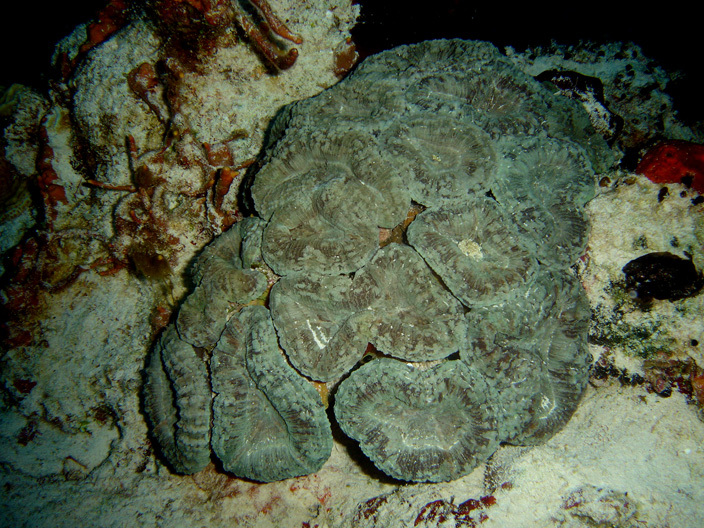
Mussa angulosa (Pallas, 1766) (large flower coral)
zooxanthellate
Share on Social Networks
- Facebook:

personalize your shared text as well as its destination (wall, page...) or send as a private message to a friend
- Twitter: Tweet personalize your tweet
- Google Plus:
Direct link to this dive
- Long link:
- Short link:


 We are participating today in the startup contest Techcrunch Disrupt. Support Diveboard by voting for us!
























































































