


 Marc
Marc

 Netherlands Antilles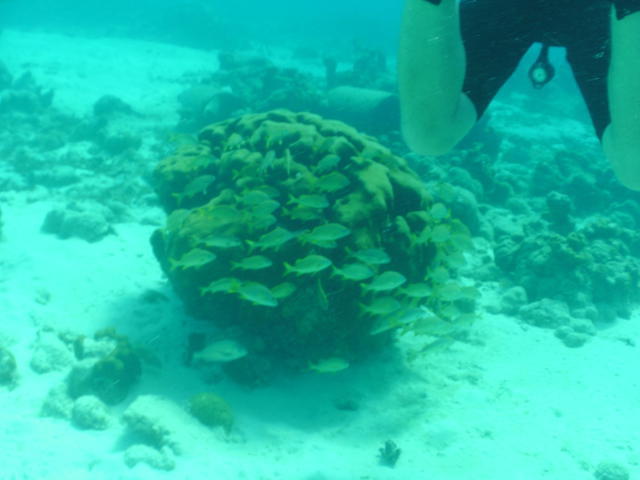
-
Nº48
 Date: 2013-11-14 - 14:11
-
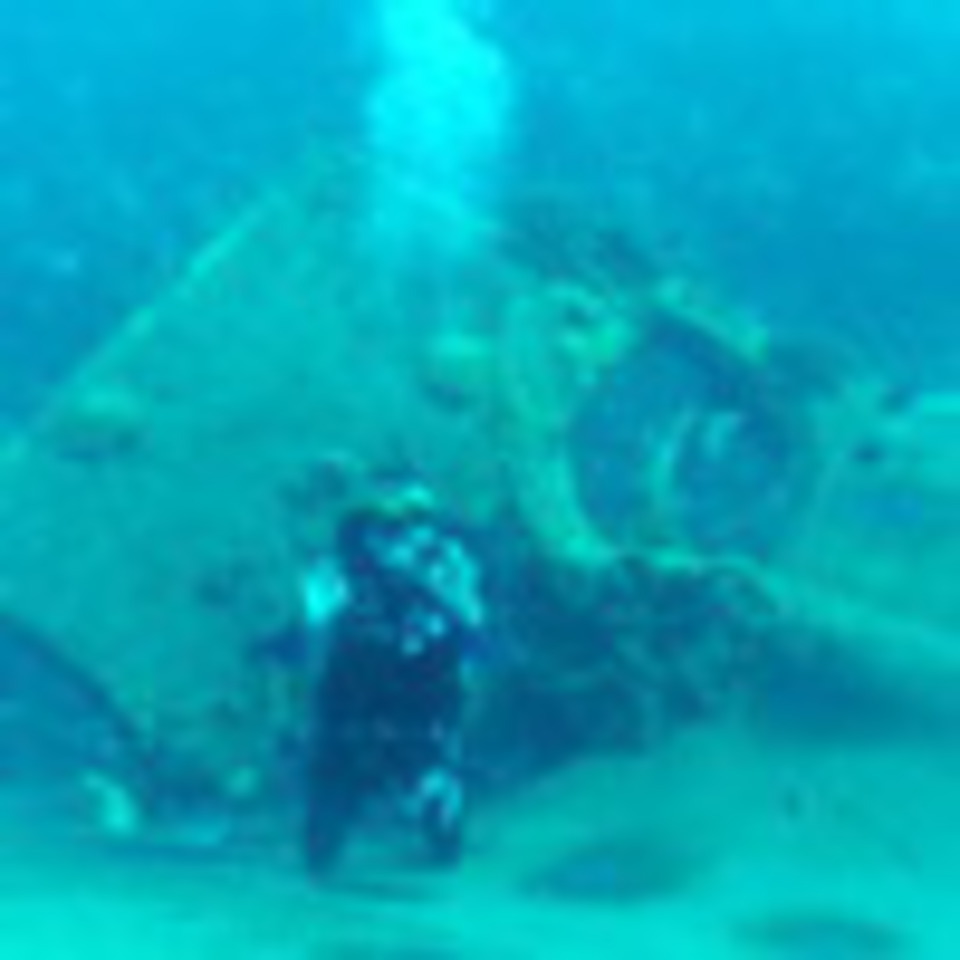
 Max Depth: 12.5m Duration: 50mins
Dive Location

- Surface interval:154 mins
- Temp: Surf 32°C Bottom 28°C
- Dive type : Recreational, Reef, Research
- Visibility: Excellent Water: Salt
Specific gear used
- Wet suit: Neo Sport - 2/5 mm
- BCD: Scubapro - TEK
- Boots: scubapro -
- Camera: SeaLife - DC1200
- Computer: Oceanic - Pro Plus 2
- Fins: Scubapro - split Fins 16
- Mask: Oceanic -
- Regulator: Scubapro - A700/MK25
- Weights: 4.5 kg
Dive reviews
| Overall review | ||
| Dive difficulty | ||
| Marine life quality |
Recent Divers in Bonaire




Recent Pictures in Bonaire
Dive Shop & Buddies
 Dive buddies:
Robyn
Dive buddies:
Robyn

Link to this spot:
- Spot:
- Country:
- Area:
- Body of water:
Dive Profile
- 1. Nitrox 32
- 10L Steel 221 → 34 bar
- Average depth: 8.3m
Data provided by EOL.org






Species Identified
Hippocampus kelloggi Jordan & Snyder, 1901 (Great seahorse)
Deep water species, associated with corals . Ovoviviparous . The male carries the eggs in a brood pouch which is found under the tail .
Hippocampus reidi Ginsburg, 1933 (Slender sea horse)
Uncommon in most areas, but may be locally common in certain places. Usually attached to gorgonians or seagrasses but may occur in floating Sargassum or swimming freely in midwater . Ovoviviparous . The male carries the...
Read More
Read More
Sebastes diploproa (Gilbert, 1890) (Lobe-jawed rockfish)
Common offshore, on soft bottoms . Young occur in shallow water, often at surface under drifting kelp . Viviparous, with planktonic larvae and pelagic juveniles . The biggest individuals are sometimes found in markets where the flesh is sold as rockfish fillet . Rarely caught by anglers .)
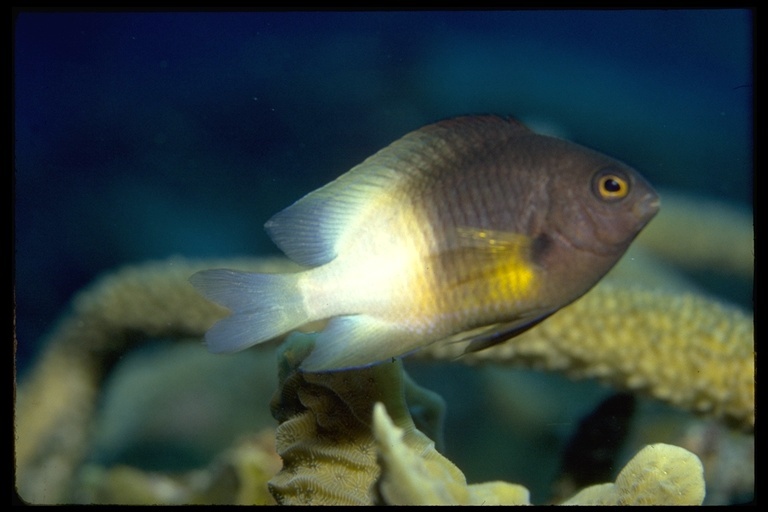
Stegastes partitus (Poey, 1868) (bicolor damselfish)
Inhabits shallow coral reefs and isolated patch reefs in deeper water. Feeds primarily on algae but also on polychaetes, hydroids, copepods and ascidians . Aggressively territorial but only around a small area . Taken incidentally in traps and small-meshed beach nets .
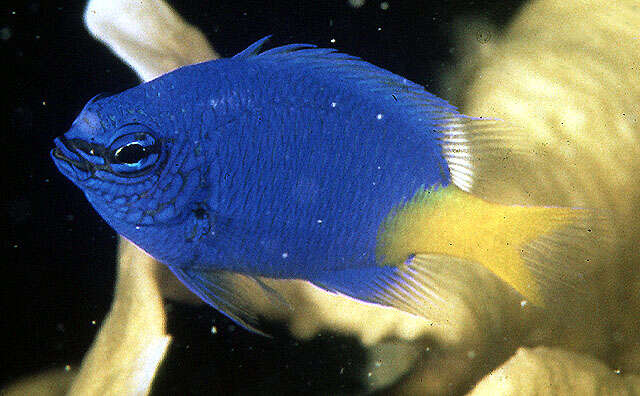
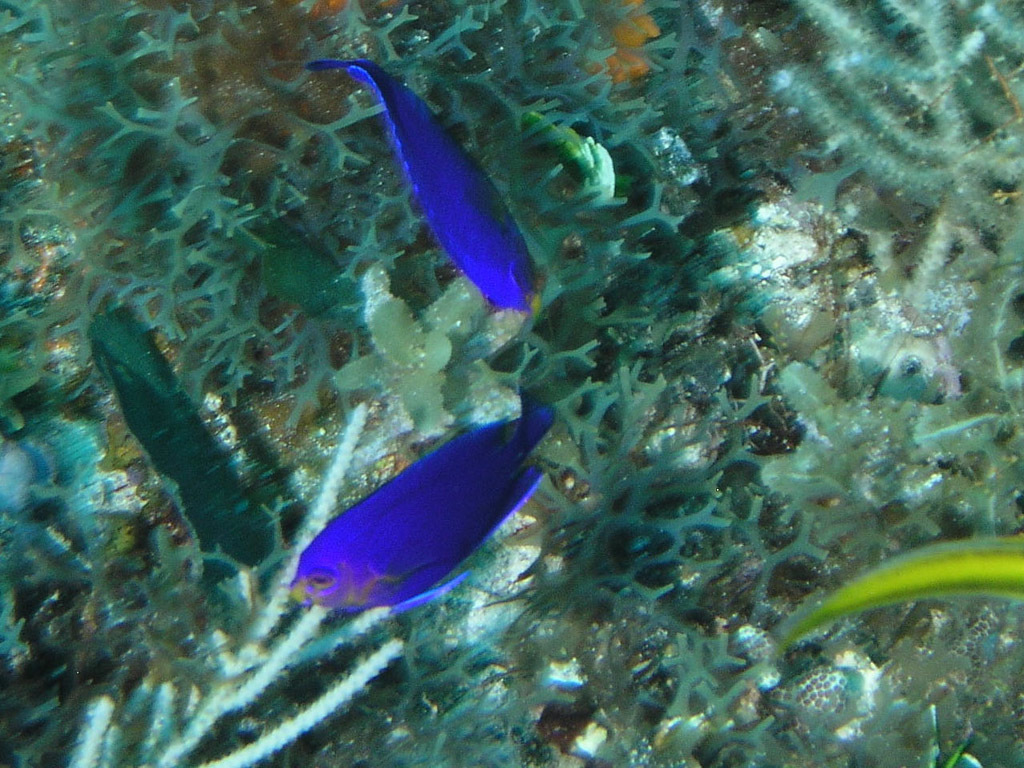
Chrysiptera parasema (Fowler, 1918) (Goldtail demoiselle)
Inhabits coral-rich areas of sheltered lagoon and inshore coral reefs . Occurs in small groups on Acropora patches .
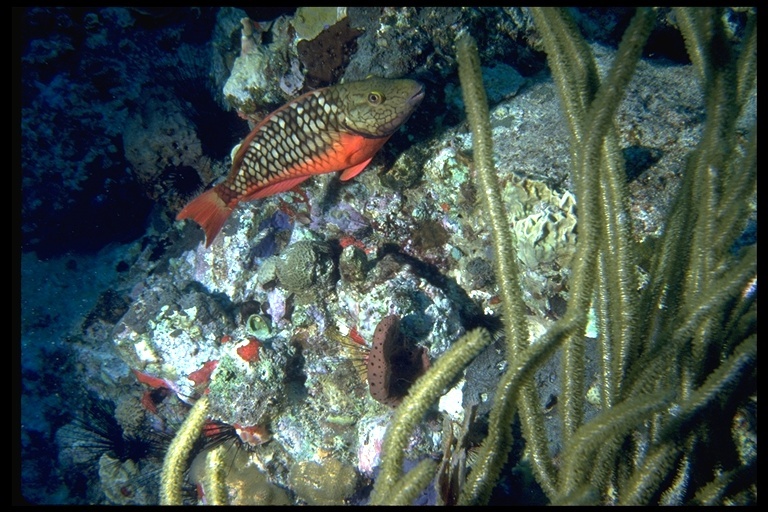
Sparisoma viride (Bonnaterre, 1788) (Dark green parrotfish)
Inhabits coral reefs with clear water . Young may be found in seagrass beds and other heavily vegetated bottoms. Feeds mainly on soft algae, but has been observed to graze on live corals like, Montastraea annularis . Pr...
Read More
Read More
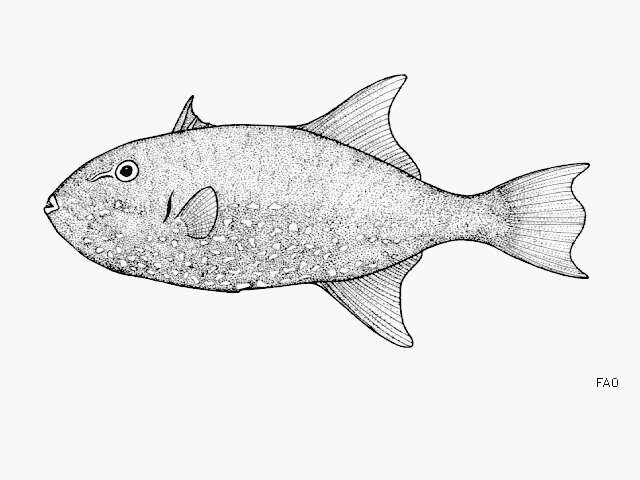
Canthidermis maculata (Bloch, 1786) (Spotted oceanic triggerfish)
Sparisoma chrysopterum (Bloch and Schneider, 1801) (Blisterside)
Occurs in coral reefs and adjacent habitats, the young especially in seagrass beds. Juveniles or primary-phase adults rapidly assume a mottled pattern with which they blend with the substratum when they come to rest on the bottom. Feeds on benthic algae and seagrasses.
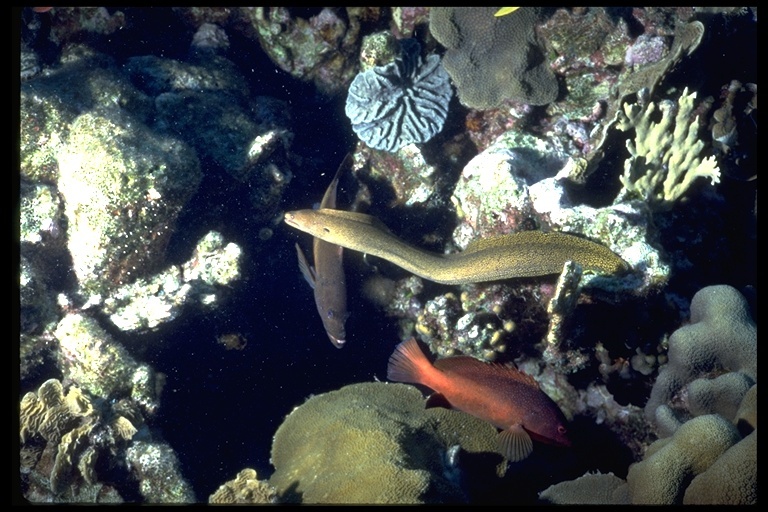
Gymnothorax miliaris (Kaup, 1856) (Bastard eel)
A benthic and solitary species inhabiting coral reefs and rocky shorelines. Usually at depths of 60 m . One of the most common and easily recognized morays of the West Indian reefs, active during the day and sometimes h...
Read More
Read More
Stegastes diencaeus (Jordan and Rutter, 1897) (Honey damselfish)
Inhabits coral and rocky reefs of sheltered lagoons and inshore areas. Territorial and pugnacious . Taken incidentally in traps and small-meshed beach nets .
Holocentrus rufus (Walbaum, 1792) (Miss darlington)
Nocturnal , inhabits clear reefs . Found near mouths of caves and holes ; at night they usually move to sandy areas and grass beds to feed on crabs, shrimps, gastropods and brittle stars . Marketed fresh but not popular as a food fish .
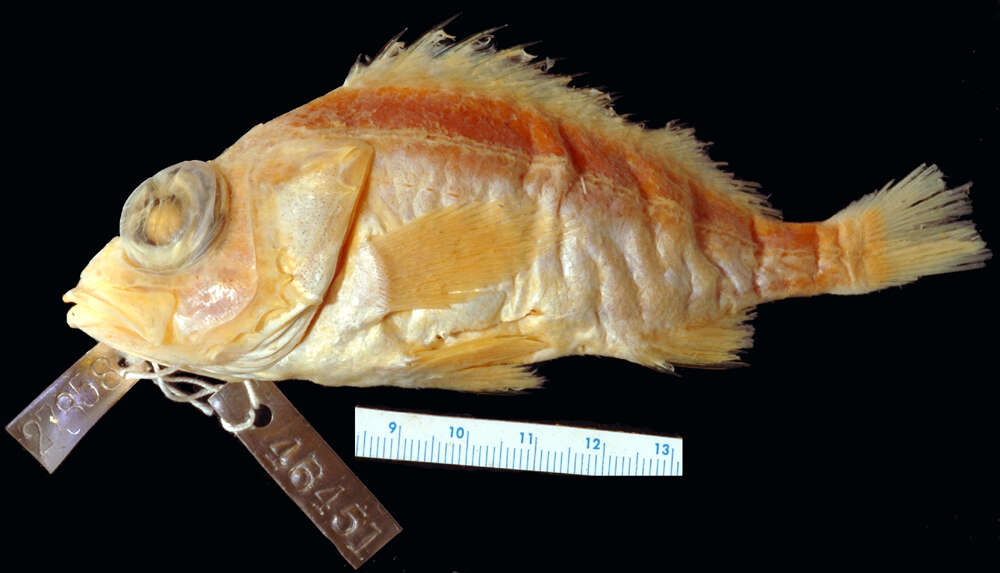
Sebastes miniatus (Jordan and Gilbert, 1880) (Vermilion rockfish)
Adults inhabit shallow to deep rocky reefs, less common on deep ones . Young inhabit shallow water . Viviparous . Sold as fillets together with other rockfish .
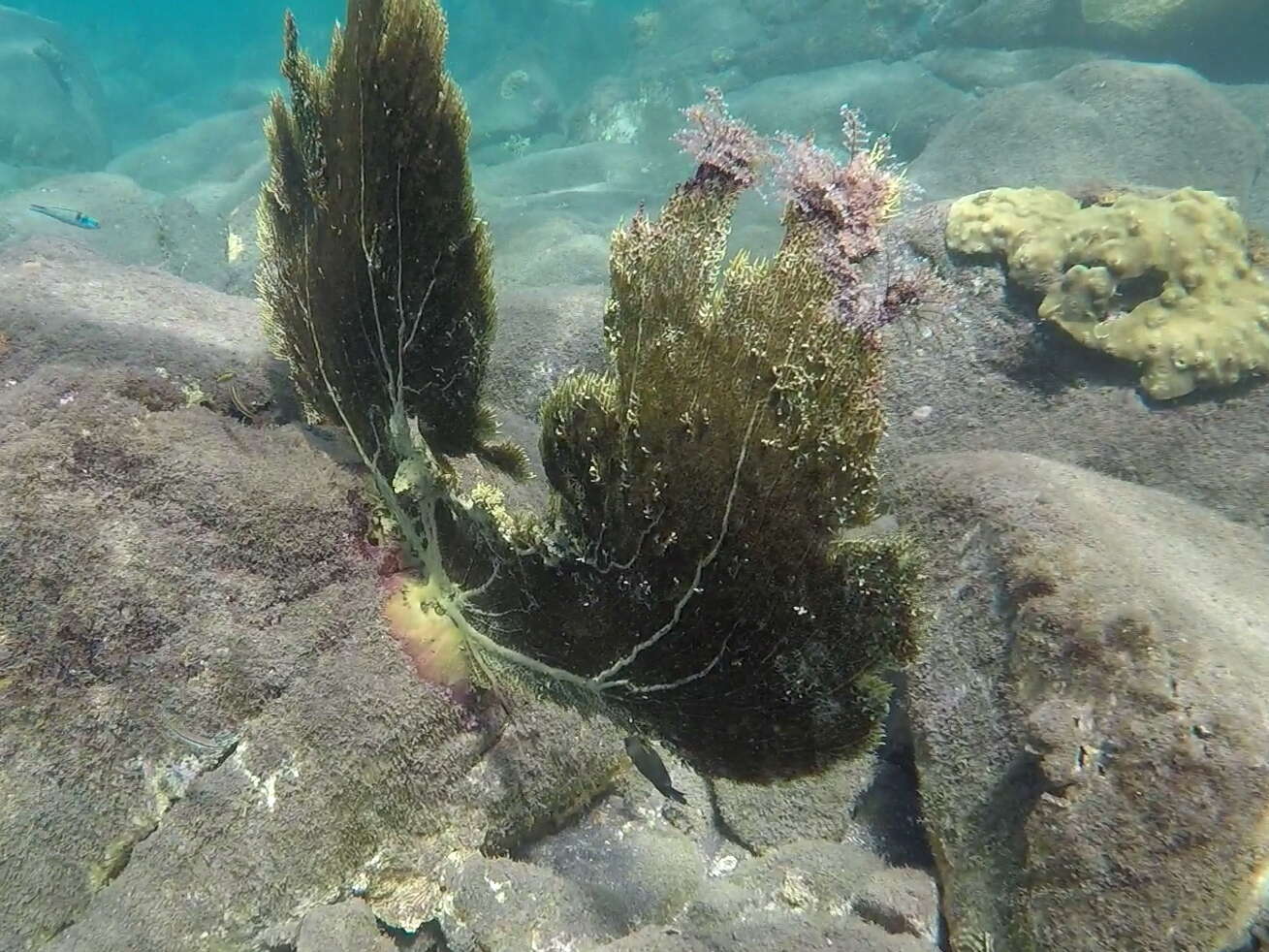
Gorgonia ventalina Linnaeus, 1758 (common sea fan)
Ircinia felix (Duchassaing & Michelotti 1864)
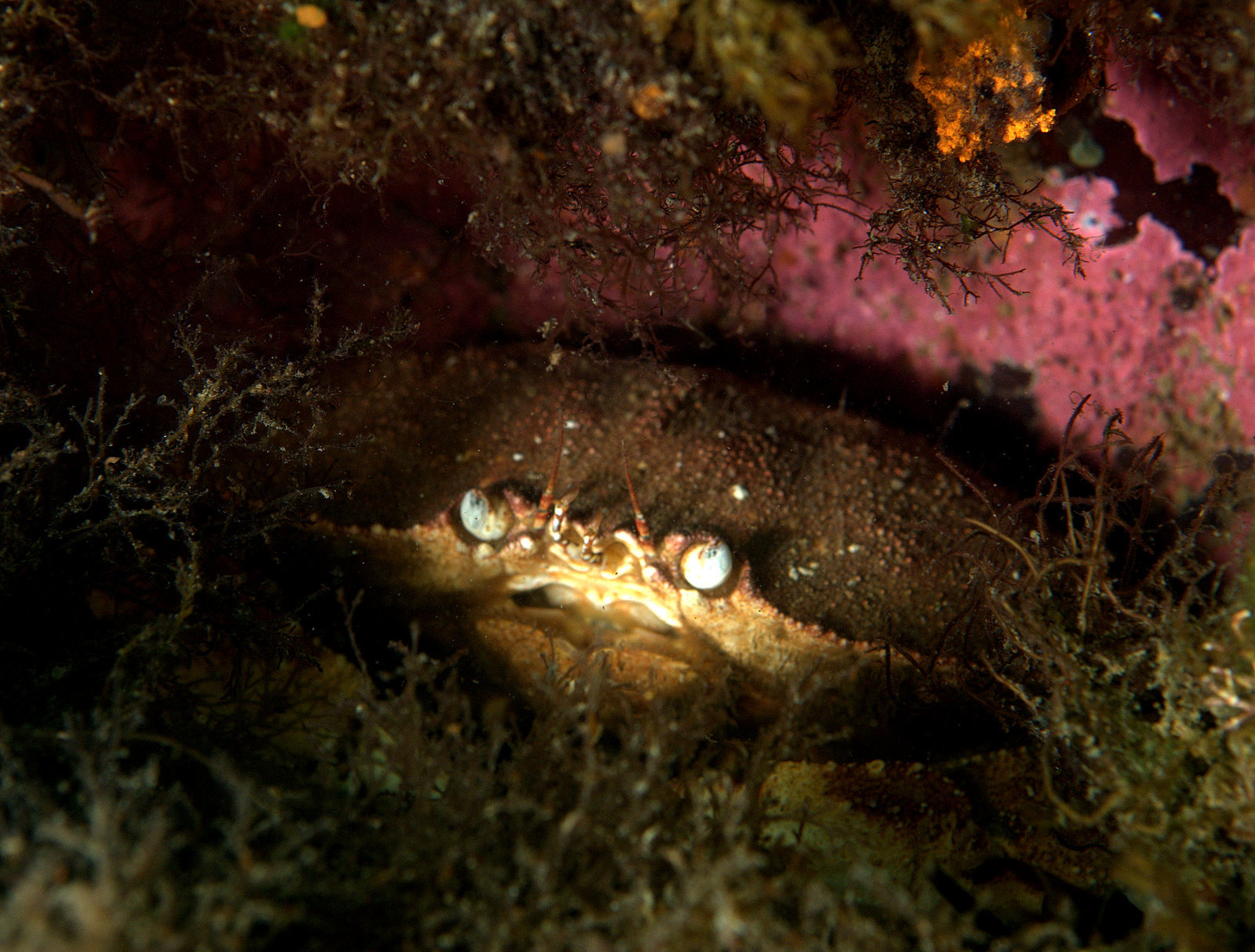
Cancer borealis Stimpson, 1859 (Jonah crab)
Chaetodon capistratus Linnaeus, 1758 (Butterbun)
Inhabit shallow reefs and generally occurs singly or in pairs. Feed mainly on zoantharians, polychaete worms, gorgonians and tunicates. Easily approached . Oviparous . Form pairs during breeding .
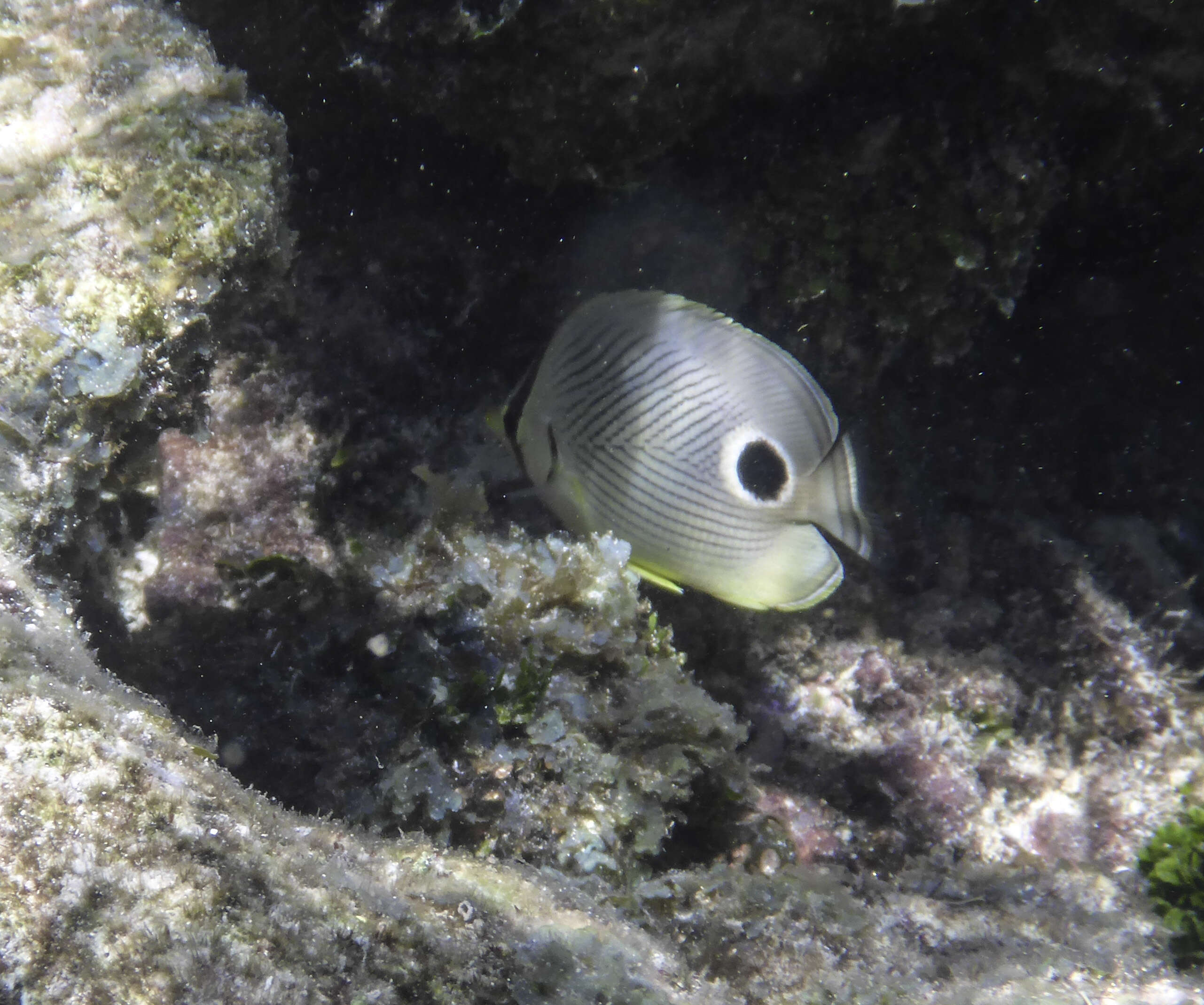
Chaetodon ocellatus Bloch, 1787 (Butterbun)
Inhabit shallow, coral reefs with clear water . Develop dusky bands at night. Generally common . Oviparous . Form pairs during breeding .
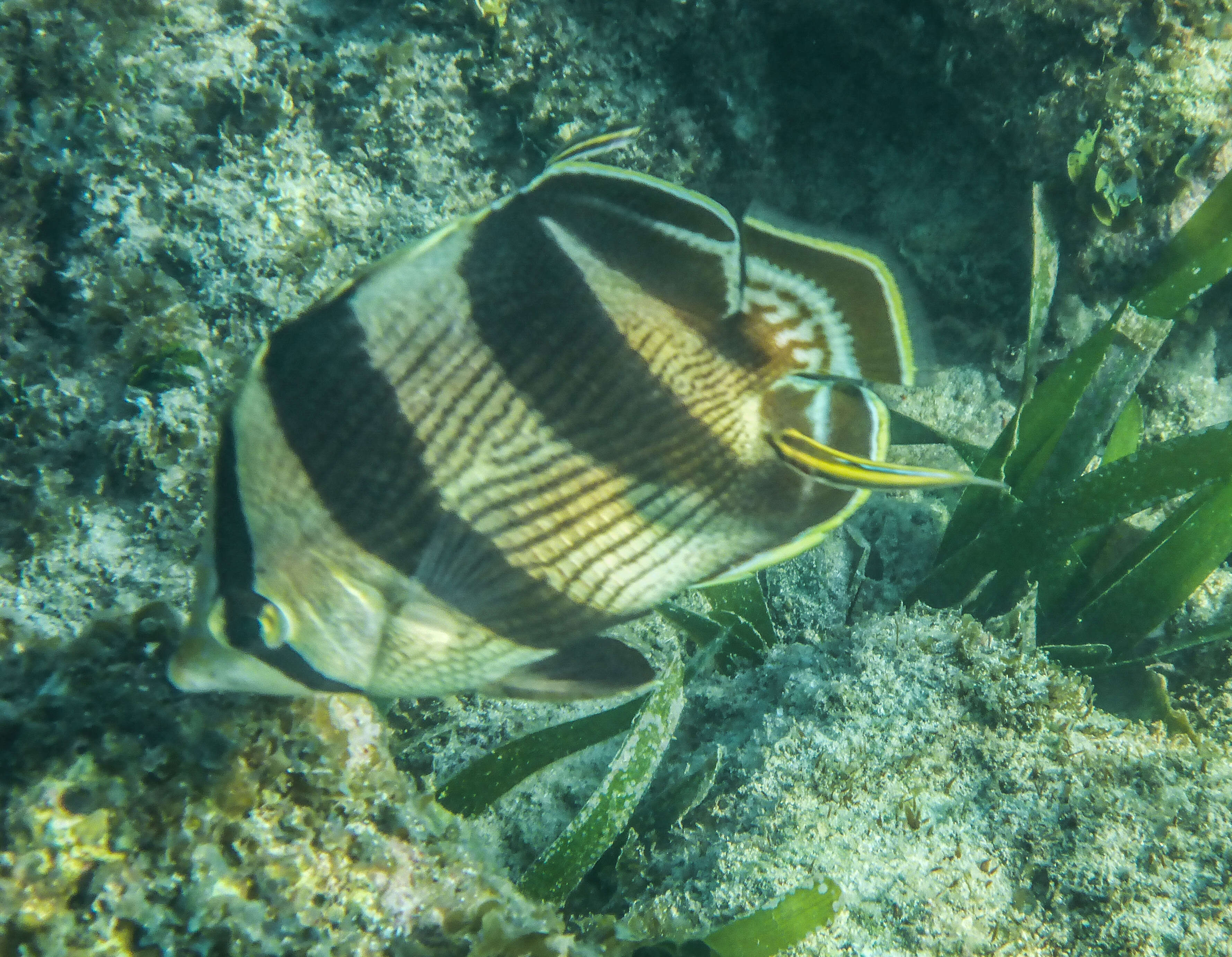
Chaetodon striatus Linnaeus, 1758 (Butterbun)
Inhabit coral reefs. Occur singly or in pairs. Feed on polychaete worms, coral polyps, crustaceans and mollusk eggs. Oviparous , monogamous . Form pairs during breeding . Adults may form plankton-feeding aggregations ...
Read More
Read More
Centropyge argi Woods and Kanazawa, 1951 (Cherub pygmy angelfish)
Normally occurs in rubble areas. Feeds on various types of algae. Oviparous , monogamous . Retreats into holes when frightened . Has been reared in captivity .
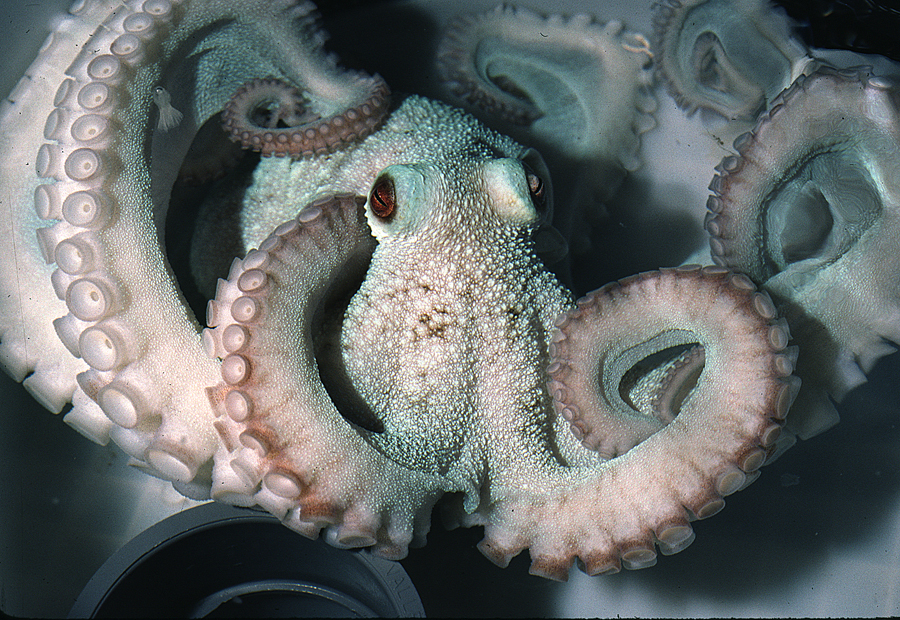
Octopus briareus Robson, 1929 (Caribbean reef octopus)
Pomacanthus paru (Bloch, 1787) (French angelfish)
Common in shallow reefs. Usually in pairs, often near sea fans . Feed on sponges, algae, bryozoans, zoantharians, gorgonians and tunicates . Oviparous , monogamous . Spawning pairs are strongly territorial, with usuall...
Read More
Read More
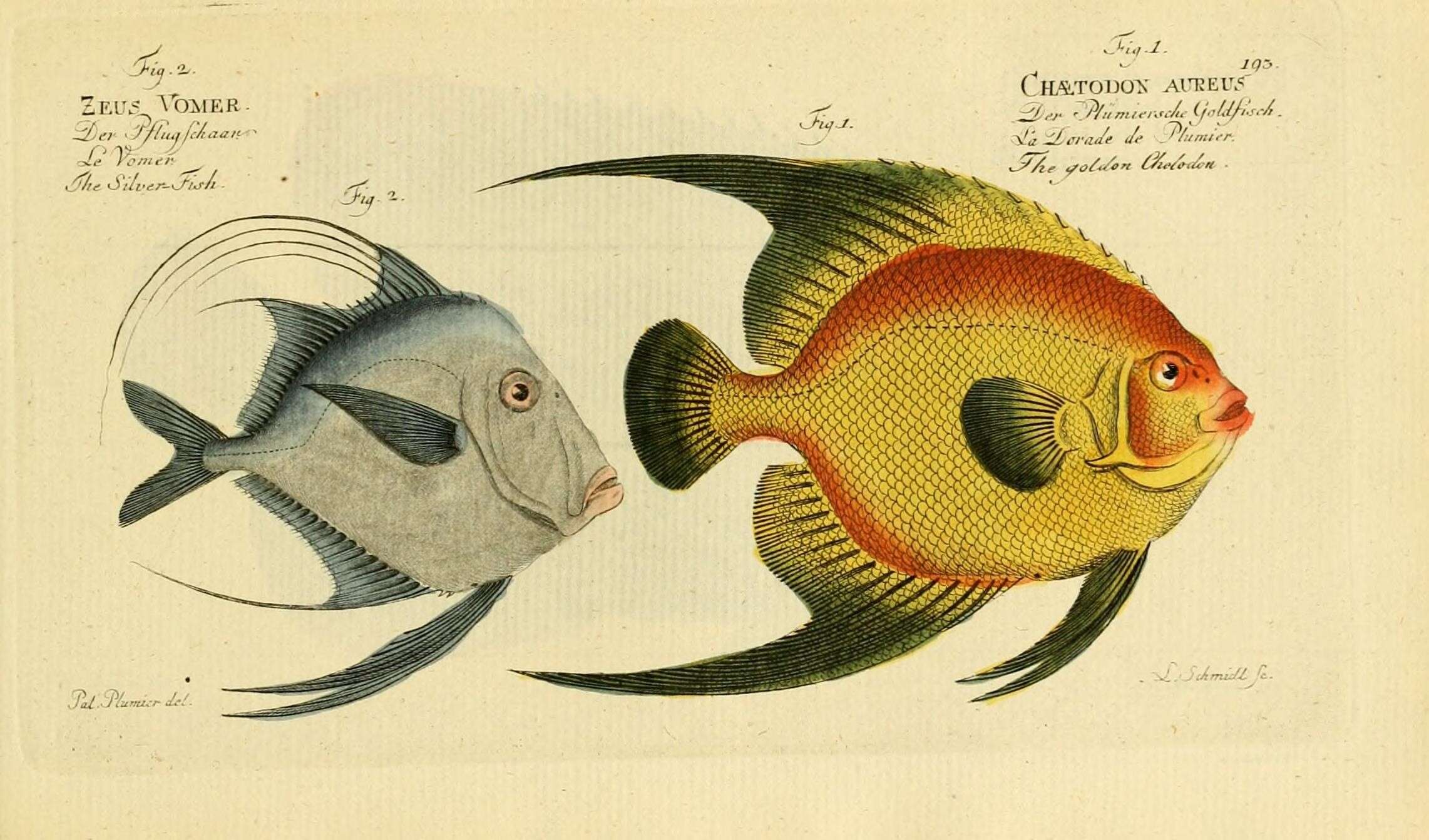
Holacanthus ciliaris (Linnaeus, 1758) (queen angelfish)
Found on coral reefs. Generally occurs solitarily or in pairs. Moves gracefully between seafans, seawhips, and corals . Stomach contents of 26 specimens indicate that the species feeds almost exclusively on sponges supp...
Read More
Read More
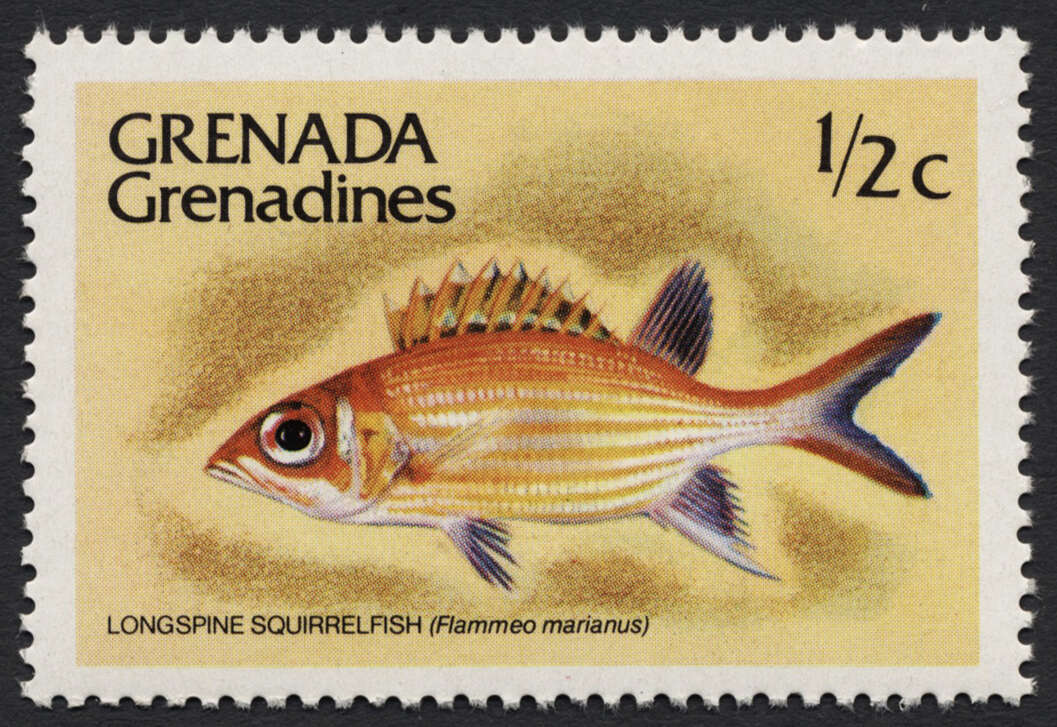
Neoniphon marianus (Cuvier, 1829) (Longjaw squirrelfish)
Rarely found in shallow water, but appears to be the most common squirrelfish in the depth range of 30-60 m or more . Reported used as food fish .
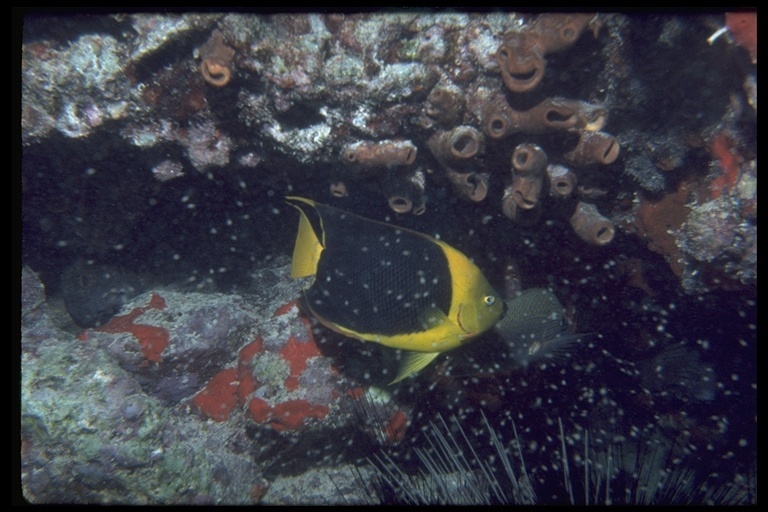
Holacanthus tricolor (Bloch, 1795) (Angelfish)
Inhabits rock jetties, rocky reefs and rich coral areas. Juveniles often associated with fire corals . Feeds on tunicates, sponges, zoantharians and algae. Marketed fresh .
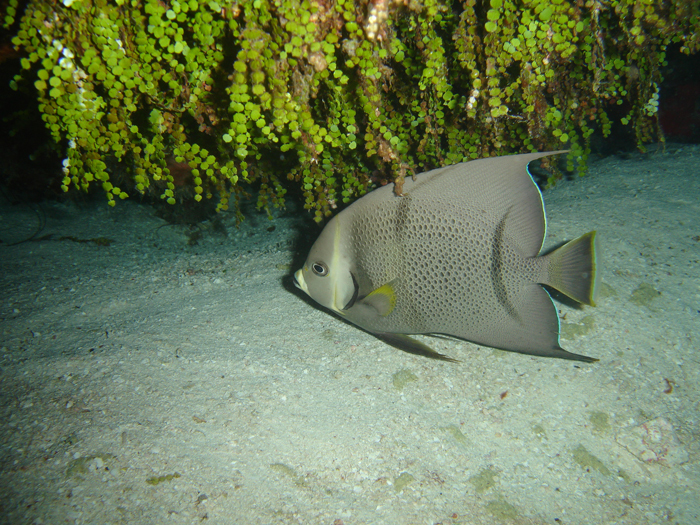
Pomacanthus arcuatus (Linnaeus, 1758) (Grey angelfish)
Common in coral reefs, usually solitary, occasionally in pairs. Juveniles are part-time cleaners. Feed mainly on sponges, but also takes tunicates, algae, zoantharians, gorgonians, hydroids, bryozoans, and seagrasses. O...
Read More
Read More
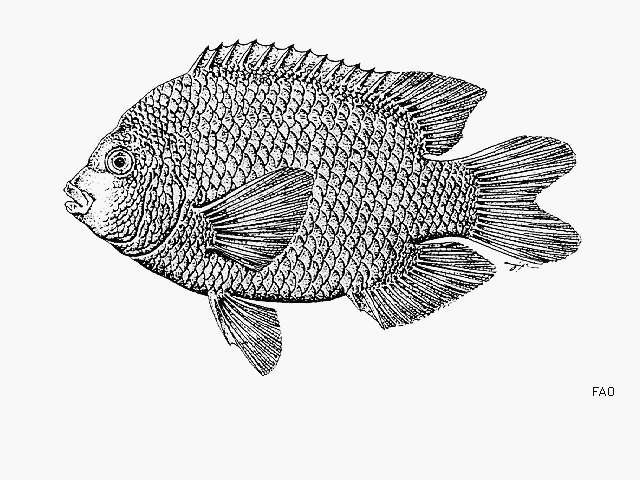
Hypsypops rubicundus (Girard, 1854) (Damselfish)
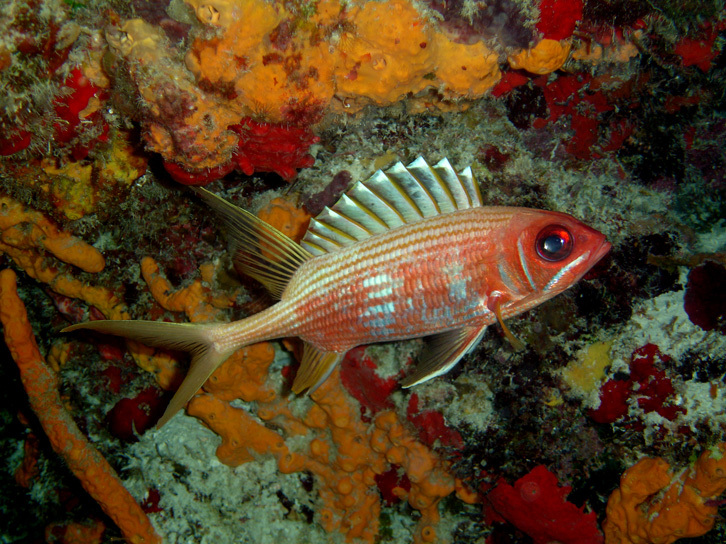
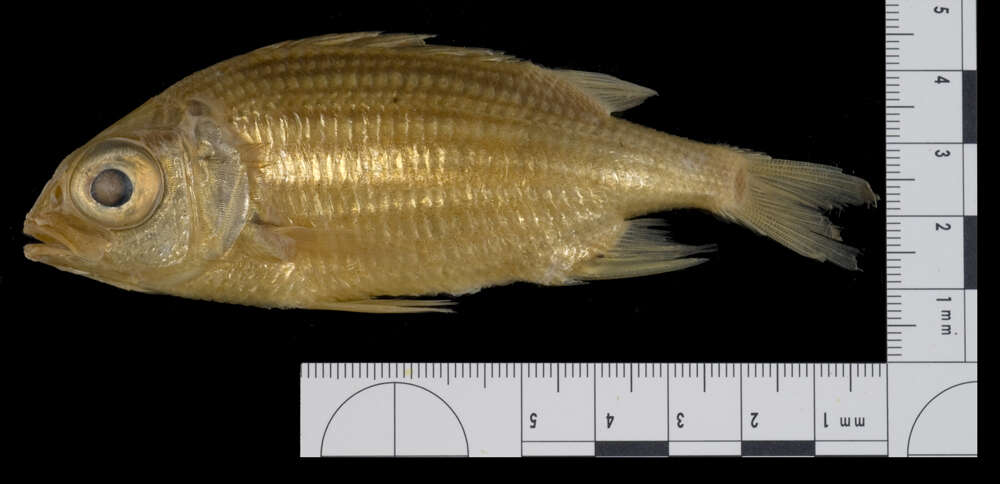
Sargocentron vexillarium (Poey, 1860) (Dusky squirrelfish)
Inhabits inshore reefs and tide pools. Hides in small recesses. Common, but rarely seen . Nocturnal species .
Share on Social Networks
- Facebook:

personalize your shared text as well as its destination (wall, page...) or send as a private message to a friend
- Twitter: Tweet personalize your tweet
- Google Plus:
Direct link to this dive
- Long link:
- Short link:


 We are participating today in the startup contest Techcrunch Disrupt. Support Diveboard by voting for us!
























































































Found and visited the sea horse again