



 Nikolas Margaritis


 Greece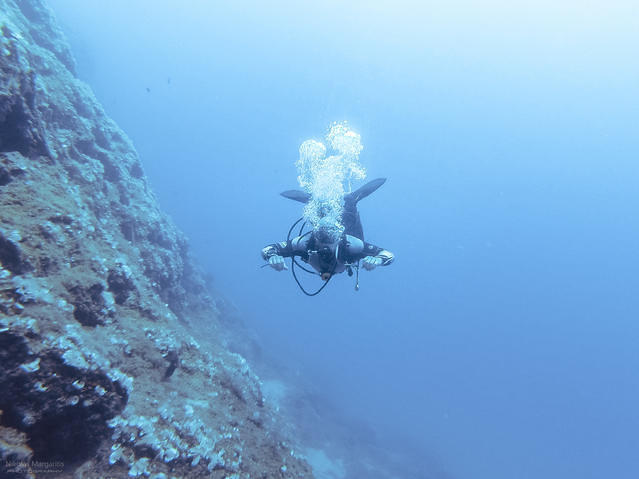
-
Nº19
 Date: 2014-07-19 - 13:32
-
 Max Depth: 29.3m Duration: 46mins
Dive Location

- Surface interval:0 mins
- Temp: Surf 28°C Bottom 25°C
- Dive type : Recreational, Photo
- Visibility: Good Water: Salt
Specific gear used
- Wet suit: Waterproof Diving AB - W2 7MM (BACKZIP)
- Boots: Waterproof Diving AB - Tough 6.5mm semi-dry boot
- Mask: TUSA - Visio Pro
- Mask: Cressi Sub - Ocean Eyes
- Regulator: Tusa - RS-460II
- Regulator: Tusa - SS-60
- BCD: Hollis - SMS100
- Computer: Suunto - Vyper
- Light: Tusa - Led TUL-310
- Other: TECLINE - SMB
- Camera: GoPro - Hero3 Black
- Weights: 8 kg
Dive reviews
| Overall review | ||
| Marine life quality |
Recent Divers in Attica
Recent Pictures in Attica
Dive Shop & Buddies
 Dive with Sea Breaze Technical Diving Facility
 Dive buddies:
Tzounara Konstantina,
G,
Alexandros Soublis,
Anastasia-Marina Tentoma
Dive buddies:
Tzounara Konstantina,
G,
Alexandros Soublis,
Anastasia-Marina Tentoma

Link to this spot:
- Spot:
- Country:
- Area:
- Body of water:
Dive Profile
- 1. Air
- 12L Steel 200 → 50 bar
- Average depth: 13m
Data provided by EOL.org


Species Identified
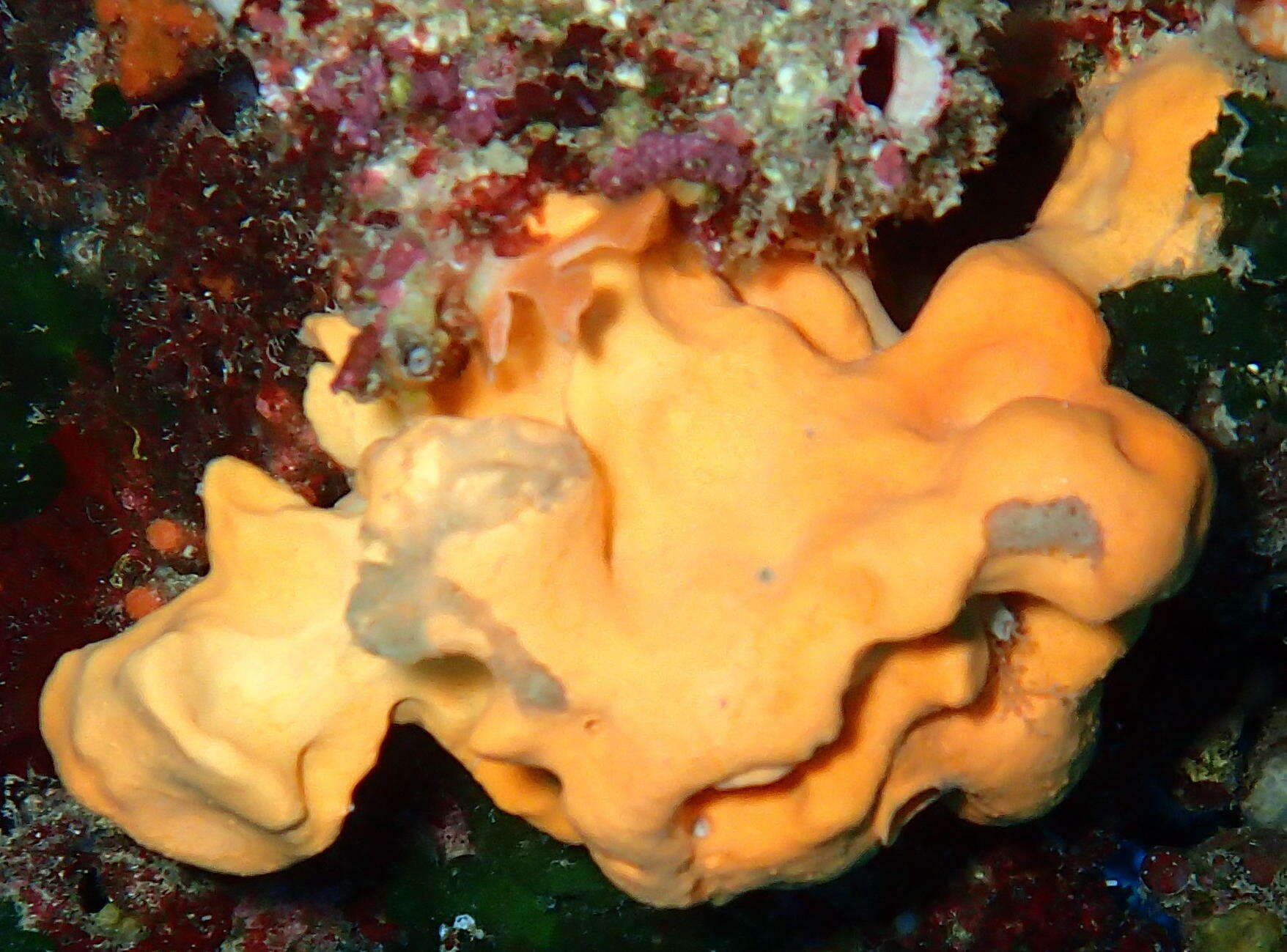
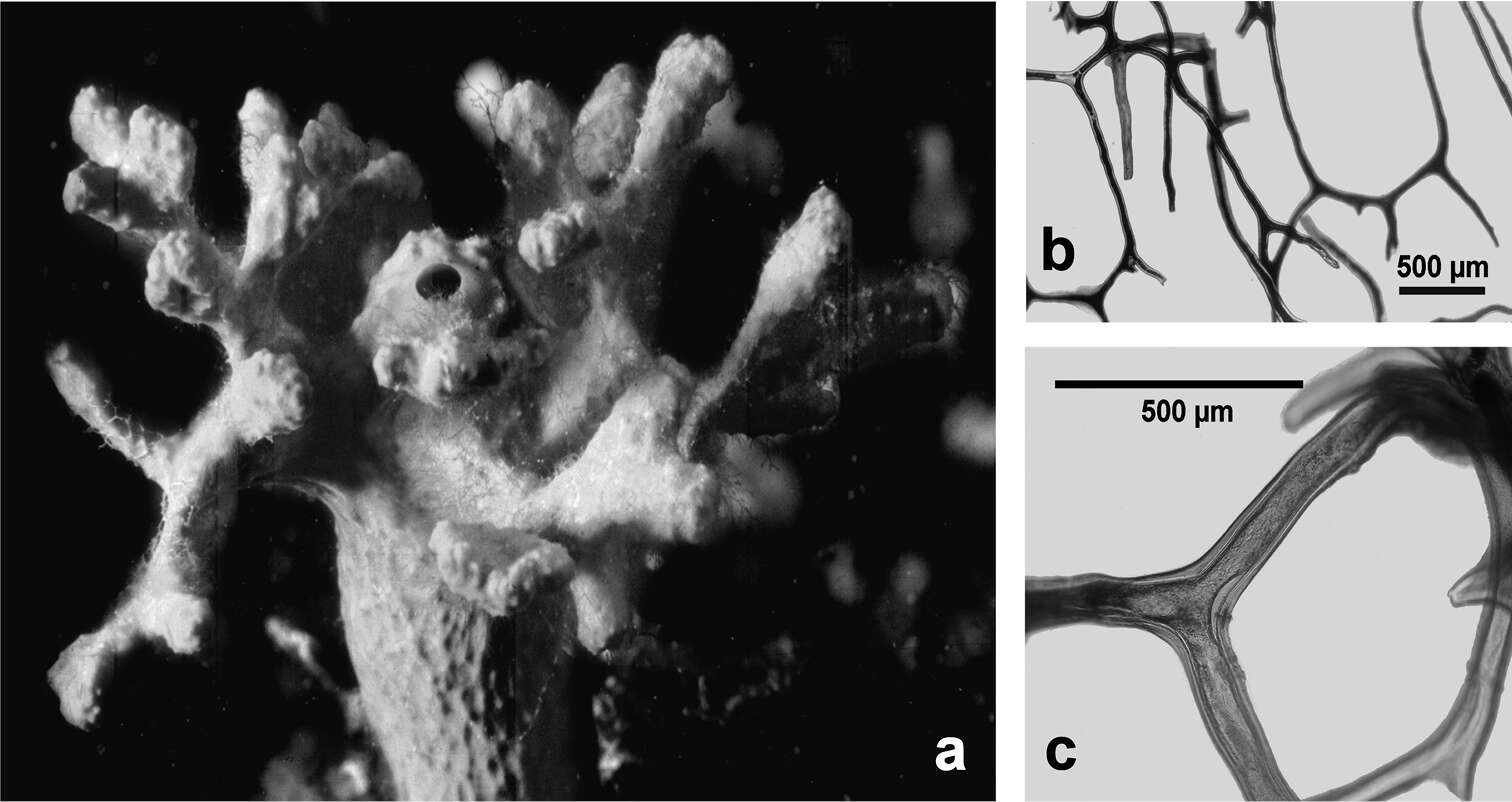
Agelas oroides (Schmidt, 1864)
Aplysina aerophoba Nardo, 1843 (Gold-sponge)
Marthasterias glacialis (spiny starfish)
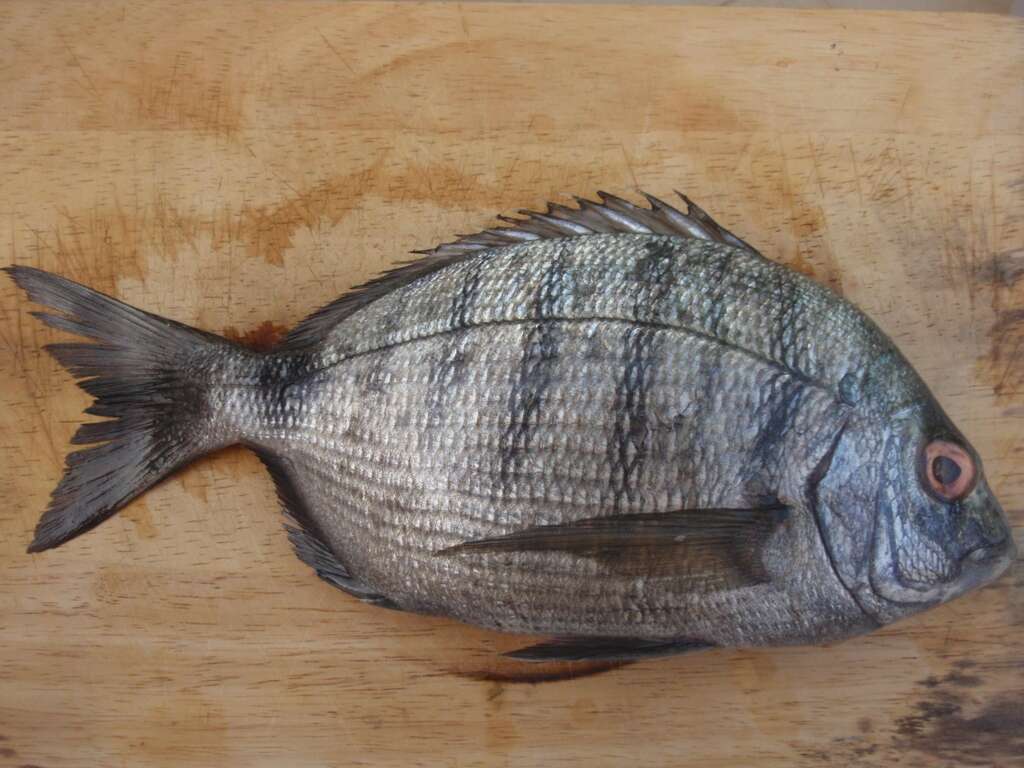
Diplodus annularis (Linnaeus, 1758) (Annular seabream)
Inhabit chiefly Zostera seagrass beds but also found on Posidonia beds and sandy bottoms, rarely on rocky bottoms. Carnivorous, feed on worms, crustaceans, mollusks, echinoderms and hydrozoans. The sexes are separated, a...
Read More
Read More
Lithognathus mormyrus (Linnaeus, 1758) (Striped seabream)
Found on the shelf, over sandy and muddy bottoms as well as seagrass-beds and estuaries. Gregarious, sometimes forming sizeable schools. Feeds on worms, mollusks and small crustaceans. Protandric hermaphrodite . Flesh excellent ; sold fresh and dried.
Diplodus vulgaris (Geoffroy Saint-Hilaire, 1817) (Common two-banded seabream)
A euryhaline species inhabiting rocky and sometimes sandy bottoms to depths of 160 m, but more commonly in less than 50 m. The young are sometimes found in seagrass beds. Adults feed on crustaceans, worms and mollusks . Important food fish.
Pagrus pagrus (Linnaeus, 1758) (Common seabream)
The red porgy has a fascinating life history; all individuals start life as females, and then some change sex to become functional males . This sex transition may take place when the red porgy is a juvenile or, more commo...
Read More
Read More
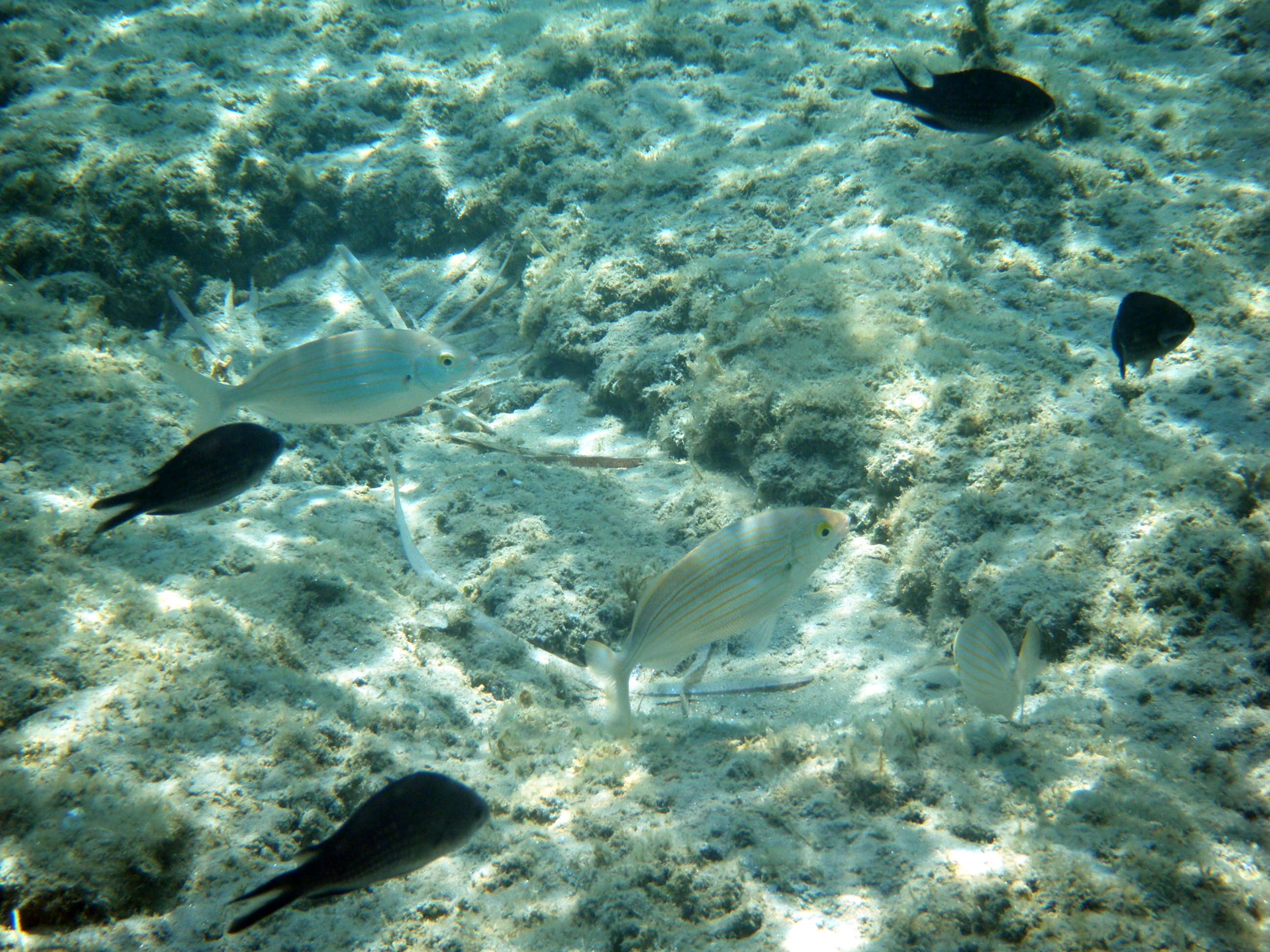
Sarpa salpa (Linnaeus, 1758) (Salema)
Found over rocky substrates and sandy area with algal growth. Gregarious, sometimes forming sizeable schools. Young mainly carnivorous on crustaceans, adults almost exclusively herbivorous , feed on seaweeds . Protandri...
Read More
Read More
Diplodus sargus (Linnaeus, 1758) (White seabream)
Epinephelus marginatus (Lowe, 1834) (Duskey grouper)
The dusky grouper is a protogynous hermaphrodite, meaning that it matures as a female but later develops into a male as it grows larger and older . Sexual maturity is attained fairly late, when females are around five year...
Read More
Read More
Epinephelus costae (Steindachner, 1878) (Golden grouper)
Found on sand, mud or rock bottoms . Juveniles form small groups . Feeds on crustaceans, mollusks, and fish . Does not adapt well in aquariums .
Share on Social Networks
- Facebook:

personalize your shared text as well as its destination (wall, page...) or send as a private message to a friend
- Twitter: Tweet personalize your tweet
- Google Plus:
Direct link to this dive
- Long link:
- Short link:


 We are participating today in the startup contest Techcrunch Disrupt. Support Diveboard by voting for us!
























































































