






 Cayman Islands
-
Nº5496
 Date: 2012-12-04 - 12:00
-
 Max Depth: 15.2m Duration: 59mins
Pictures

No pictures for this dive
- Temp: Surf 27°C Bottom 26°C
- Dive type : Recreational, Reef
- Visibility: Excellent Water: Salt
Specific gear used
- Weights: 4.5 kg
Recent Divers in Little Cayman


Recent Pictures in Little Cayman

Link to this spot:
- Spot:
- Country:
- Area:
- Body of water:
Dive Profile
Data provided by EOL.org


Species Identified
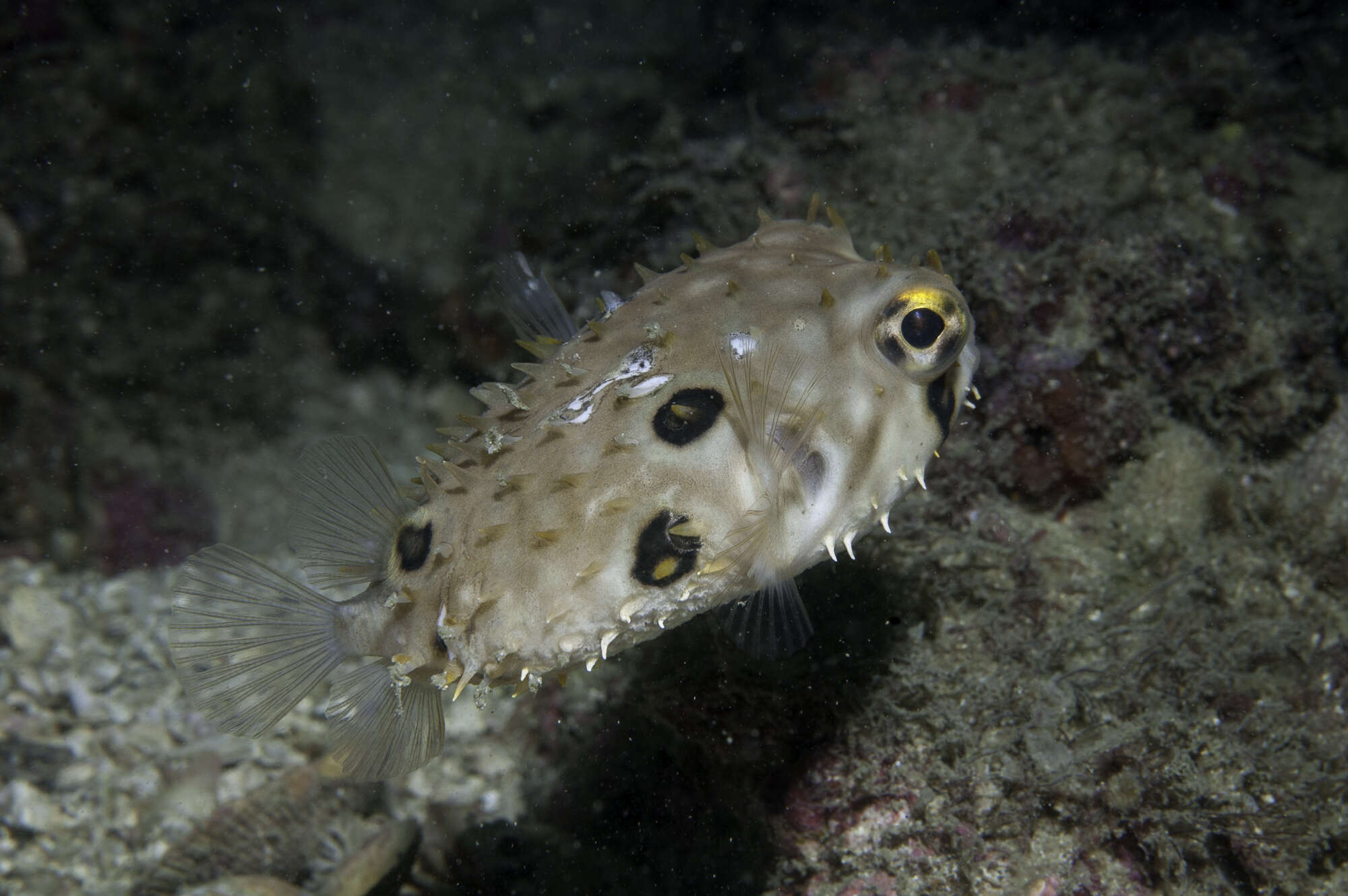
Chilomycterus spinosus (Linnaeus, 1758) (Striped burrfish)
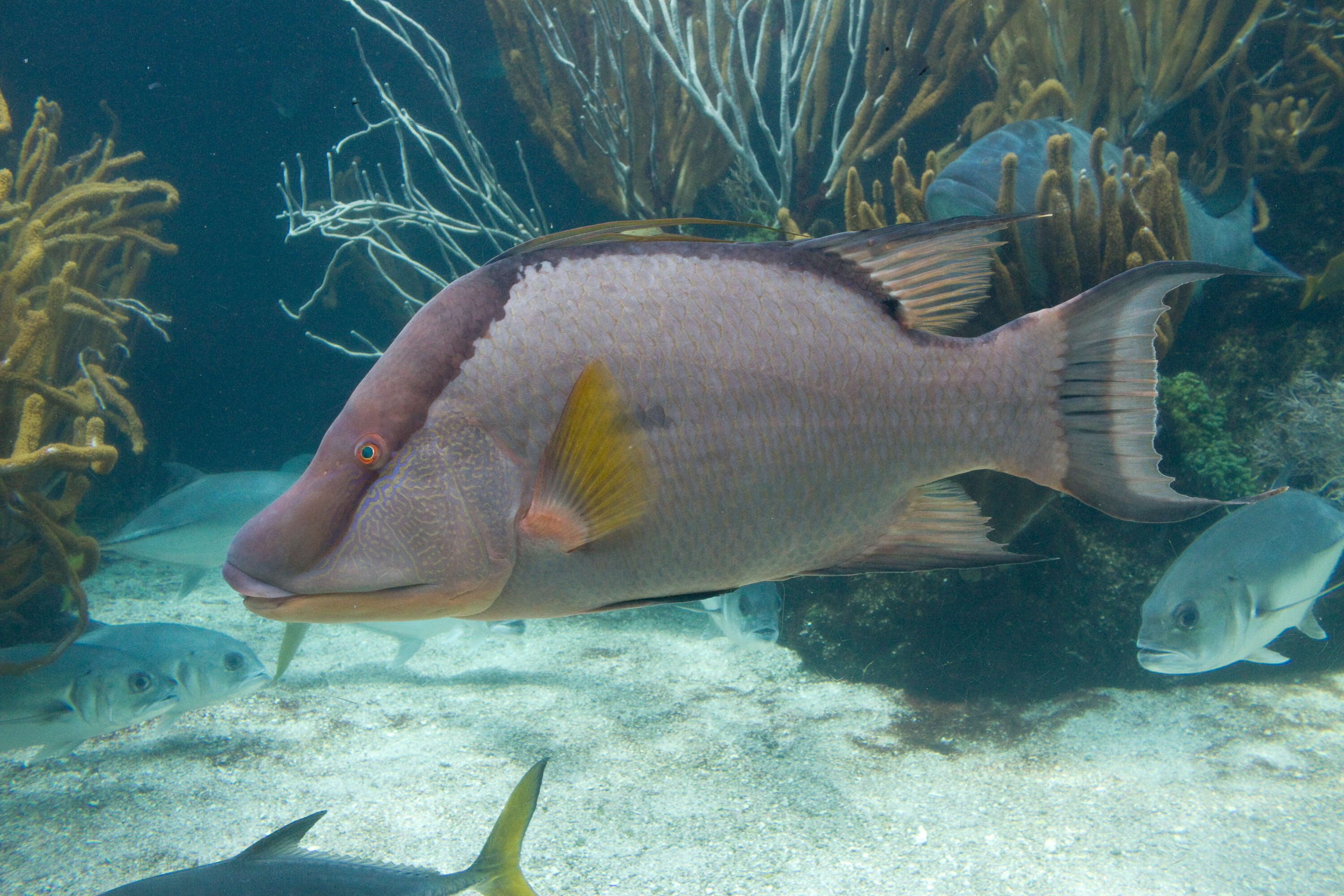
Lachnolaimus maximus (Walbaum, 1792) (Hogfish)
Hogfish have a fascinating life history; they are protogynous hermaphrodites, meaning that individuals first function sexually as females and then later, upon reaching a larger size, transform into males . This change gen...
Read More
Read More
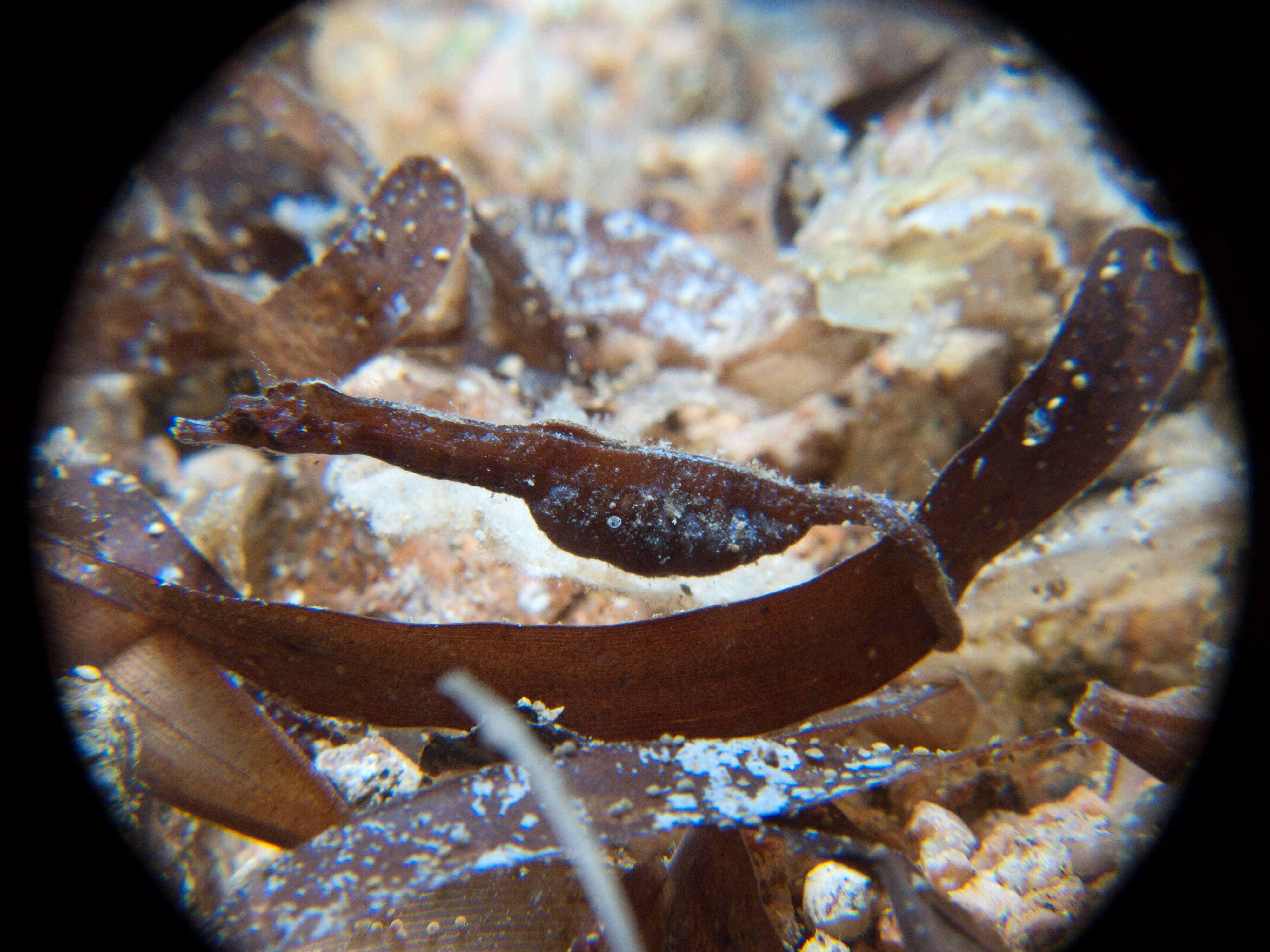
Acentronura tentaculata Günther, 1870 (pipehorse)
Typically found on small and sparse seagrass or algae that grow adjacent to reefs at shallow to moderate depths. Usually found in pairs . Ovoviviparous . The male carries the eggs in a brood pouch which is found under the tail .
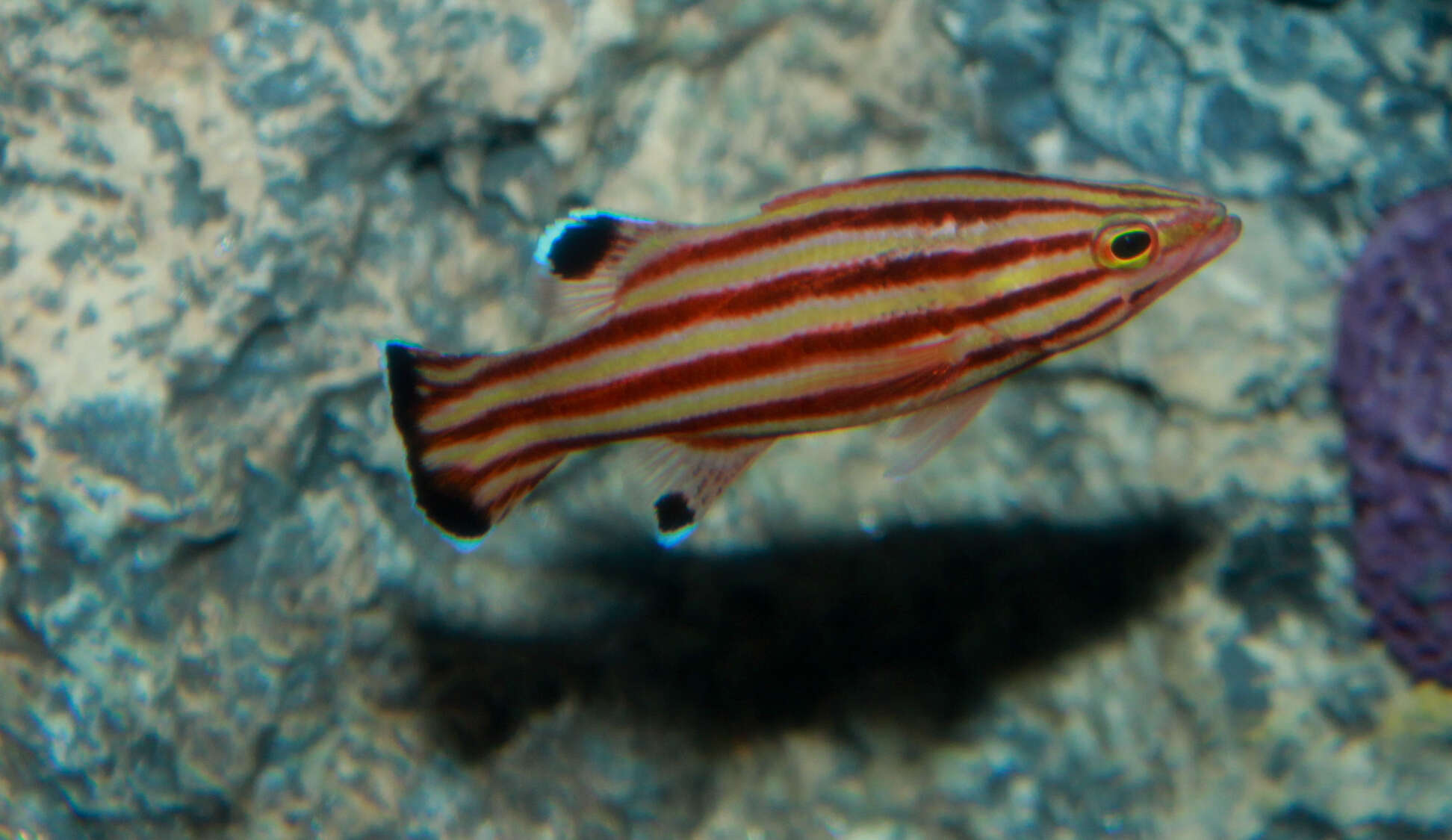
Liopropoma rubre Poey, 1861 (Swissguard basslet)
A solitary species inhabiting deep recesses of coral reefs. Common, but secretive and rarely seen . The maximum size for this species is about 8 cm standard length or 100 mm TL (P.Heemstra, pers.comm. 12/09).
Balistes vetula Linnaeus, 1758 (Ol'wife)
The queen triggerfish is often found drifting close to the bottom, where it feeds on a range of molluscs, crustaceans and echinoderms . The strong jaws and long teeth of this fish enable it to bite through the hard body p...
Read More
Read More
Dasyatis americana Hildebrand and Schroeder, 1928 (stingaree)
The southern stingray is an active swimmer that feeds primarily at night, on a diet of invertebrates and small fishes. They feeding by flapping their wing-like pectoral fins to disturb the sand, and expose their prey . T...
Read More
Read More
Canthigaster rostrata (Bloch, 1786) (sharpnose puffer)
Inhabits reefs and marginal habitats such as seagrass beds . Diet consists of seagrass, sponges, crabs and other crustaceans, mollusks, polychaete worms, sea urchins, starfishes, hydroids and algae . Monogamous .
Share on Social Networks
- Facebook:

personalize your shared text as well as its destination (wall, page...) or send as a private message to a friend
- Twitter: Tweet personalize your tweet
- Google Plus:
Direct link to this dive
- Long link:
- Short link:


 We are participating today in the startup contest Techcrunch Disrupt. Support Diveboard by voting for us!
























































































The queen trigger (B. vetula) and the southern ray (D. americana) looked like they were working together as they moved across a large sandy patch. Either that, or they were dancing.