






 Cayman Islands
-
Nº5491
 Date: 2012-12-02 - 10:00
-
 Max Depth: 27.1m Duration: 56mins
Pictures

No pictures for this dive
- Temp: Surf 27°C Bottom 26°C
- Dive type : Recreational, Reef
- Visibility: Excellent Water: Salt
Specific gear used
- Weights: 4.5 kg
Recent Divers in Little Cayman


Recent Pictures in Little Cayman

Link to this spot:
- Spot:
- Country:
- Area:
- Body of water:
Dive Profile
- 1. Air
- 12L Aluminium 221 → 34 bar
- Average depth: 18.1m
- SAC: 1.18 bar/min
- RMV: 14.16 L/min
Data provided by EOL.org

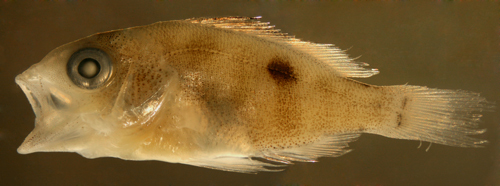


Species Identified
Acanthurus coeruleus Bloch and Schneider, 1801 (Blue tang surgeonfish)
Inhabits coral reefs, inshore grassy or rocky areas. Forms small groups . Mainly diurnal. Feeds entirely on algae . At Fernando de Noronha Archipelago in southwestern Atlantic, juveniles hold cleaning stations togeth...
Read More
Read More
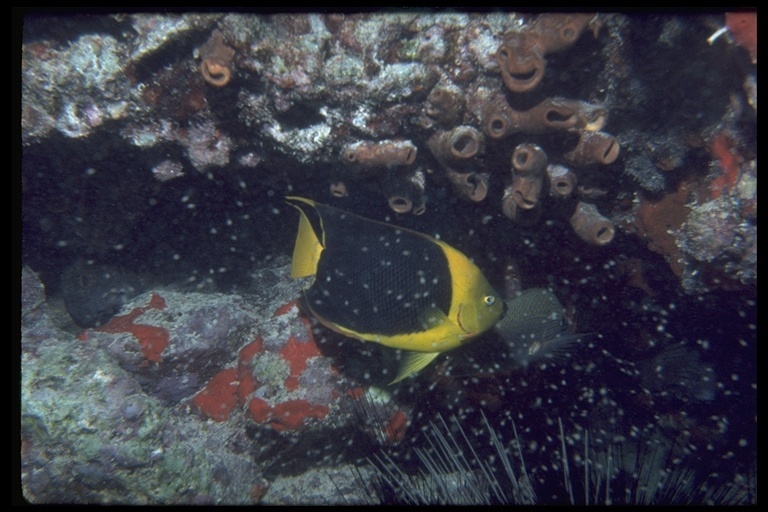
Holacanthus tricolor (Bloch, 1795) (Angelfish)
Inhabits rock jetties, rocky reefs and rich coral areas. Juveniles often associated with fire corals . Feeds on tunicates, sponges, zoantharians and algae. Marketed fresh .
Lutjanus mahogoni (Cuvier, 1828) (Lantern jaw)
Inhabits clear shallow waters over rocky bottoms in the vicinity of coral reefs, less frequently in sandy or seagrass areas. Often forms large aggregations during the day. Feeds at night mainly on small fish, shrimps, crabs and cephalopods.
Microspathodon chrysurus (Cuvier, 1830) (Jewelfish)
A common territorial species that inhabits coral reefs, juveniles usually encountered among branches of yellow stinging coral, Millepora. Found in very shallow waters of coral reefs, usually near top of outer edge where ...
Read More
Read More
Scarus vetula Bloch and Schneider, 1801 (Blownose)
Inhabits coral reefs and adjacent habitats. Feeds on algae scraped from rocks or dead coral. Sleeps in a mucus cocoon . Often seen in groups of one super male with several young adults, most of which are probably females . A protogynous hermaphrodite .
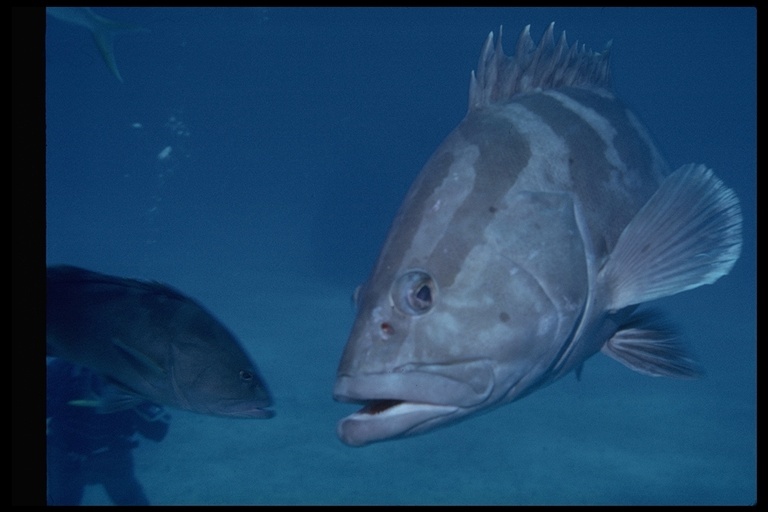
Epinephelus striatus (Bloch, 1792) (Nassau grouper)
Adults are generally solitary, with the exception of spawning events when hundreds to thousands of individuals were known to group together. In the southern extent of the grouper's range, these awesome aggregations occurre...
Read More
Read More
Share on Social Networks
- Facebook:

personalize your shared text as well as its destination (wall, page...) or send as a private message to a friend
- Twitter: Tweet personalize your tweet
- Google Plus:
Direct link to this dive
- Long link:
- Short link:


 We are participating today in the startup contest Techcrunch Disrupt. Support Diveboard by voting for us!
























































































