



 Rubina Marques


 Portugal
-
Nº12
 Date: 2016-05-23 - 22:08
-
 Max Depth: 11m Duration: 43mins
Pictures

No pictures for this dive
- Temp: Surf 16°C Bottom 15°C
- Dive type : Training, Night dive
- Visibility: Bad Water: Salt
Specific gear used
- Light: Dive Rite -
- BCD: Dive Club Cipreia -
- Boots: Subacqua - Confort 3 - 5 mm w/ sole
- Computer: Suunto - Gekko
- Fins: Mares - Avanti Quattro +
- Gloves: Subacqua - Flex 2 mm
- Hood: Nava - Flex 5 mm
- Mask: Subacqua - Fullframe
- Other: Beuchat - Wet Suit Vest 3 mm
- Regulator: Dive Club Cipreia -
- Wet suit: Beuchat - Flex 7 mm
- Weights: 7 kg
Dive reviews
| Overall review | ||
| Dive difficulty | ||
| Marine life quality |
Recent Divers in Sesimbra

Recent Pictures in Sesimbra


Dive Shop & Buddies
 Dive with Luis Gonçalves from Cipreia Lda
 Dive buddies:
Luis Gonçalves,
Pedro Marques
Dive buddies:
Luis Gonçalves,
Pedro Marques

Link to this spot:
- Spot:
- Country:
- Area:
- Body of water:
Dive Profile
- 1. Air
- 12L Steel 200 → 90 bar
- Average depth: 9.3m
Data provided by EOL.org
Species Identified
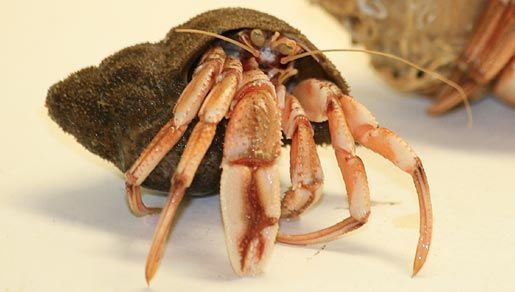
Pagurus bernhardus (common hermit crab)
Eats on dead organic material. A long foreplay, to ensure the baring of the abdomen was not vain. The mating only lasts less than a minute.
Dasyatis pastinaca (Linnaeus, 1758) (Sting ray)
Found over sandy and muddy bottoms, sometimes in estuaries and near rocky reefs . Feed on bottom fishes, crustaceans and mollusks. Ovoviviparous, gestation period about 4 months and 4-7 young are produced. Wings markete...
Read More
Read More
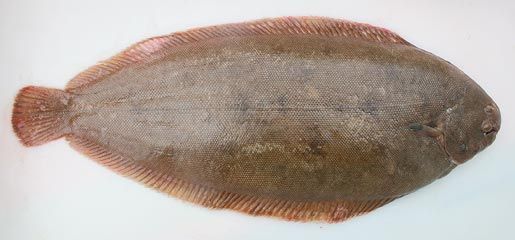
Solea solea (Linnaeus, 1758) (Common sole)
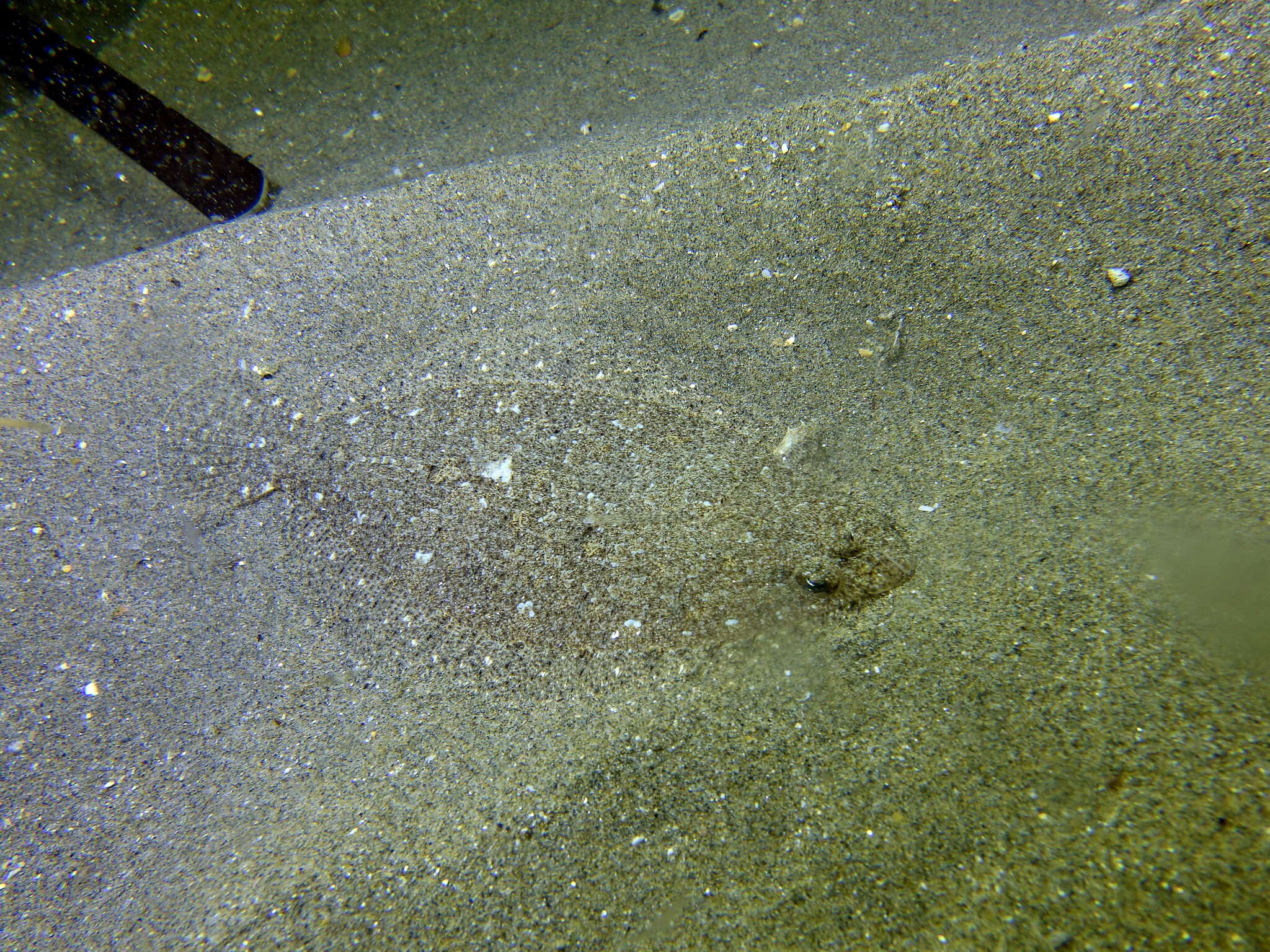
Arnoglossus laterna (Walbaum, 1792) (Scald fish)
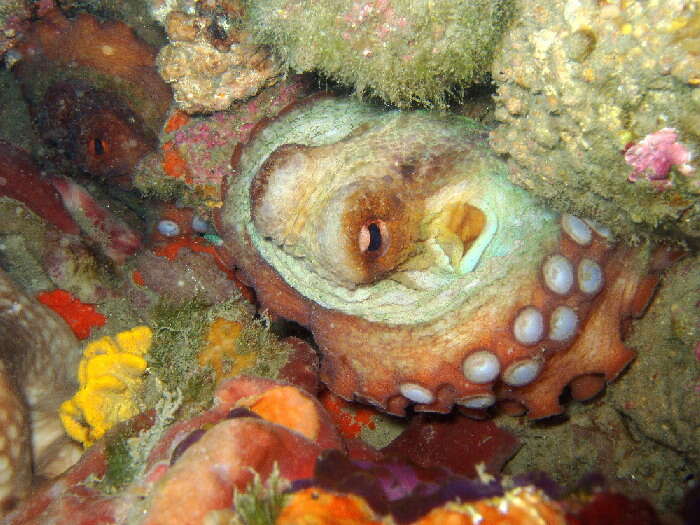
Octopus vulgaris Cuvier, 1797 (common octopus)
Like all cephalopods, the common octopus is an intelligent active predator . They have modified salivary glands that produce venom used to incapacitate prey. It is often easy to identify what a common octopus has been feed...
Read More
Read More
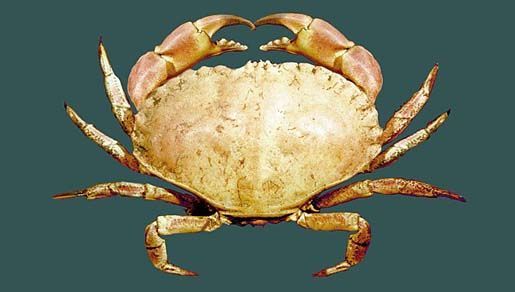
Cancer pagurus (Edible crab)
Adult edible crabs take a very wide range of prey species, and are important predators of molluscs . When on sediments, these crabs dig large pits in order to find food . Females reach maturity at carapace widths of 1...
Read More
Read More
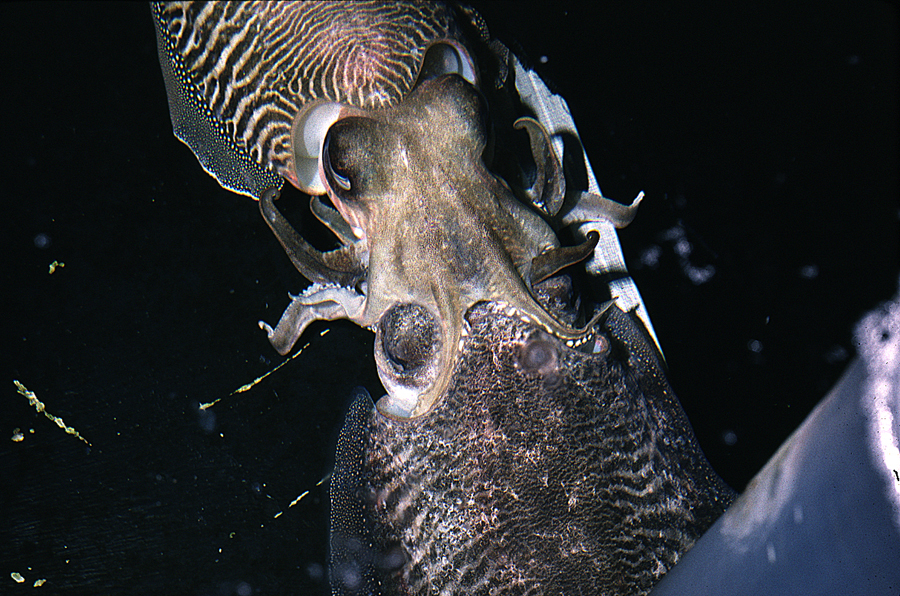
Sepia officinalis Linnaeus, 1758 (Common cuttlefish)
Cuttlefish swim using the fin that passes around the body. They can also rapidly expel water and move quickly by 'jet-propulsion' . Like all cephalopods, the common cuttlefish is an active predator, feeding on molluscs, yo...
Read More
Read More
Share on Social Networks
- Facebook:

personalize your shared text as well as its destination (wall, page...) or send as a private message to a friend
- Twitter: Tweet personalize your tweet
- Google Plus:
Direct link to this dive
- Long link:
- Short link:


 We are participating today in the startup contest Techcrunch Disrupt. Support Diveboard by voting for us!
























































































PADI Advanced Open Water
5ª Aula - Night Dive/Mergulho Noturno
Mergulho noturno nos Pés de Galo. A água estava a uma temperatura agradável, cerca de 15-16ºC, bastante calma e sem corrente. Mergulho baixo, usei pela primeira vez uma lanterna de mergulho. Sensação de estar a ser engolida pela escuridão, só conseguimos ter ideia do caminho devido à luz da lanterna.
Exercicios:
Sinais e gestos de comunicação com uma lanterna de mergulho.
Apagar a lanterna para ver os restantes mergulhadores.
Espécies que vi:
- Caranguejo eremita
- Polvo
- Choco
- Raia pequena
- Linguado
- Solha