


 Steffums


 Australia

-
Nº16
 Date: 2015-12-24 - 11:00
-
 Max Depth: 17m Duration: 32mins
Pictures

No pictures for this dive
- Surface interval:123 mins
- Dive type : Recreational, Reef, Nitrox
- Visibility: Excellent Water: Salt
Specific gear used
- Weights: 5 kg
Dive reviews
| Overall review | ||
| Dive difficulty | ||
| Marine life quality |
Recent Divers in Great Barrier Reef
Recent Pictures in Great Barrier Reef
Dive Shop & Buddies
 Dive with Deep Sea Divers Den

Link to this spot:
- Spot:
- Country:
- Area:
- Body of water:
Dive Profile
Data provided by EOL.org




Species Identified
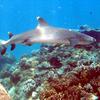
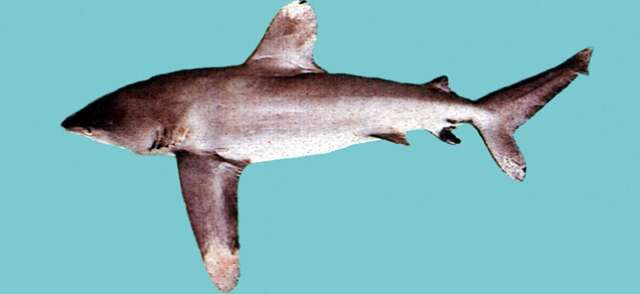
Carcharhinus longimanus (Poey, 1861) (Oceanic white-tip shark)
The diet of the oceanic whitetip shark primarily consists of bony fishes such as tuna and mackerel, but also includes stingrays, sea turtles, sea birds, squid, crustaceans, mammalian carrion , and occasionally even rubbish...
Read More
Read More
Synanceia verrucosa Bloch & Schneider, 1801 (Stonefish)
Most widespread stonefish . Found on sandy or rubble areas of reef flats and shallow lagoons and in small pools during low tide well camouflaged among the substrate and sometimes even covered with algae . Solitary specie...
Read More
Read More
Culcita novaeguineae Müller & Troschel, 1842 (cushion star)
Echinaster sepositus (common starfish)
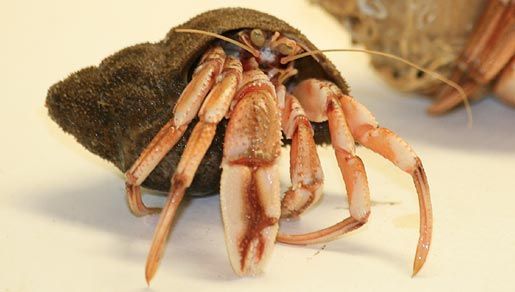
Pagurus bernhardus (common hermit crab)
Eats on dead organic material. A long foreplay, to ensure the baring of the abdomen was not vain. The mating only lasts less than a minute.
Balistapus undulatus (Park, 1797) (Orange-lined triggerfish)
Occurs in coral-rich areas of deep lagoon and seaward reefs from the lower surge zone to at least 50 meters, Ref. 48637. Feeds on a variety of benthic organisms such as algae, echinoderms, fishes, mollusks, tunicates, spo...
Read More
Read More
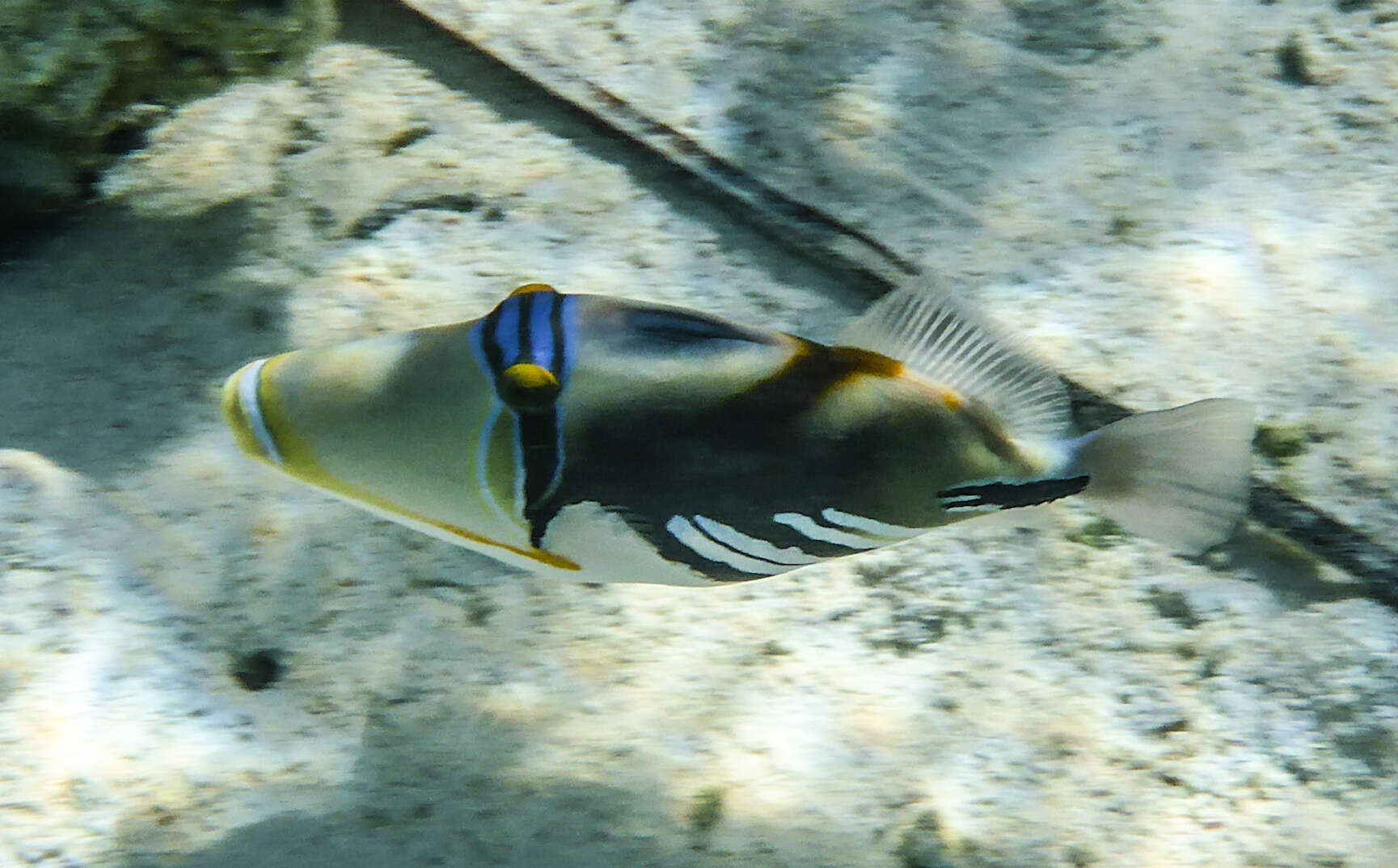
Rhinecanthus aculeatus (Linnaeus, 1758) (Blackbar triggerfish)
Commonly found in subtidal reef flats and shallow protected lagoons, Ref. 48637. Benthopelagic . Juveniles secretive with rubble patches, adults swim about openly but are usually shy . Territorial. Feed on algae, detri...
Read More
Read More
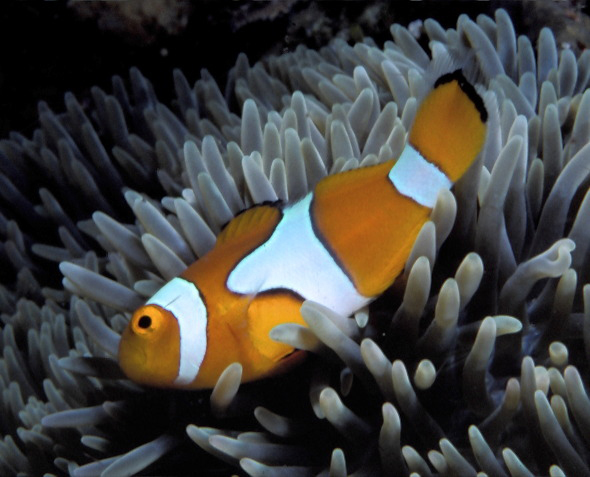
Amphiprion percula (Lacepède, 1802) (Orange clownfish)
Inhabits lagoon and seaward reefs . Each group of fish consists of a breeding pair and 0-4 non-breeders. Within each group there is a size-based hierarchy: the female is largest, the male is second largest, and the non-...
Read More
Read More
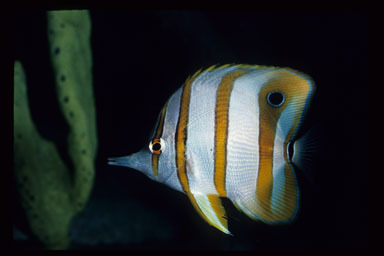
Chelmon rostratus (Linnaeus, 1758) (Copperband butterflyfish)
A common species found singly and in pairs along rocky shores and coral reefs; also in estuaries and silty inner reefs . Territorial species . Oviparous , monogamous . Forms pairs during breeding .
Chaetodon plebeius Cuvier, 1831 (Blueblotch butterflyfish)
Feed mainly on polyps of Acropora corals in lagoons and outer reefs. Oviparous , monogamous . Form pairs during breeding . Clean parasites from other fishes .
Chaetodon trifasciatus Park, 1797 (Melon butterflyfish)
Occur in coral-rich lagoons and semi-protected seaward reefs. Territorial and aggressive to other Chaetodon. Small juveniles secretive in corals . Swim in pairs. Feed exclusively on coral polyps, particularly of the Pocillopora type . Oviparous , monogamous . Form pairs during breeding .
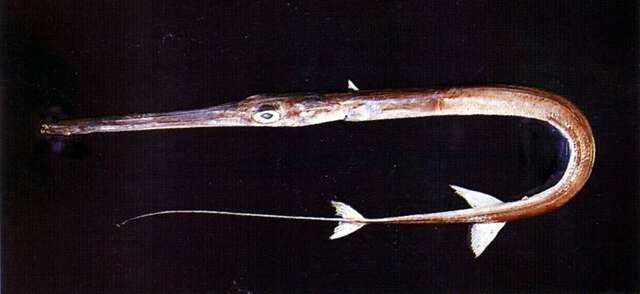
Fistularia petimba Lacepède, 1803 (Pacific cornetfish)
Share on Social Networks
- Facebook:

personalize your shared text as well as its destination (wall, page...) or send as a private message to a friend
- Twitter: Tweet personalize your tweet
- Google Plus:
Direct link to this dive
- Long link:
- Short link:


 We are participating today in the startup contest Techcrunch Disrupt. Support Diveboard by voting for us!
























































































