


 Stevef

 United States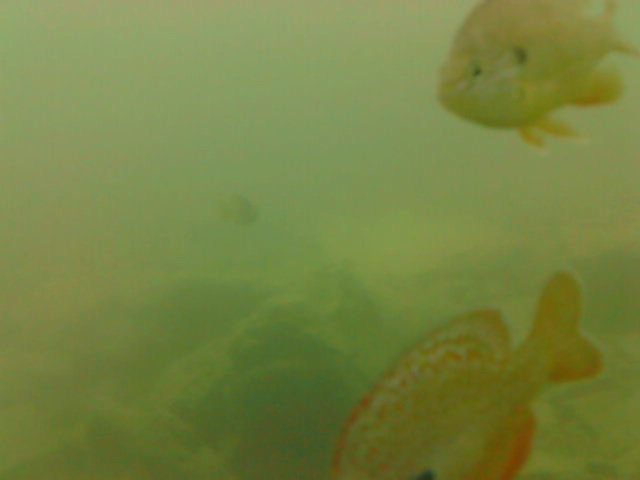
-
Nº44
 Date: 2013-06-08 - 13:25
-
 Max Depth: 12.2m Duration: 52mins
Dive Location

- Temp: Surf 24°C Bottom 18°C
- Dive type : Recreational, Photo, Video for Emily's documentary
- Visibility: Bad Water: Fresh
Specific gear used
- Weights: 5.9 kg
Recent Divers in Arkansas
Dive Shop & Buddies
 Dive buddies:
Emily Field
Dive buddies:
Emily Field

Link to this spot:
- Spot:
- Country:
- Area:
- Body of water:
Dive Profile
Data provided by EOL.org


Species Identified
Lepomis megalotis (Rafinesque, 1820) (Creek perch)
Nearly always found in shallow water, preferring habitats with dense vegetation in small lakes, ponds and slow moving rivers and streams. Feed on small aquatic invertebrates, insects, and occasionally small fishes. .
Micropterus dolomieu Lacepède, 1802 (Smallmouth bass)
Inhabit shallow rocky areas of lakes, clear and gravel-bottom runs and flowing pools of rivers, cool flowing streams and reservoirs fed by such streams . Young feed on plankton and immature aquatic insects while adults ta...
Read More
Read More
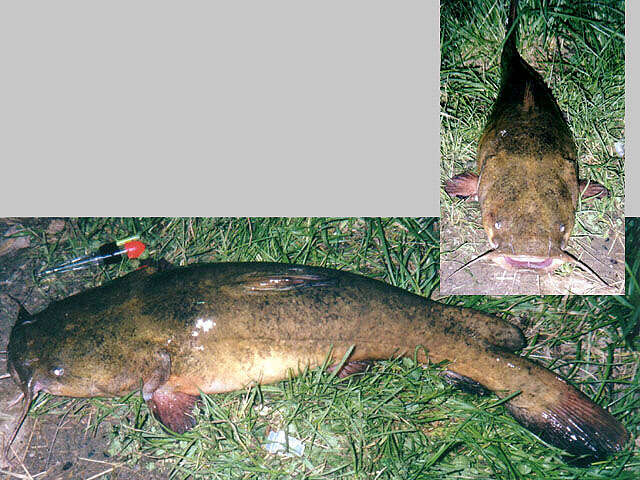
Pylodictis olivaris (Rafinesque, 1818) (Catfish)
Inhabit pools with logs and other debris in low-gradient to moderate-gradient, small to large rivers. Also found in lakes and impoundments. Young occur in rocky and sandy runs and riffles . Juveniles feed on aquatic insect immatures in riffle areas .
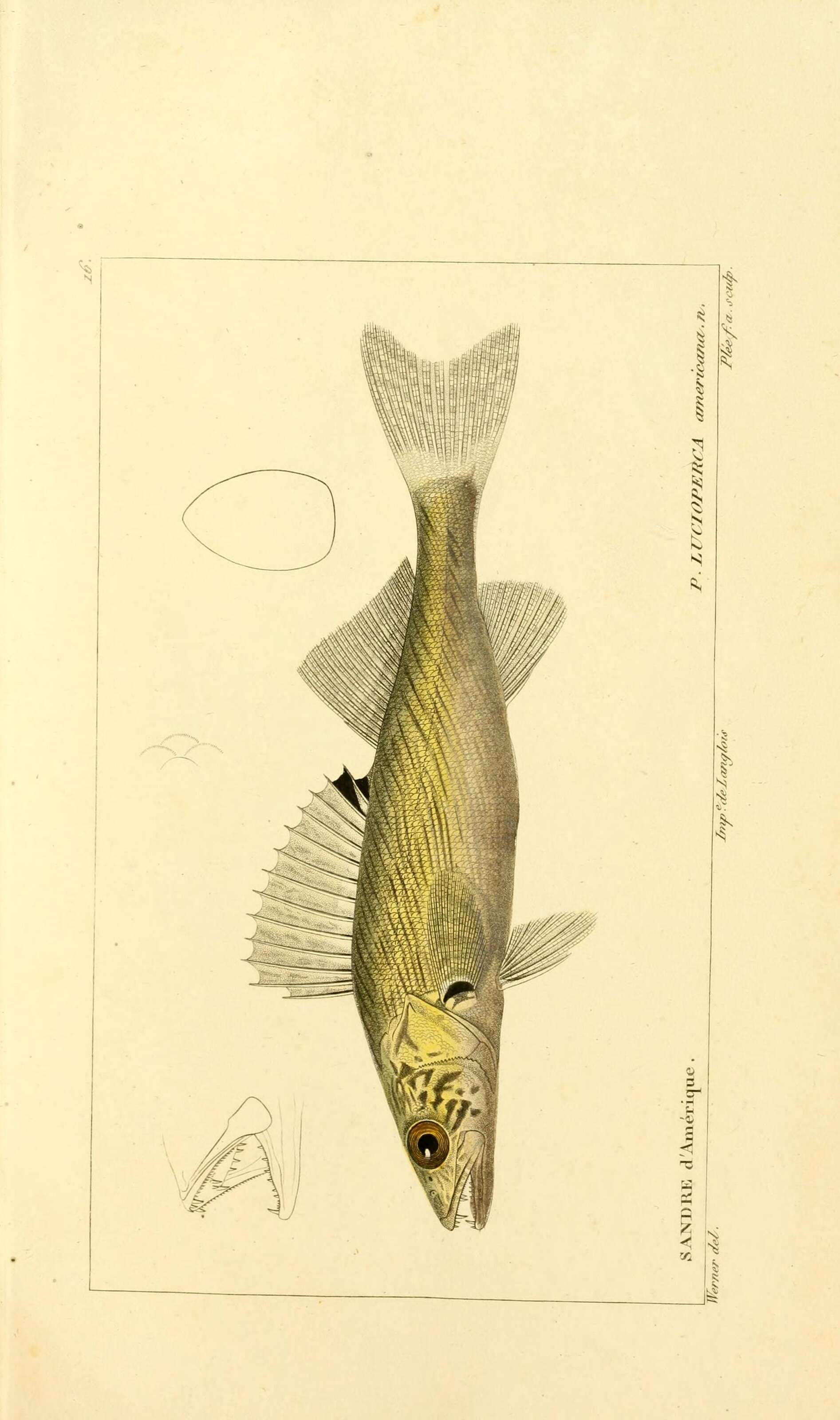
Sander vitreus (Mitchill, 1818) (blue pike)
Occurs in lakes, pools, backwaters, and runs of medium to large rivers. Prefers large, shallow lakes with high turbidity . Feeds at night, mainly on insects and fishes but feeds on crayfish, snails, frogs, mudpuppies, a...
Read More
Read More
Share on Social Networks
- Facebook:

personalize your shared text as well as its destination (wall, page...) or send as a private message to a friend
- Twitter: Tweet personalize your tweet
- Google Plus:
Direct link to this dive
- Long link:
- Short link:


 We are participating today in the startup contest Techcrunch Disrupt. Support Diveboard by voting for us!
























































































This dive was to take stock video for a documentary Emily is making for her film class. We dove the bluffs at the Beaver Lake North Dam Site.
The thermocline was very sharp at about 26 ft. At 40Ft the water temp was uncomfortably cold so we kept our depth too around 25-35 ft.
Viz was poor by most standards but OK by Beaver Lake standards. We had maybe 15 ft at most.
We entered the water at the boat ramp and proceeded south until we reached the bluffs then followed them further south until we reached 1800 lbs of air. At this point we turned around and headed back north the way we came until we reached our dive flag and followed our line up to the surface. We made a surface swim back to the boat ramop where we exited the water.