


 Tony G

 Kenya
Kenya
-
Nº45
 Date: 2006-11-13 - 09:47
-
 Max Depth: 18m Duration: 42mins
Pictures

No pictures for this dive
- Temp: Surf 32°C Bottom 26°C
- Visibility: Good Water: Salt
Specific gear used
- Weights: 6 kg
Dive reviews
| Overall review | ||
| Dive difficulty | ||
| Marine life quality |
Recent Divers in Malindi

Link to this spot:
- Spot:
- Country:
- Area:
- Body of water:
Dive Profile
Data provided by EOL.org


Species Identified
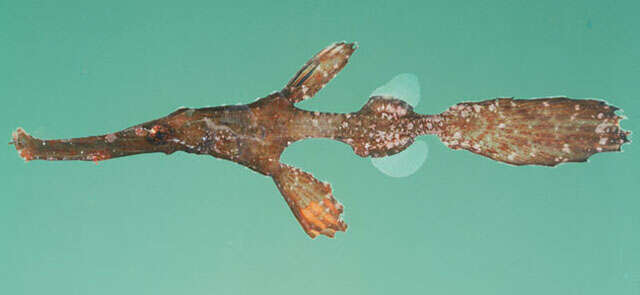
Solenostomus cyanopterus Bleeker, 1854 (Ghost pipefish)
Mostly pelagic until it settles on the substrate for breeding . Uncommon species found in coastal reefs and weedy areas . Monogamous, always in pairs . Females carry the eggs in their pelvic fins that are modified to form a brood pouch . Feed on small crustaceans .
Chelonia mydas Linnaeus 1758 (Green Turtle)
Green turtles are long-lived and may take up to 59 years to reach sexual maturity Undertaking tremendous feats of navigation, adults return to the same beach to breed each season, part of the population in Brazil astonish...
Read More
Read More
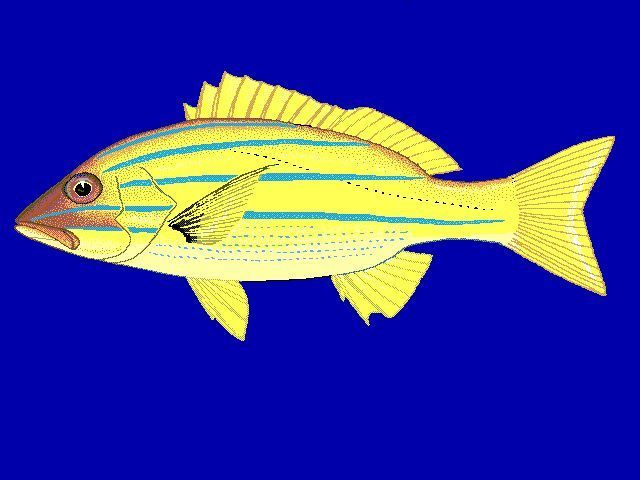
Lutjanus kasmira (Forsskål, 1775) (bluebanded sea perch)
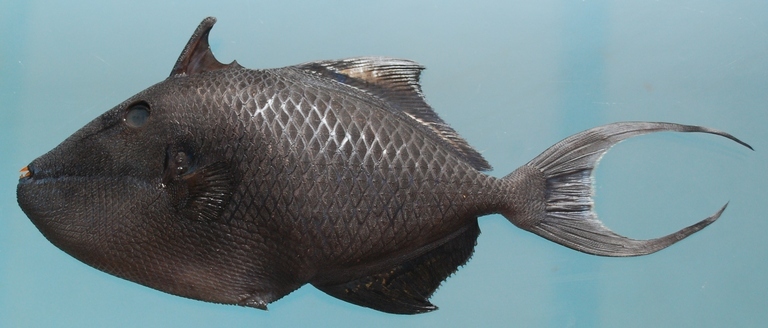
Odonus niger (Rüppell, 1836) (Redtoothed triggerfish)
Inhabits reef channels or along slopes that are subject to strong currents . Occur in current-swept seaward coral reefs. Usually form aggregations and feed on zooplankton as well as sponges . Juveniles associated with i...
Read More
Read More
Sphyraena barracuda (Edwards, 1771) (Alho)
Sphyraena flavicauda Rüppell, 1838 (Yellowtail barracuda)
Inhabits lagoon and sheltered seaward reefs ; also found in bays . Often schools on coastal reefs .
Rhinecanthus assasi (Forsskål, 1775) (Picasso triggerfish)
Inhabits shallow sandy and rubble areas of coral reefs . Juveniles are commonly found on reef flats . Feeds on benthic invertebrates . Caught with artisanal gear, mainly pots .
Amblyeleotris periophthalma (Bleeker, 1853) (Periophthalma prawn-goby)
Found in sandy areas of lagoon and seaward reefs . Inhabits burrows with alpheid shrimps . Inhabits coastal to outer reef sand slopes to 35 meters depth .
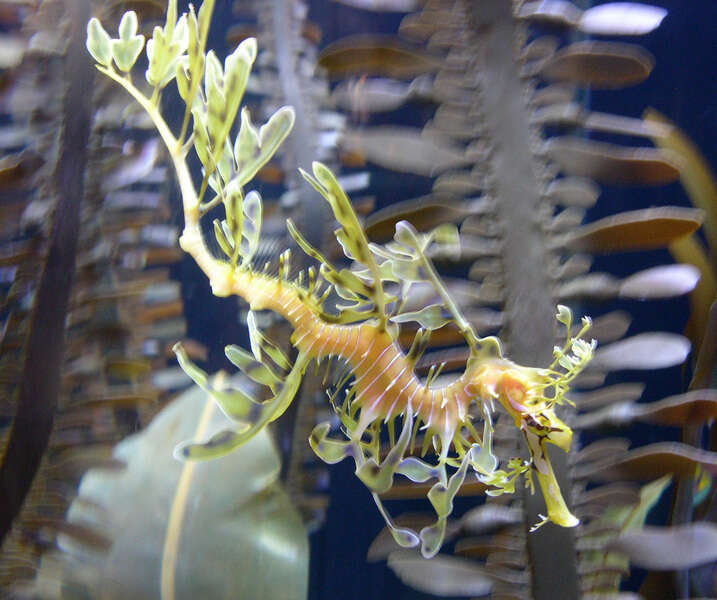
Phycodurus eques (Günther, 1865) (leafy seadragon)
Seadragons are seen either solitarily or in pairs, they are slow-moving and rely on their elegant camouflage to provide protection from predators . In common with seahorses, it is the male seadragon that carries the develo...
Read More
Read More
Share on Social Networks
- Facebook:

personalize your shared text as well as its destination (wall, page...) or send as a private message to a friend
- Twitter: Tweet personalize your tweet
- Google Plus:
Direct link to this dive
- Long link:
- Short link:


 We are participating today in the startup contest Techcrunch Disrupt. Support Diveboard by voting for us!
























































































