


 Tony G

 Egypt
Egypt
-
Nº7
 Date: 2004-12-08 - 09:45
-
 Max Depth: 20m Duration: 35mins
Pictures

No pictures for this dive
- Temp: Surf 34°C Bottom 24°C
- Dive type : Recreational, Reef
- Visibility: Excellent Water: Salt
Specific gear used
- Weights: 8 kg
Dive reviews
| Overall review | ||
| Dive difficulty | ||
| Marine life quality | ||
| Big fish |
Recent Divers in Ras Mohammed
Recent Pictures in Ras Mohammed

Link to this spot:
- Spot:
- Country:
- Area:
- Body of water:
Dive Profile
- 1. Air
- 12L Aluminium 200 → 50 bar
- Average depth: 13.3m
Data provided by EOL.org












Species Identified
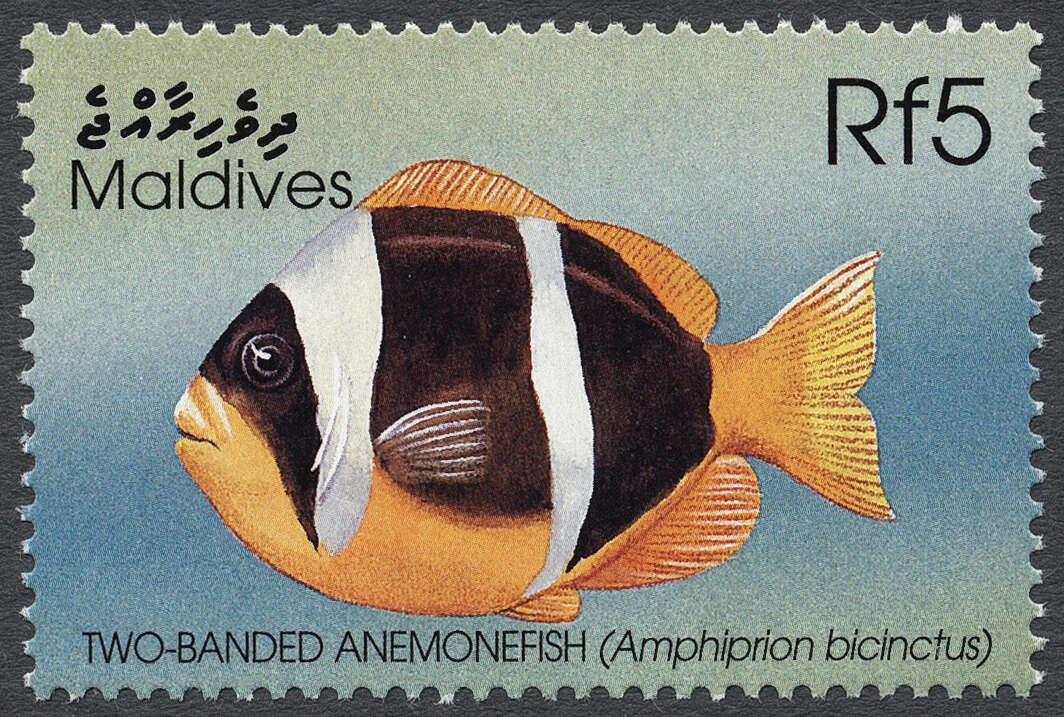
Amphiprion bicinctus Rüppell, 1830 (threebanded anemonefish)
Inhabits lagoons and outer reefs. Oviparous, with elliptical eggs . Monogamous . Has been reared in captivity . Associated with the anemones: Entacmaea quadricolor, Heteractis aurora, Heteractis crispa, Heteractis magnifica, and Stichodactyla gigantea .
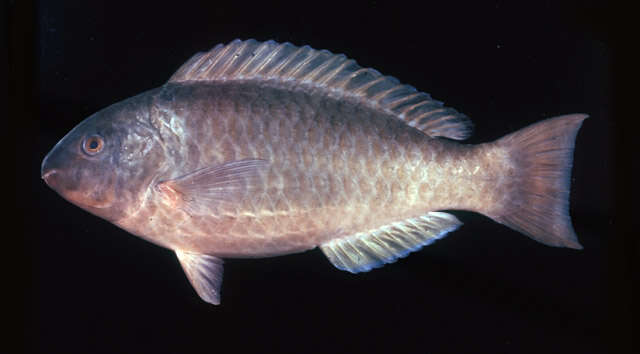
Scarus collana Rüppell, 1835 (Red Sea parrotfish)
Occurs around small coral heads or dead coral rock on silty sand of inshore reefs . Solitary species .
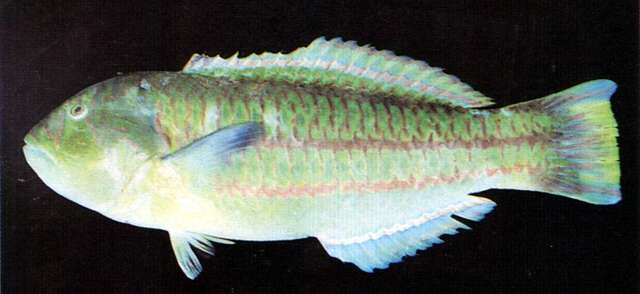
Scarus ghobban Forsskål, 1775 (Blue-barred parrotfish)
Thalassoma purpureum (Forsskål, 1775) (Surge wrasse)
Coris aygula Lacepède, 1801 (Clown wrasse)
Occurs in the vicinity of sand or rubble patches of exposed outer reef flats, lagoon reefs, and seaward reefs , often in semi-exposed surge zones . Adults solitary. Juveniles common in shallow tide pools . Feeds mainly ...
Read More
Read More
Labroides dimidiatus (Valenciennes, 1839) (Bluestreak cleaner wrasse)
Inhabits coral rich areas of inner lagoons and subtidal reef flats to seaward reefs . Feeds on crustacean ectoparasites and mucus of other fishes . Monogamous . A protogynous hermaphrodite . Stays in stations where oth...
Read More
Read More
Thalassoma rueppellii (Klunzinger, 1871) (Klunzinger's wrasse)
Inhabits reef margins and seaward slopes . Minimum depth reported from Ref. 9710.
Gomphosus caeruleus Lacepède, 1801 (Checkerboard wrasse)
Inhabits coral-rich areas of lagoon and seaward reefs . Also in rocky reefs . Feeds on small invertebrates .
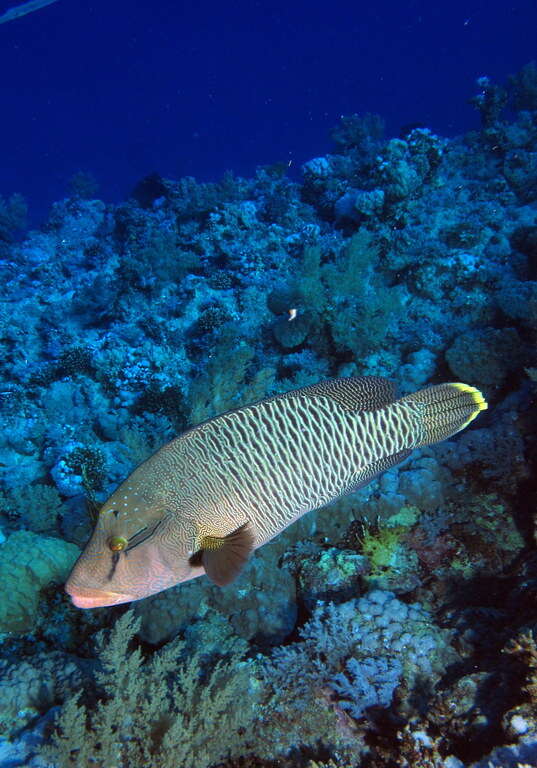
Cheilinus undulatus Rüppell, 1835 (Humphead wrasse)
Humphead wrasses are extremely long-lived, known to survive for at least 30 years, and taking around five to seven years to reach sexual maturity . Adults are usually solitary, spending the day roaming the reef and returni...
Read More
Read More
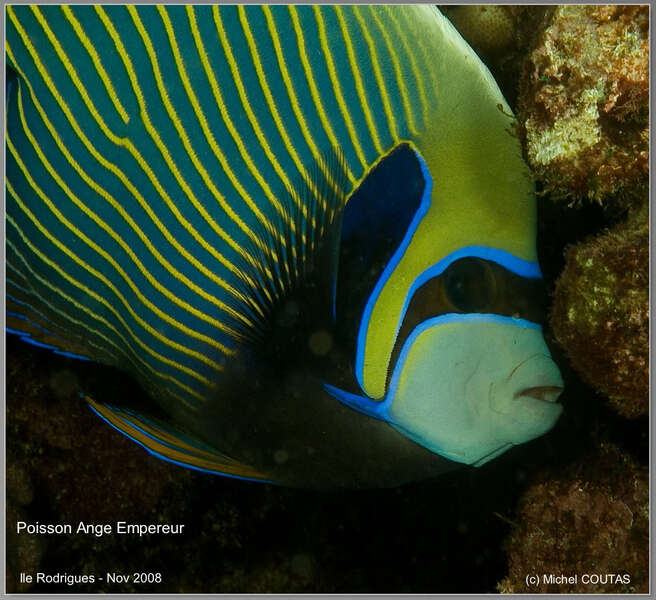
Pomacanthus imperator (Bloch, 1787) (Angel fish)
Juveniles are encountered under ledges, or in holes of outer lagoon patch reefs or semi-protected areas of exposed channels and outer reef flats. Subadults move to reef front holes and surge channels. Large adults inhabi...
Read More
Read More
Pomacanthus asfur (Forsskål, 1775) (Arabian angelfish)
Common around semi-protected inshore reefs with rich soft and hard coral growth, occasional patches of silt bottom. Very aggressive toward its own species, unless paired. Feeds mainly on sponges and tunicates . Minimum depth reported taken from Ref. 9710.
Rhinecanthus assasi (Forsskål, 1775) (Picasso triggerfish)
Inhabits shallow sandy and rubble areas of coral reefs . Juveniles are commonly found on reef flats . Feeds on benthic invertebrates . Caught with artisanal gear, mainly pots .
Gymnothorax flavimarginatus (Rüppell, 1830) (Yellow-edged moray)
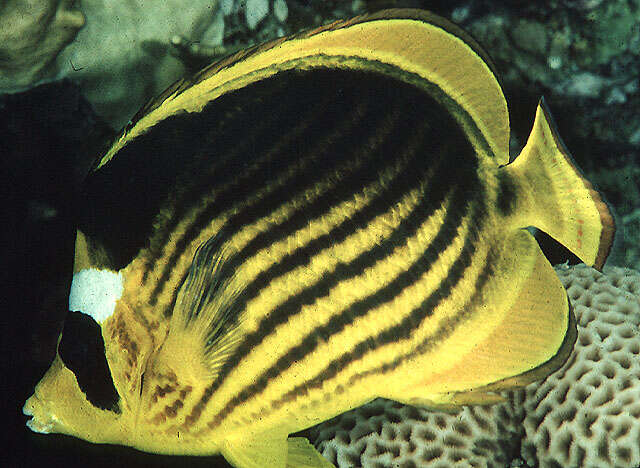
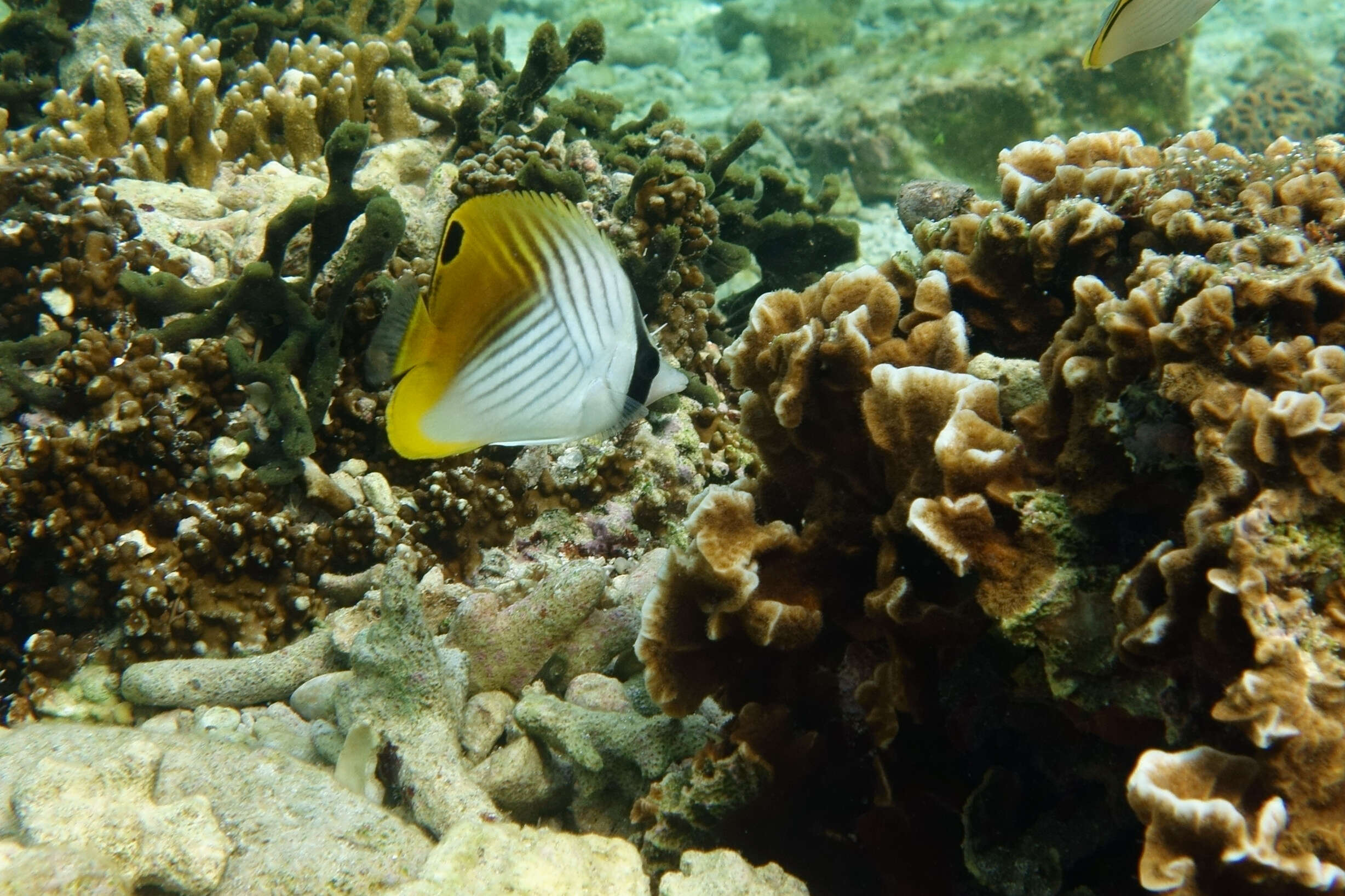
Chaetodon fasciatus Forsskål, 1775 (Diagonal butterflyfish)
Commonly found on reef flats . Usually solitary or in pairs in areas with rich coral growth. Monogamous . Feed mainly on coral polyps . Oviparous . Form pairs during breeding .
Chaetodon auriga Forsskål, 1775 (Cross-stripe butterfly)
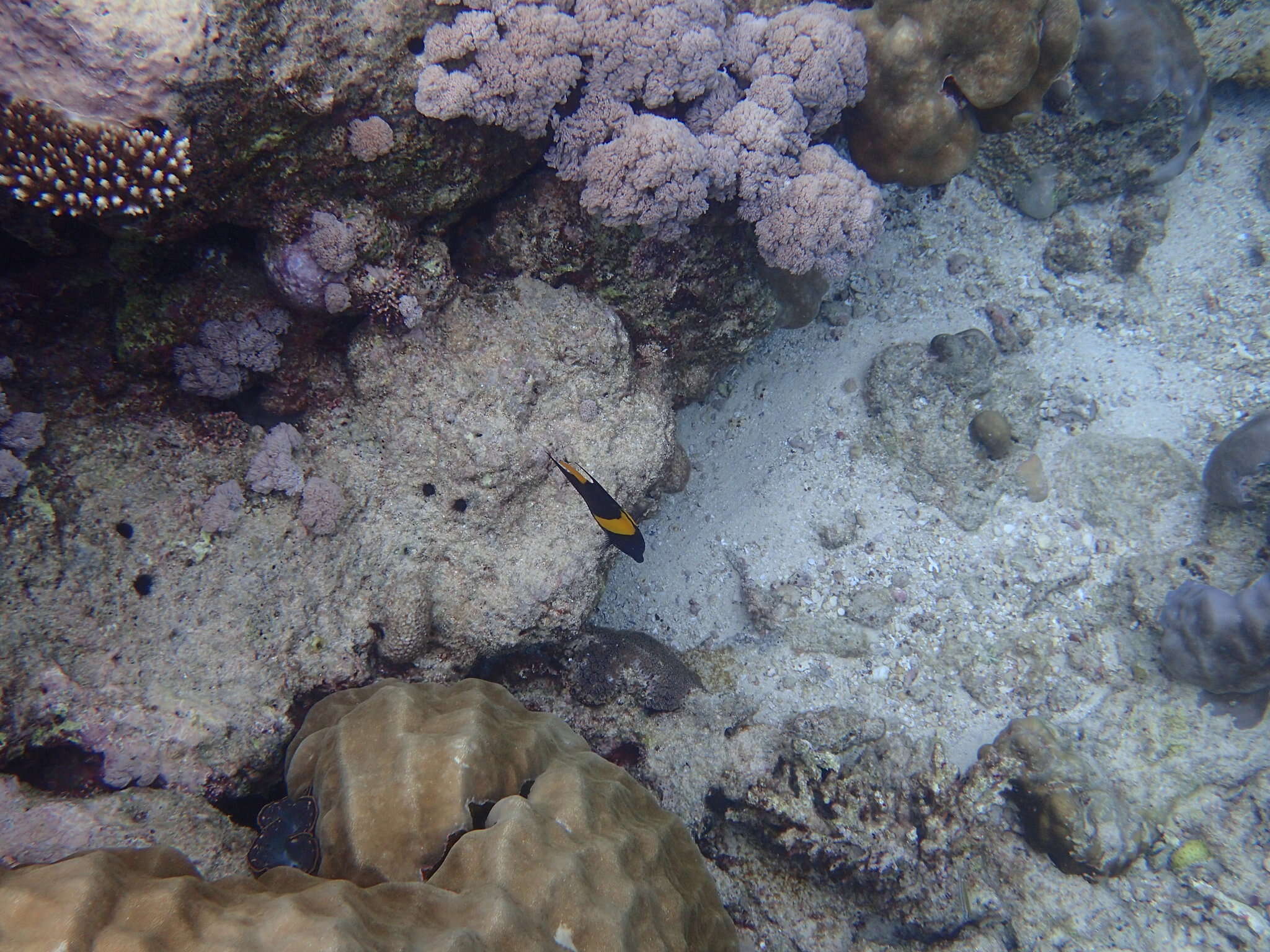
Chaetodon austriacus Rüppell, 1836 (Blacktail butterflyfish)
Found in coral rich areas; juveniles confined to single coral heads . Territorial and usually in pairs. Mainly diurnal. Oviparous . Form pairs during breeding .
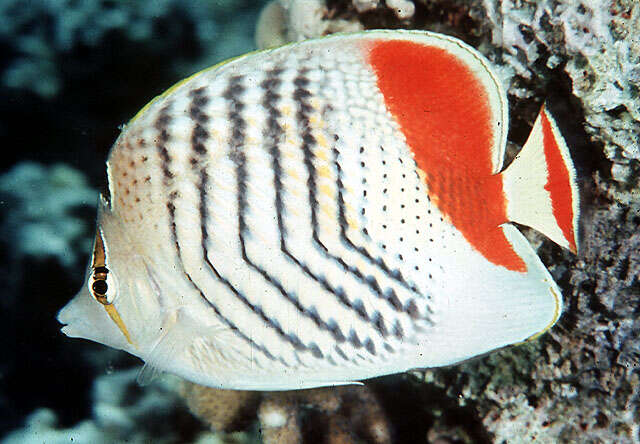
Chaetodon paucifasciatus Ahl, 1923 (Eritrean butterflyfish)
Found over coral and rubble areas, in pairs or in small groups. Found to depths of 65 m . Feed on coral polyps, gorgonians, algae, polychaete worms and small crustaceans. Oviparous , monogamous . Form pairs during breed...
Read More
Read More
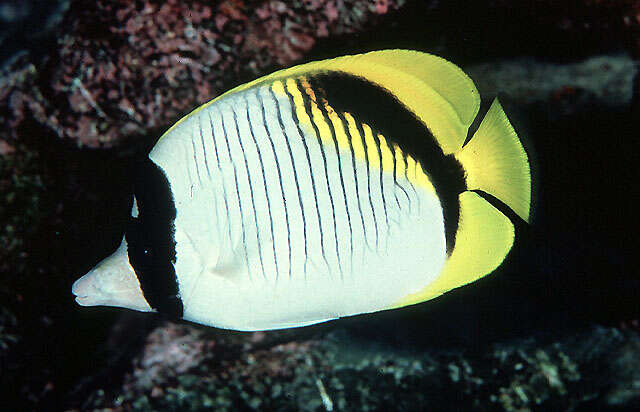
Chaetodon lineolatus Cuvier, 1831 (Line butterflyfish)
Occur in lagoon and seaward reefs, usually in pairs in coral rich areas . Benthopelagic . Feed mainly on coral polyps and anemones, but also on small invertebrates and algae . Largest species in the genus . Oviparous . Form pairs during breeding .
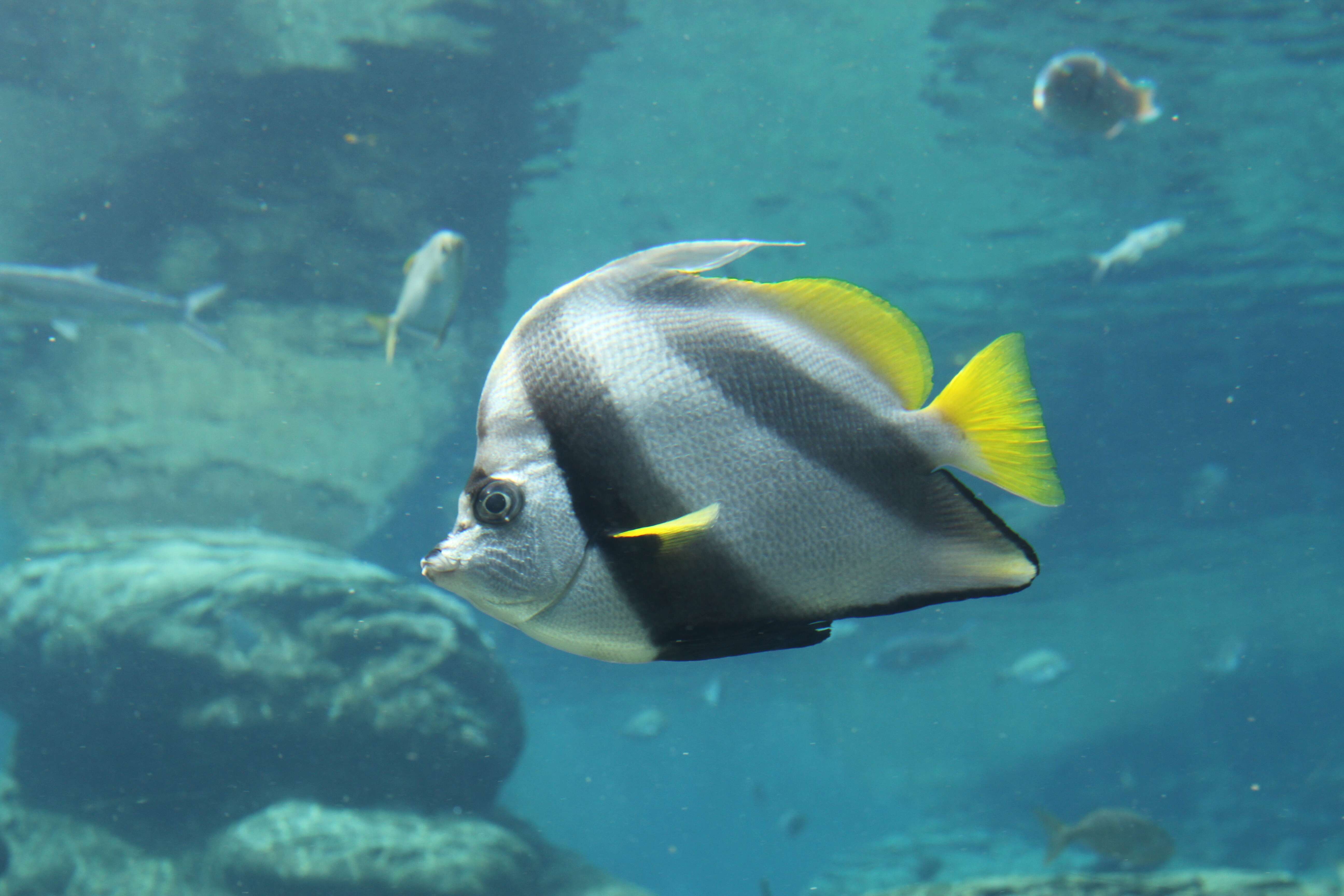
Heniochus diphreutes Jordan, 1903 (False moorish idol)
Occur primarily along outer reef slopes, in current channels. Juveniles in aggregations around isolated patch reefs, adults in large schools well above the bottom . In Indonesia, adults most common in depth 40-50 m, repo...
Read More
Read More
Pterois volitans (Linnaeus, 1758) (Red lionfish)
Pterois miles (Bennett, 1828) (Devil firefish)
Lives in coastal waters in muddy habitats . Fin spines highly venomous, may cause human death .
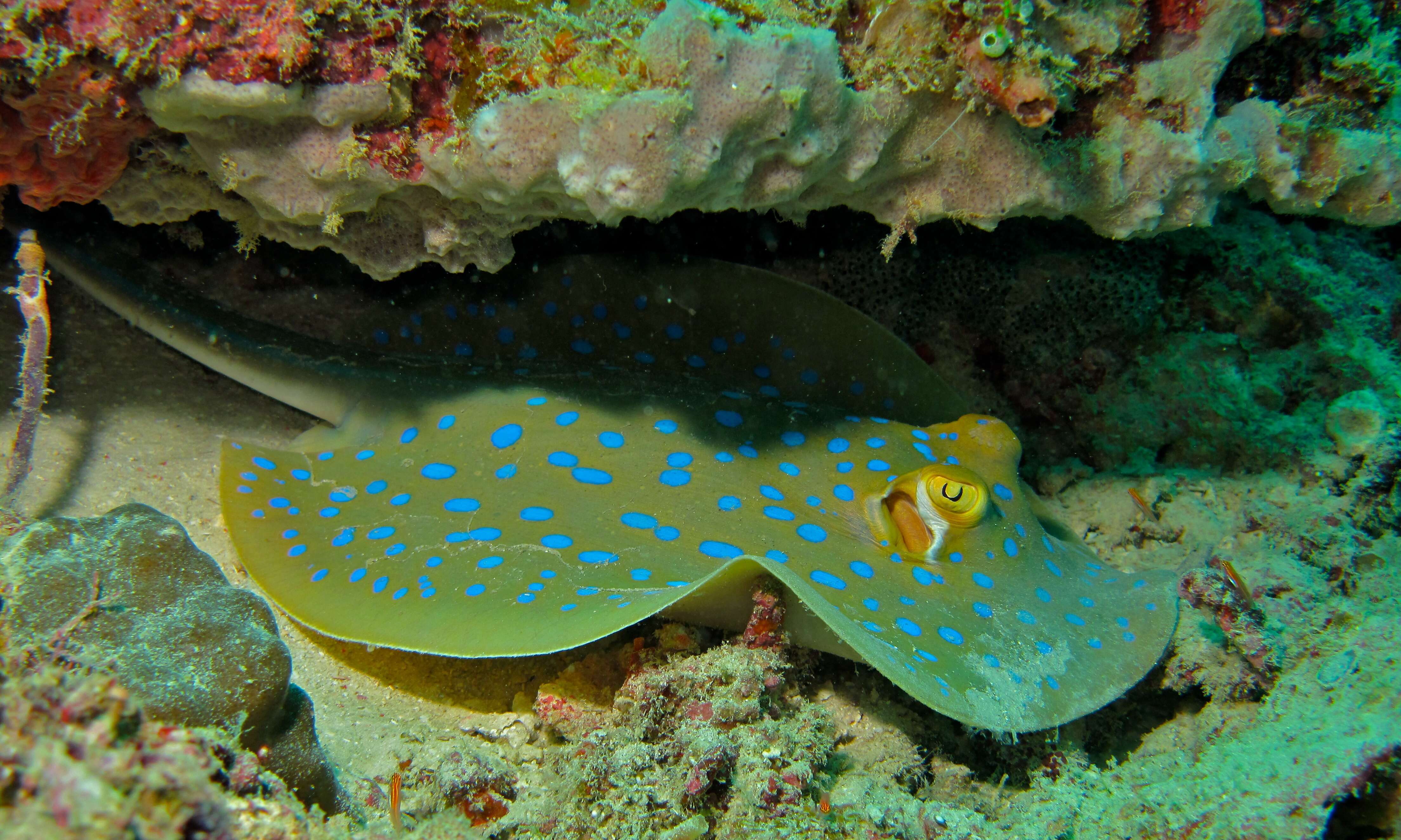
Taeniura lymma (Forsskål, 1775) (Bluespotted ribbontail ray)
Blue-spotted stingrays live alone or in small groups , migrating in large schools into shallow sandy areas on the rising tide in order to feed, and dispersing back into the ocean as the tide falls to shelter in the coral c...
Read More
Read More
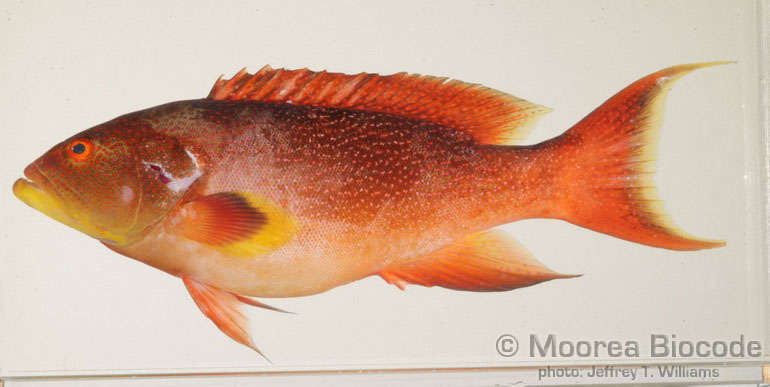
Variola louti (Forsskål, 1775) (lunartailed rockcod)
Usually seen in clear-water areas at depths below 15 m, and prefers islands and offshore reefs rather than continental shores. Feeds mainly on fishes, and on crabs, shrimps and stomatopods. It is highly appreciated for t...
Read More
Read More
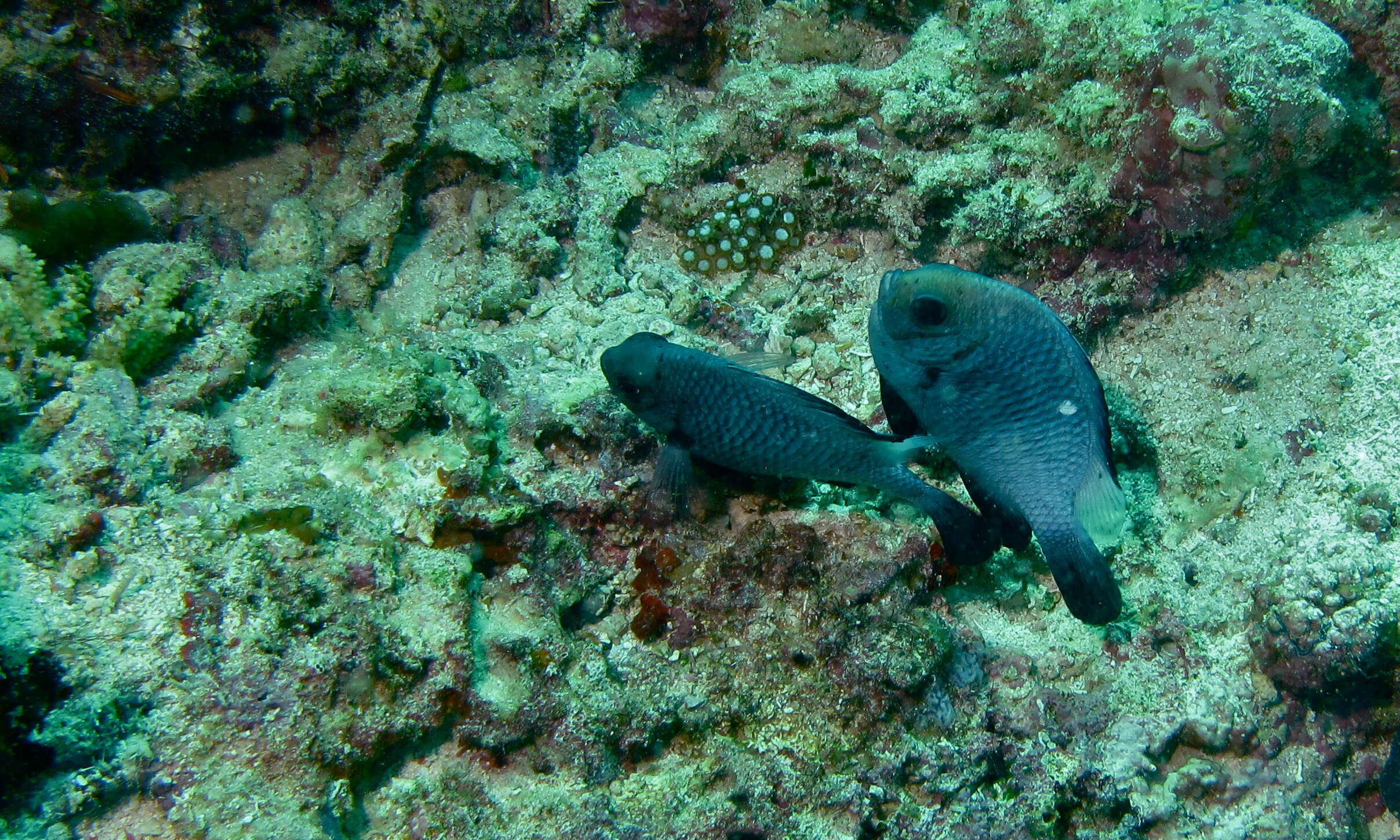
Dascyllus aruanus (Linnaeus, 1758) (black-and-white damselfish)
Territorial, inhabit shallow lagoon and subtidal reef flats. Form large aggregations above staghorn Acropora thickets or in smaller groups above isolated coral heads. Feed on zooplankton, benthic invertebrates, and algae...
Read More
Read More
Pomacentrus sulfureus Klunzinger, 1871 (Sulfur damsel)
Inhabits inshore coral reefs, in areas with rich-coral growth .
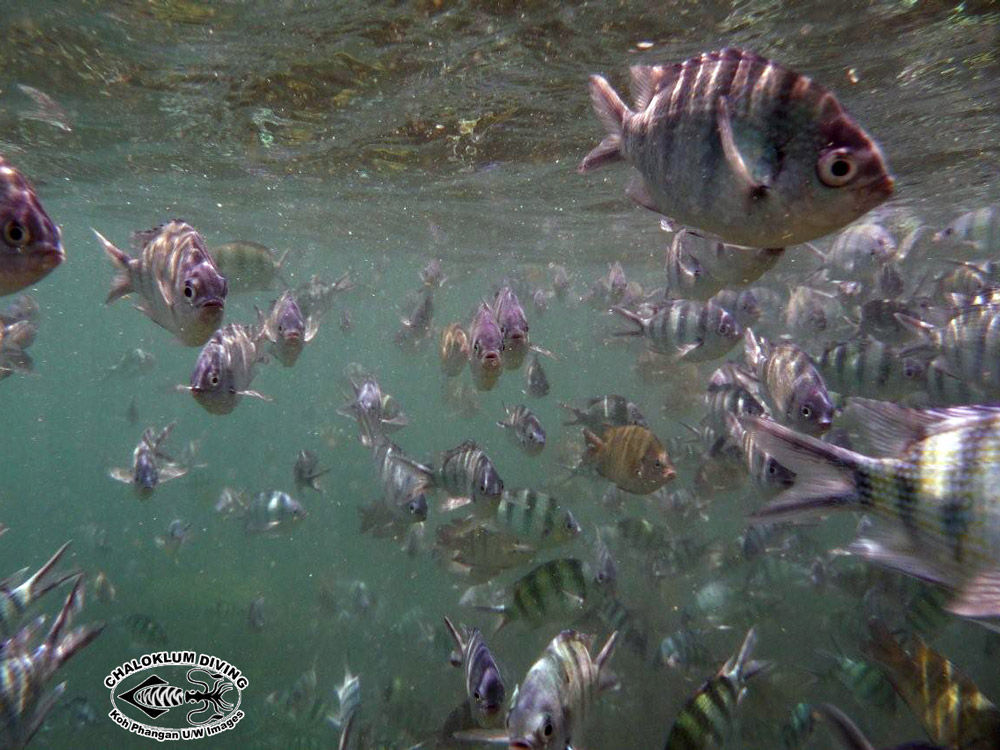
Abudefduf sexfasciatus (Lacepède, 1801) (Natal sergeant)
Inhabits inshore and offshore coral or rocky reefs. Also in shallow coastal reef flats or crests, usually where lots of tall soft corals or hydroid colonies are present . Feeds on zooplankton and algae and aggregates high in the water column .
Dascyllus trimaculatus (Rüppell, 1829) (threespot humbug)
Inhabits coral and rocky reefs, juveniles often commensal with large sea anemones, sea urchins, or small coral heads . Occurs in small to large aggregations. Stomach contents include algae, copepods, and other planktonic crustaceans.
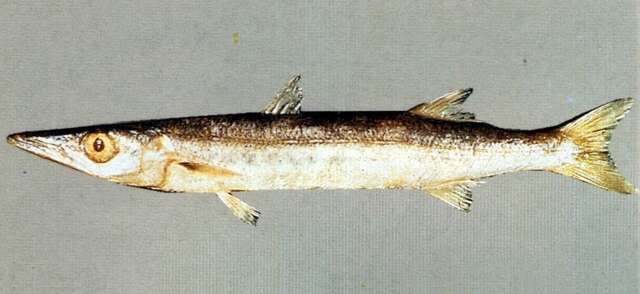
Sphyraena forsteri Cuvier, 1829 (Bigeye barracuda)
Nocturnally active, but occurring in large schools above lagoon patch reefs and along outer reef slopes during the day . Feeds mainly on fishes, but also on penaeid shrimps and squids. Sold fresh, frozen or dried salted. Reports of ciguatera poisoning need confirmation.
Priacanthus hamrur (Forsskål, 1775) (Moontail bullseye)
Uncommon species found in outer reef slopes and deep lagoon pinnacles from 8 to at least 80 m. In small aggregations, sometimes schools in oceanic locations . Feeds on small fish, crustaceans, and other small invertebrates . Generally marketed fresh, may be salted or dried .
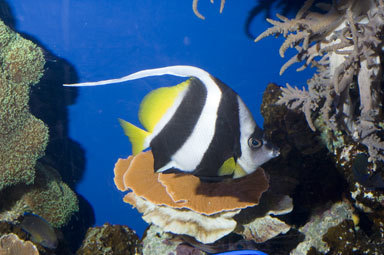
Heniochus acuminatus (Linnaeus, 1758) (Pennant coralfish)
Inhabit deep, protected lagoons and channels, and the deeper parts of outer reef slopes. Juveniles are often solitary while adults occur in pairs . A planktivorous species that generally remains within a few meters of th...
Read More
Read More
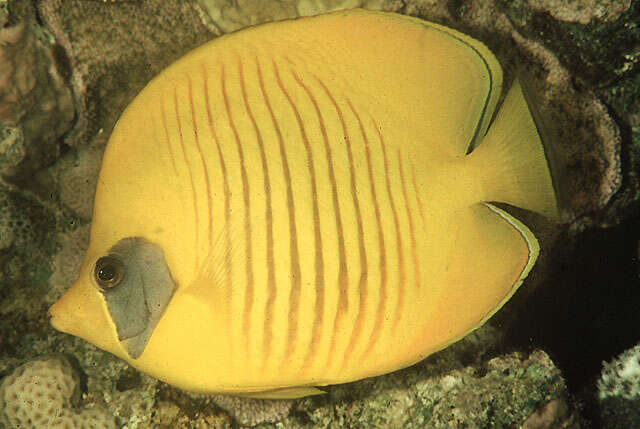
Chaetodon semilarvatus Cuvier, 1831 (Bluecheek butterflyfish)
A common species found in areas where there is rich coral growth. Often seen in pairs or small aggregations. Occasionally observed hovering in a stationary position for extended periods under ledges of Acropora plate corals . Oviparous . Form pairs during breeding .
Parupeneus forsskali (Fourmanoir and Guézé, 1976) (forsskâl's goatfish)
The most common goatfish in shallow water in the Red Sea. Usually found on sand bottoms near coral reefs . Feeds on invertebrates that live on sand .
Pseudanthias fasciatus (Kamohara, 1954) (One-stripe anthias)
Found in or near caves and ledges of seaward reefs . Adults swim upside-down .
Pseudanthias heemstrai Schuhmacher, Krupp & Randall, 1989 (Orangehead anthias)
Found in harems. Minimum depth range from Ref. 27115.
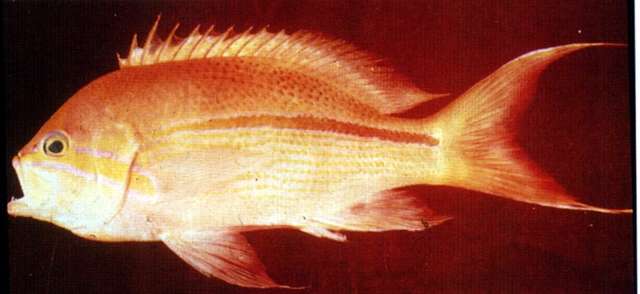
Pseudanthias squamipinnis (Peters, 1855) (Sea goldie)
Found above coral outcrops or patch reefs of clear lagoons, channels, or outer reef slopes. Form large aggregations. Feed on zooplankton . A protogynous hermaphrodite . Males are territorial and haremic . Color patter...
Read More
Read More
Cirrhitichthys falco Randall, 1963 (Dwarf hawkfish)
Shallow coastal to outer reef flats and slopes to 45 m depth . Common inhabitant of coral reefs, typically resting at the bases of coral heads . Studies indicate that it is haremic and spawns nightly . Occasionally in pairs .
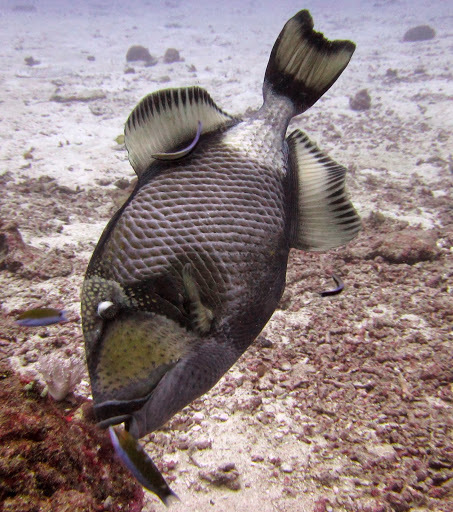
Balistoides viridescens (Bloch and Schneider, 1801) (Titan triggerfish)
Occur in lagoon, seaward reefs and sheltered inner reef slopes . Juveniles often associated with isolated patches of branching coral or rubble of shallow sandy protected areas. Adults occur singly or in pairs on the slo...
Read More
Read More
Share on Social Networks
- Facebook:

personalize your shared text as well as its destination (wall, page...) or send as a private message to a friend
- Twitter: Tweet personalize your tweet
- Google Plus:
Direct link to this dive
- Long link:
- Short link:


 We are participating today in the startup contest Techcrunch Disrupt. Support Diveboard by voting for us!
























































































first proper wall dive got a bit over excited Egypt was way better than the in shore reef in mexico