


 Victor Masmitjà Prieto

 Spain
Spain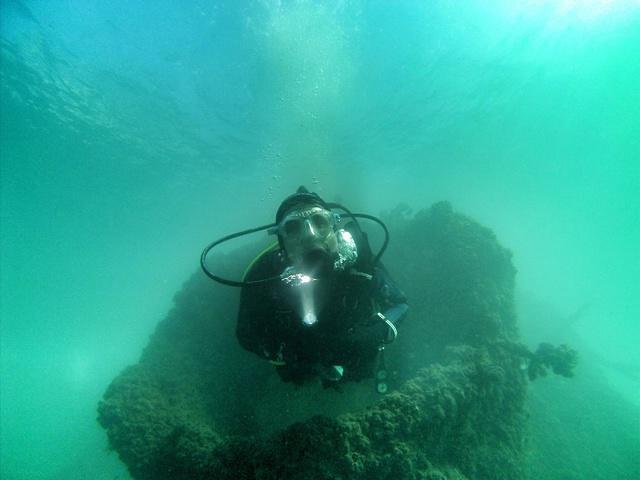
-
Nº102
 Date: 2014-10-18 - 10:15
-
 Max Depth: 7.3m Duration: 90mins
Dive Location

- Surface interval:0 mins
- Temp: Surf 21°C Bottom 21°C
- Dive type : Recreational, Wreck
- Visibility: Average Water: Salt
Specific gear used
- Computer: Mares - Puck
- Fins: Mares - Avanti Quattro
- Regulator: Aqualung - Titan
- BCD: Subacqua - Elite 1000
- Wet suit: Subacqua - Ice Flex 7mm
- Weights: 6 kg
Dive reviews
| Overall review | ||
| Dive difficulty | ||
| Marine life quality | ||
| Wreck |
Recent Divers in Barcelona

Recent Pictures in Barcelona
Dive Shop & Buddies
 Dive with Hellfish Scuba Crew
 Hellfish Scuba Crew confirmed the dive with parameters: 7.3m / 90mins
 Dive buddies:
Javi Polo
Dive buddies:
Javi Polo

Link to this spot:
- Spot:
- Country:
- Area:
- Body of water:
Dive Profile
- 1. Air
- 12L Steel 190 → 70 bar
- Average depth: 4.4m
Data provided by EOL.org

Species Identified
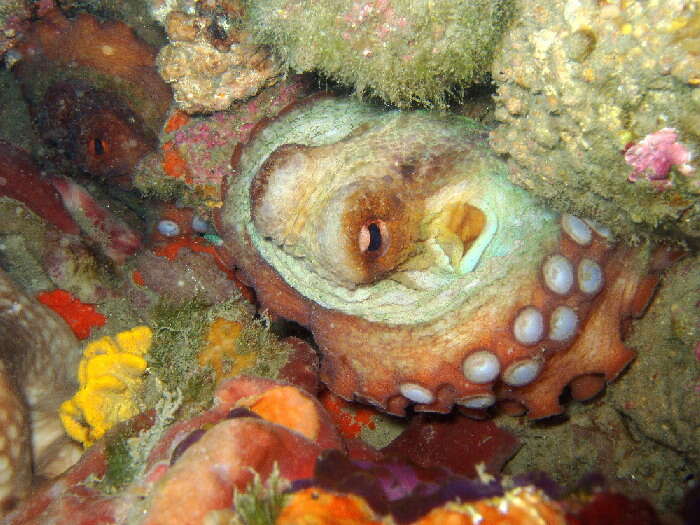
Octopus vulgaris Cuvier, 1797 (common octopus)
Like all cephalopods, the common octopus is an intelligent active predator . They have modified salivary glands that produce venom used to incapacitate prey. It is often easy to identify what a common octopus has been feed...
Read More
Read More
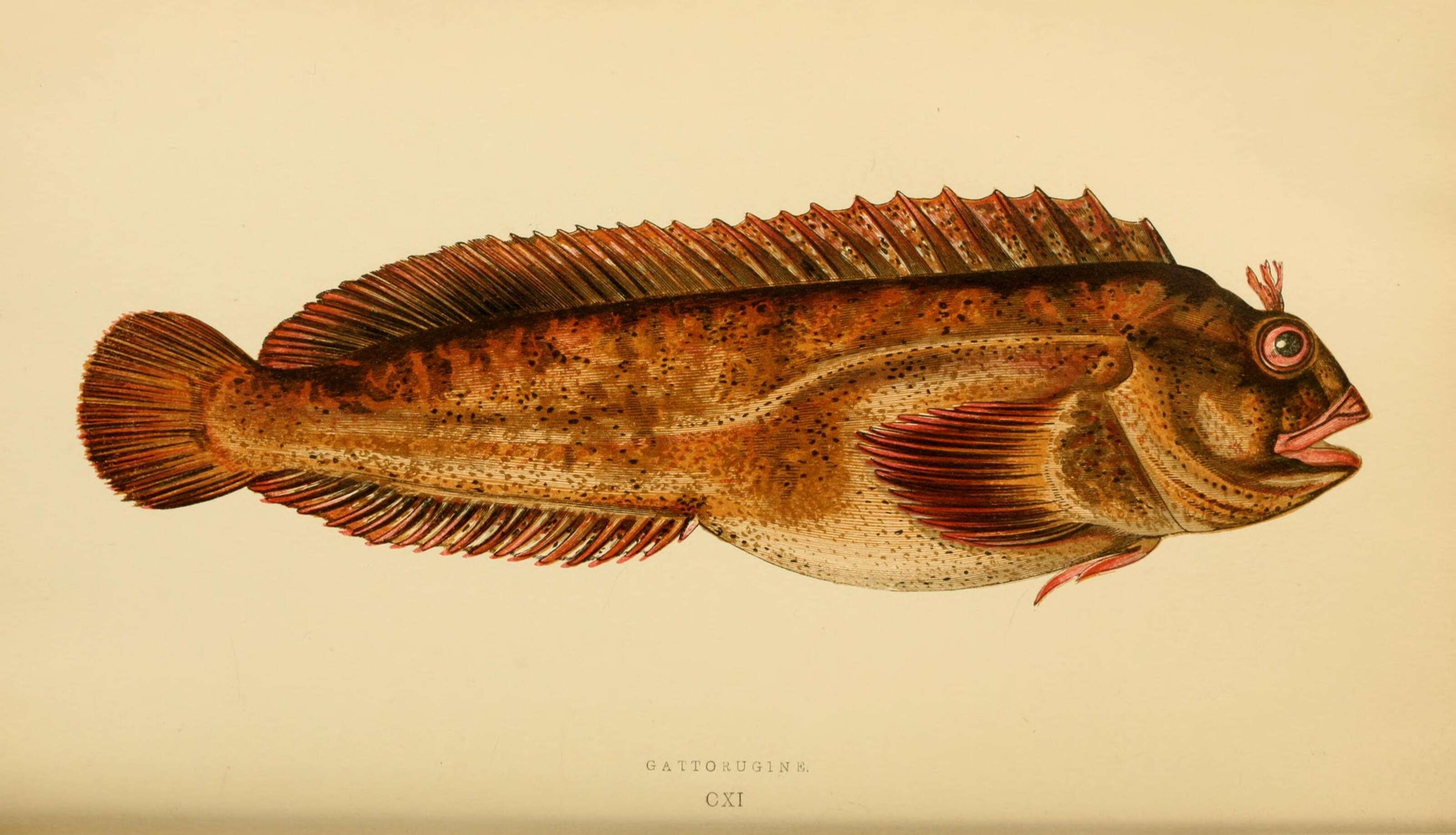
Parablennius gattorugine (Linnaeus, 1758) (Tompot blenny)
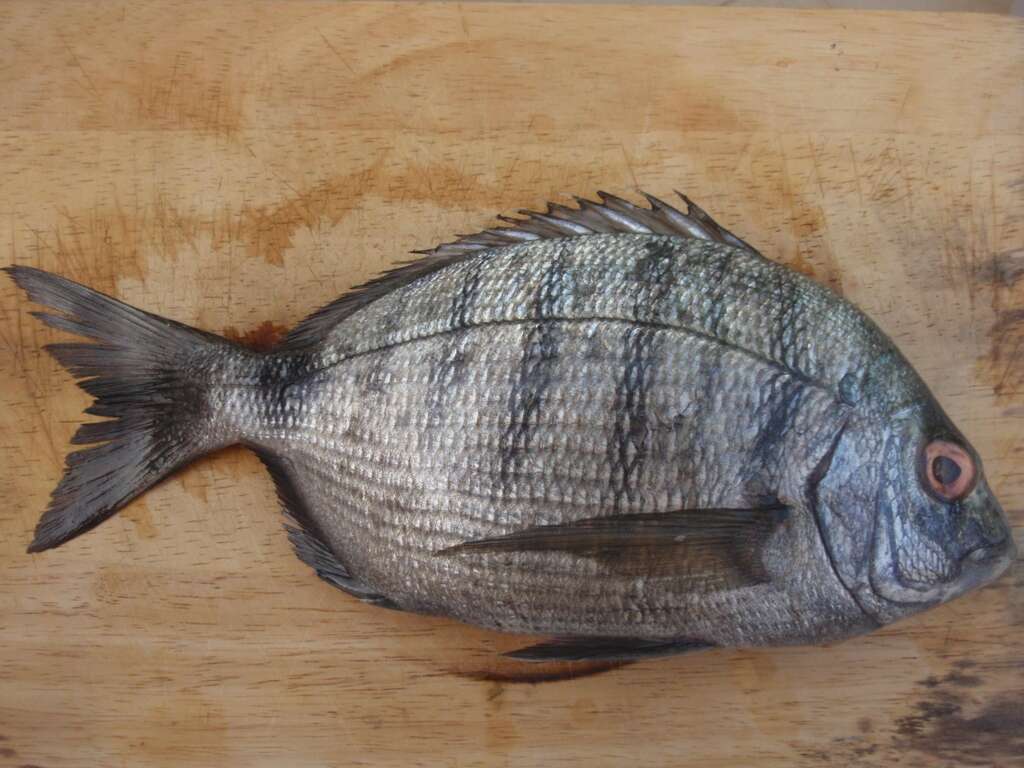
Diplodus sargus sargus (Linnaeus, 1758) (White seabream)
Inhabits coastal rocky reef areas and Posidonia oceanica beds. Like other sparids, it is very active and frequents the surf zone, primarily at dawn . Feeds on shellfish and other benthic invertebrates which it picks from the sediment .
Coris julis (Linnaeus, 1758) (Mediterranean rainbow wrasse)
Occurs in the littoral zone, near rocks and eelgrass beds. Usually found between 1-60 m, but old males stay in deeper water. Found in deeper waters during winter. Sometimes solitary, among rocks, often with numerous spe...
Read More
Read More
Thalassoma pavo (Linnaeus, 1758) (Ornate wrasse)
Inhabits coastal waters near rocks and eel-grass beds. Usually solitary, sometimes in small groups. Feeds on small mollusks and crustaceans . Protogynous hermaphrodite, with distinct sexual dichromatism . Eggs are pelagic .
Share on Social Networks
- Facebook:

personalize your shared text as well as its destination (wall, page...) or send as a private message to a friend
- Twitter: Tweet personalize your tweet
- Google Plus:
Direct link to this dive
- Long link:
- Short link:


 We are participating today in the startup contest Techcrunch Disrupt. Support Diveboard by voting for us!
























































































