


 Victor Masmitjà Prieto

 Spain
Spain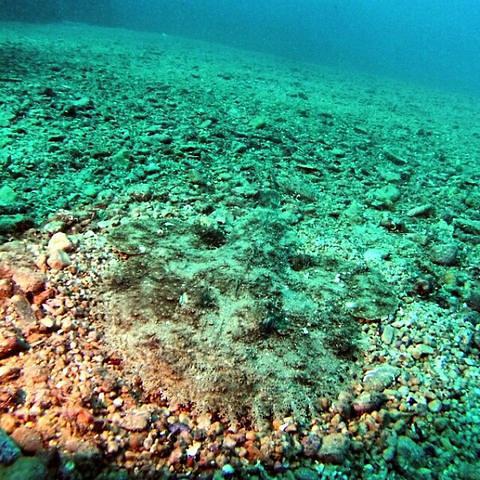
-
Nº115
 Date: 2014-12-28 - 12:47
-
 Max Depth: 18.1m Duration: 54mins
Dive Location

- Surface interval:90 mins
- Temp: Surf 15°C Bottom 15°C
- Dive type : Recreational
- Visibility: Average Water: Salt
Specific gear used
- Dry suit: Cressi Sub - Dryfex viejo
- Computer: Mares - Puck
- Fins: Mares - Avanti Quattro
- Regulator: Aqualung - Titan
- BCD: Subacqua - Elite 1000
- Weights: 10 kg
Recent Divers in Tossa De Mar

Recent Pictures in Tossa De Mar
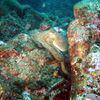

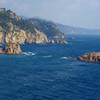

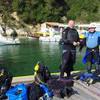
Dive Shop & Buddies
 Dive with L'Àmfora Centre D'immersió
 L'Àmfora Centre D'immersió confirmed the dive with parameters: 18.1m / 54mins
 Dive buddies:
Javi Polo,
Joan Martínez
Dive buddies:
Javi Polo,
Joan Martínez

Link to this spot:
- Spot:
- Country:
- Area:
- Body of water:
Dive Profile
- 1. Nitrox 32
- 15L Steel 200 → 80 bar
- Average depth: 12.5m
Data provided by EOL.org



Species Identified
Raja montagui Fowler, 1910 (Spotted homelyn ray)
Found in shelf waters to about 100 m . Depth range from 20-120 m, and from 318-345 m in the eastern Ionian Sea . Feed mainly on crustaceans . Oviparous. Distinct pairing with embrace. Eggs are oblong capsules with stif...
Read More
Read More
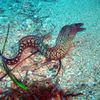
Muraena helena Linnaeus, 1758 (Mediterranean moray)
A nocturnal and territorial species , commonly lurking in holes, and writhing snakelike through crevices, under rocks or corals. Feeds on fish, crabs and squid . It seldom attacks unless provoked . A gonochoristic speci...
Read More
Read More
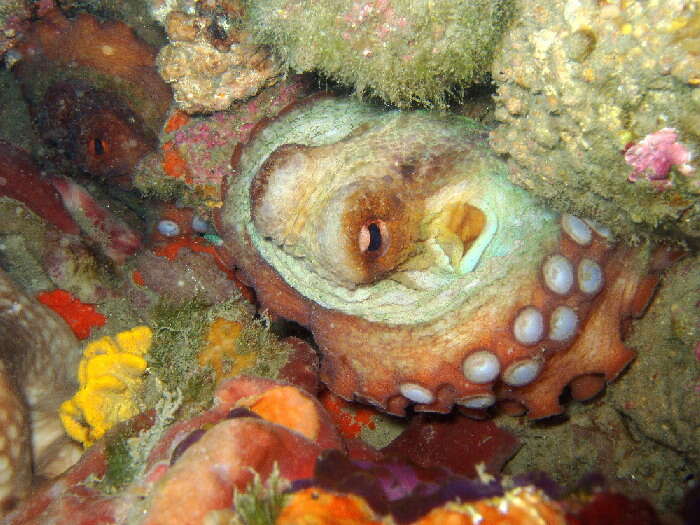
Octopus vulgaris Cuvier, 1797 (common octopus)
Like all cephalopods, the common octopus is an intelligent active predator . They have modified salivary glands that produce venom used to incapacitate prey. It is often easy to identify what a common octopus has been feed...
Read More
Read More
Hippocampus histrix Kaup, 1856 (Longspine seahorse)
While information on the biology of this particular species is lacking, it is likely to be similar to that of other seahorses (Hippocampus species). Seahorses are ambush predators that wait in the water until a prey...
Read More
Read More
Share on Social Networks
- Facebook:

personalize your shared text as well as its destination (wall, page...) or send as a private message to a friend
- Twitter: Tweet personalize your tweet
- Google Plus:
Direct link to this dive
- Long link:
- Short link:


 We are participating today in the startup contest Techcrunch Disrupt. Support Diveboard by voting for us!
























































































Inmersión repetitiva con el mismo rumbo que la anterior, para buscar al rape y hacer algunas fotos más.
Problemas de flotabilidad, porque esta inmersión era con una botella de 15l y no me quité nada de lastre.
El regulador continuó entrando en flujo y la máscara se empañaba continuamente. Un desastre, vamos.