


 Birdsoul


 Philippines

-
Nº19
 Date: 2013-02-06 - 14:22
-
 Max Depth: 17m Duration: 56mins
Pictures

No pictures for this dive
- Temp: Surf 30°C Bottom 28°C
- Dive type : Recreational
- Visibility: Good Water: Salt
Specific gear used
- BCD:
- Boots:
- Cylinder:
- Fins:
- Regulator:
- Wet suit:
- Weights: 5 kg
Recent Divers in Bohol

Recent Pictures in Bohol
Dive Shop & Buddies
 Dive with Lester Lamagna from Sierra Madre Divers

Link to this spot:
- Spot:
- Country:
- Area:
- Body of water:
Dive Profile
- 1. Air
- 12L Steel 210 → 60 bar
- Average depth: 11.3m
Data provided by EOL.org


Species Identified
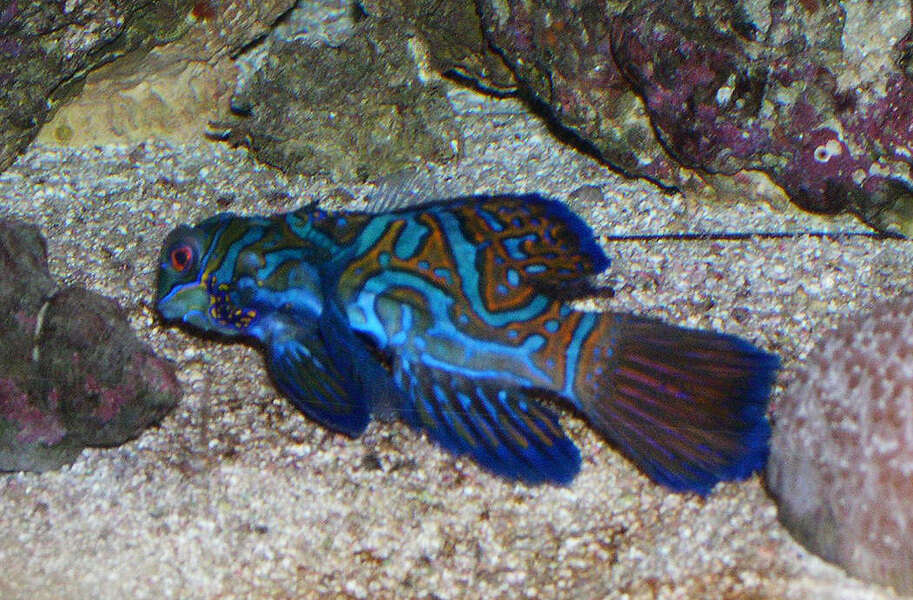
Synchiropus splendidus (Herre, 1927) (mandarinfish)
Inhabits shallow protected lagoons and inshore reefs . Found on silty bottoms with coral and rubble . Usually in small groups spread over small area . Minimum depth reported from Ref. 27115. Has been reared in captivity . Well-known aquarium fish. .
Plotosus lineatus (Thunberg, 1787) (Striped eel catfish)
The only catfish found in coral reefs. Also found in estuaries, tide pools and open coasts. Juveniles form dense ball-shaped schools of about 100 fish; adults are solitary or occur in smaller groups of around 20 and are ...
Read More
Read More
Scomberoides tol (Cuvier, 1832) (Needlescaled queenfish)
Found near the surface in coastal waters . Found in small schools. Feeds on fishes . Dorsal and anal fins may carry toxins . Generally marketed fresh, may be dried or salted .
Vanderhorstia ambanoro (Fourmanoir, 1957) (Twin-spotted shrimp-goby)
Found on sand or mud bottoms . Lives with grey or brown Alpheus spp. . Inhabits coastal bays and lagoons on sandy or muddy substrates to about 30 meters depth .
Gymnothorax flavimarginatus (Rüppell, 1830) (Yellow-edged moray)
Scorpaenopsis venosa (Cuvier, 1829) (Raggy scorpionfish)
Inhabits coastal reefs , often on sponges . Venomous spines.
Synodus dermatogenys Fowler, 1912 (Sand lizardfish)
Common on sand or sand-rubble areas of lagoon and seaward reefs to over 20 m depth . Benthic . Frequently buries in sand leaving only eyes and nostrils exposed . Generally solitary .
Share on Social Networks
- Facebook:

personalize your shared text as well as its destination (wall, page...) or send as a private message to a friend
- Twitter: Tweet personalize your tweet
- Google Plus:
Direct link to this dive
- Long link:
- Short link:


 We are participating today in the startup contest Techcrunch Disrupt. Support Diveboard by voting for us!
























































































