


 Birdsoul

 Egypt
Egypt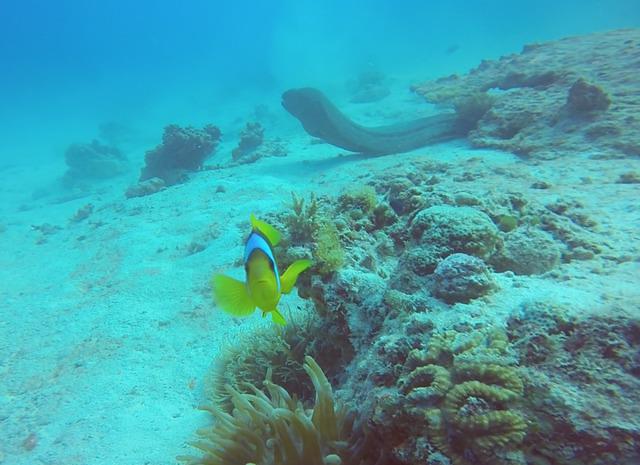
-
Nº41
 Date: 2017-10-10 - 10:06
-
 Max Depth: 28m Duration: 40mins
Dive Location

- Temp: Surf 31°C Bottom 27°C
- Dive type : Reef
- Visibility: Good Water: Salt
Specific gear used
- BCD:
- Boots:
- Cylinder:
- Fins:
- Regulator: - DIN
- Wet suit: - 5mm
- Dive skin:
- Mask:
- Weights: 5 kg
Dive reviews
| Overall review | ||
| Dive difficulty | ||
| Marine life quality | ||
| Big fish |
Recent Divers in Hurghada


Recent Pictures in Hurghada




Dive Shop & Buddies
 Dive with Rico
 Dive buddies:
Nan Jiang
Dive buddies:
Nan Jiang

Link to this spot:
- Spot:
- Country:
- Area:
- Body of water:
Dive Profile
- 1. Air
- 12L Steel 200 → 50 bar
- Average depth: 18.7m
Data provided by EOL.org




Species Identified
Gymnothorax flavimarginatus (Rüppell, 1830) (Yellow-edged moray)
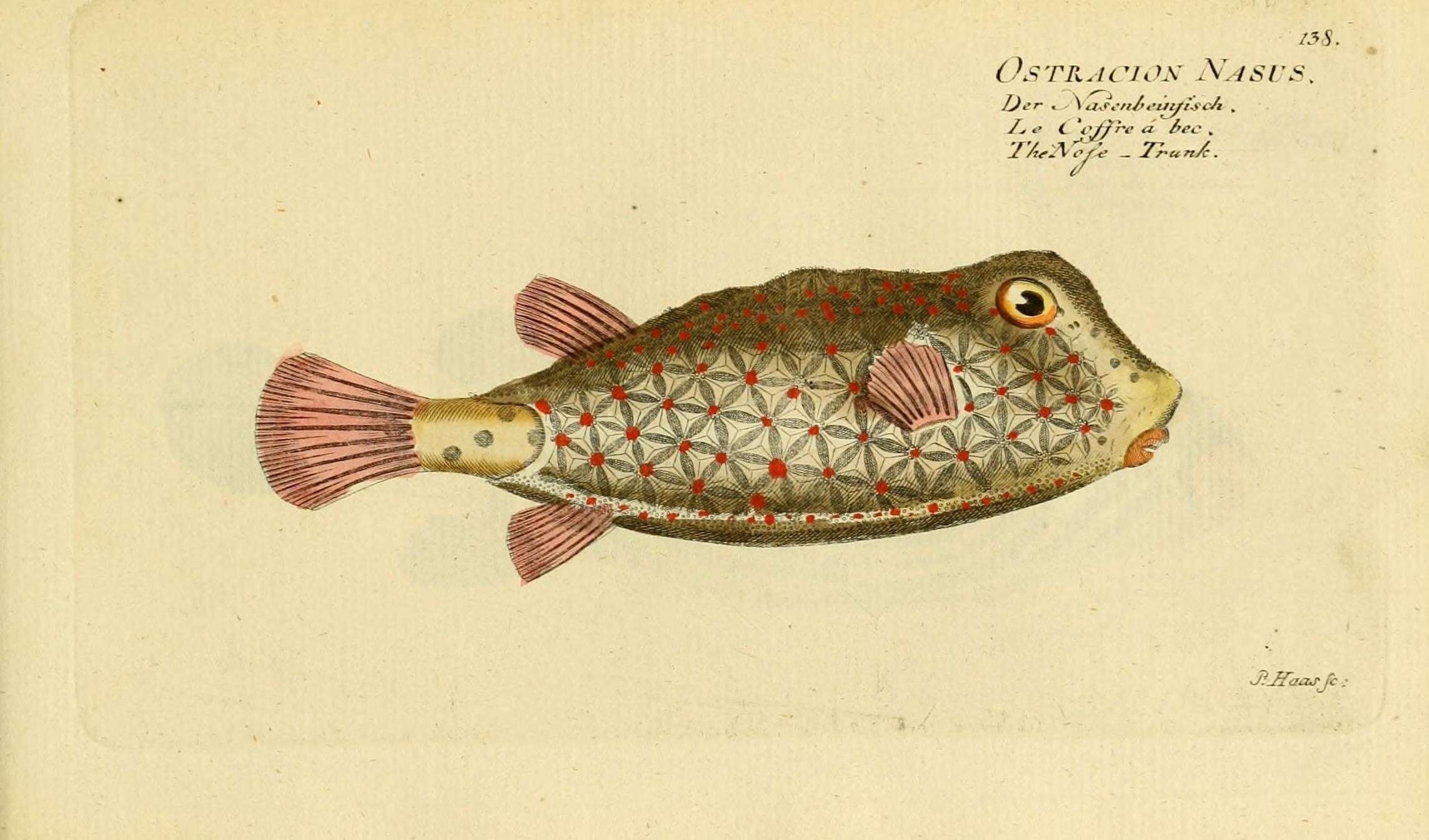
Ostracion nasus Bloch, 1785 (Shortnose boxfish)
Found around rocky and sandy substrates .
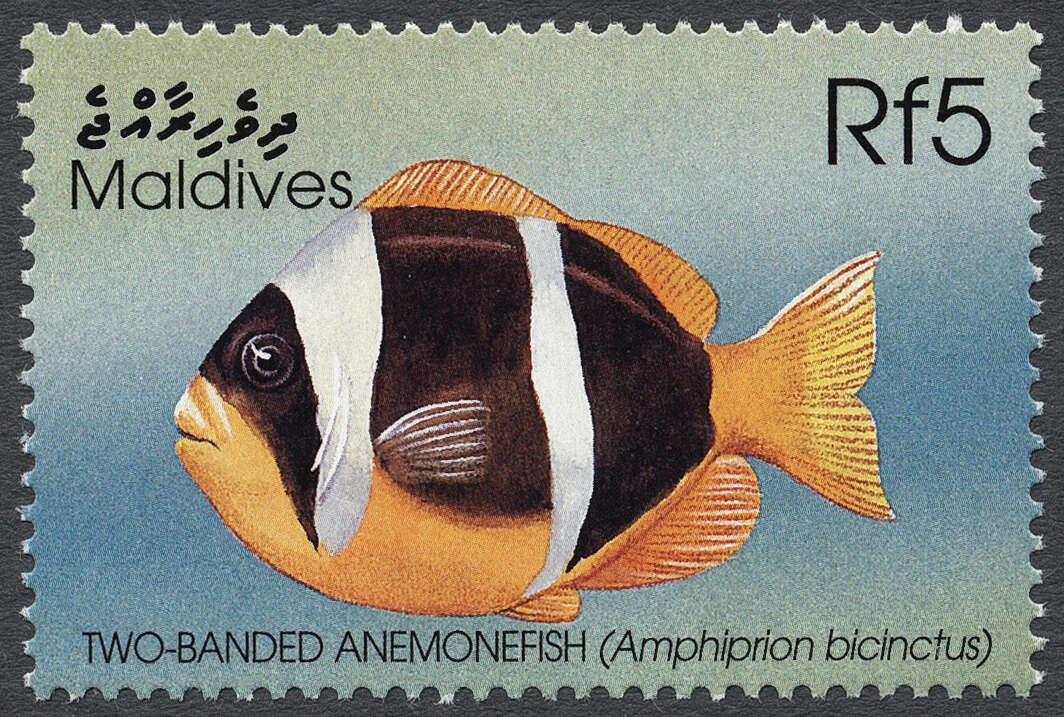
Amphiprion bicinctus Rüppell, 1830 (threebanded anemonefish)
Inhabits lagoons and outer reefs. Oviparous, with elliptical eggs . Monogamous . Has been reared in captivity . Associated with the anemones: Entacmaea quadricolor, Heteractis aurora, Heteractis crispa, Heteractis magnifica, and Stichodactyla gigantea .
Gnatholepis cauerensis (Bleeker, 1853) (Eyebar goby)
Thalassoma rueppellii (Klunzinger, 1871) (Klunzinger's wrasse)
Inhabits reef margins and seaward slopes . Minimum depth reported from Ref. 9710.
Coris aygula Lacepède, 1801 (Clown wrasse)
Occurs in the vicinity of sand or rubble patches of exposed outer reef flats, lagoon reefs, and seaward reefs , often in semi-exposed surge zones . Adults solitary. Juveniles common in shallow tide pools . Feeds mainly ...
Read More
Read More
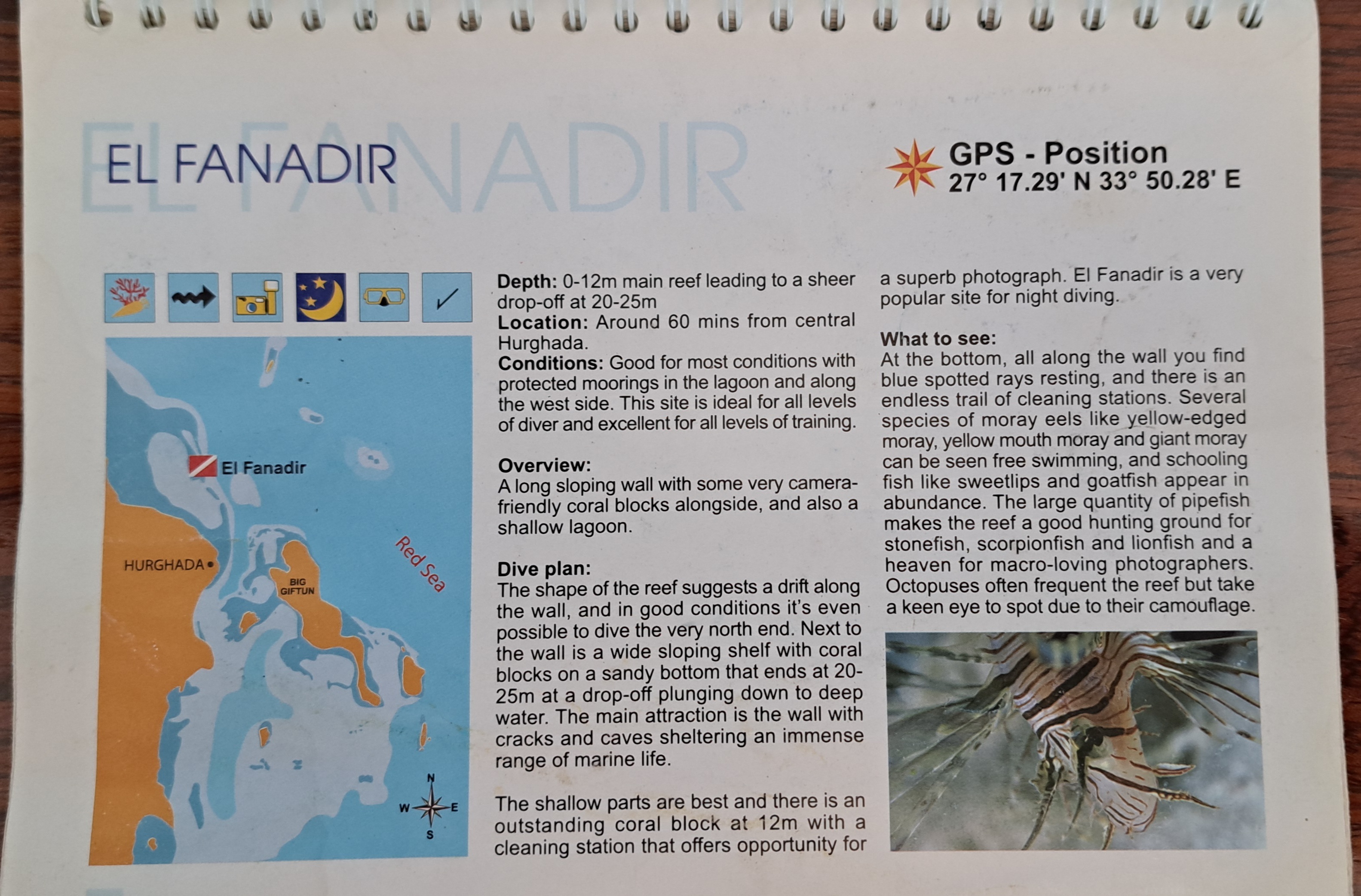
Pterois volitans (Linnaeus, 1758) (Red lionfish)
Epinephelus fasciatus (Forsskål, 1775) (Blacktip grouper)
Common in outer reef slopes at depths below 15 m, also occurs in protected bays and lagoons as shallow as 4 m. May also be found down to a depth of 160 m. At Madagascar it feeds night and day on brachyuran crabs, fishes,...
Read More
Read More
Cephalopholis argus Bloch and Schneider, 1801 (Grouper)
A generally common species found in a variety of coral habitats from tide pools to depths of at least 40 m; prefers the 1 to 10 m reef zone. Juvenile prefers shallow, protected coral thickets . Benthic and benthopelagi...
Read More
Read More
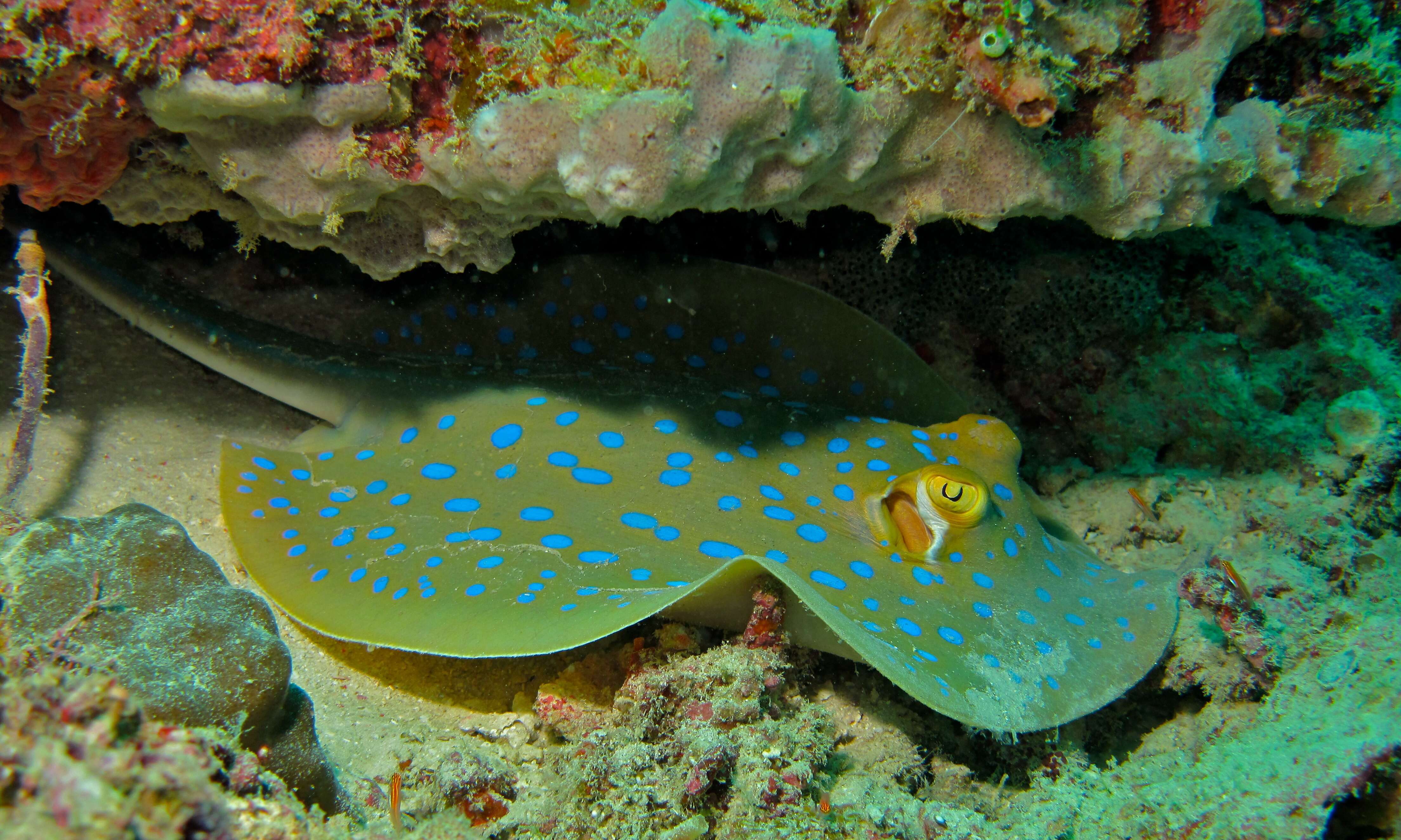
Taeniura lymma (Forsskål, 1775) (Bluespotted ribbontail ray)
Blue-spotted stingrays live alone or in small groups , migrating in large schools into shallow sandy areas on the rising tide in order to feed, and dispersing back into the ocean as the tide falls to shelter in the coral c...
Read More
Read More
Dasyatis pastinaca (Linnaeus, 1758) (Sting ray)
Found over sandy and muddy bottoms, sometimes in estuaries and near rocky reefs . Feed on bottom fishes, crustaceans and mollusks. Ovoviviparous, gestation period about 4 months and 4-7 young are produced. Wings markete...
Read More
Read More
Aetobatus narinari (Euphrasen, 1790) (Bishop ray)
Large groups of spotted eagle rays may be seen outside of the breeding season. These rays swim close to the surface and can occasionally be seen jumping clear out of the water (known as 'breaching') . Females give birth to...
Read More
Read More
Share on Social Networks
- Facebook:

personalize your shared text as well as its destination (wall, page...) or send as a private message to a friend
- Twitter: Tweet personalize your tweet
- Google Plus:
Direct link to this dive
- Long link:
- Short link:


 We are participating today in the startup contest Techcrunch Disrupt. Support Diveboard by voting for us!






















































































中性浮力做的有些不到位。时隔三年没有下水,一些基本的要领没有忘,水下没有紧张。这点不错。第一次用din,没有太大区别。看到了苏眉,lionfish, Moray eel, ray, etc.