


 Birdsoul


 Philippines

-
Nº14
 Date: 2013-02-04 - 09:51
-
 Max Depth: 21m Duration: 36mins
Pictures

No pictures for this dive
- Temp: Surf 30°C Bottom 28°C
- Dive type : Recreational
- Visibility: Good Water: Salt
Specific gear used
- BCD:
- Boots:
- Cylinder:
- Fins:
- Regulator:
- Wet suit:
- Weights: 5 kg
Recent Divers in Balicasag
Recent Pictures in Balicasag
Dive Shop & Buddies
 Dive with Lester Lamagna from Sierra Madre Divers

Link to this spot:
- Spot:
- Country:
- Area:
- Body of water:
Dive Profile
- 1. Air
- 12L Steel 220 → 110 bar
- Average depth: 14m
Data provided by EOL.org


Species Identified
Callogobius sclateri (Steindachner, 1879) (Pacific goby)
Found in crevices and caves , usually under loose debris .
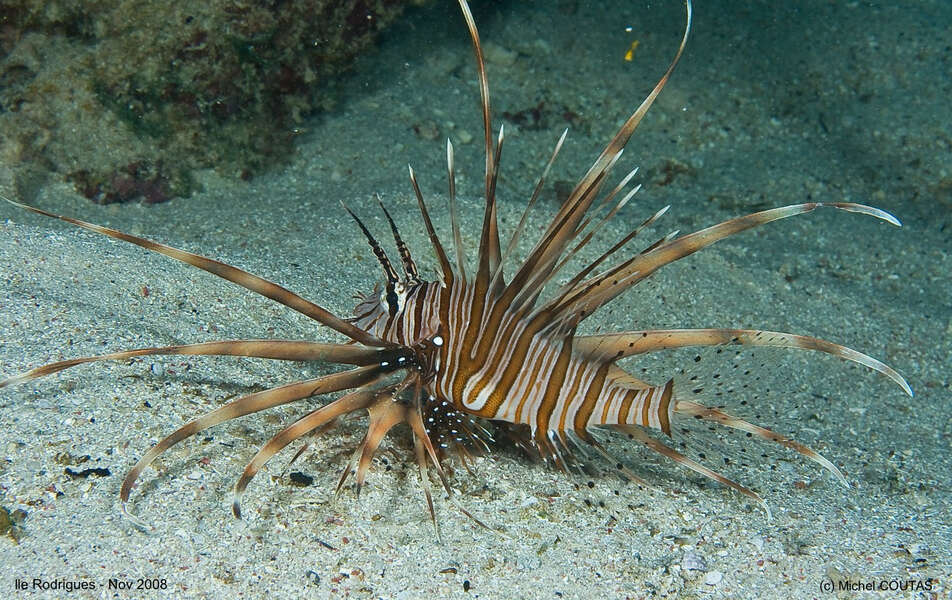
Pterois antennata (Bloch, 1787) (Broadbarred firefish)
Occurs in lagoon and seaward reefs. Hides in crevices under rocks and coral formations during the day and hunts at night. Typically with head towards the safety of their hide-out or narrow passage . Feeds on shrimps and...
Read More
Read More
Pterois volitans (Linnaeus, 1758) (Red lionfish)
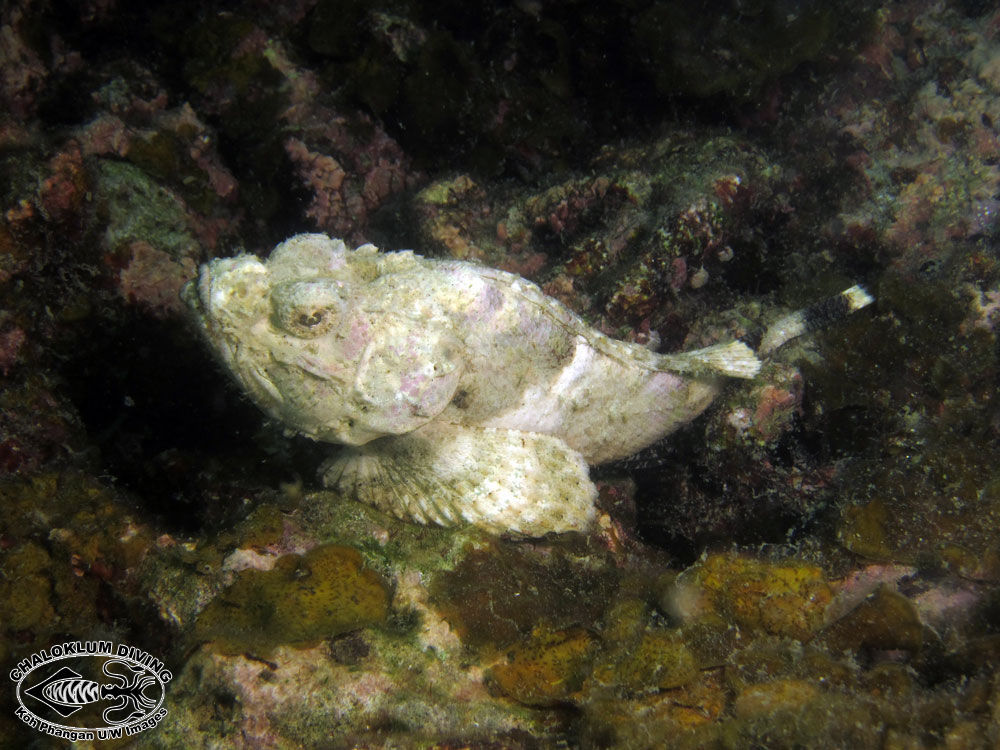
Scorpaenopsis diabolus (Cuvier, 1829) (False stonefish)
Relatively an uncommon inhabitant of rubble or weedy coralline-rock bottoms of reef flats and lagoon and seaward reefs . Benthic . Flashes its inner pectoral fins when disturbed . Can inflict a painful injury with its venomous dorsal sting. Often partly buried .
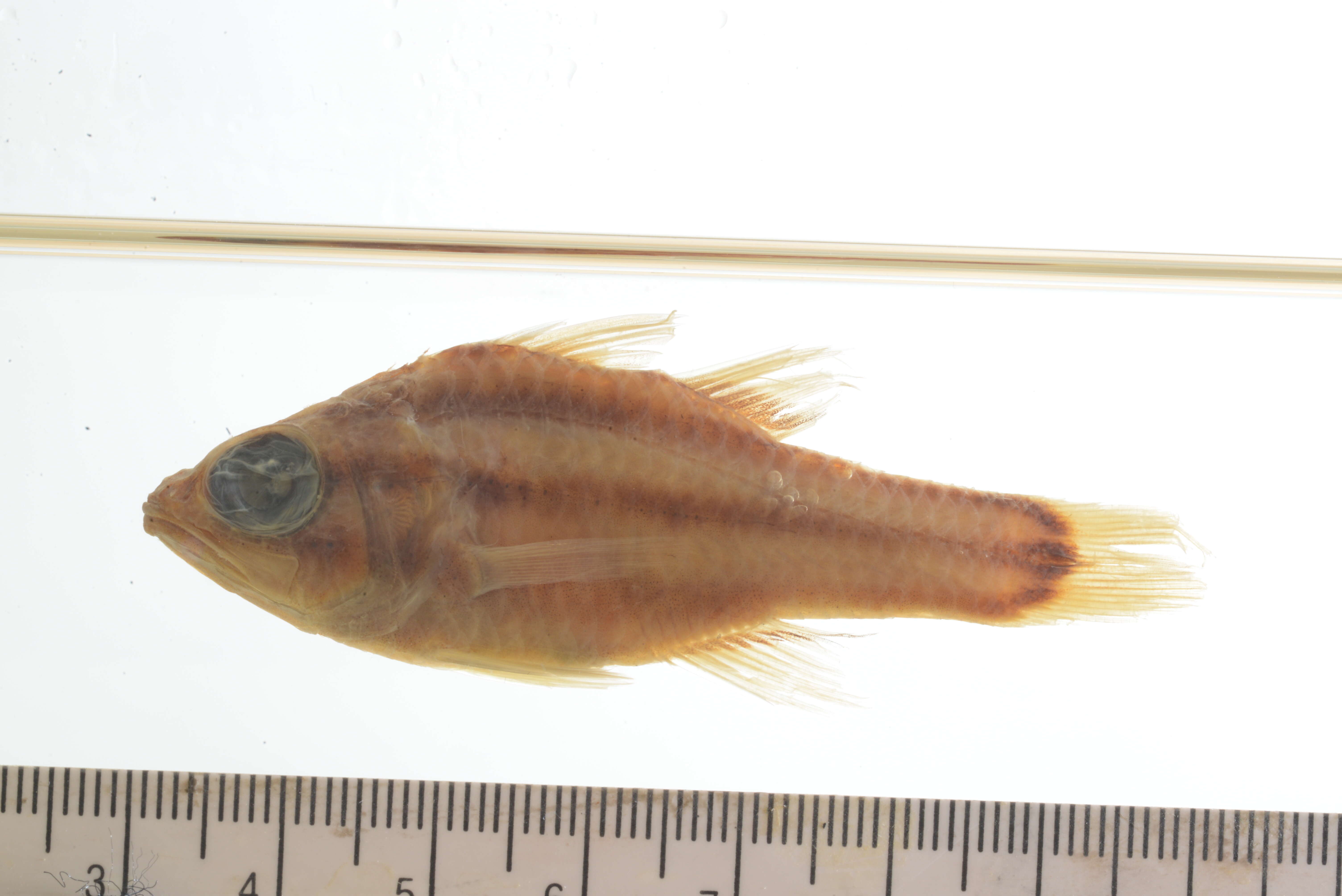
Apogon nigrofasciatus Lachner, 1953 (Blackstripe cardinalfish)
Occurs on reef flats and shallow lagoon reef, usually seen singly or in pairs under ledges or in crevices. Feed on small benthic invertebrates at night .
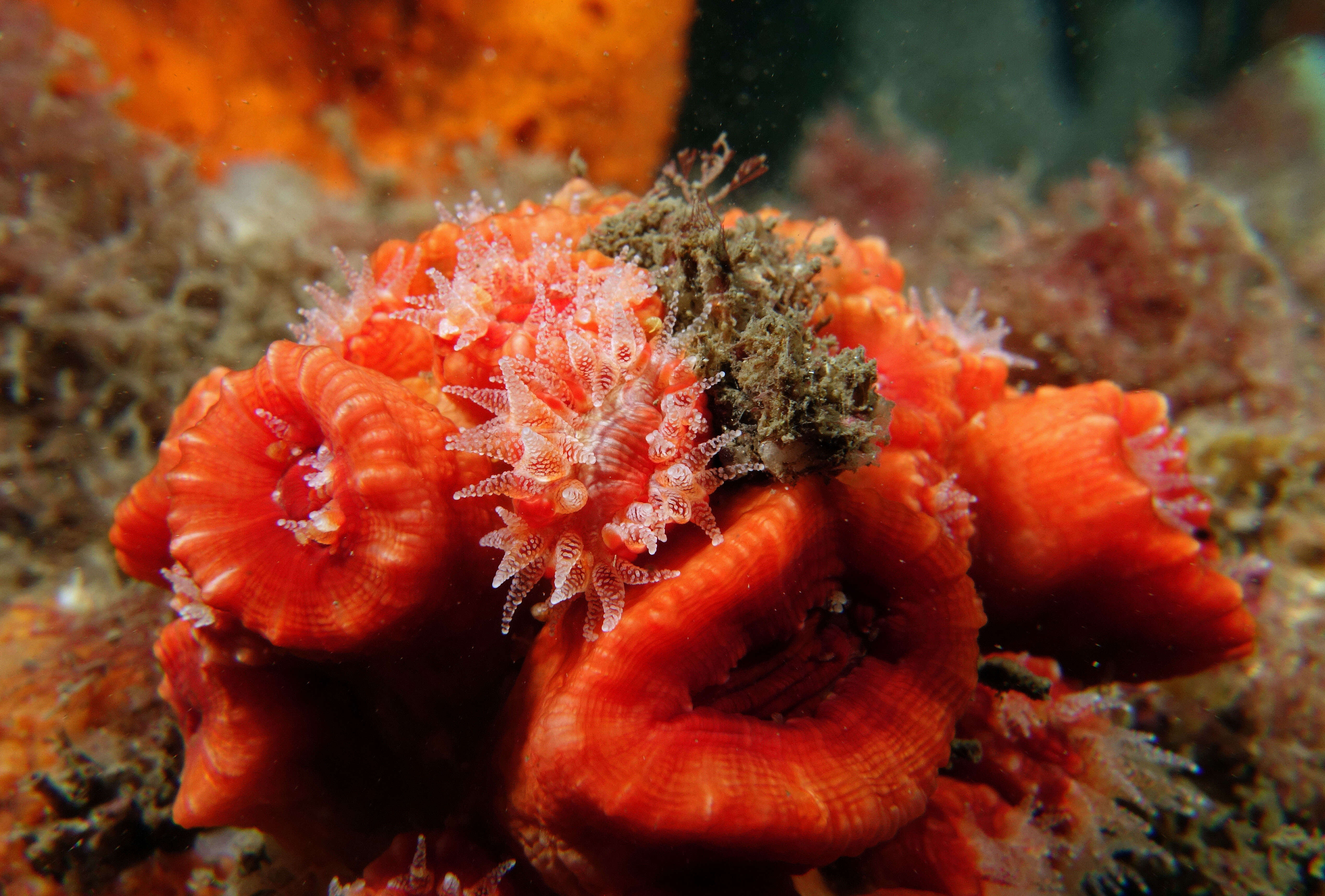
Tubastraea faulkneri Wells, 1982
azooxanthellate
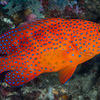
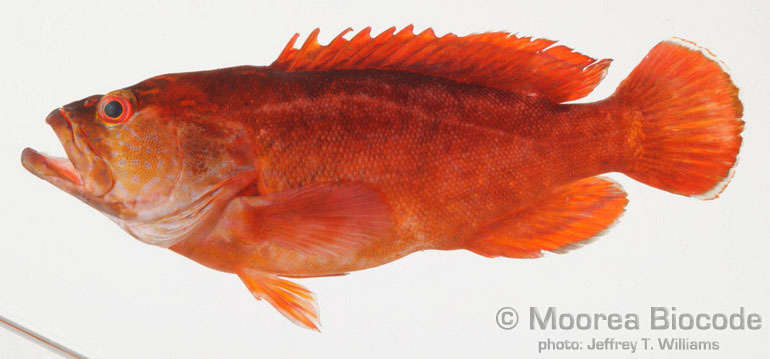
Cephalopholis spiloparaea (Valenciennes, 1828) (Orange-red pigmy grouper)
Perhaps the most common grouper on Indo-Pacific coral reefs found below 40 m. The species is only known from insular localities except those collected from Pinda, Mozambique. Apparently, nothing is known of the biology of this species. The small size (
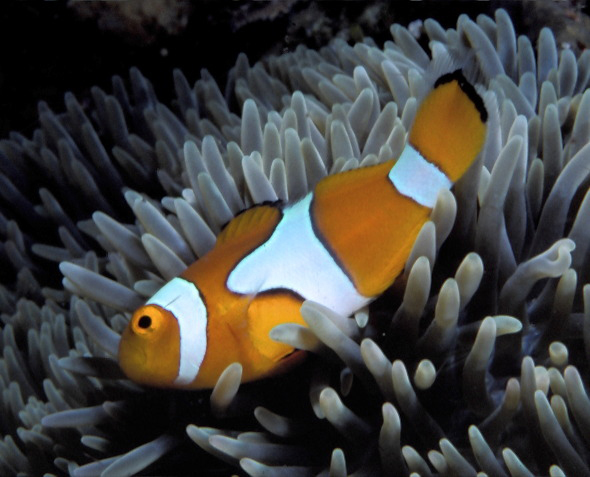
Amphiprion percula (Lacepède, 1802) (Orange clownfish)
Inhabits lagoon and seaward reefs . Each group of fish consists of a breeding pair and 0-4 non-breeders. Within each group there is a size-based hierarchy: the female is largest, the male is second largest, and the non-...
Read More
Read More
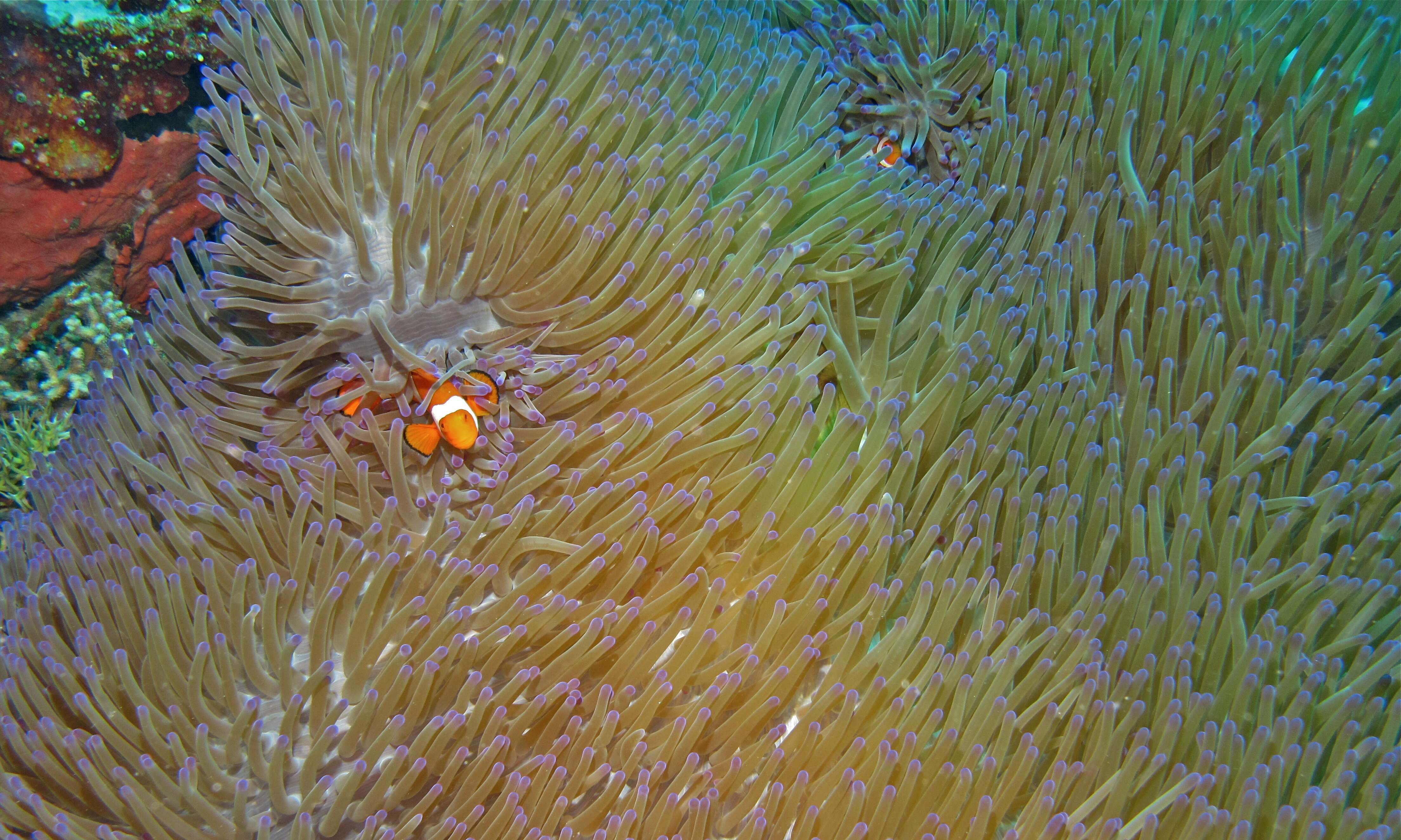
Amphiprion ocellaris Cuvier, 1830 (false clown anemonefish)
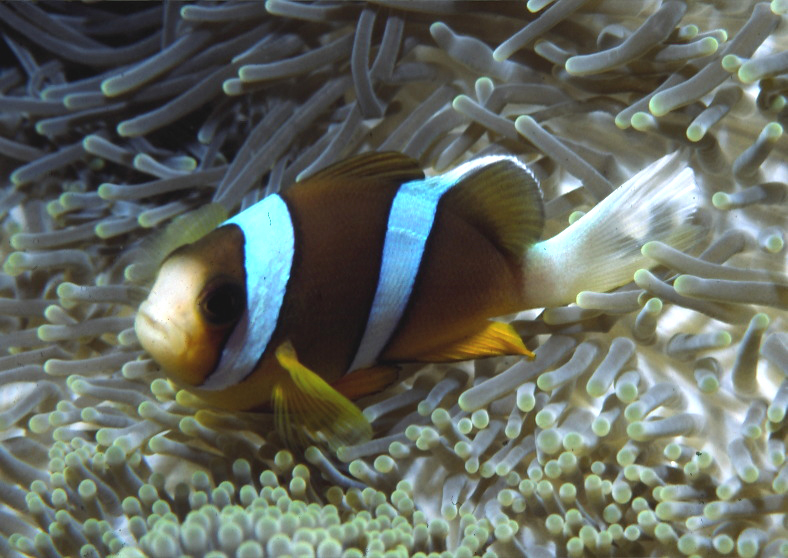
Amphiprion clarkii (Bennett, 1830) (Brown anemonefish)
Inhabits lagoons and outer reef slopes. Omnivorous. Oviparous, with elliptical eggs . Monogamous . Has been reared in captivity . Associated with the anemones: Cryptodendrum adhaesivum, Entacmaea quadricolor, Heterac...
Read More
Read More
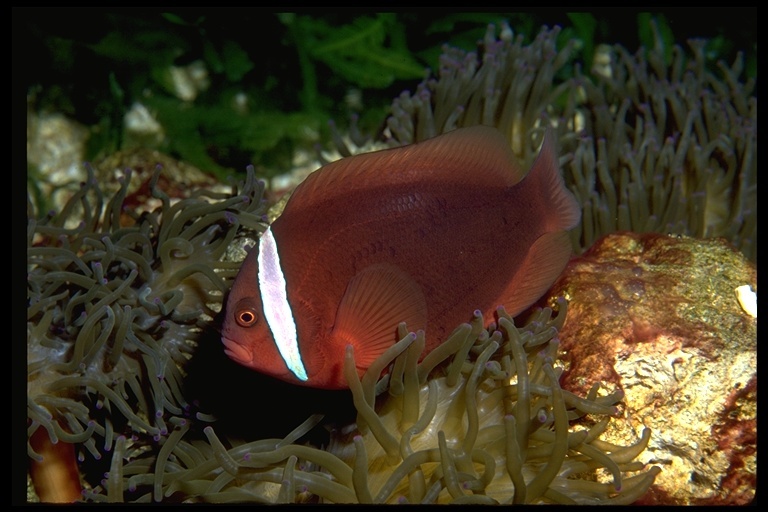
Amphiprion frenatus Brevoort, 1856 (oneband anemonefish)
Found in lagoon reefs and embayment. Monogamous , protandrous hermaphrodite . Associated with the anemone Entacmaea quadricolor . Has been reared in captivity .
Naso caeruleacauda Randall, 1994 (Blue unicorn)
Found in schools, mainly along outer reef walls to moderate depths in pursuit of plankton .
Share on Social Networks
- Facebook:

personalize your shared text as well as its destination (wall, page...) or send as a private message to a friend
- Twitter: Tweet personalize your tweet
- Google Plus:
Direct link to this dive
- Long link:
- Short link:


 We are participating today in the startup contest Techcrunch Disrupt. Support Diveboard by voting for us!
























































































Boat dive