


 Iliyana Ramjaun


 Malaysia

-
Nº11
 Date: 2012-09-16 - 14:30
-
 Max Depth: 20m Duration: 41mins
Pictures

No pictures for this dive
- Dive type : Recreational, Drift, Wreck, Reef
- Visibility: Good Water: Salt
Specific gear used
- Weights: 5 kg
Recent Divers in Mabul island
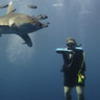
Recent Pictures in Mabul island
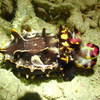
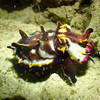
Dive Shop & Buddies
 Dive with Ramil from Sipadan Water Village Resort

Link to this spot:
- Spot:
- Country:
- Area:
- Body of water:
Dive Profile
Data provided by EOL.org




Species Identified
Chelonia mydas Linnaeus 1758 (Green Turtle)
Green turtles are long-lived and may take up to 59 years to reach sexual maturity Undertaking tremendous feats of navigation, adults return to the same beach to breed each season, part of the population in Brazil astonish...
Read More
Read More
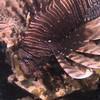
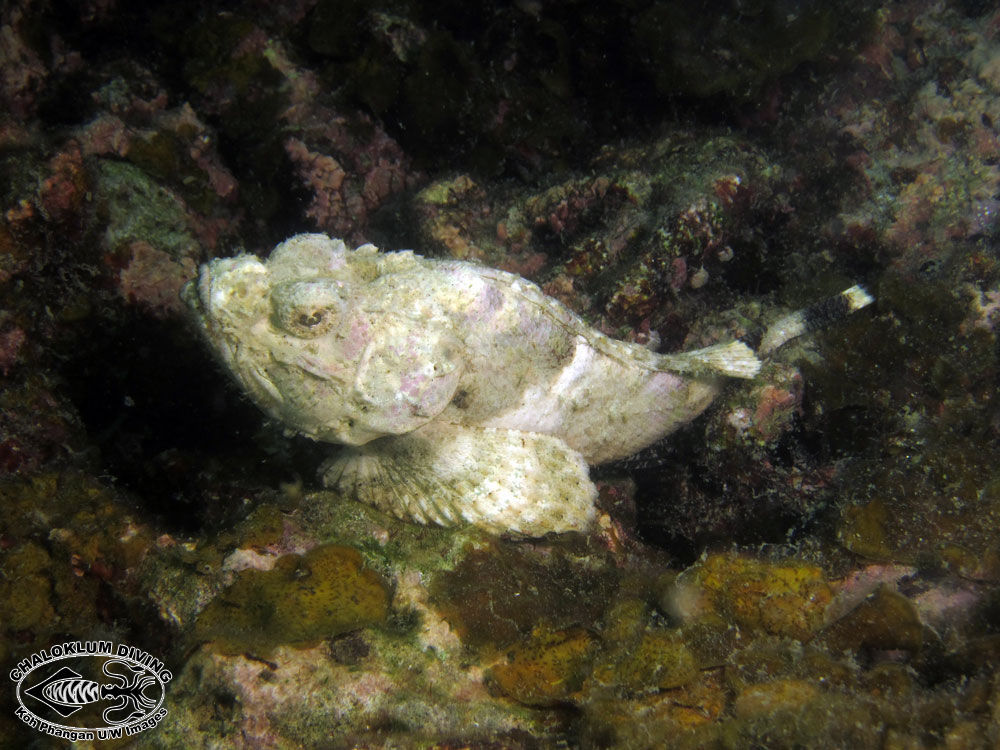
Scorpaenopsis diabolus (Cuvier, 1829) (False stonefish)
Relatively an uncommon inhabitant of rubble or weedy coralline-rock bottoms of reef flats and lagoon and seaward reefs . Benthic . Flashes its inner pectoral fins when disturbed . Can inflict a painful injury with its venomous dorsal sting. Often partly buried .
Plectorhinchus chaetodonoides Lacepède, 1801 (Harlequin sweetlips)
Inhabits coral-rich areas of clear lagoon and seaward reefs. Adults are solitary, near and under ledges or caves by day. Juveniles are found among corals . Feeds on crustaceans, mollusks, and fishes at night. Juveniles...
Read More
Read More
Echeneis naucrates Linnaeus, 1758 (Live sharksucker)
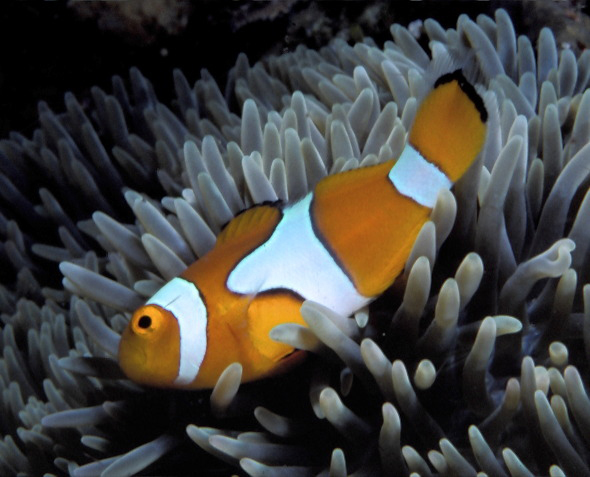
Amphiprion percula (Lacepède, 1802) (Orange clownfish)
Inhabits lagoon and seaward reefs . Each group of fish consists of a breeding pair and 0-4 non-breeders. Within each group there is a size-based hierarchy: the female is largest, the male is second largest, and the non-...
Read More
Read More
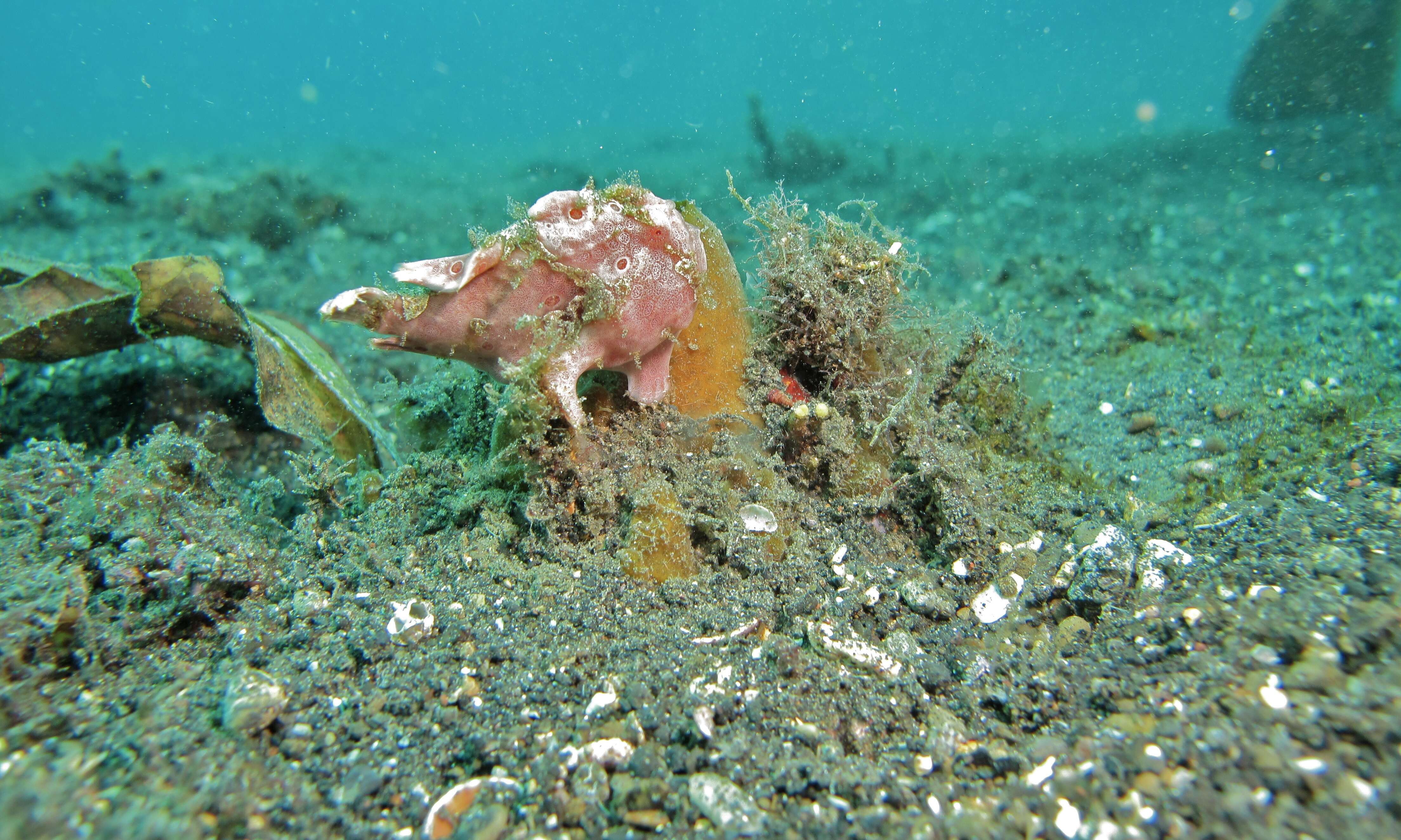
Antennarius pictus (Shaw, 1794) (Painted angler)
Inhabit shallow sheltered reefs . Adults usually with sponges; juveniles openly on sand or reef, mimicking small sponges or nudibranchs . Benthic . Oviparous. Eggs are bound in ribbon-like sheath or mass of gelatinous mucus called 'egg raft' or 'veil' .
Muraena retifera Goode and Bean, 1882 (Moray eel)
Known only from moderate depths along outer continental shelf.
Arothron stellatus (Bloch & Schneider, 1801) (Blackspotted puffer)
Relatively uncommon in patch reefs and coral slopes near sandy areas of clear lagoon and seaward reefs. Juveniles occur in sandy and weedy inner reefs, adults on clear lagoons and seaward reefs . Juveniles inshore, usual...
Read More
Read More
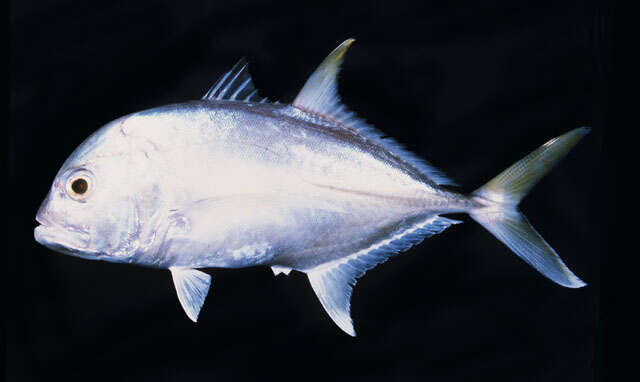
Caranx ignobilis (Forsskål, 1775) (Giant trevally)
Pelagic over sand and rock . Adults occur singly and inhabit clear lagoon and seaward reefs . Juveniles found in estuaries. Feed on crustaceans and fishes at night . Large individuals may be ciguatoxic. The largest t...
Read More
Read More
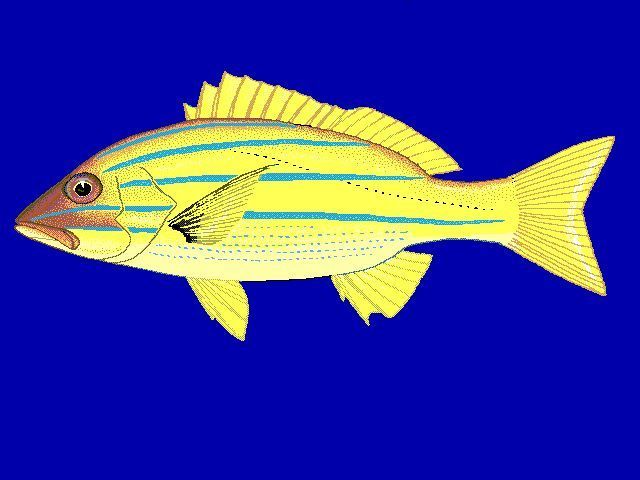
Lutjanus kasmira (Forsskål, 1775) (bluebanded sea perch)
Lutjanus gibbus (Forsskål, 1775) (Humphead snapper)
Mainly inhabit coral reefs, sometimes forming large aggregations, which are mostly stationary during the day. Juveniles occur in seagrass beds, also in mixed sand and coral habitats of shallow sheltered reefs . Sub-adult...
Read More
Read More
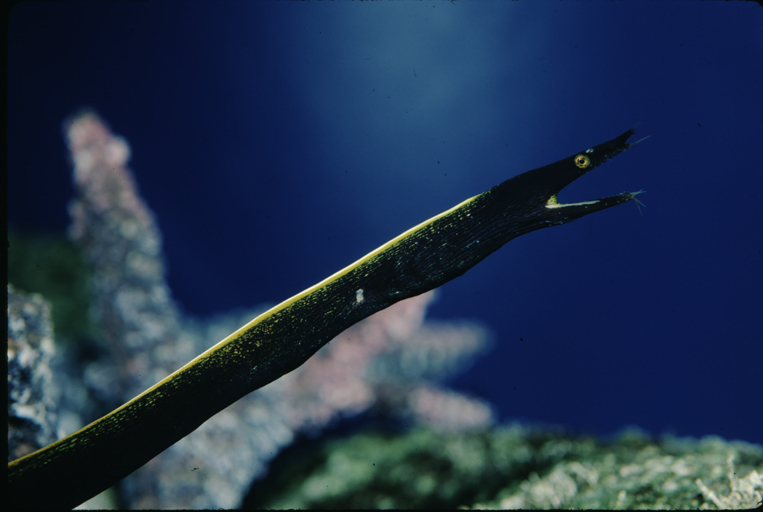
Rhinomuraena quaesita Garman, 1888 (Ribbon moray)
Occur in lagoon and seaward reefs. Secretive species normally hidden in sand or rubble, sometimes with only its head protruding. Feed on small fishes . Juveniles all black, males have yellow dorsal fin and females chang...
Read More
Read More
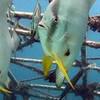
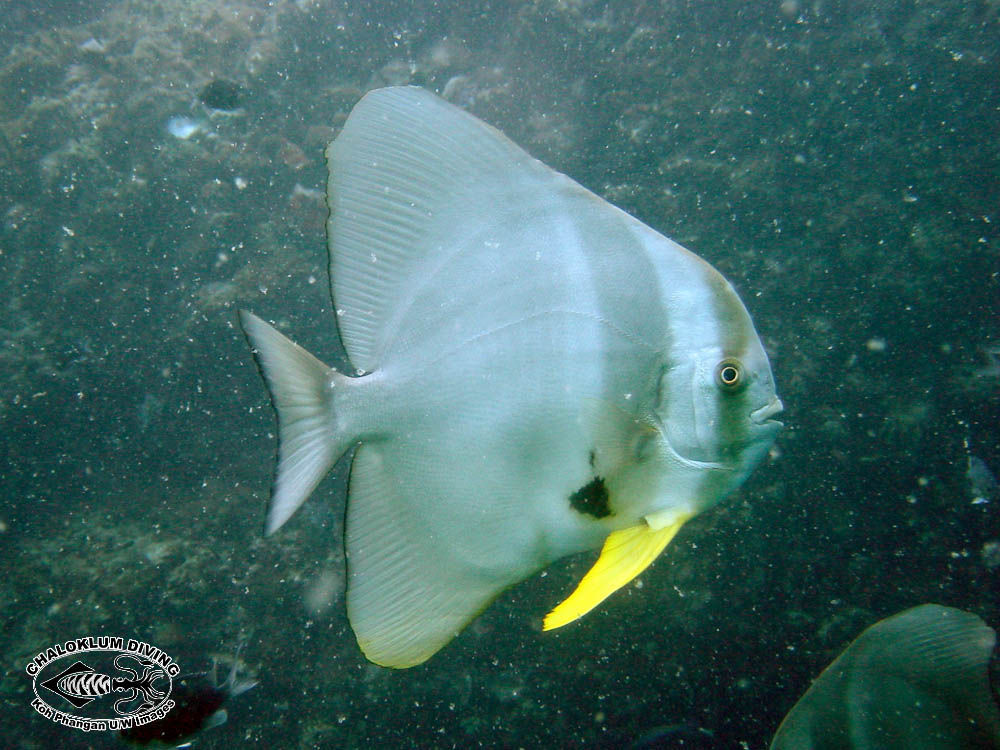
Platax boersii Bleeker, 1852 (Golden spadefish)
Adults occur mostly in large schools along drop-offs, including outer reefs; singly in coastal waters. Juveniles are on deep slopes among tall coral formation . Benthopelagic .
Platax orbicularis (Forsskål, 1775) (Orbicular batfish)
Live in shallow protected coastal waters to deep, somewhat silty habitats. Often with deep shipwrecks . Adults are found singly or in small groups and occasionally in large schools in some areas. Juveniles occur singly ...
Read More
Read More
Share on Social Networks
- Facebook:

personalize your shared text as well as its destination (wall, page...) or send as a private message to a friend
- Twitter: Tweet personalize your tweet
- Google Plus:
Direct link to this dive
- Long link:
- Short link:


 We are participating today in the startup contest Techcrunch Disrupt. Support Diveboard by voting for us!
























































































Air:
180 bar
30 bar
Wreck diving (swim through.
Had lesser air due to issue with regulator. Had to share air with Ramil.
Spotted:
Nudibranch- Red Lined Flabellina
Juvenile Clown Fish
Small Blue Crab
Linckia Laevigata