



 Dejan Deletic


 Indonesia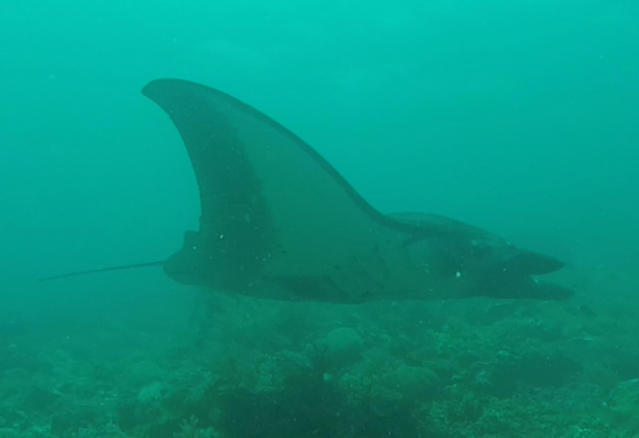
-
Nº93
 Date: 2018-12-19 - 14:45
-
 Max Depth: 17m Duration: 51mins
Dive Location

- Temp: Surf 25°C Bottom 23°C
- Dive type : Recreational, Drift
- Visibility: Bad Water: Salt
Specific gear used
- Weights: 7 kg
Dive reviews
| Overall review | ||
| Dive difficulty | ||
| Marine life quality |
Recent Divers in Komodo National Park

Recent Pictures in Komodo National Park
Dive Shop & Buddies
 Dive with Diego from Uber Scuba Komodo
 Dive buddies:
Ana,
Boris
Dive buddies:
Ana,
Boris

Link to this spot:
- Spot:
- Country:
- Area:
- Body of water:
Dive Profile
- 1. Air
- 15L Steel 200 → 20 bar
- Average depth: 11.3m
Data provided by EOL.org




Species Identified
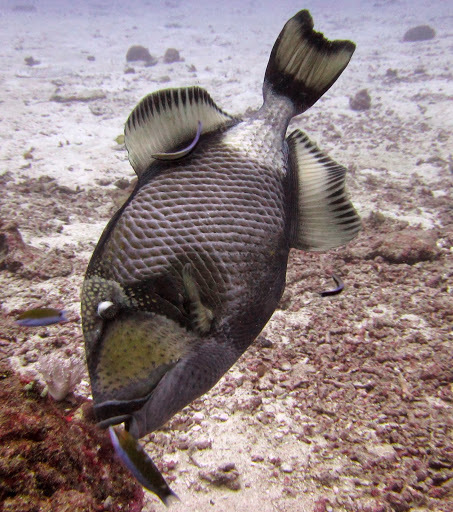
Balistoides viridescens (Bloch and Schneider, 1801) (Titan triggerfish)
Occur in lagoon, seaward reefs and sheltered inner reef slopes . Juveniles often associated with isolated patches of branching coral or rubble of shallow sandy protected areas. Adults occur singly or in pairs on the slo...
Read More
Read More
Gymnothorax javanicus (Bleeker, 1859) (Giant moray)
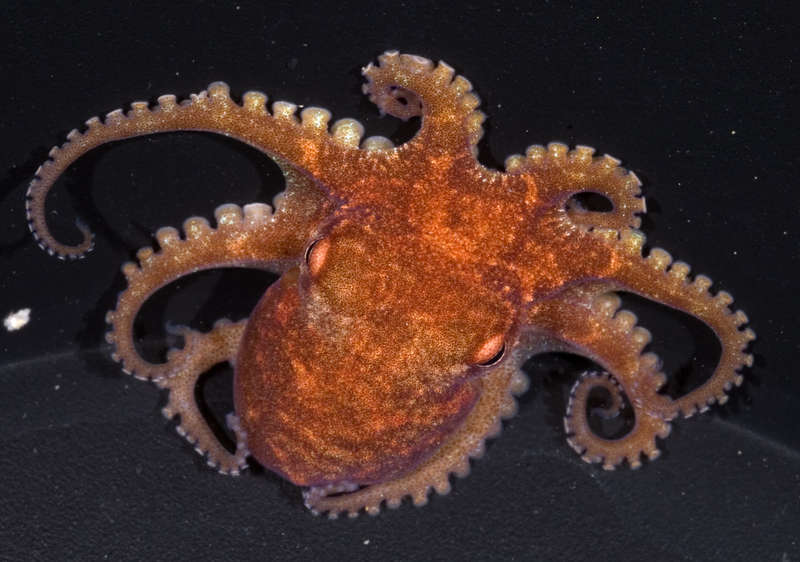
Octopus wolfi (Wülker, 1913) (Octopus)
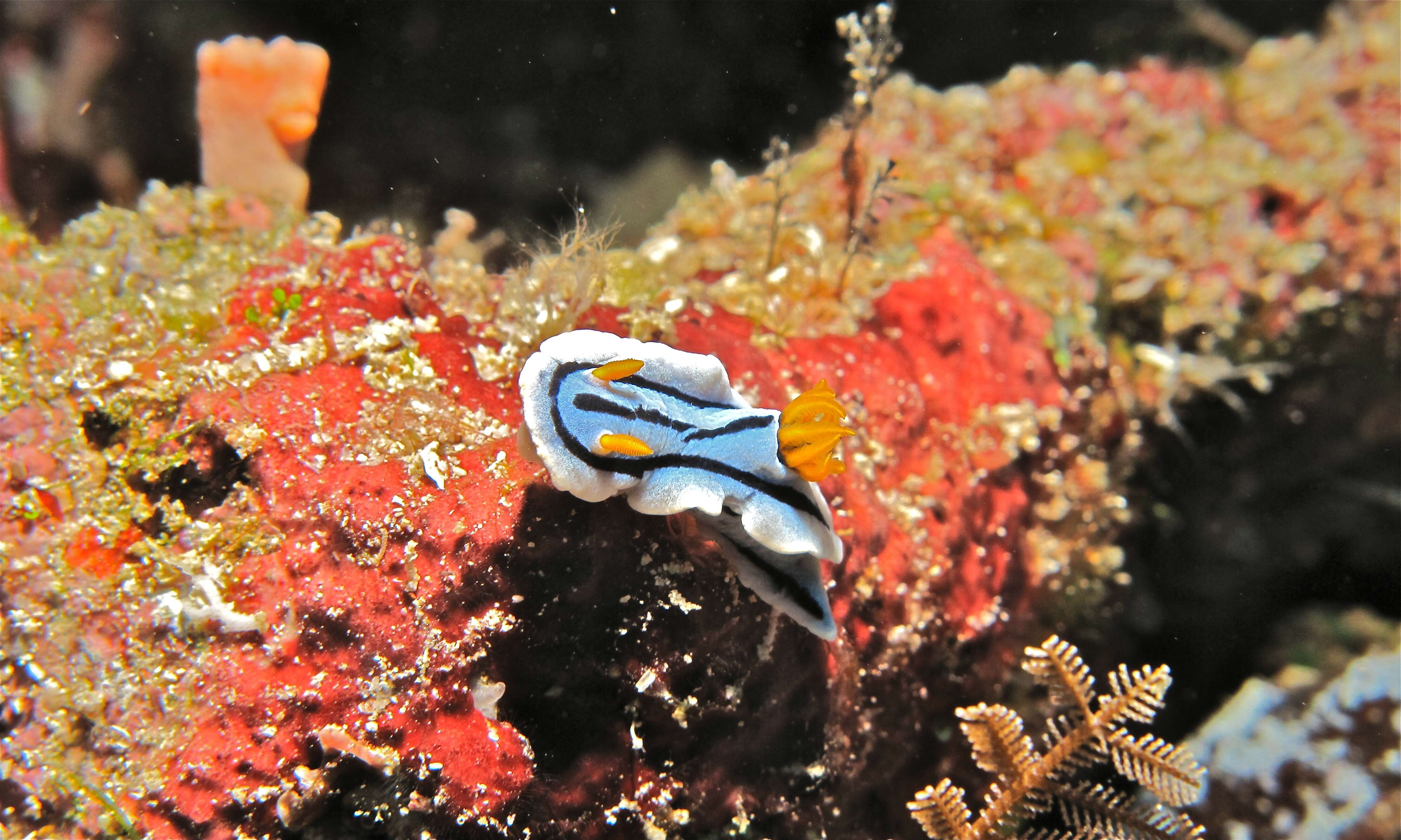
Chromodoris lochi Rudman, 1982 (loch's chromodoris)
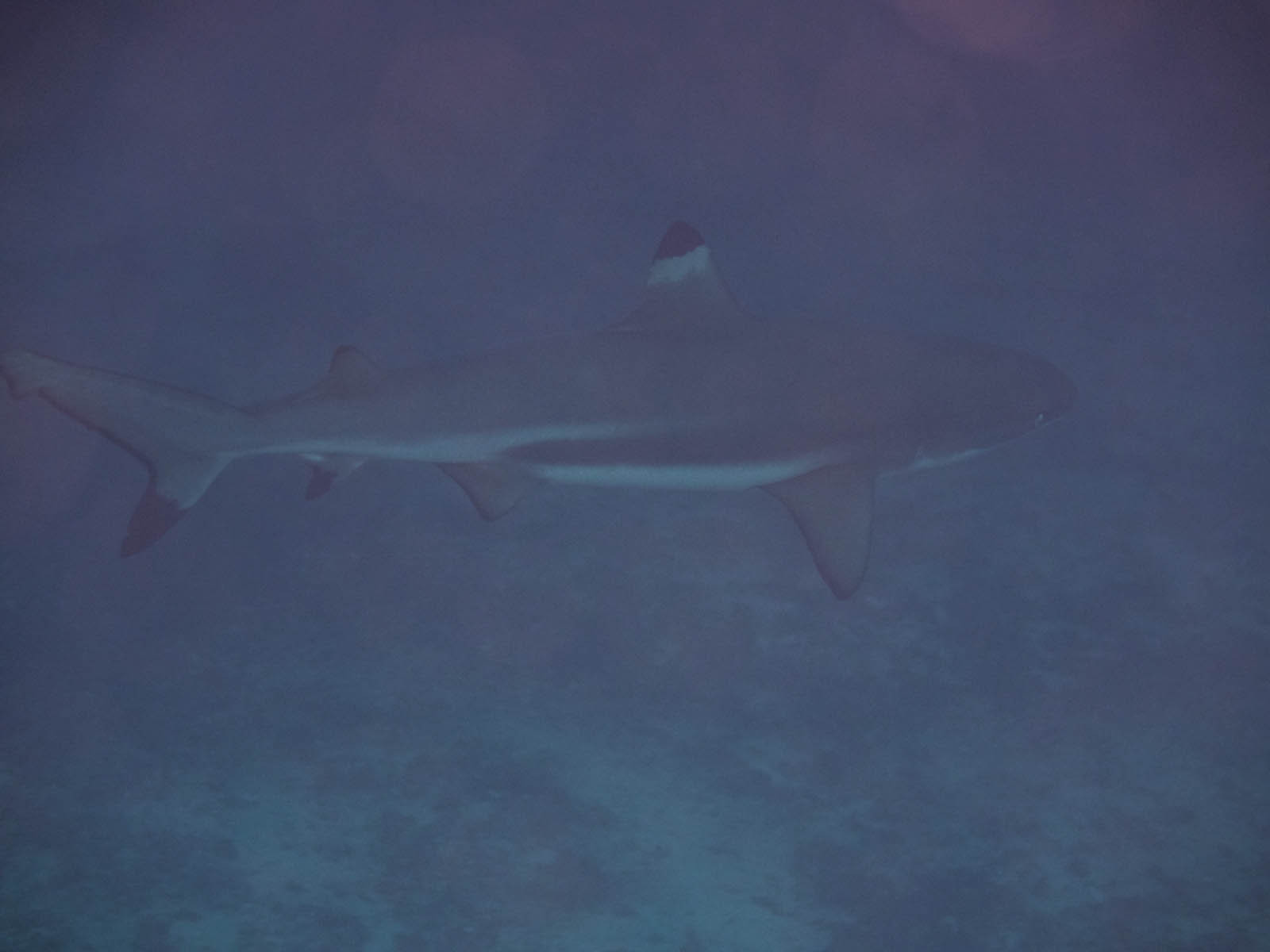
Carcharhinus melanopterus (Quoy and Gaimard, 1824) (blacktip reef shark)
This powerful swimmer is well known for its tendency to enter incredibly shallow water, and is often found in water only 30 centimetres deep or less, with its distinctive dorsal fin protruding from the surface of the water...
Read More
Read More
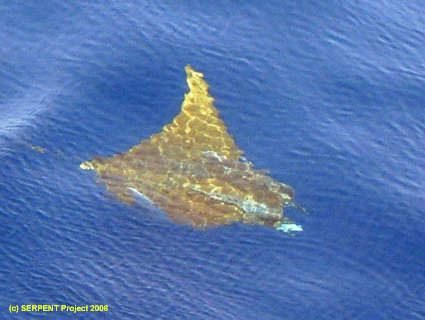
Manta birostris (Walbaum, 1792) (Giant manta)
Manta rays are generally solitary, although loose aggregations of individuals may occur where there are abundant food sources or during the breeding season. When ready to mate, a male will bite his mate's pectoral fin to p...
Read More
Read More
Premnas biaculeatus (Bloch, 1790) (Spinecheek anemonefish)
Inhabits lagoon and seaward reefs , found mainly in protected coastal waters and lagoons. Typically found in pairs in which males are much smaller than females . Feeds primarily on zooplankton and benthic algae . Has been reared in captivity . Associated with the anemone Entacmaea quadricolor .
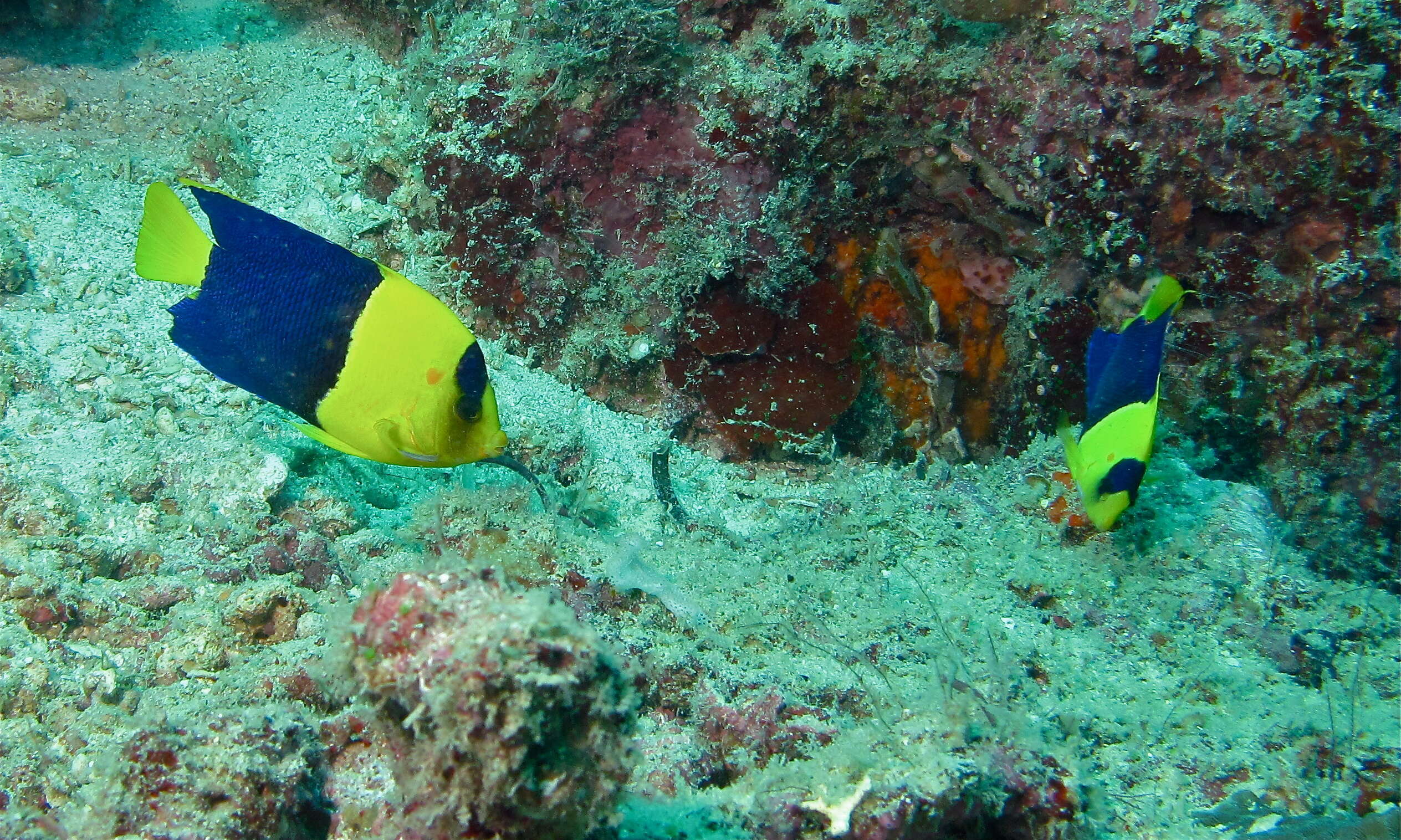
Centropyge bicolor (Bloch, 1787) (Bicolor angelfish)
Inhabits lagoon, channel, or protected seaward reef slopes, drop offs, coral and rubble areas . Usually in pairs or in small groups. Feeds on algae, small crustaceans and worms. Darts from one hiding place to the next. Commonly exported through the aquarium trade .
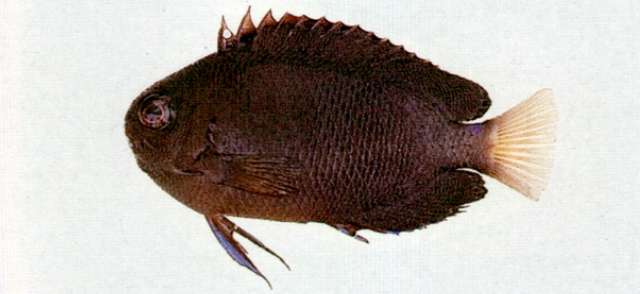
Centropyge fisheri (Snyder, 1904) (Orange angelfish)
Found in areas with rubble bottom . Benthopelagic in reefs .
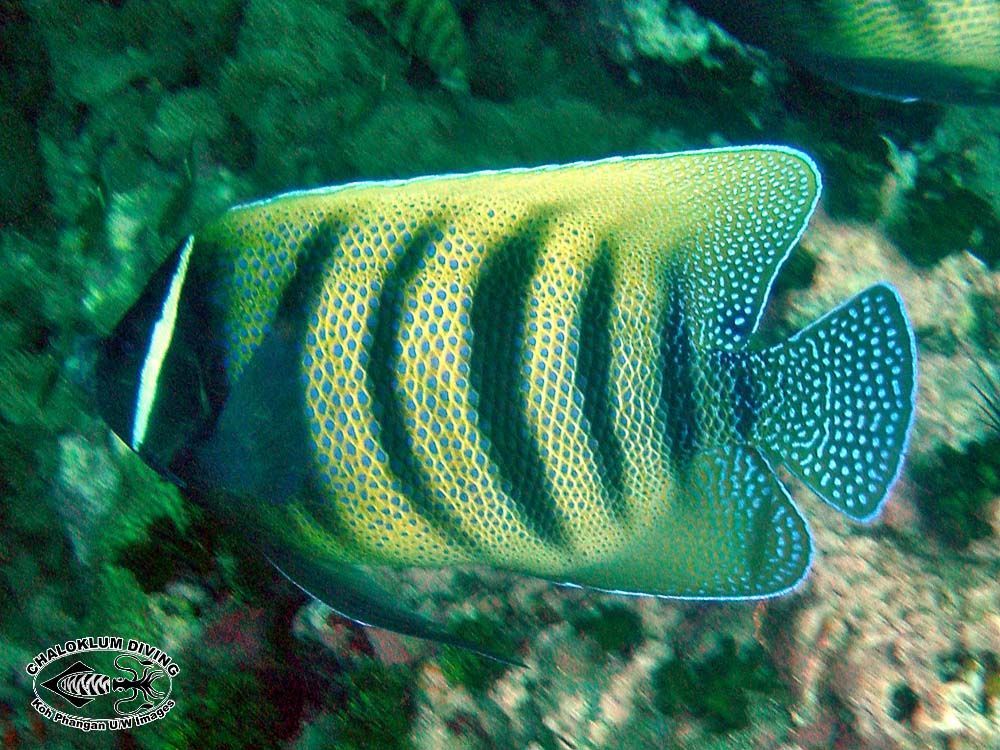
Pomacanthus sexstriatus (Cuvier, 1831) (Sixbar angelfish)
Juveniles prefer sheltered inner reefs while adults occur in areas of rich coral growth and high vertical relief of lagoon and seaward reefs. Adults semi-silty coastal to about 50 m depth, often seen in pairs . Occur sol...
Read More
Read More
Stegastes diencaeus (Jordan and Rutter, 1897) (Honey damselfish)
Inhabits coral and rocky reefs of sheltered lagoons and inshore areas. Territorial and pugnacious . Taken incidentally in traps and small-meshed beach nets .
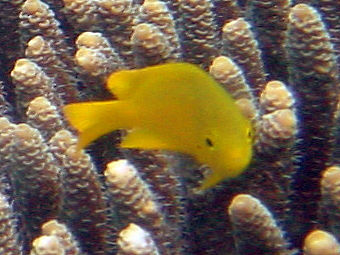
Pomacentrus moluccensis Bleeker, 1853 (Lemon damsel)
Inhabits clear lagoon and seaward reefs among branching corals. Occurs in small aggregations. Feeds mainly on algae and planktonic crustaceans.
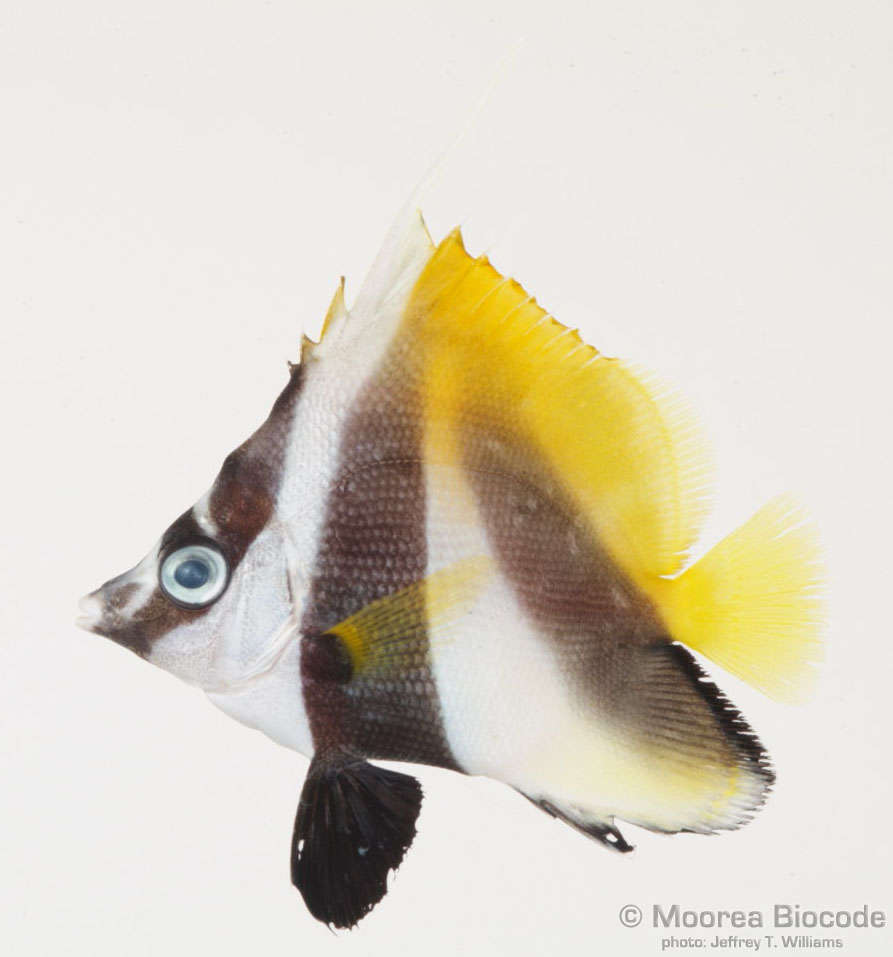
Heniochus monoceros Cuvier, 1831 (Masked bannerfish)
Occur in lagoon and seaward reefs with rich coral growth. Juveniles solitary; adults are often paired and occasionally found hovering side by side under tabular corals . Feed on bottom living animals , e.g. invertebrates...
Read More
Read More
Acanthurus olivaceus Bloch and Schneider, 1801 (Orangespot surgeonfish)
Inhabit seaward reefs, in areas of bare rock or mixed rubble and sand, from 9 to at least 46 m depth; juveniles inhabit protected bays and lagoons, singly or in small groups in as little as 3 m . Benthopelagic . Adults o...
Read More
Read More
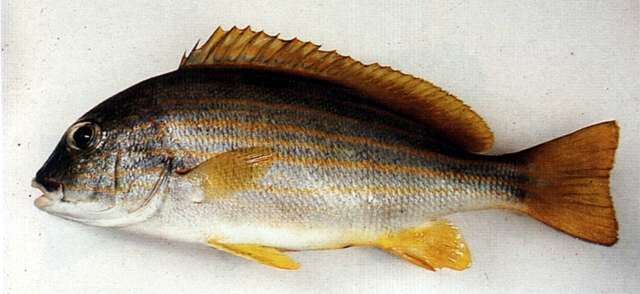
Plectorhinchus chrysotaenia (Bleeker, 1855) (goldenlined sweetlips)
In coastal reef slopes, inner reefs and deep lagoon . Prefers sheltered reefs and during the day either solitary or in large inactive aggregations .
Ostracion cubicus Linnaeus, 1758 (Yellow boxfish)
Inhabit lagoon and semi-sheltered seaward reefs. Juveniles often among Acropora corals . Benthopelagic . Solitary . Juveniles expatriating to subtropical zone from the pelagic larval stage. Small juveniles secretive i...
Read More
Read More
Share on Social Networks
- Facebook:

personalize your shared text as well as its destination (wall, page...) or send as a private message to a friend
- Twitter: Tweet personalize your tweet
- Google Plus:
Direct link to this dive
- Long link:
- Short link:


 We are participating today in the startup contest Techcrunch Disrupt. Support Diveboard by voting for us!
























































































Tatawa Besar
Drift dive. Very poor visibility.
We saw mantas from the boat, before even jumping into water. But once in, we lost them. After a short search we gave up and started drifting.
It is a beautiful site with lots of soft and hard coral, and a lot of usual suspect fish. Clown fish, angelfish, damselfish, bannerfish, surgeon, sweetlips, boxfish...
I saw a hawksbill turtle that Diego missed drifting past.
After a lot of drifting, we were preparing for the safety stop, when Diego spotted a ninja manta. And almost immediately, a black tip reef shark swam past