



 Dejan Deletic


 Indonesia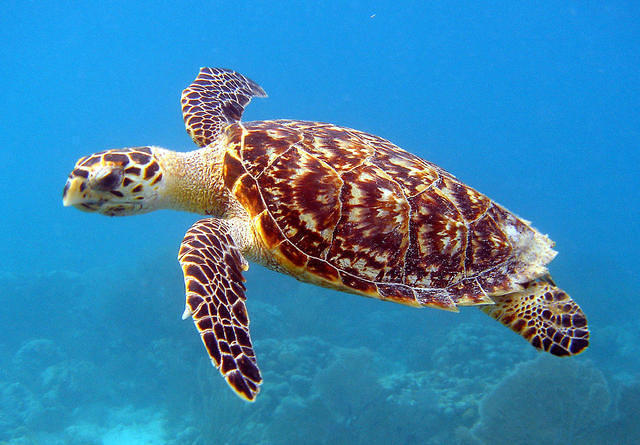
-
Nº84
 Date: 2018-12-17 - 07:01
-
 Max Depth: 22m Duration: 36mins
Dive Location

- Temp: Surf 26°C Bottom 25°C
- Dive type : Recreational, Night dive, Drift
- Visibility: Average Water: Salt
Specific gear used
- Weights: 7 kg
Dive reviews
| Overall review | ||
| Dive difficulty | ||
| Marine life quality |
Recent Divers in Komodo National Park

Recent Pictures in Komodo National Park
Dive Shop & Buddies
 Dive with Uber Scuba Komodo
 Dive buddies:
Ana,
Boris
Dive buddies:
Ana,
Boris

Link to this spot:
- Spot:
- Country:
- Area:
- Body of water:
Dive Profile
- 1. Air
- 12L Steel 200 → 40 bar
- Average depth: 14.7m
Data provided by EOL.org



Species Identified
Eretmochelys imbricata (LINNAEUS) 1766 (Hawksbill Turtle)
Hawksbills may take decades to mature and it could be between 20 to 40 years before they are ready to breed . Upon reaching sexual maturity, a female will typically lay up to five clutches of around 100 to 140 eggs in one ...
Read More
Read More
Triaenodon obesus (Rüppell, 1837) (Whitetip reef shark)
Despite its docile nature during the day this nocturnal shark can become aggressive when hunting at night, thrashing through coral reefs looking for potential prey. The whitetip reef shark usually hunts alone, but is non-t...
Read More
Read More
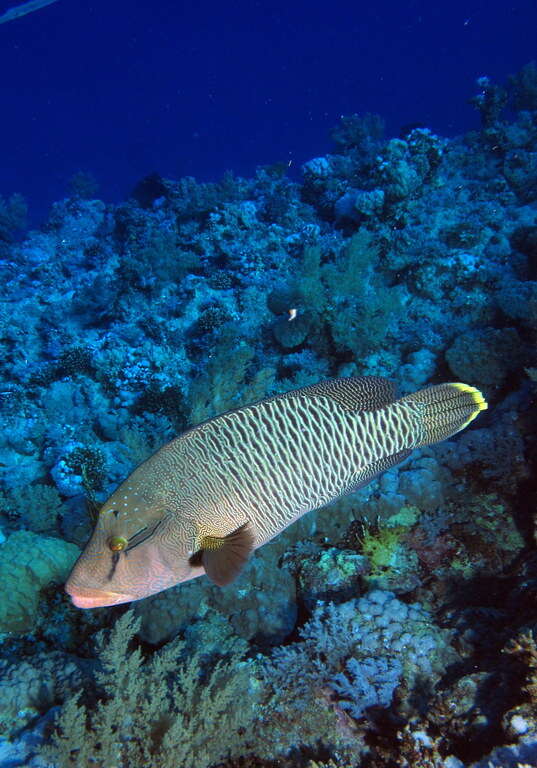
Cheilinus undulatus Rüppell, 1835 (Humphead wrasse)
Humphead wrasses are extremely long-lived, known to survive for at least 30 years, and taking around five to seven years to reach sexual maturity . Adults are usually solitary, spending the day roaming the reef and returni...
Read More
Read More
Thunnus orientalis (Temminck and Schlegel, 1844) (Pacific bluefin tuna)
Epipelagic, usually oceanic, but seasonally coming close to shore . Tolerates ample temperature intervals . Forms schools by size, sometimes with other scombrids . Migrates between June and September in a northward dir...
Read More
Read More
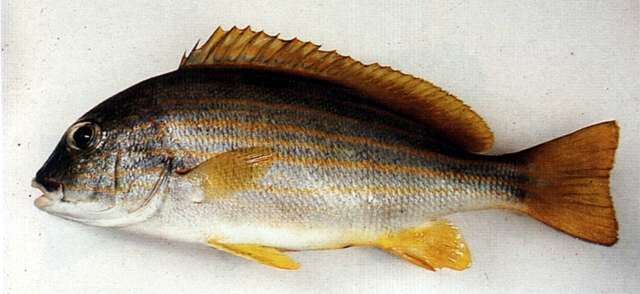
Plectorhinchus chrysotaenia (Bleeker, 1855) (goldenlined sweetlips)
In coastal reef slopes, inner reefs and deep lagoon . Prefers sheltered reefs and during the day either solitary or in large inactive aggregations .
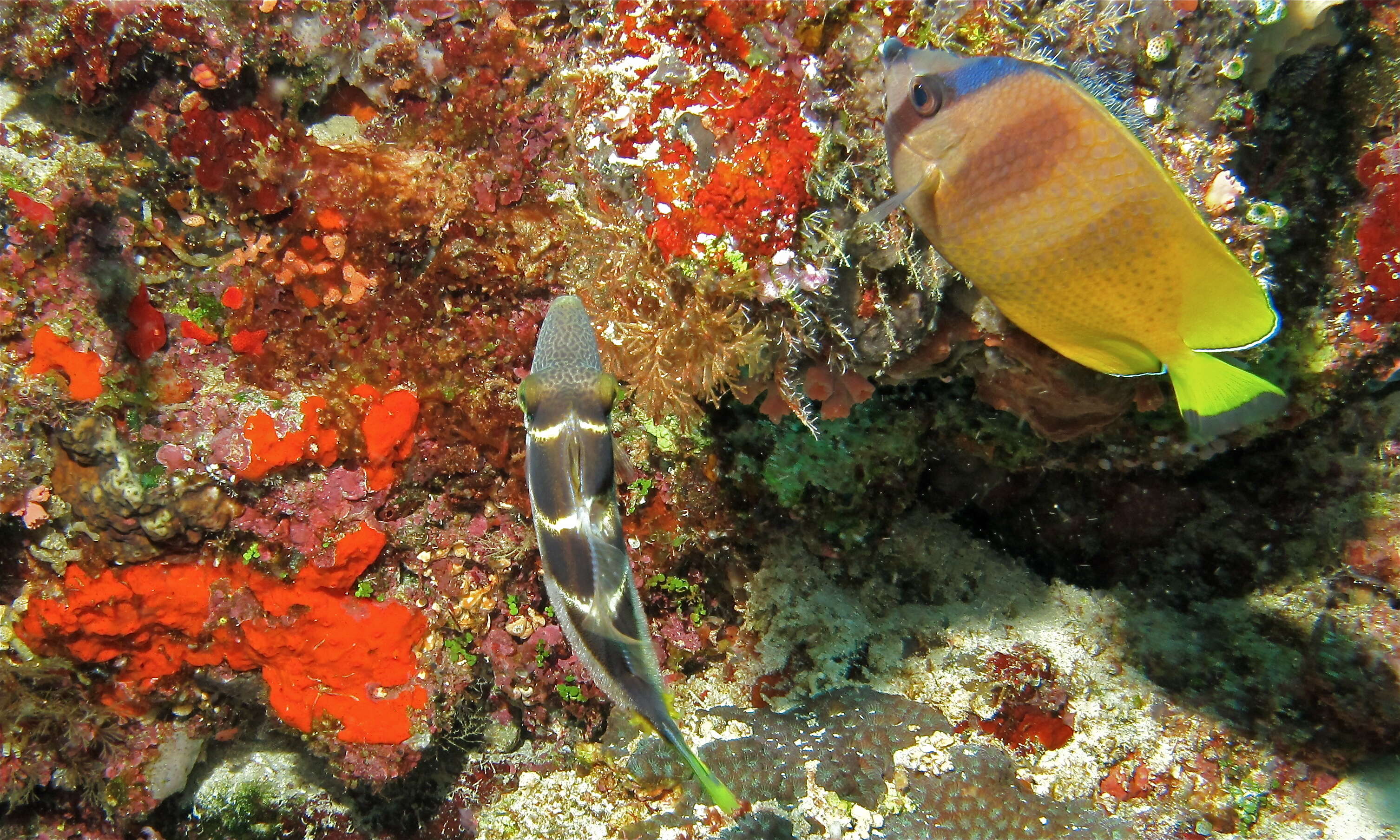
Chaetodon kleinii Bloch, 1790 (Sunburst butterflyfish)
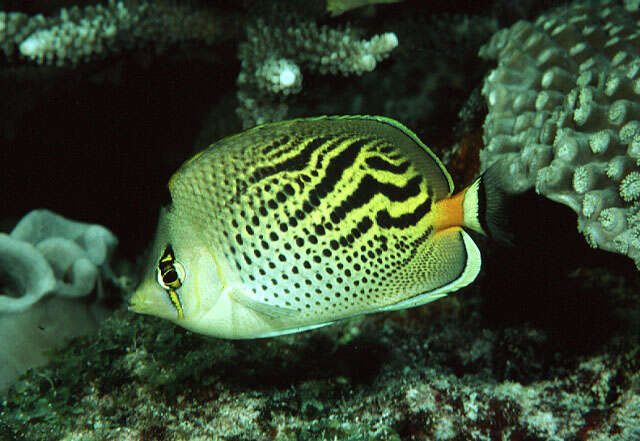
Chaetodon pelewensis Kner, 1868 (Sunset butterflyfish)
Feed mainly on coral polyps and small benthic invertebrates . Oviparous , monogamous . Adults usually paired during breeding , but juveniles solitary . Can adapt easily to tank life and willingly accept nearly all kinds of food offered.
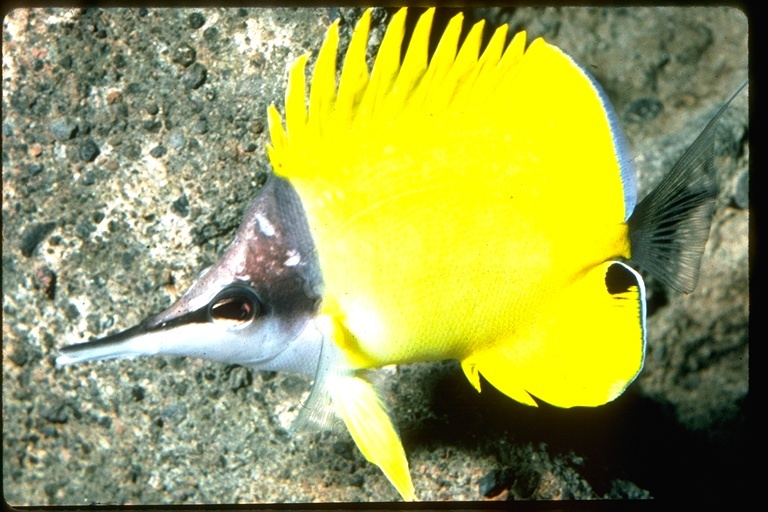
Forcipiger flavissimus Jordan & McGregor, 1898 (Butterflyfish)
Amphiprion ocellaris Cuvier, 1830 (false clown anemonefish)
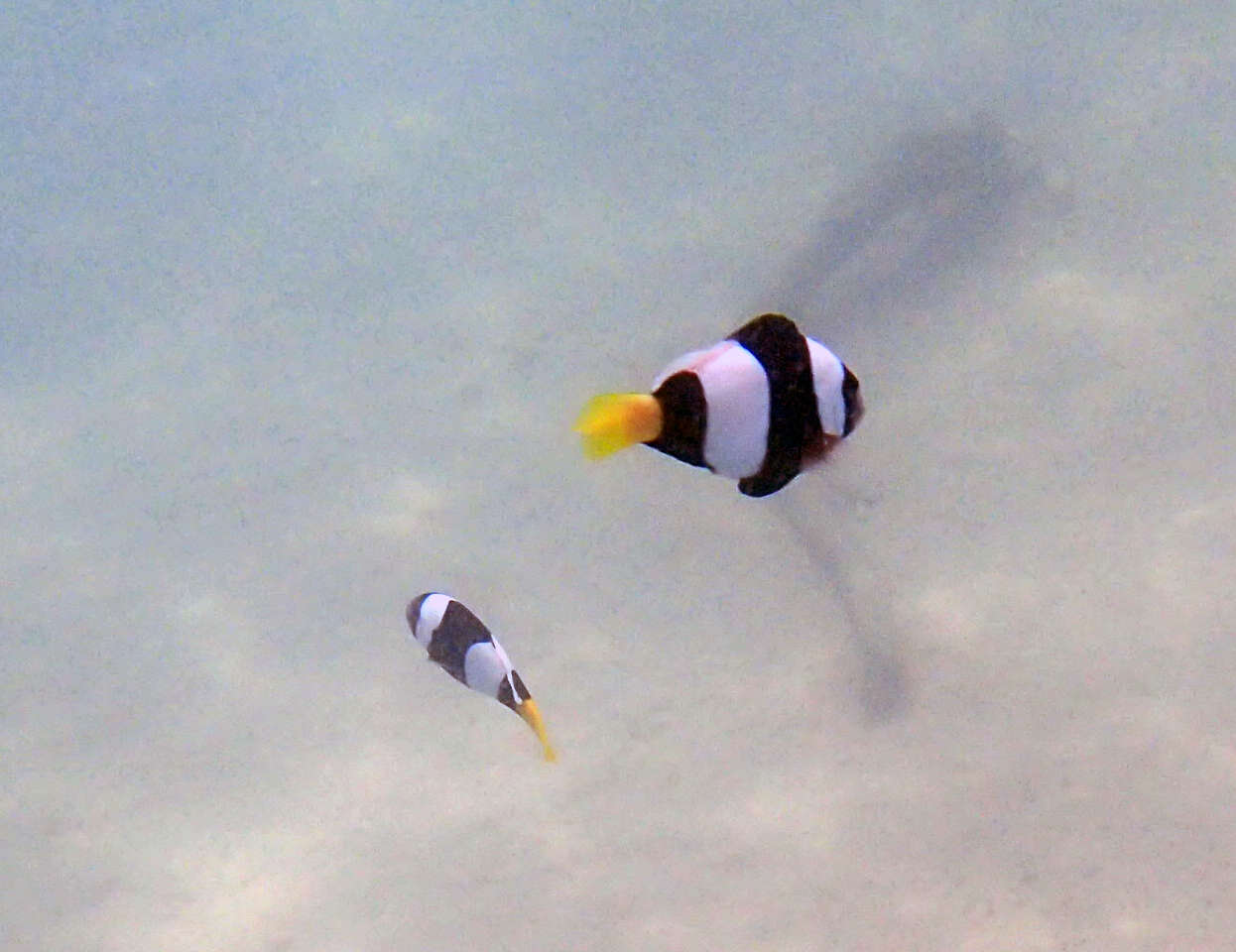
Amphiprion sebae Bleeker, 1853 (Sebae anemonefish)
Found in coastal waters and lagoons. It grows rather large . Associated with the anemone Stichodactyla haddoni .
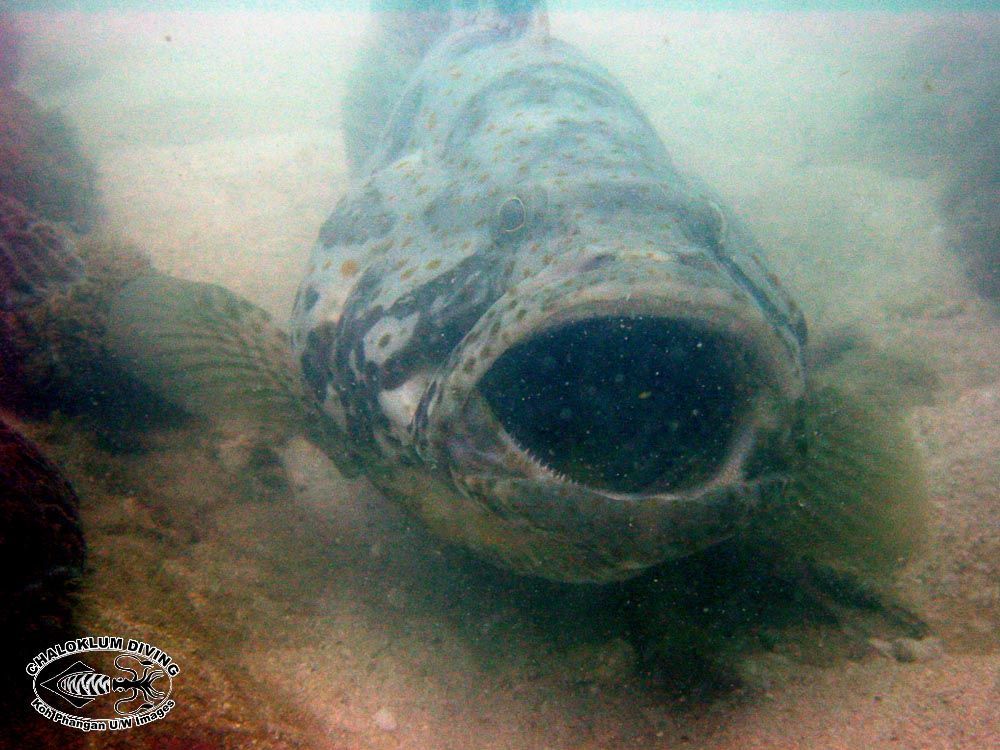
Epinephelus coioides (Hamilton, 1822) (Green grouper)
Inhabit turbid coastal reefs and are often found in brackish water over mud and rubble . Juveniles are common in shallow waters of estuaries over sand, mud and gravel and among mangroves . Feed on small fishes, shrimps...
Read More
Read More
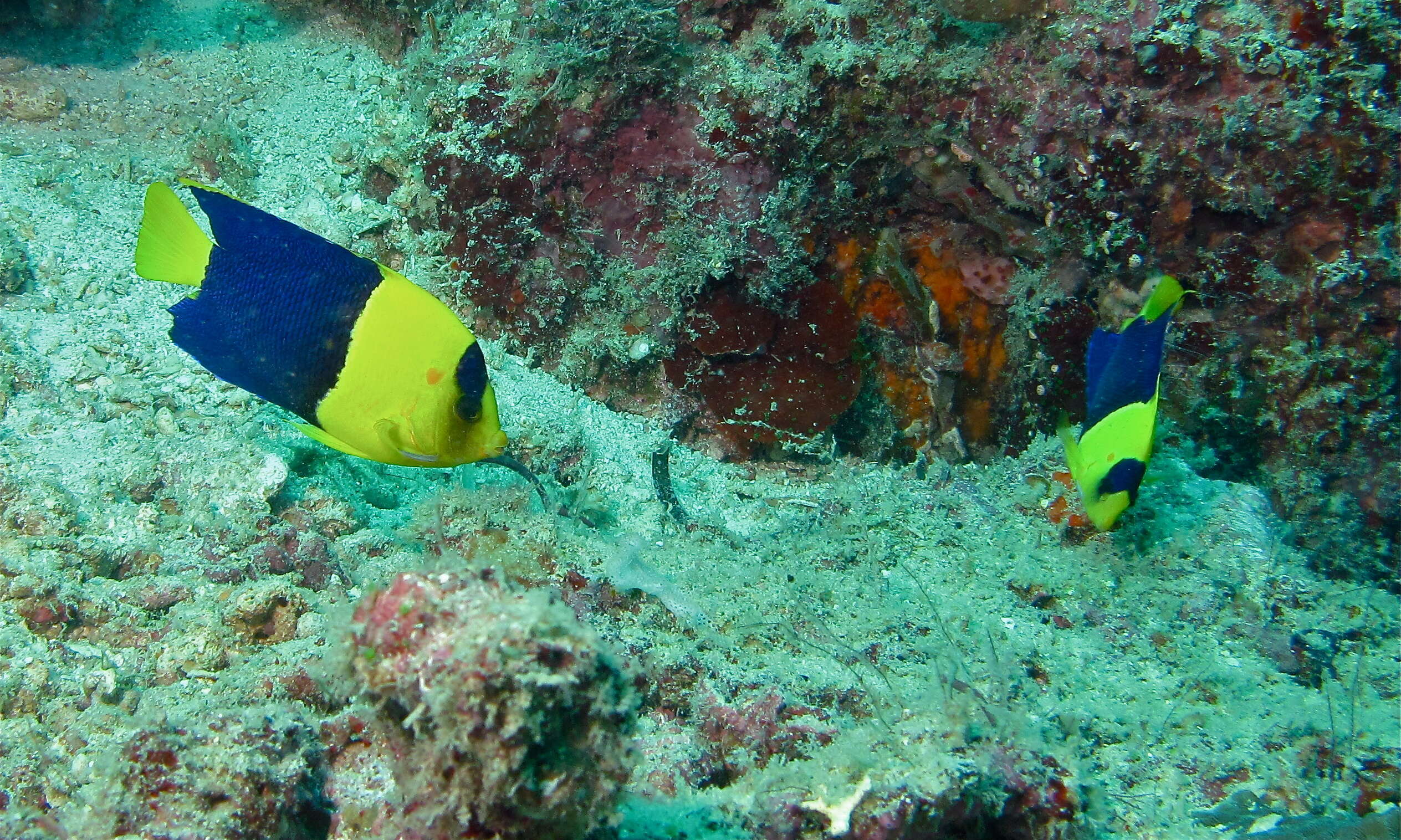
Centropyge bicolor (Bloch, 1787) (Bicolor angelfish)
Inhabits lagoon, channel, or protected seaward reef slopes, drop offs, coral and rubble areas . Usually in pairs or in small groups. Feeds on algae, small crustaceans and worms. Darts from one hiding place to the next. Commonly exported through the aquarium trade .
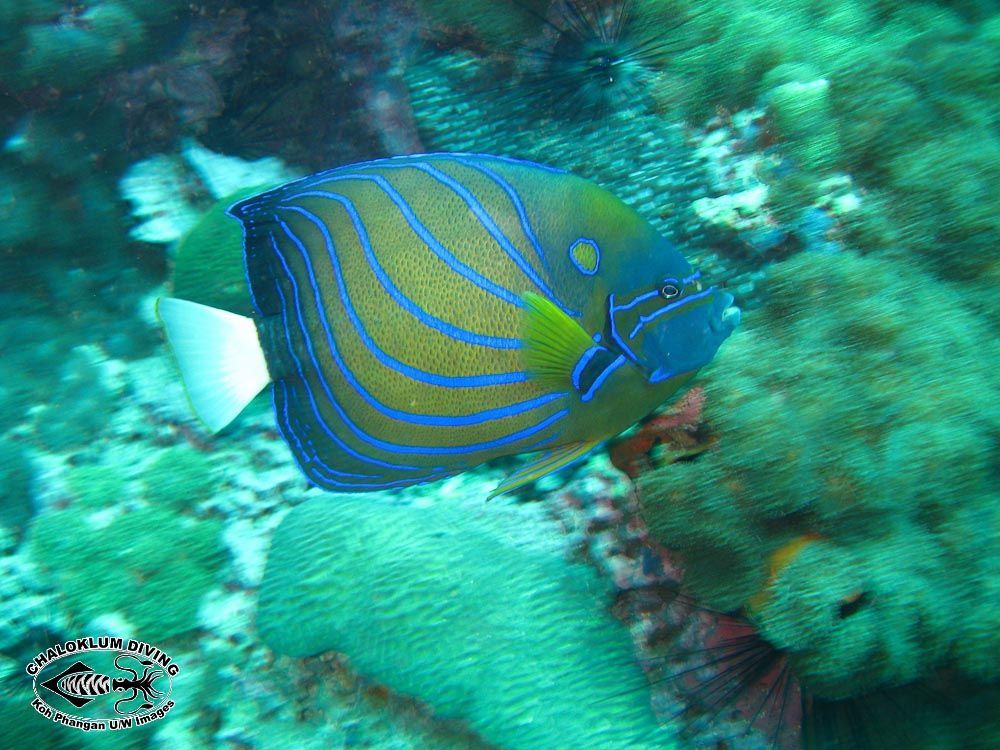
Pomacanthus annularis (Bloch, 1787) (Bluering angelfish)
Inhabits coastal reefs to at least 30 m . Adults often found in pairs inside caves . Juveniles settle in very shallow inshore habitats with short filamentous algae growth on rock or dead coral substrates . Feeds on spon...
Read More
Read More
Share on Social Networks
- Facebook:

personalize your shared text as well as its destination (wall, page...) or send as a private message to a friend
- Twitter: Tweet personalize your tweet
- Google Plus:
Direct link to this dive
- Long link:
- Short link:


 We are participating today in the startup contest Techcrunch Disrupt. Support Diveboard by voting for us!
























































































Crazy drift dive. I had a feeling of running past the reef, waving hello to resident fish. Certainly my longest dive in terms of distance covered.
Came across several hawksbill turtles. Saw one white tip reef shark in the distance. Saw lots of common reef fish, including grouper, anemonefish, butterflyfish, ...
Saw one small tuna, lots of soft and hard coral, one big napoleon wrasse, giant sweetlips, Scar (from Finding Nemo).
3mm wetsuit