


 Buran


 Spain

-
Nº83
 Date: 2013-07-29 - 09:03
-
 Max Depth: 25.5m Duration: 51mins
Pictures

No pictures for this dive
- Temp: Surf 24°C Bottom 16°C
- Dive type : Recreational
- Visibility: Average Water: Salt
Specific gear used
- Camera: Ikelite - Canon S110
- Boots: Subacqua -
- Computer: Mares - nemo instructor
- Dive skin: Seac Sub - nature fit
- Fins: Cressi Sub -
- Lift bag: Cressi Sub - aqua ride
- Light: archon - D10XL
- Mask: Cressi Sub - Big Eyes Cristal
- Regulator: mares - abyss
- Weights: 6 kg
Recent Divers in Estartit & Medes Islands
Recent Pictures in Estartit & Medes Islands
Dive Shop & Buddies
 Dive with None from Costa Brava Divers

Link to this spot:
- Spot:
- Country:
- Area:
- Body of water:
Dive Profile
- 1. Air
- 12L Steel 200 → 40 bar
- Average depth: 17m
Data provided by EOL.org


Species Identified
Epinephelus marginatus (Lowe, 1834) (Duskey grouper)
The dusky grouper is a protogynous hermaphrodite, meaning that it matures as a female but later develops into a male as it grows larger and older . Sexual maturity is attained fairly late, when females are around five year...
Read More
Read More
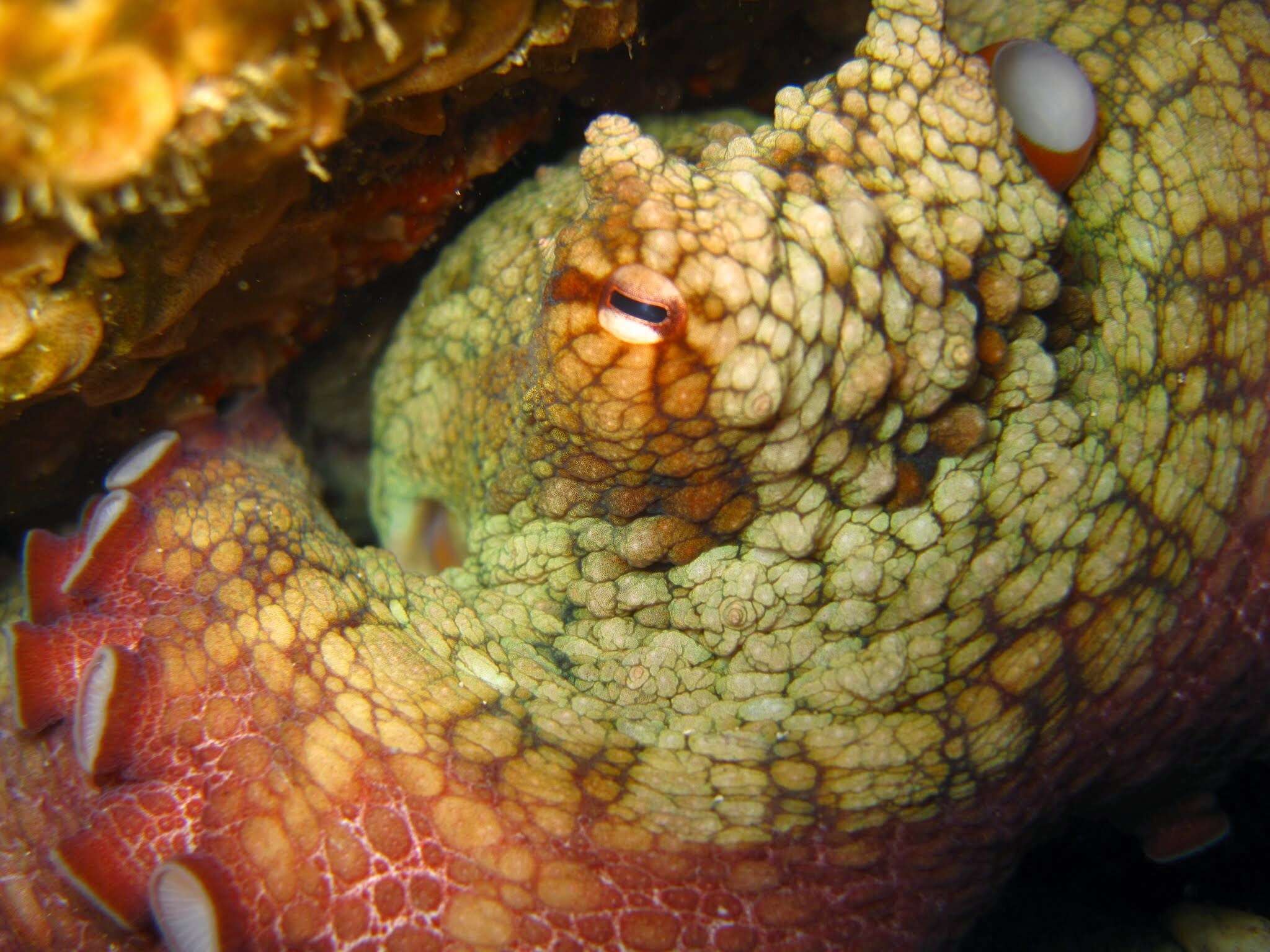
Octopus hubbsorum Berry, 1953 (Octopus)
Sphyraena viridensis Cuvier, 1829 (Barracuda)
Its habits are probably similar to those of the phylogenetically closely related Sphyraena sphyraena . Feeds on cephalopods, crustaceans and fishes. Caught in trammel nets and beach seines .
Aetobatus narinari (Euphrasen, 1790) (Bishop ray)
Large groups of spotted eagle rays may be seen outside of the breeding season. These rays swim close to the surface and can occasionally be seen jumping clear out of the water (known as 'breaching') . Females give birth to...
Read More
Read More
Raja clavata Linnaeus, 1758 (Thornback ray)
All skates are oviparous (egg-laying), with large female thornbacks laying up to 140 to 160 egg capsules per year . The species moves into shallower, inshore waters in spring when ready to spawn, laying eggs between March...
Read More
Read More
Share on Social Networks
- Facebook:

personalize your shared text as well as its destination (wall, page...) or send as a private message to a friend
- Twitter: Tweet personalize your tweet
- Google Plus:
Direct link to this dive
- Long link:
- Short link:


 We are participating today in the startup contest Techcrunch Disrupt. Support Diveboard by voting for us!




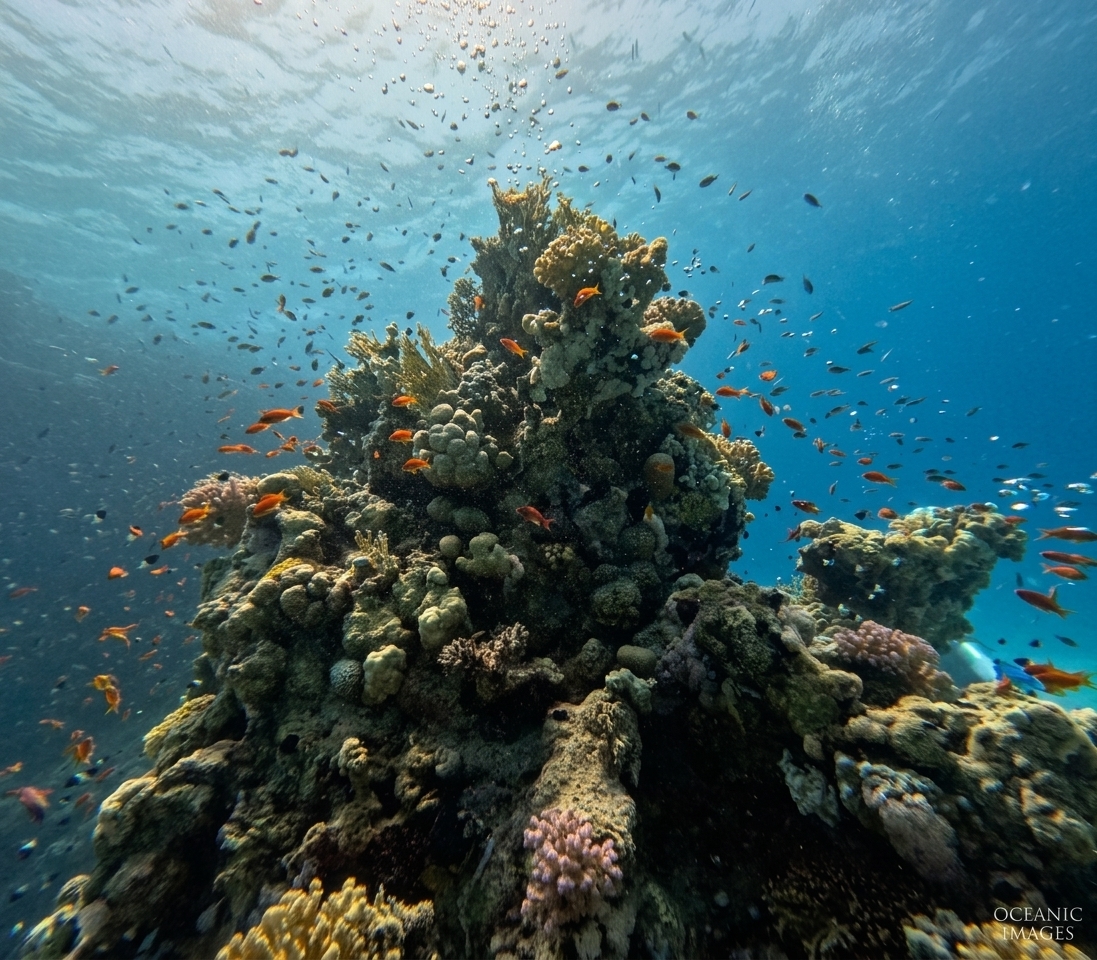
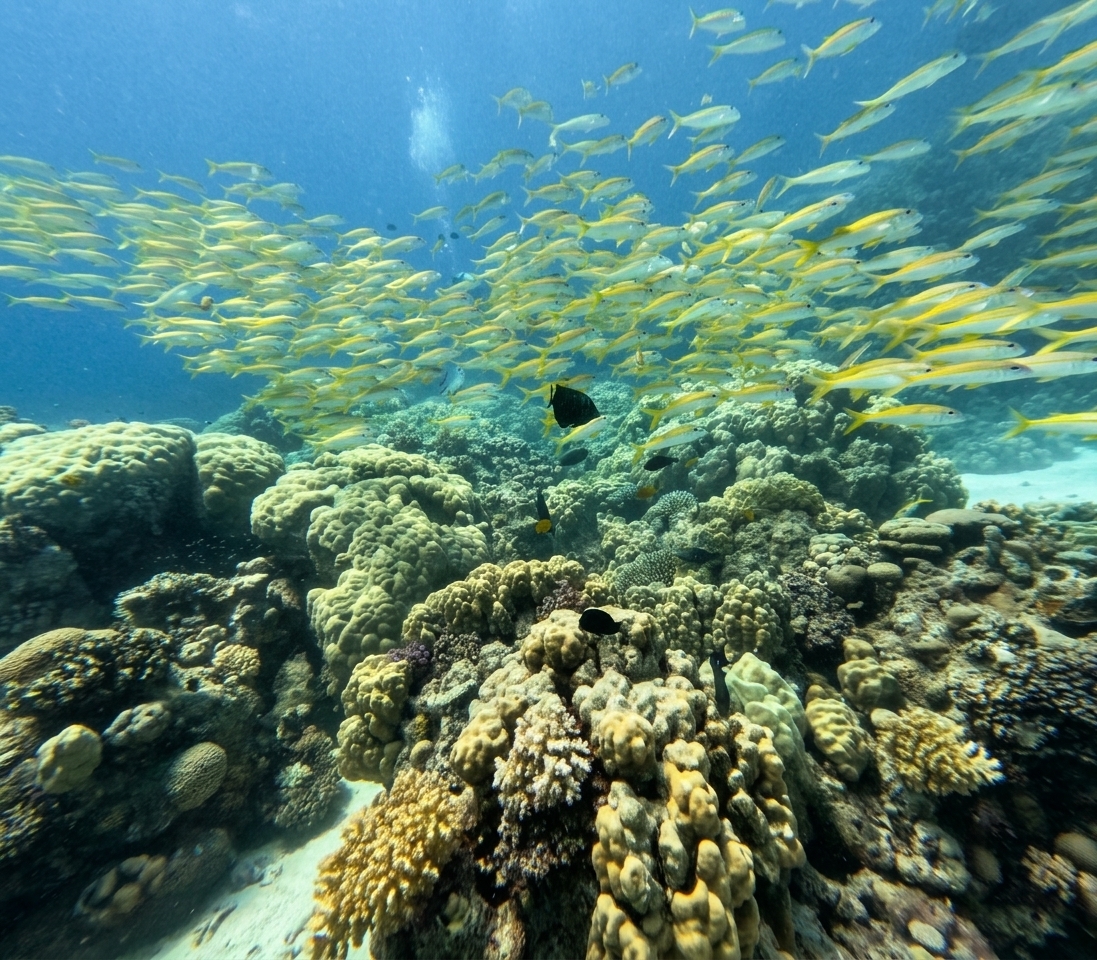
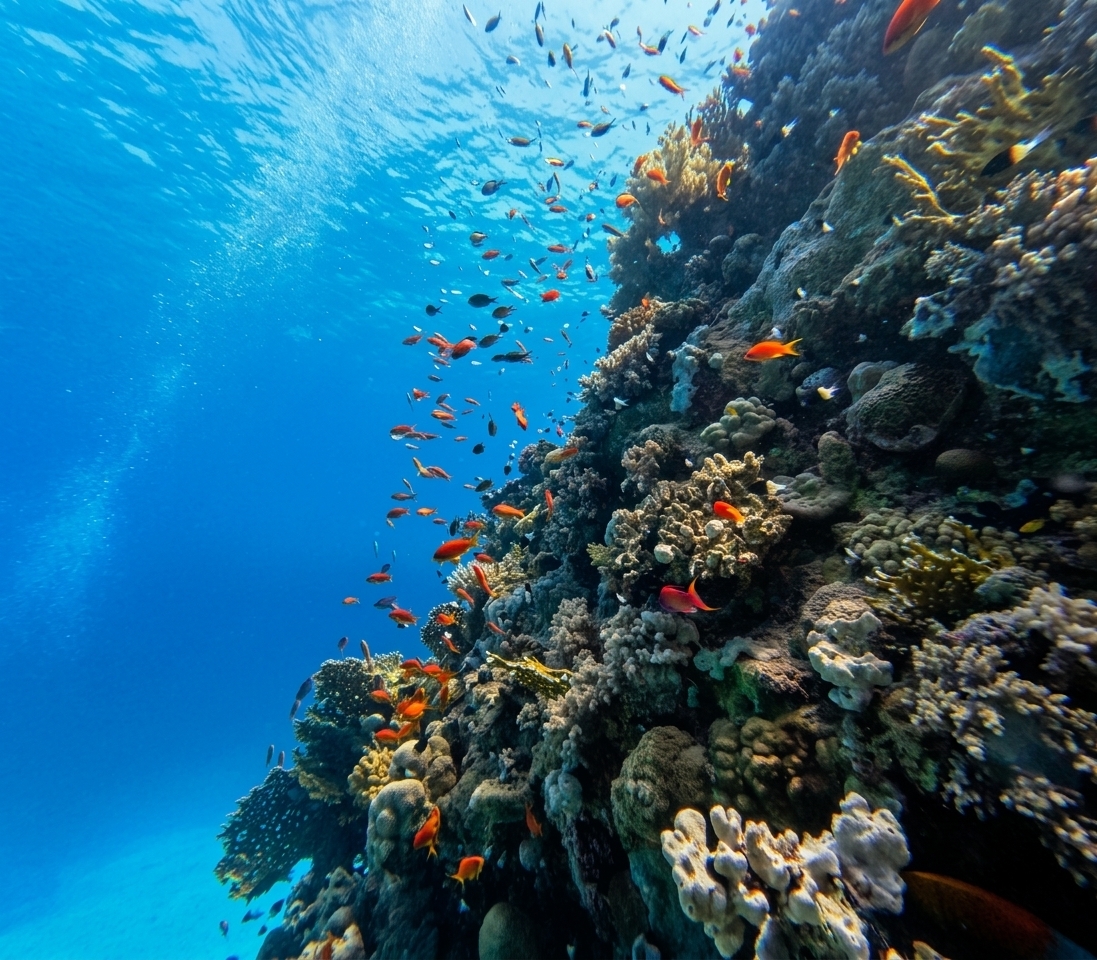
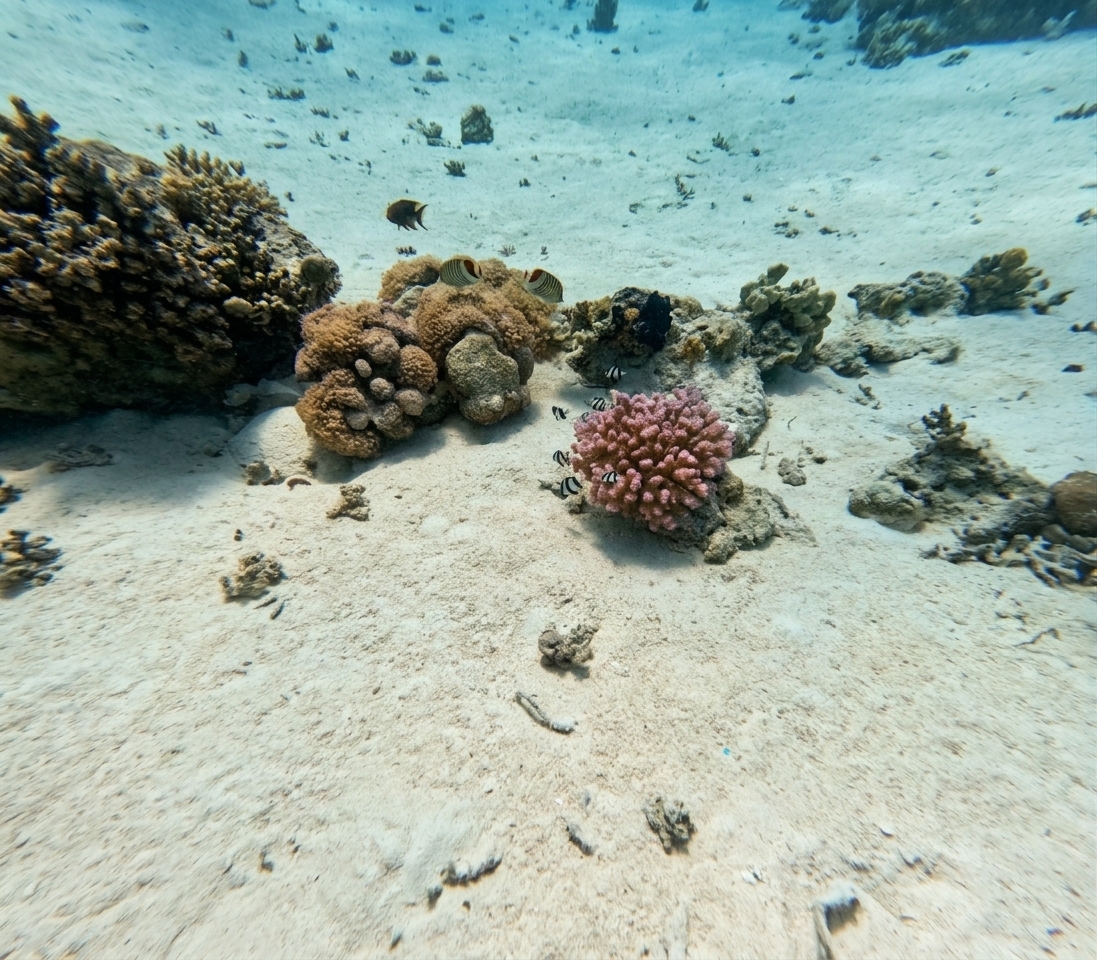
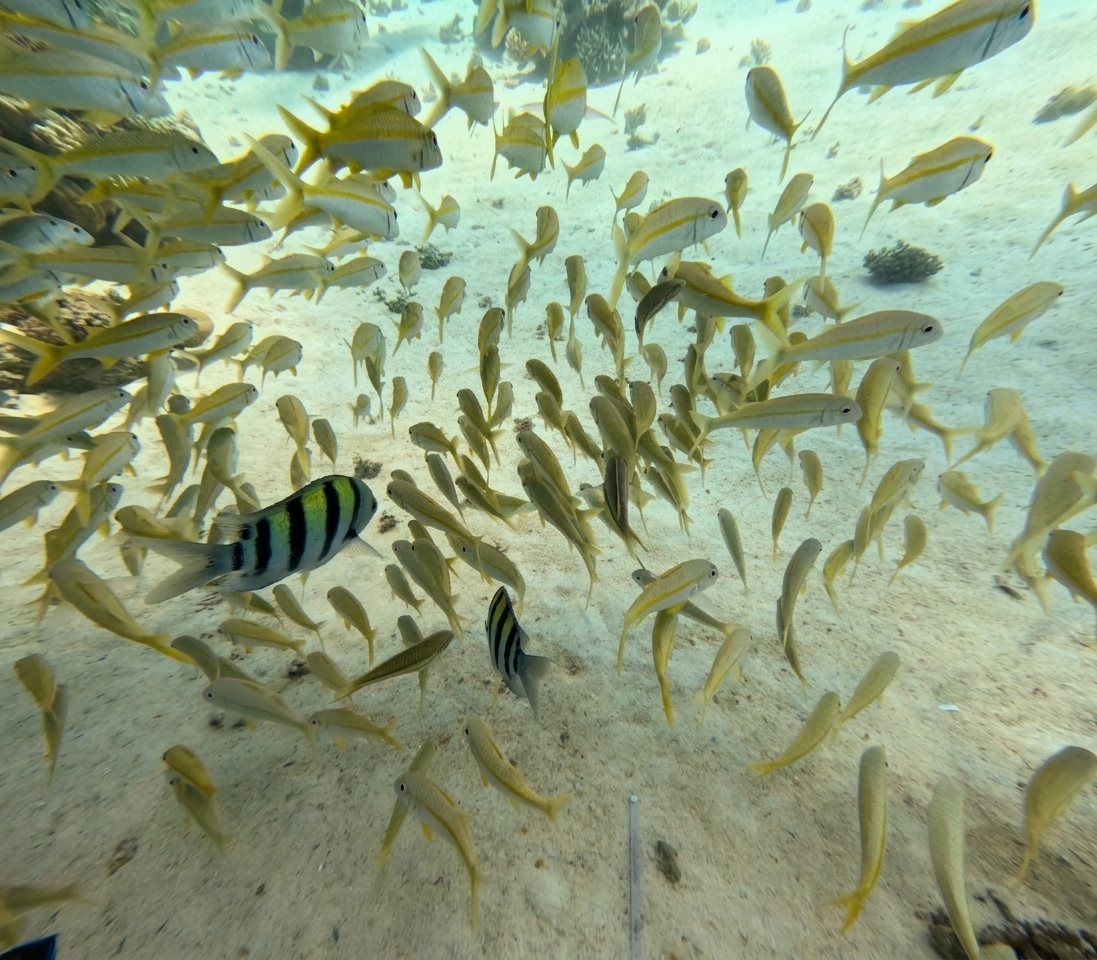
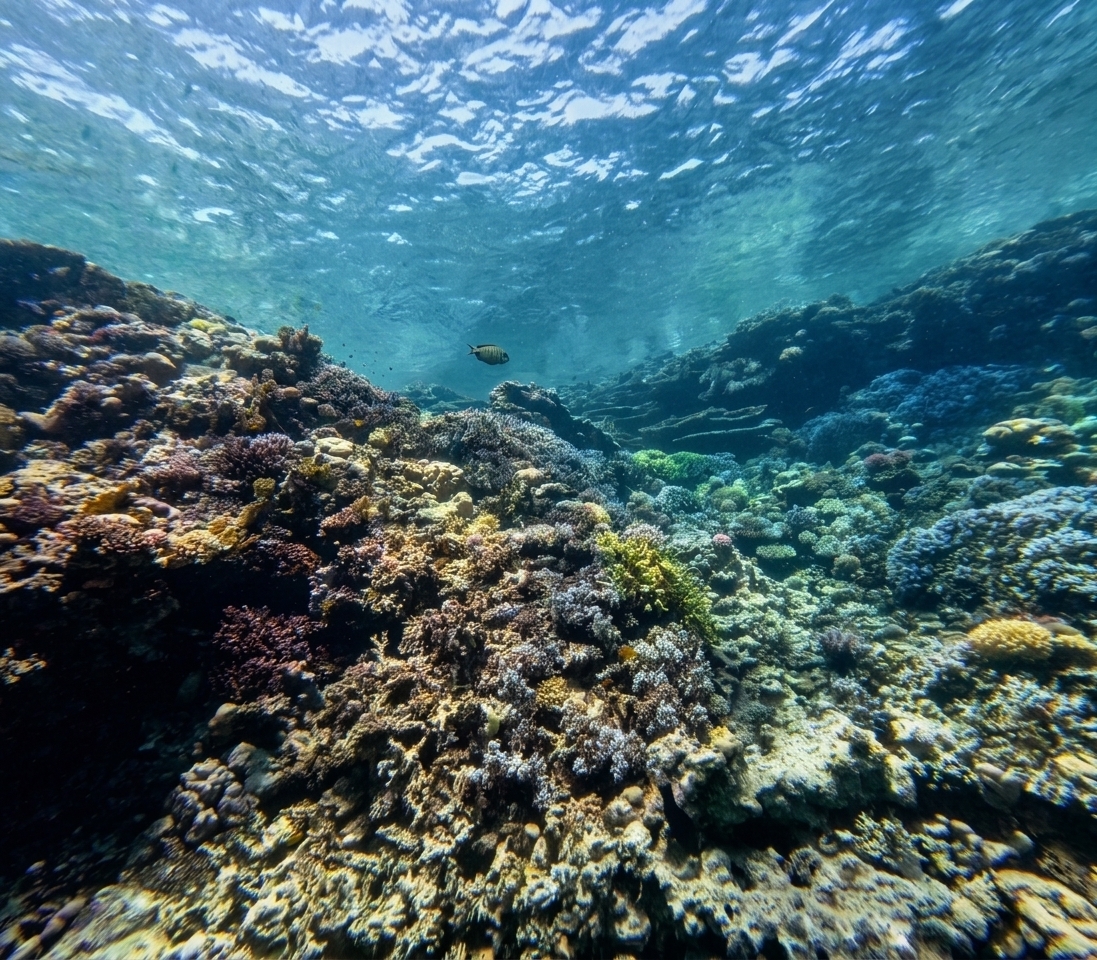
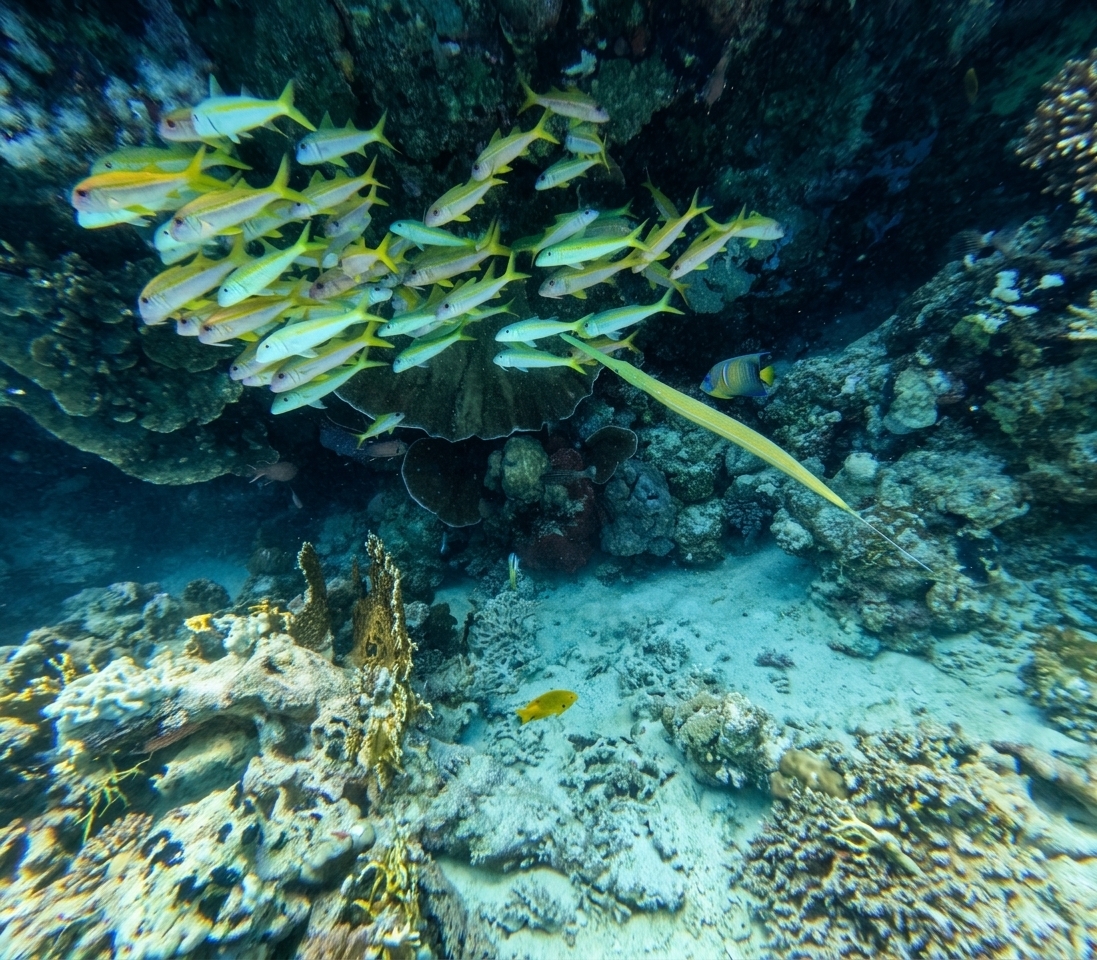
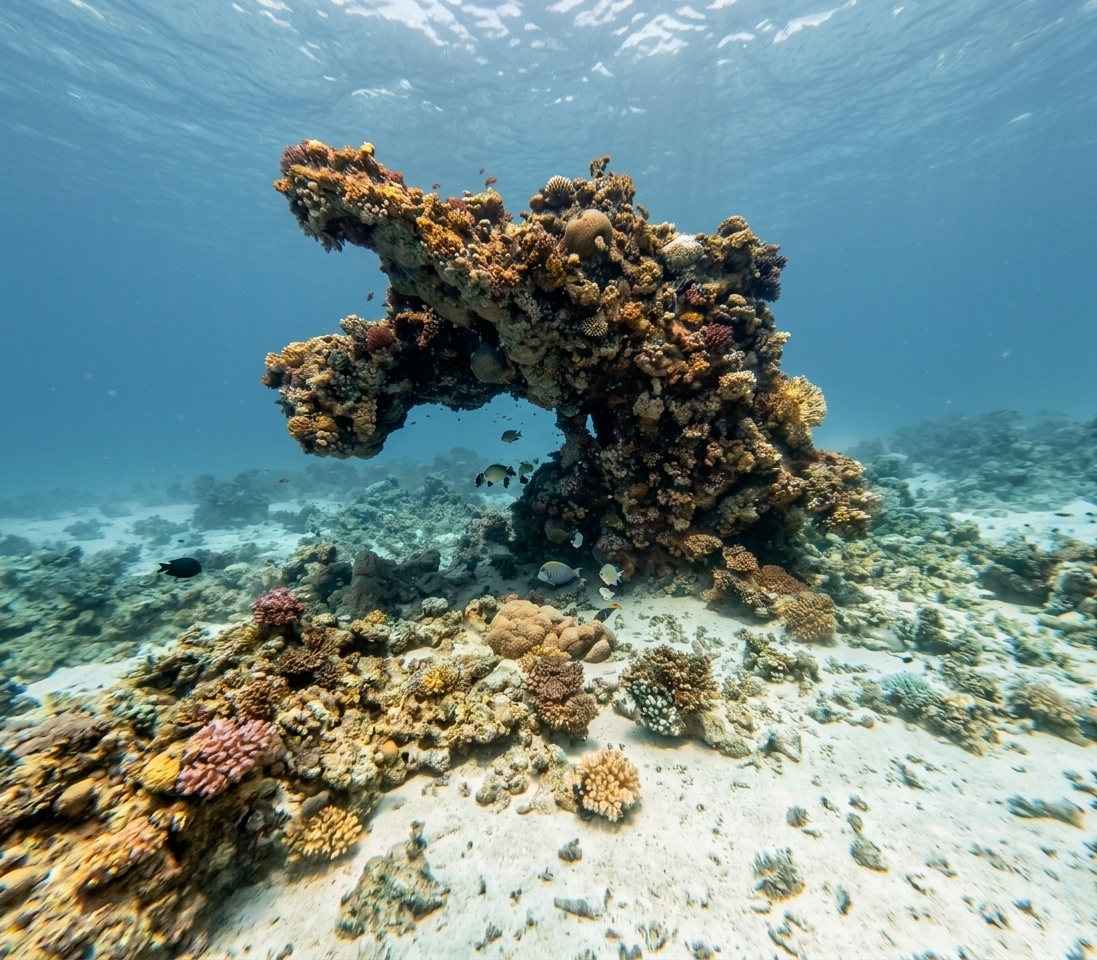
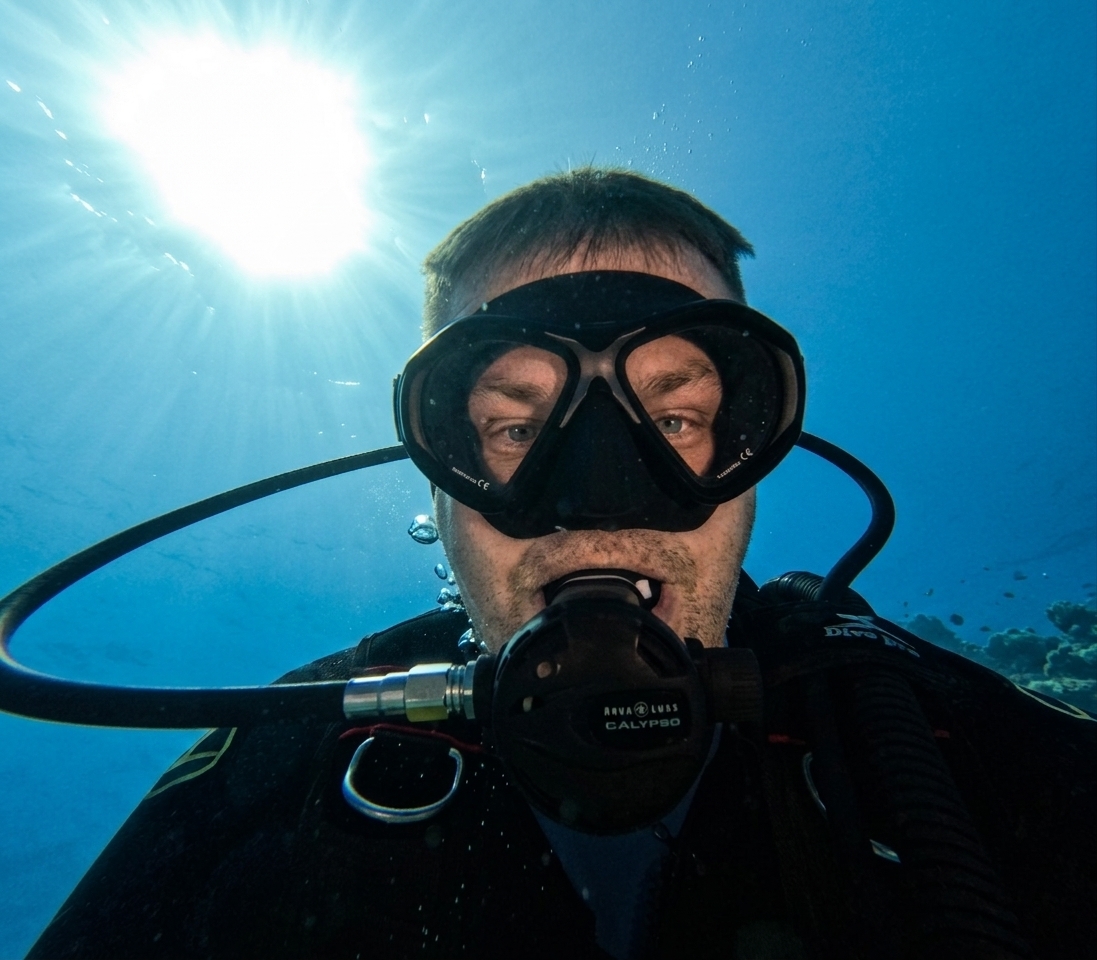
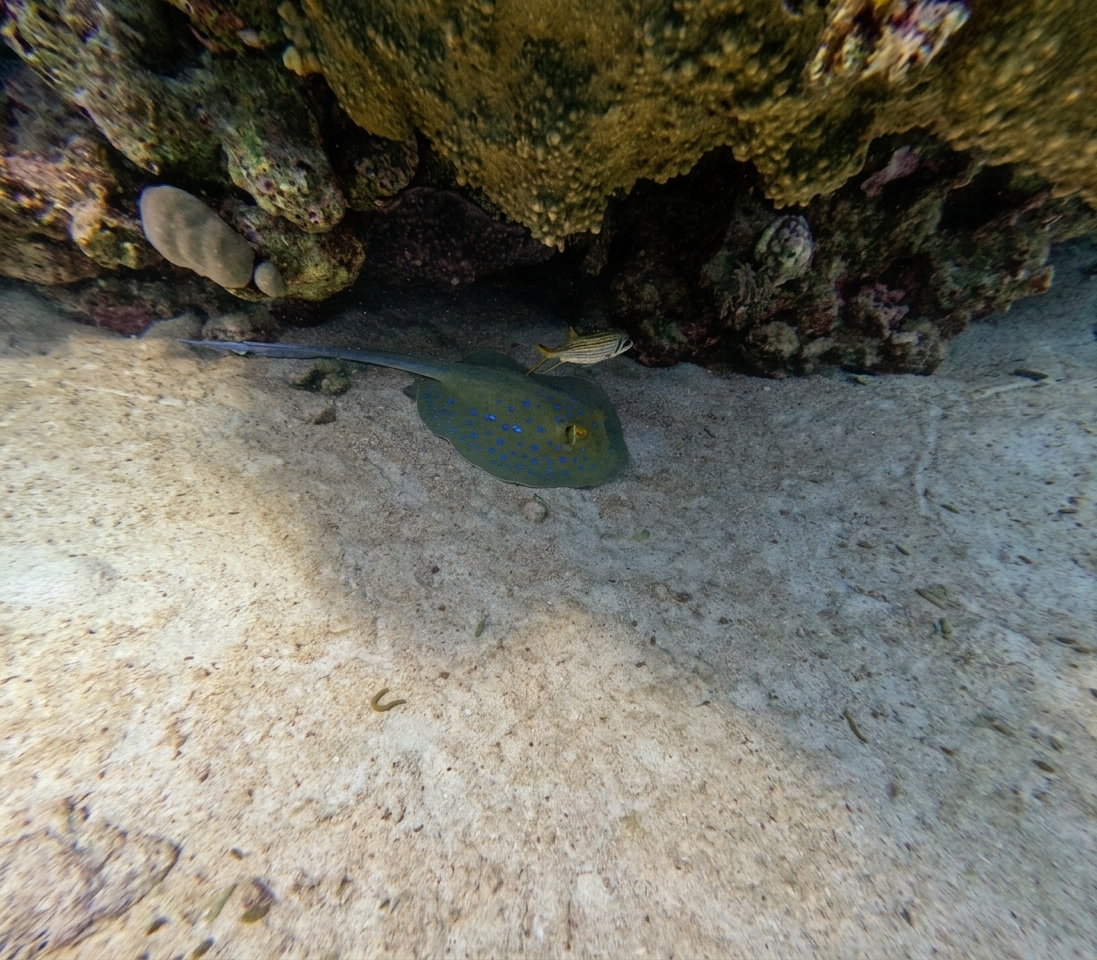









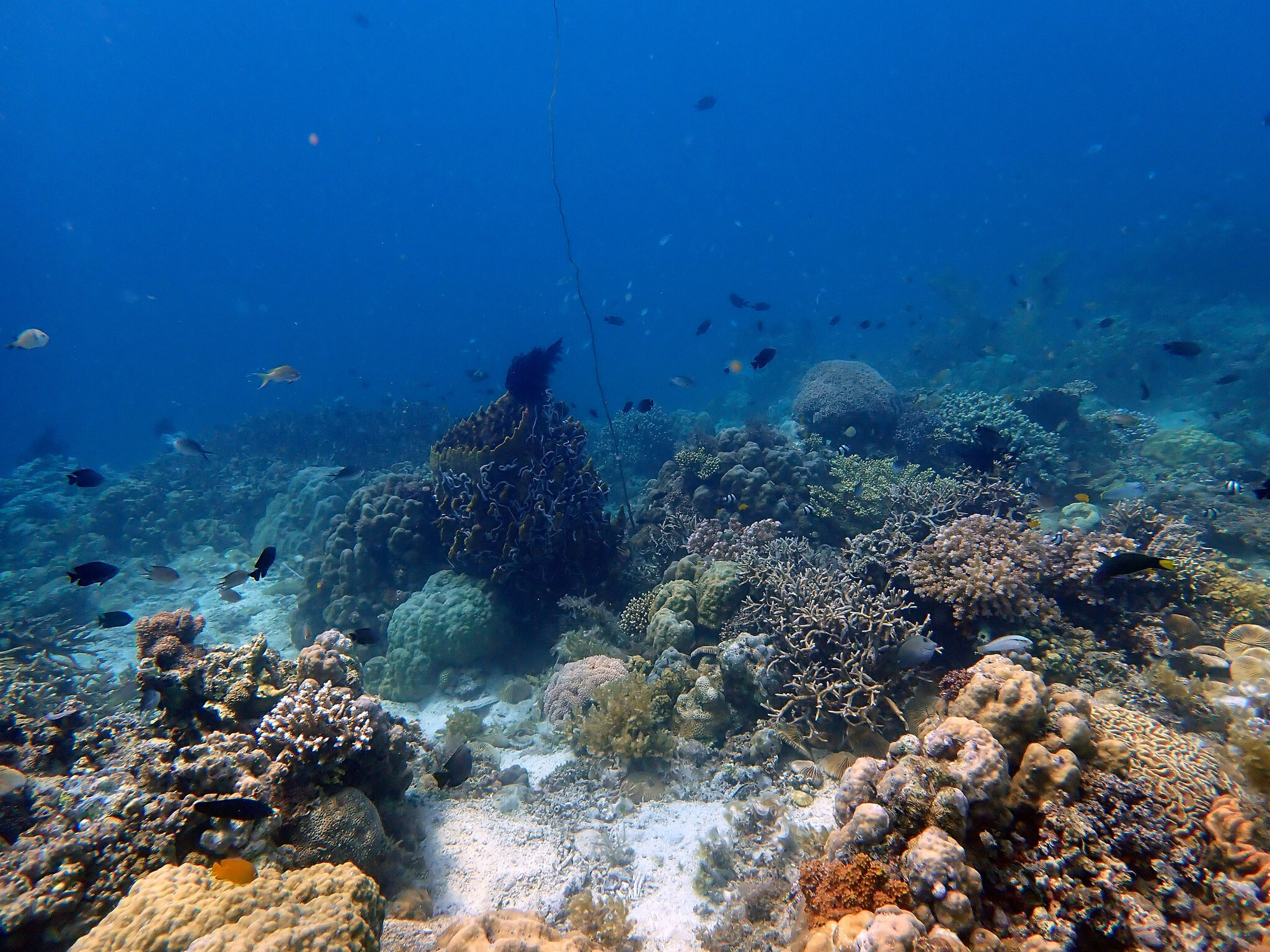
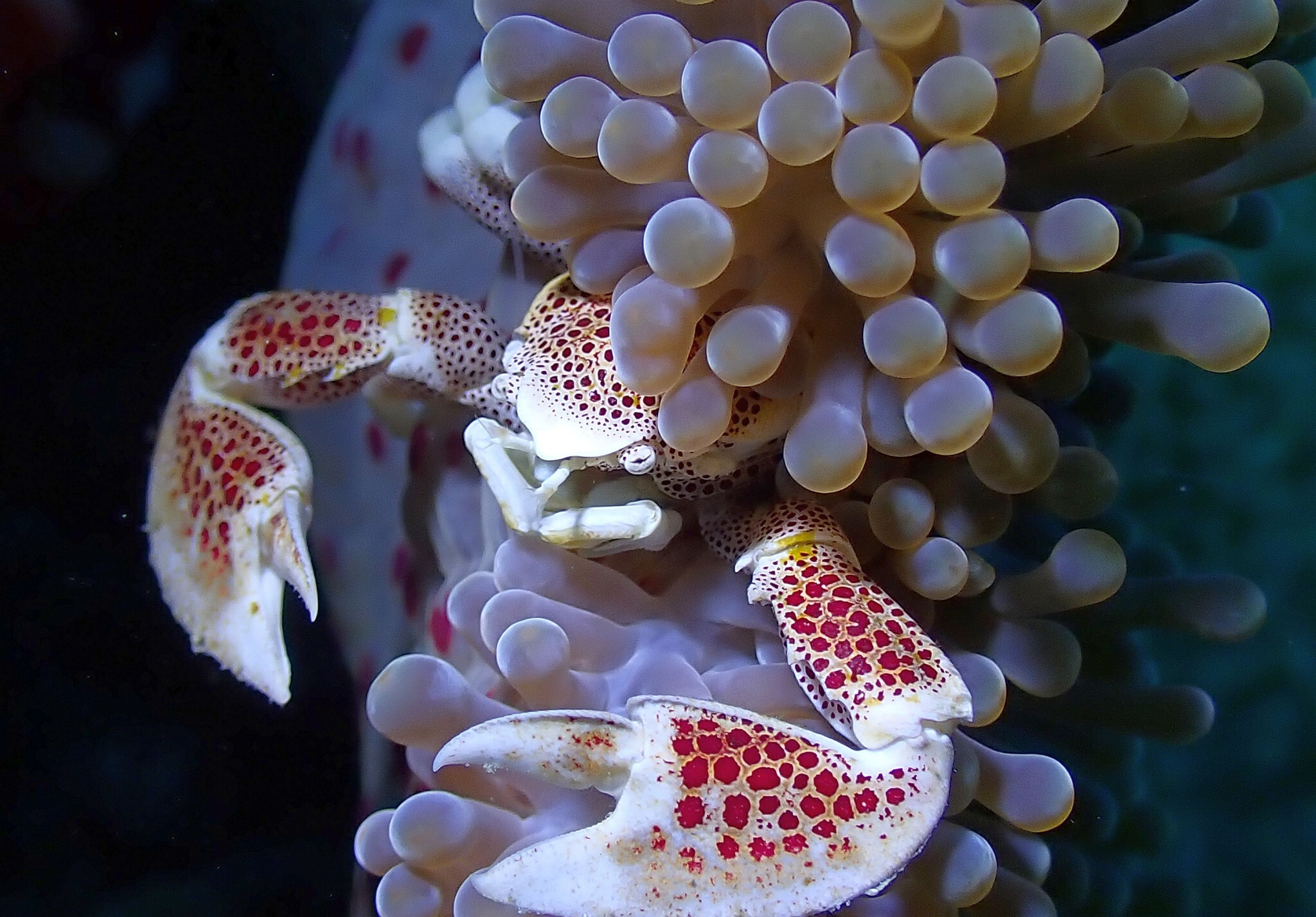
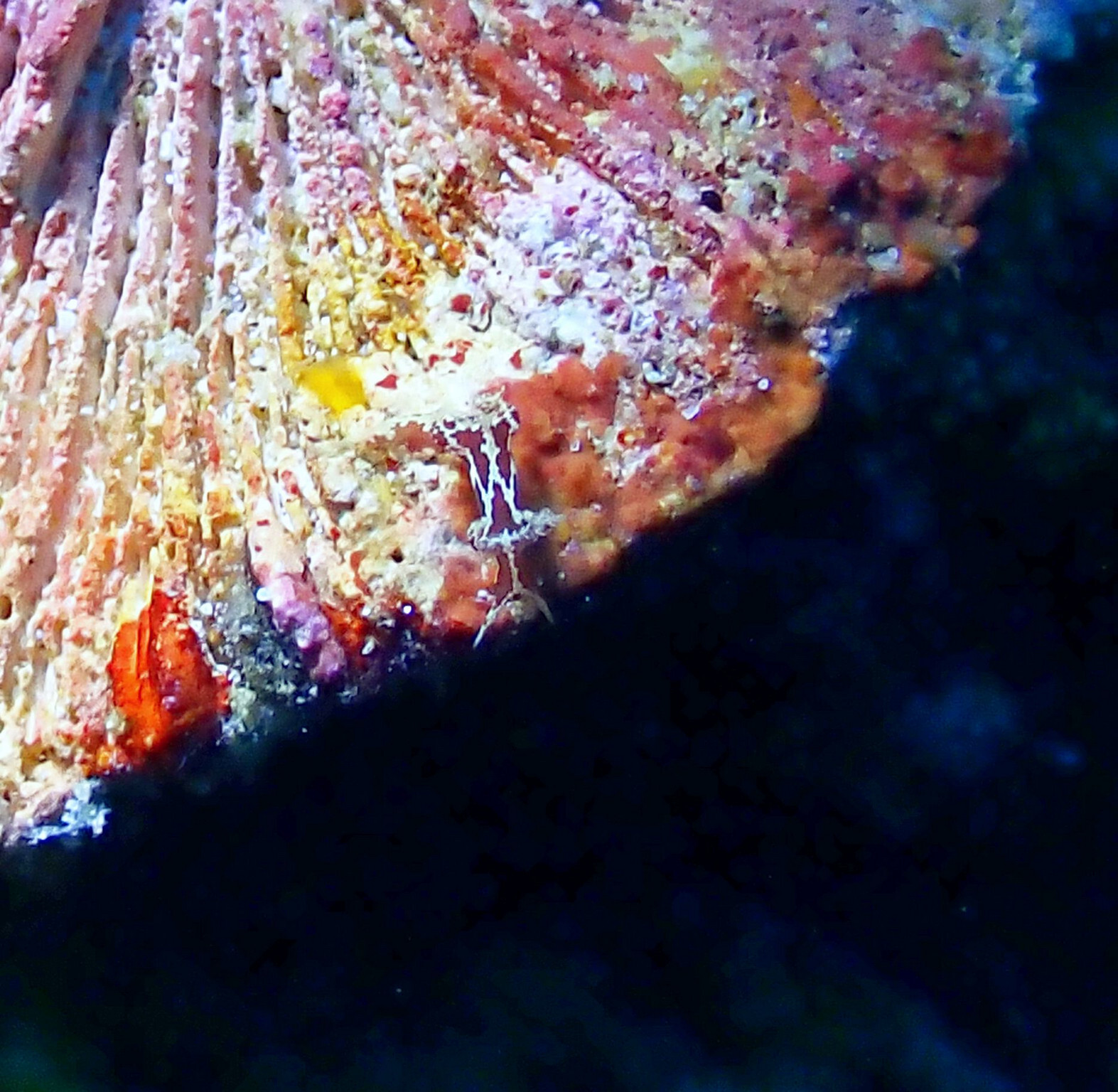
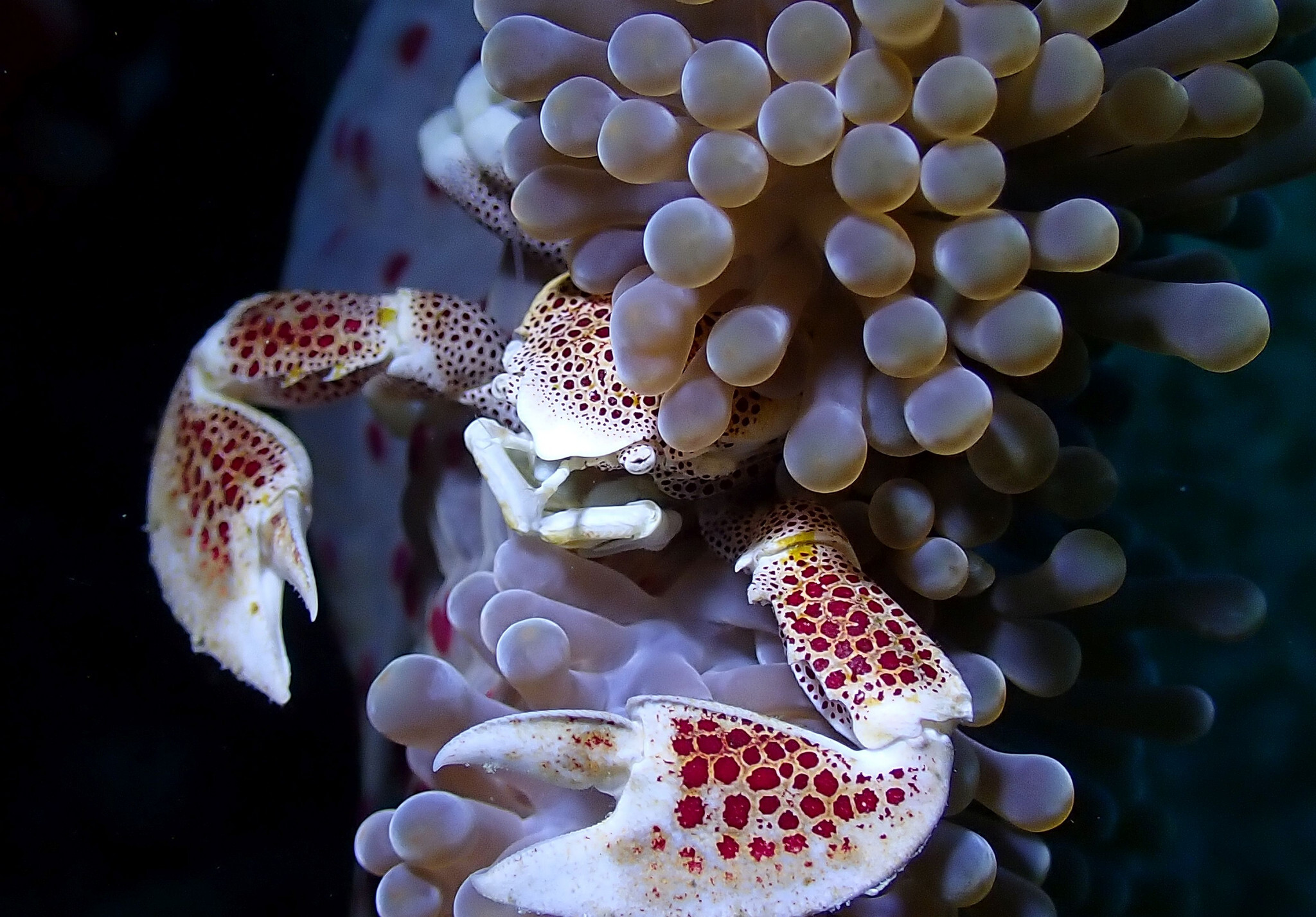
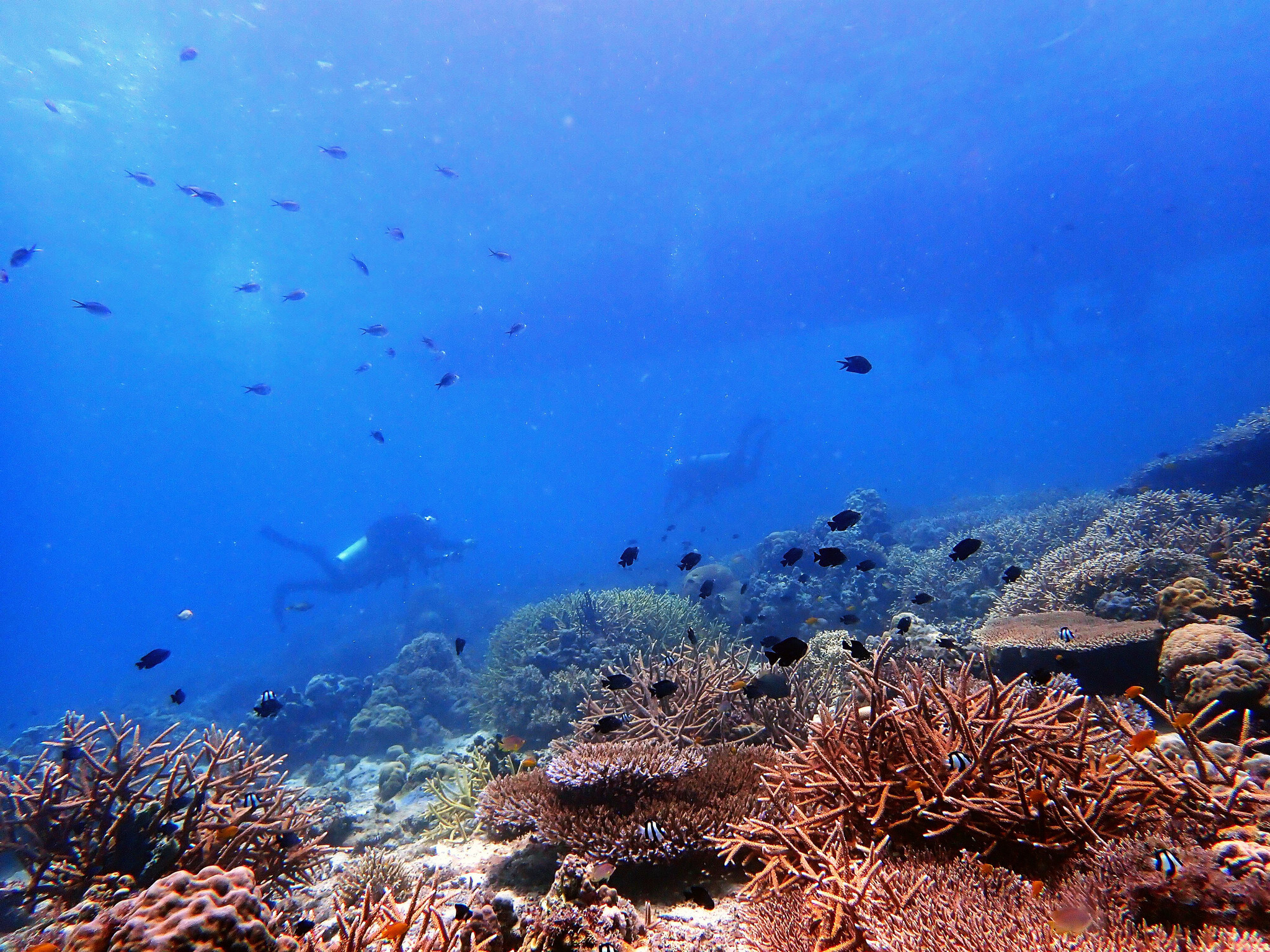
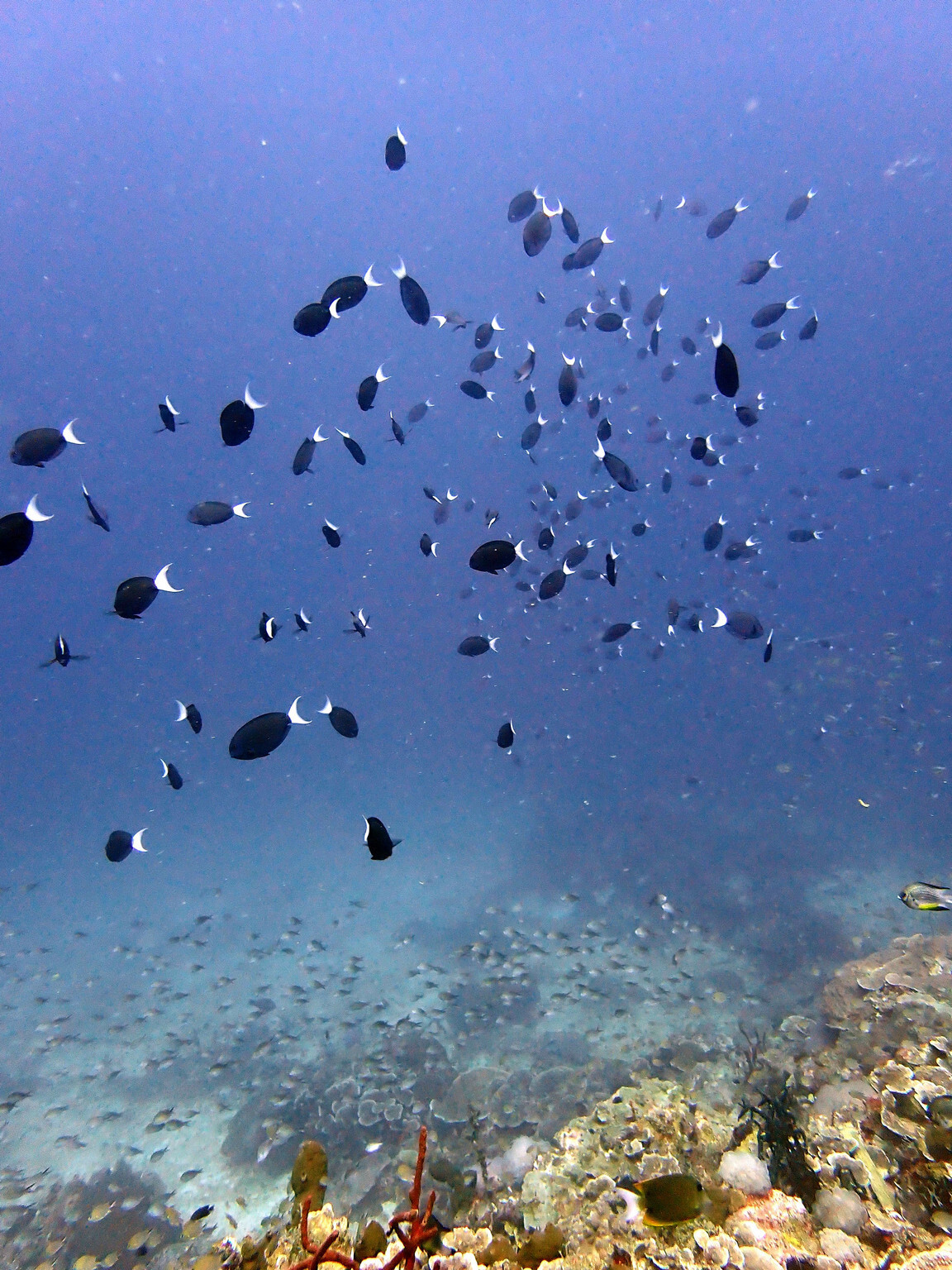
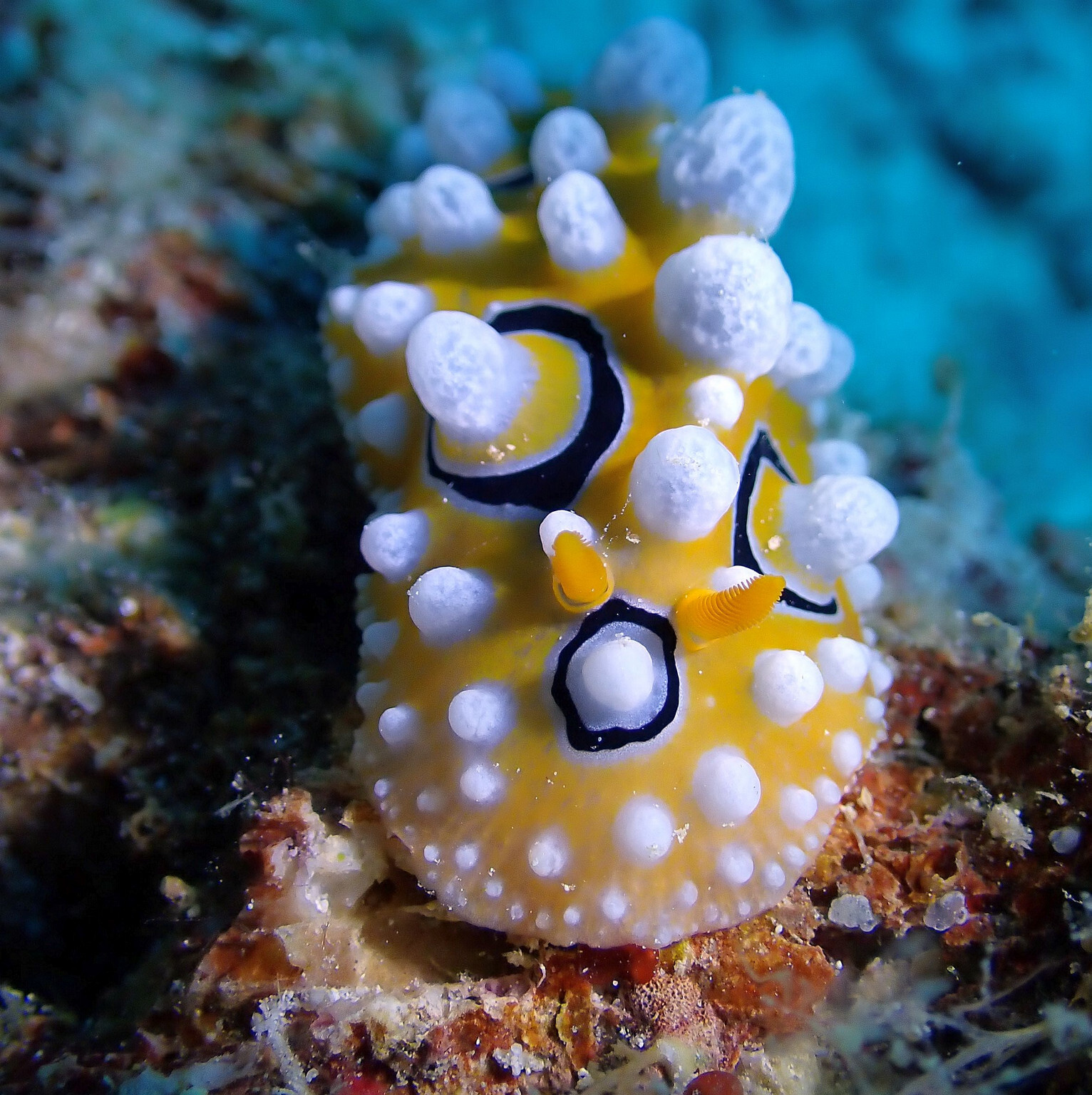
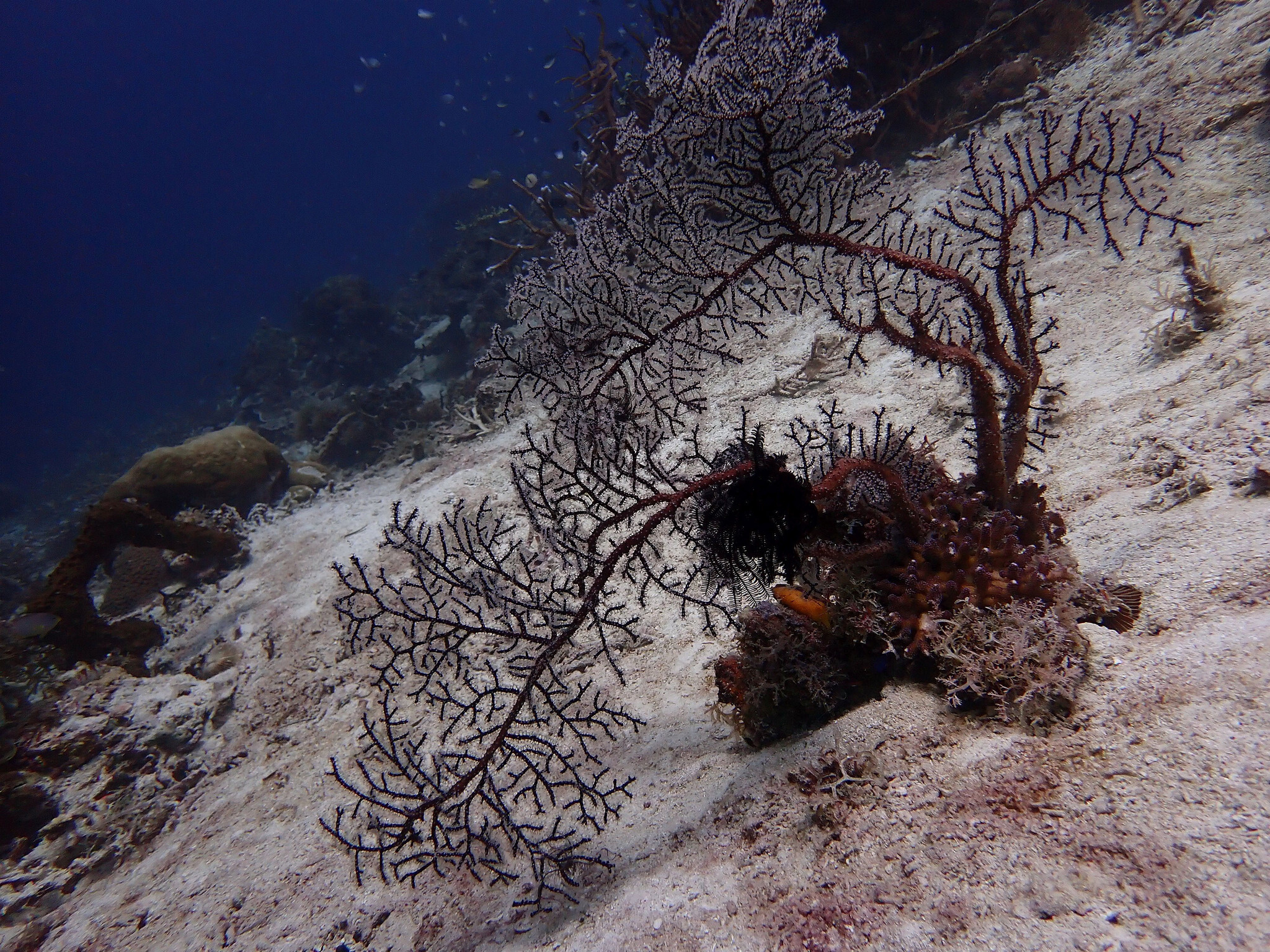
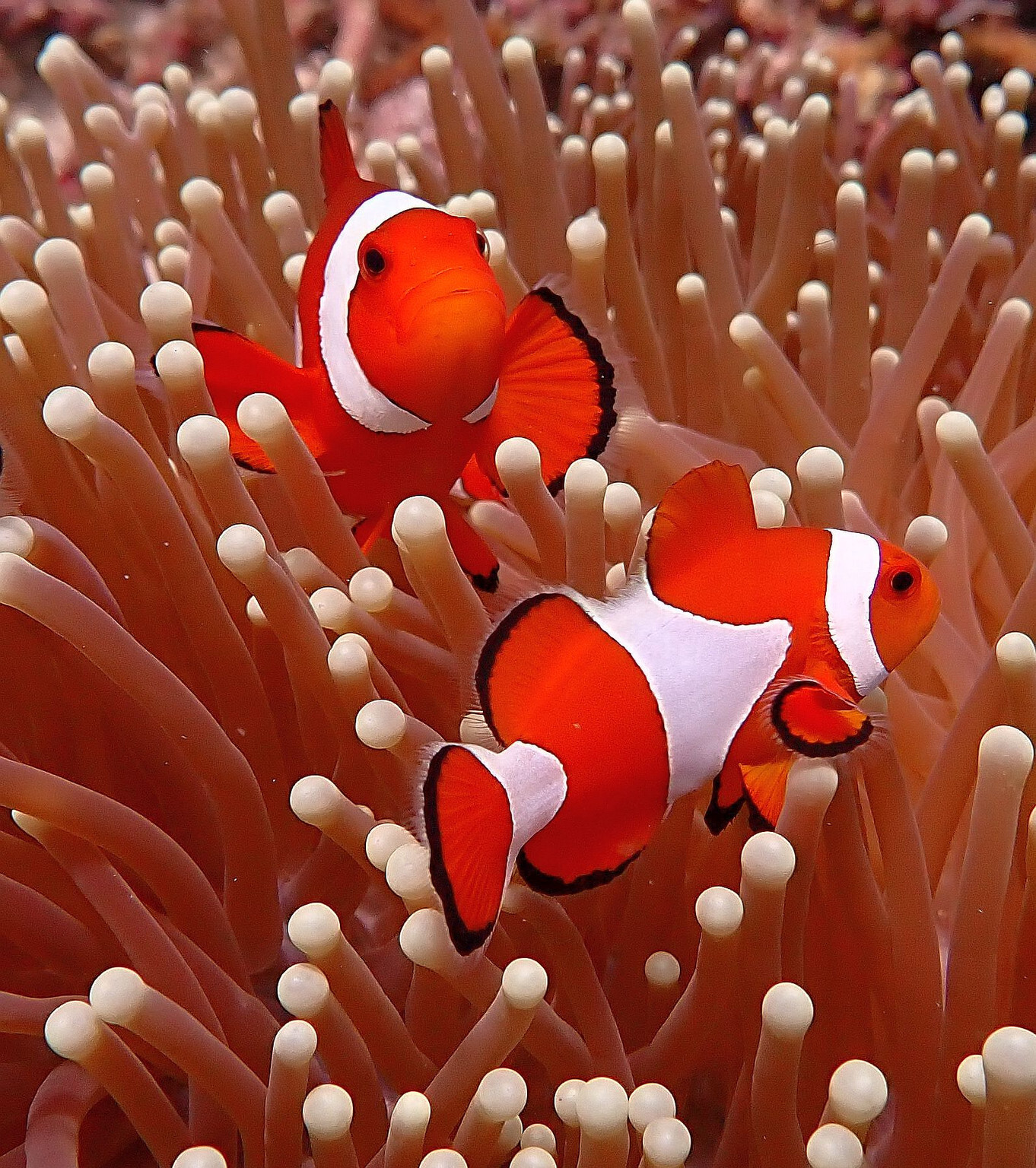
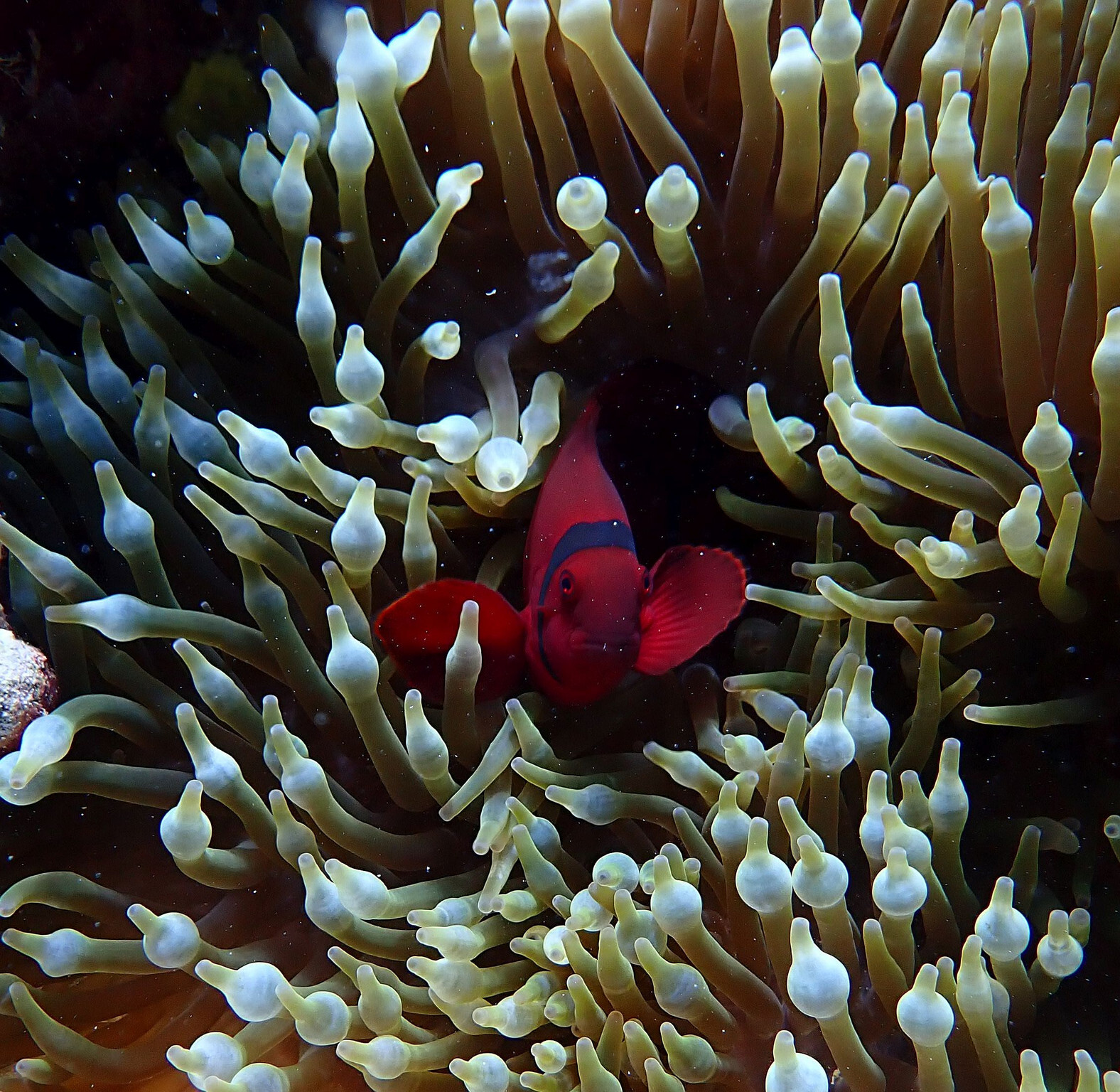


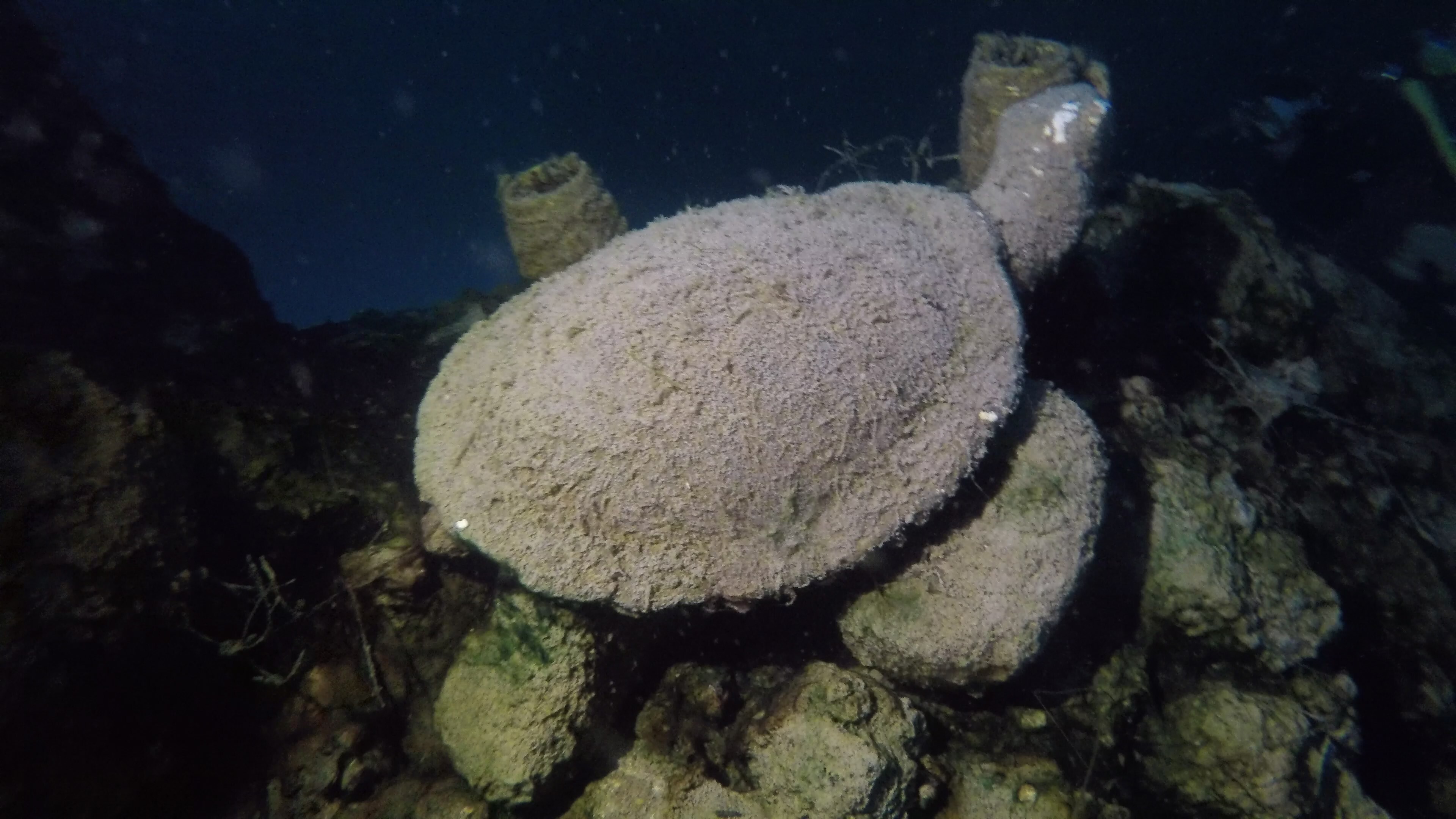
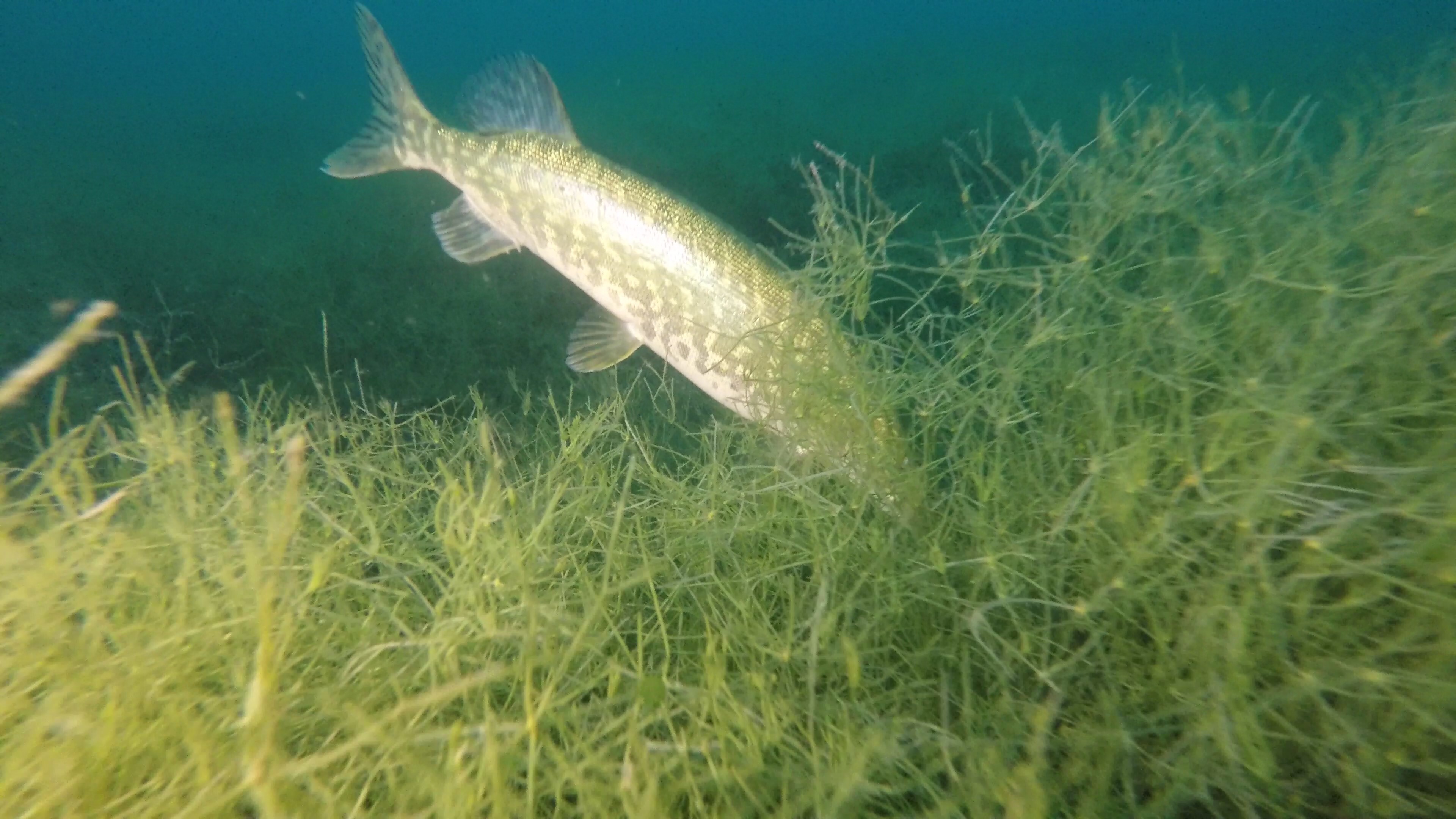
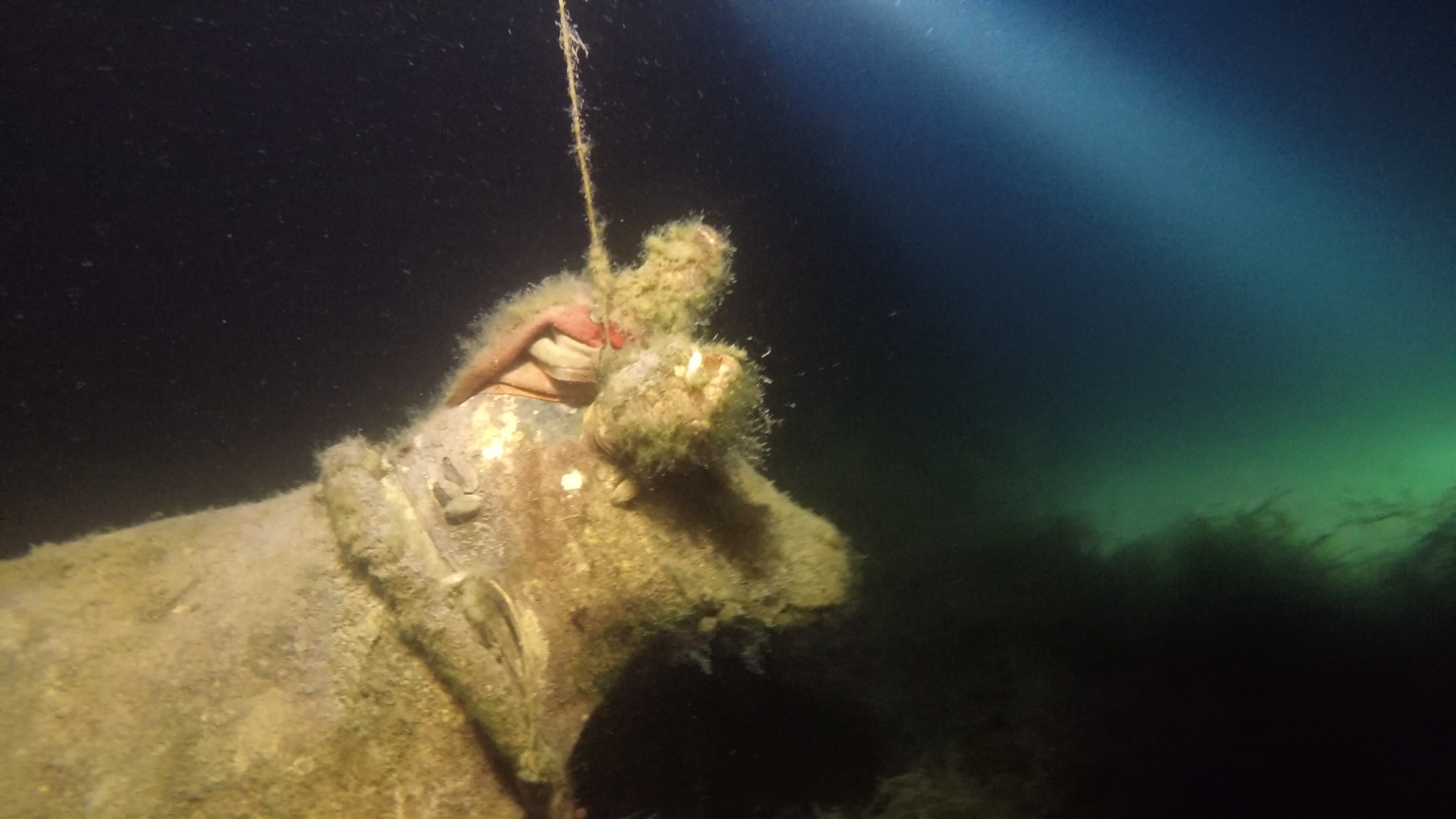
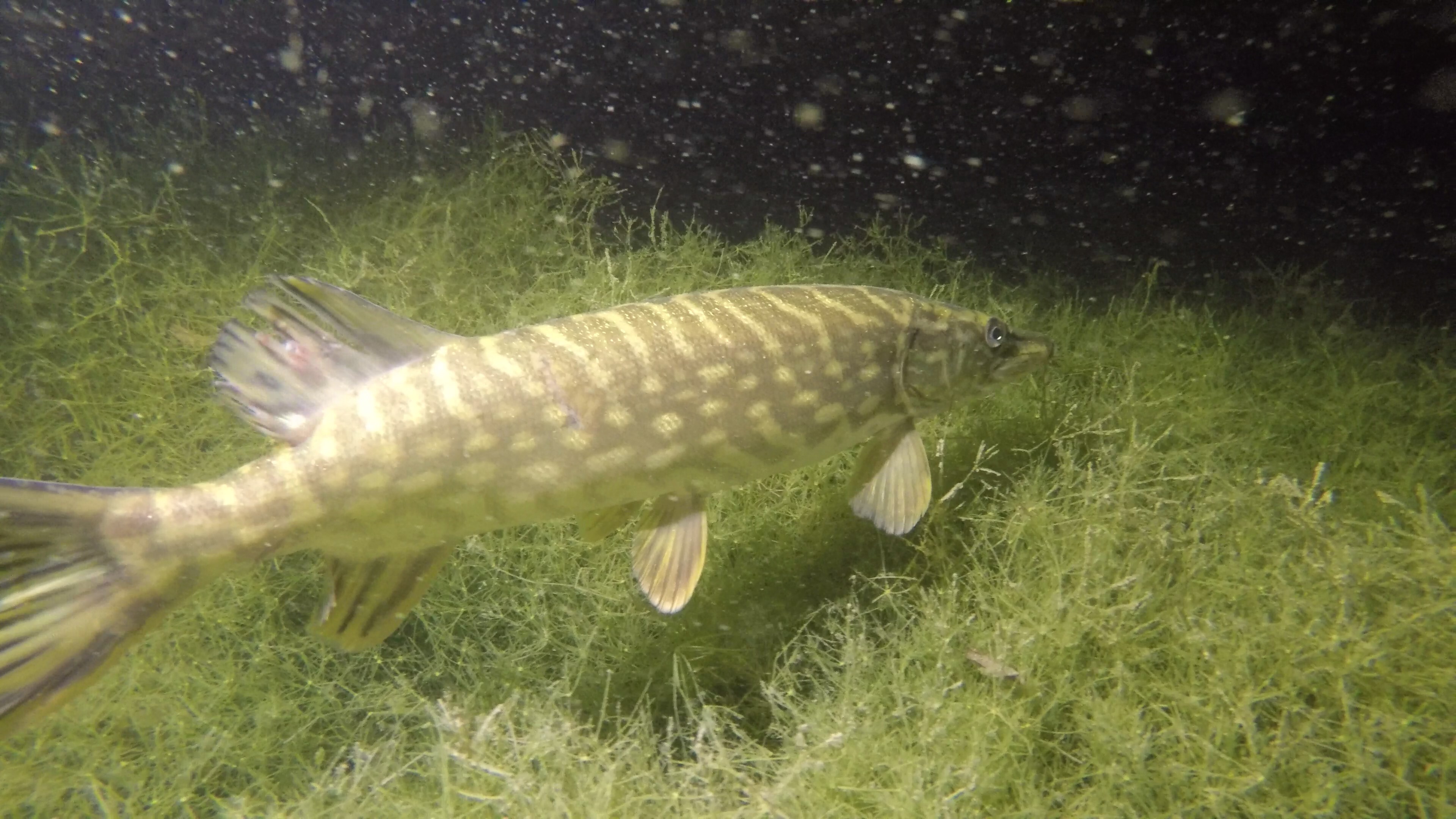
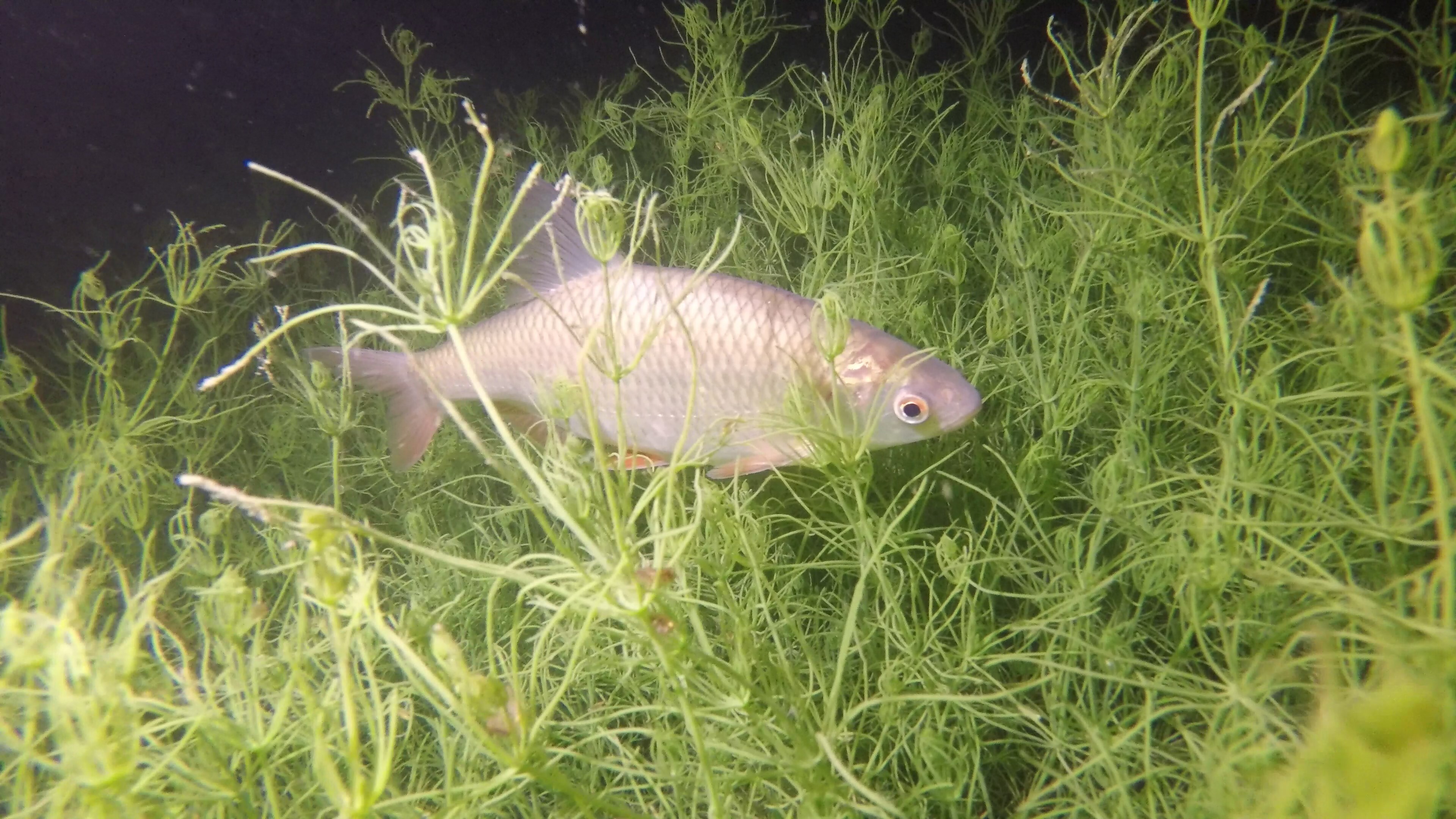
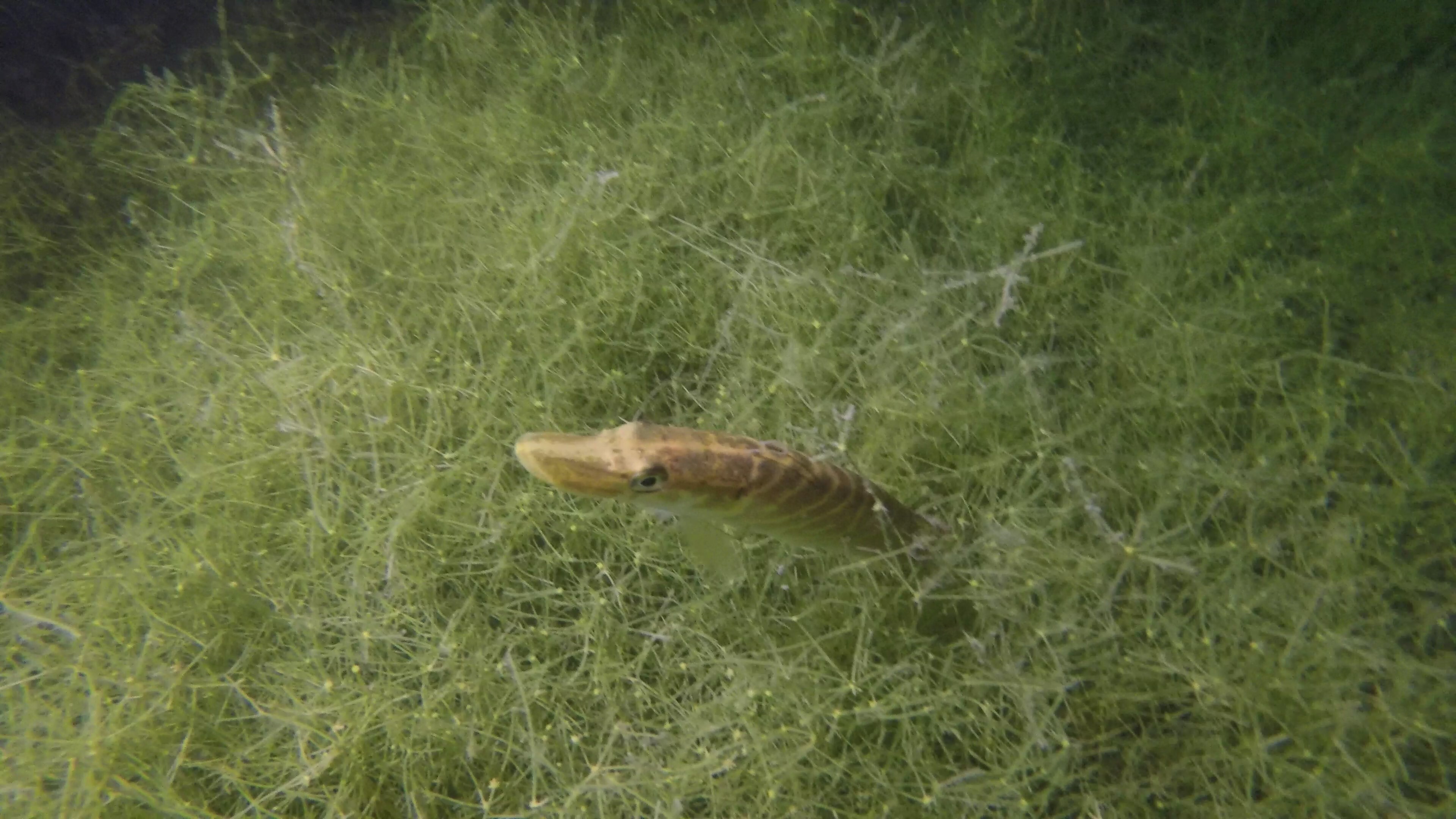





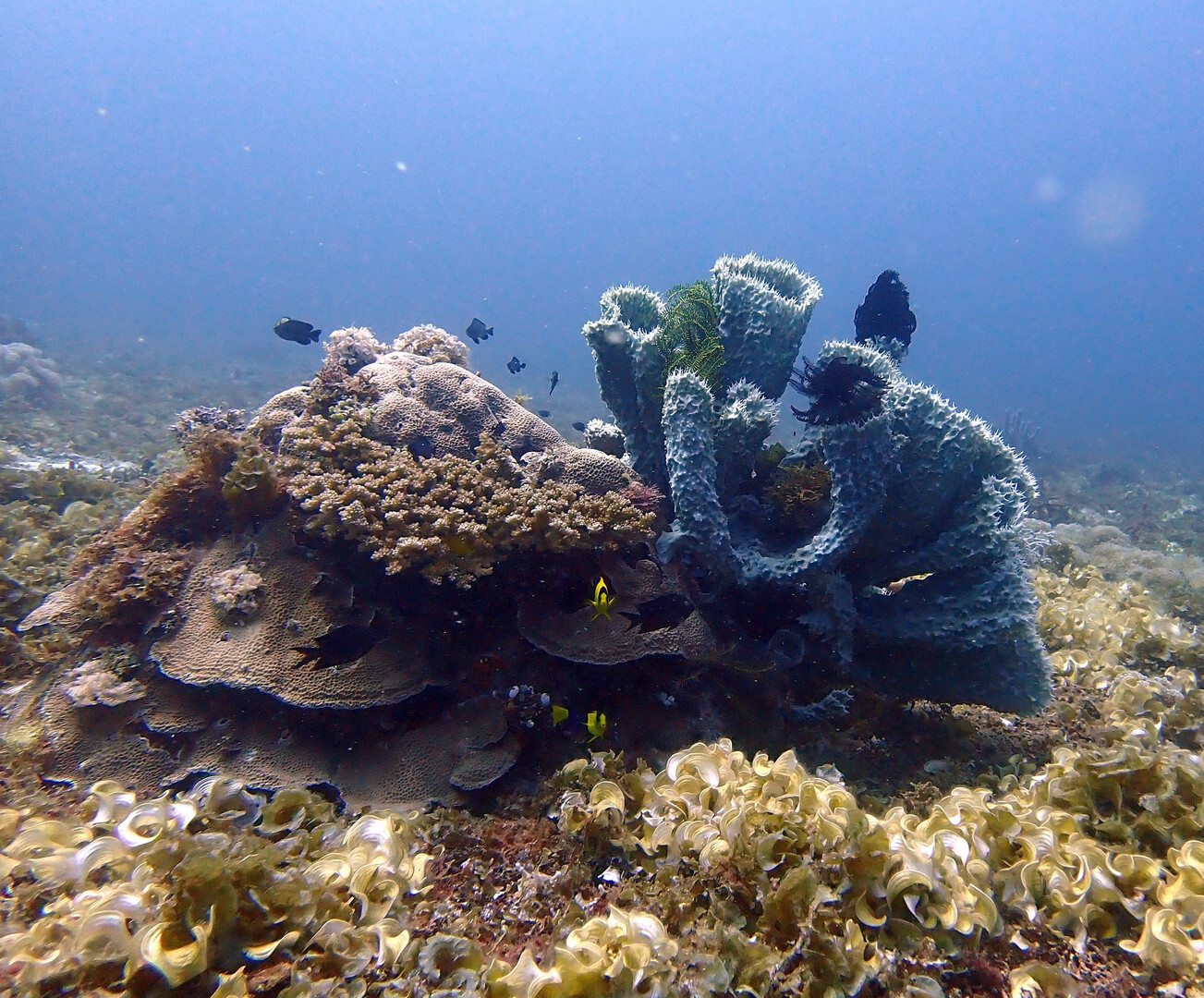
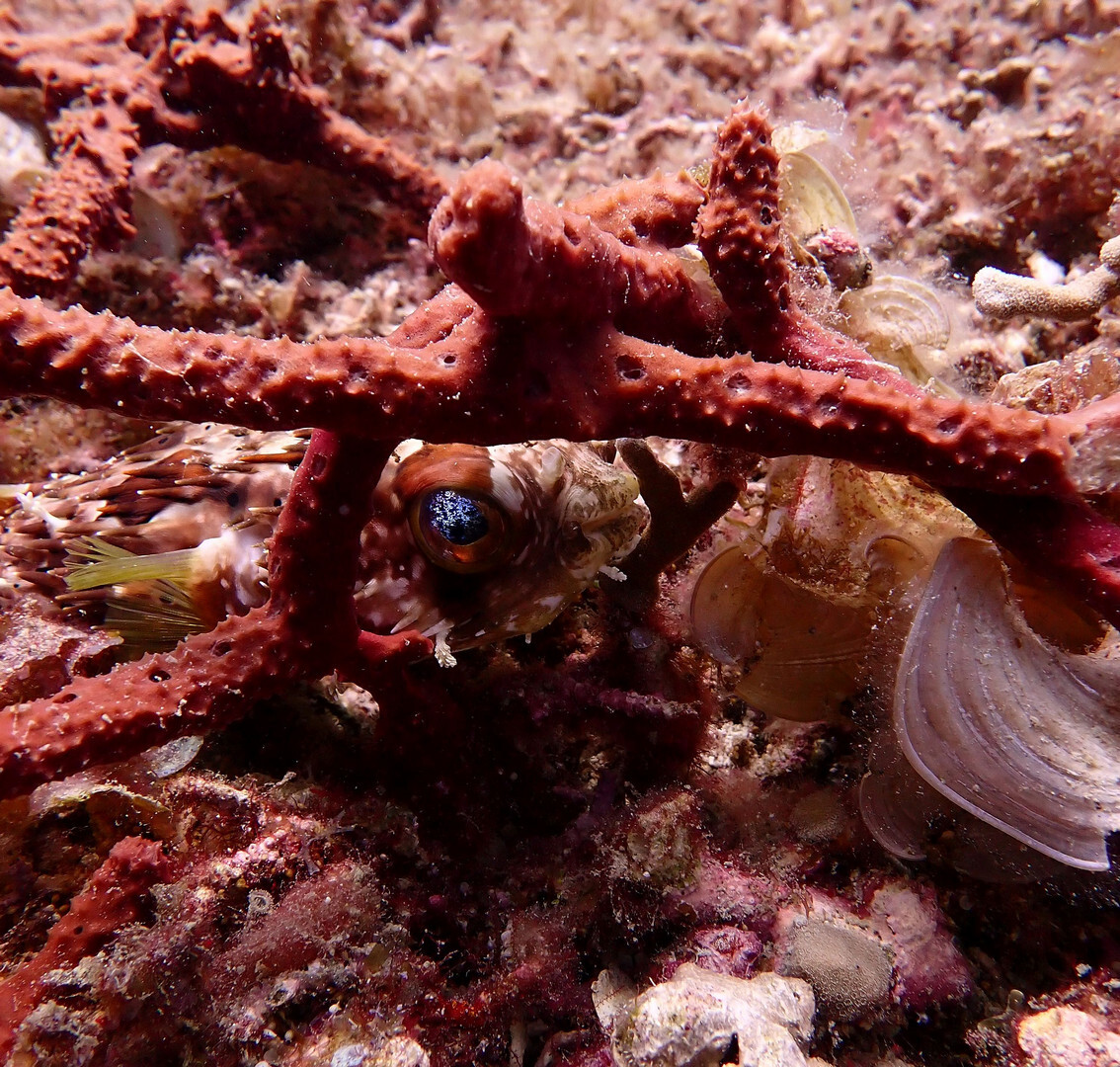
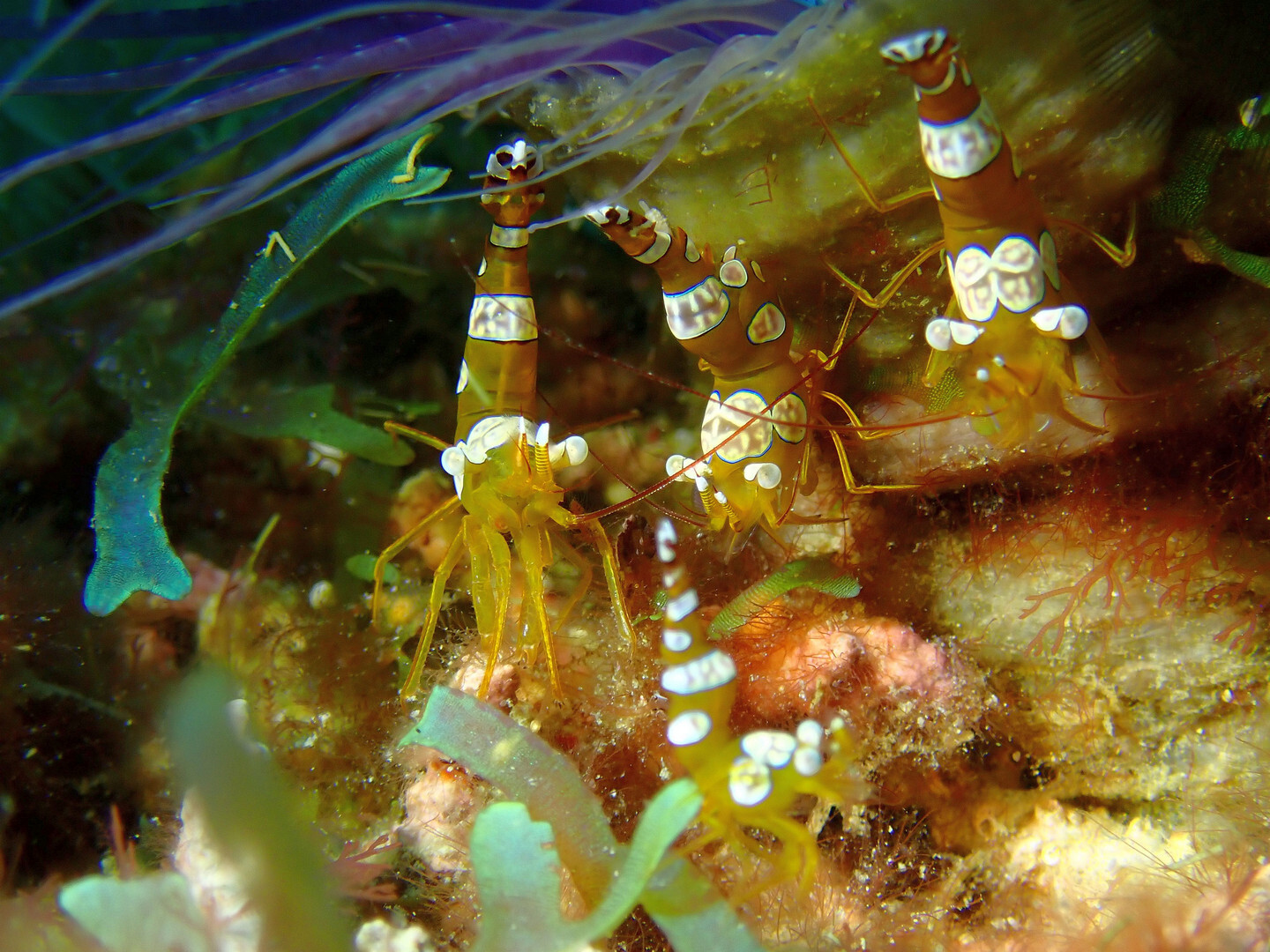

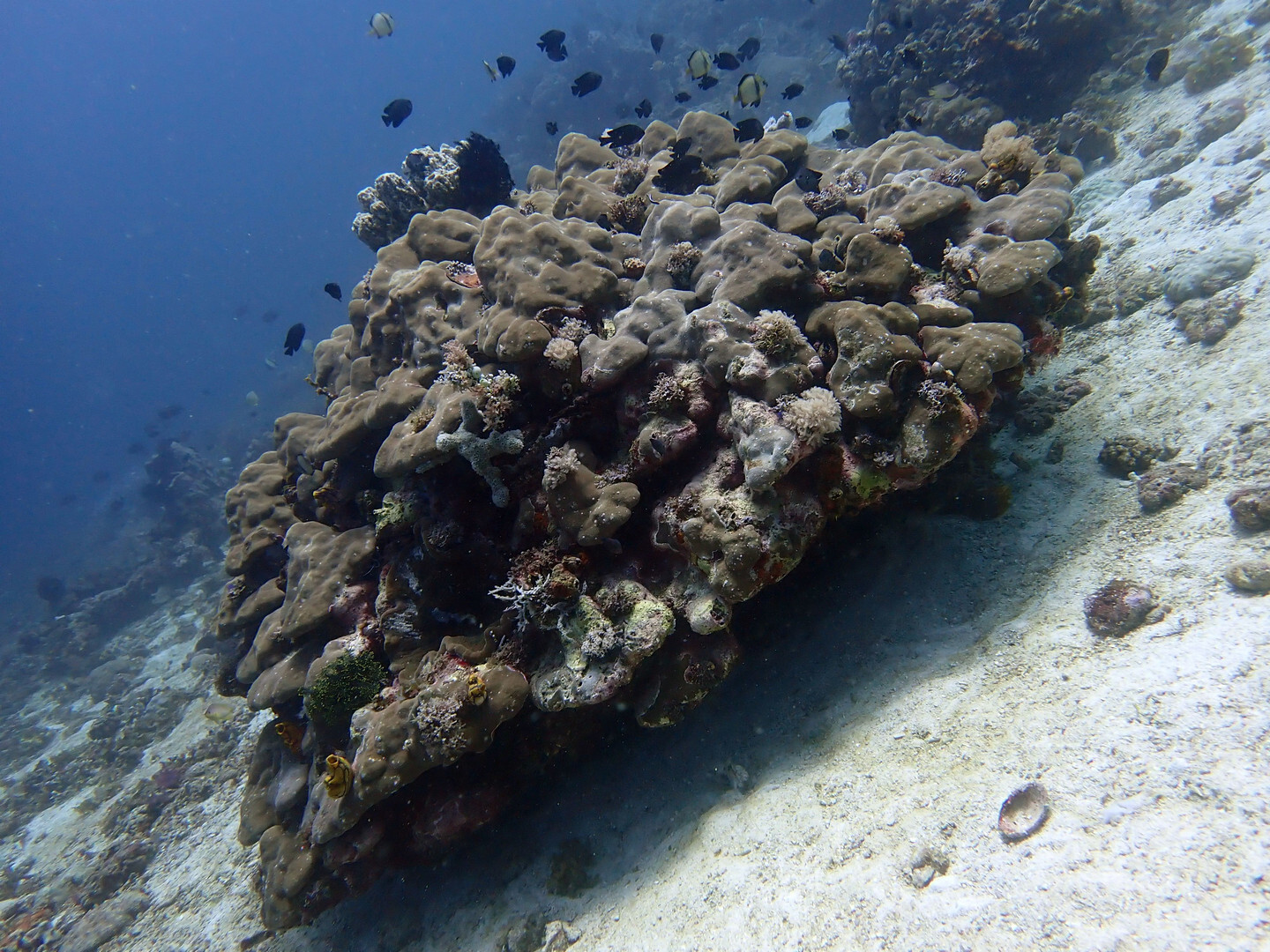
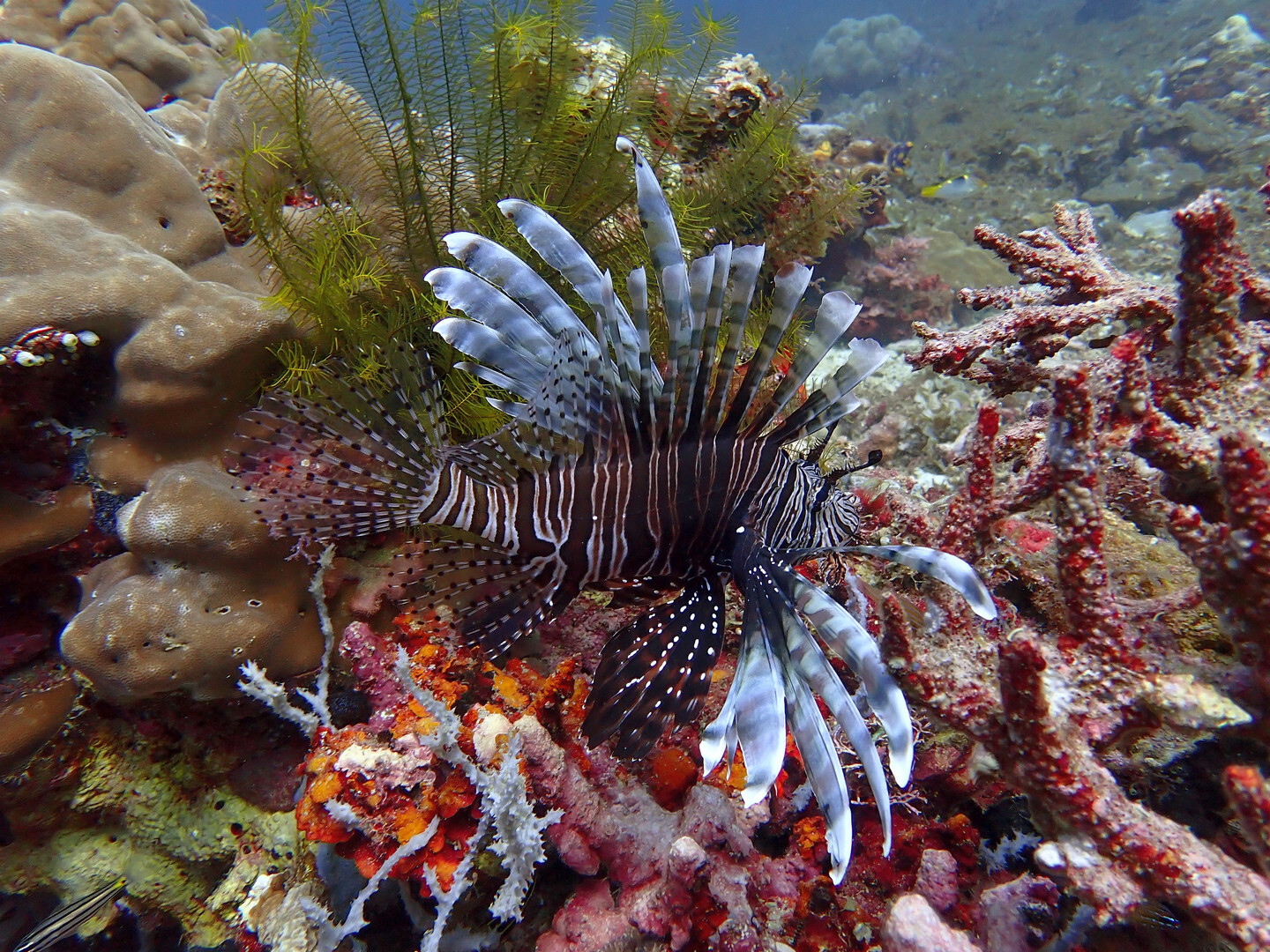
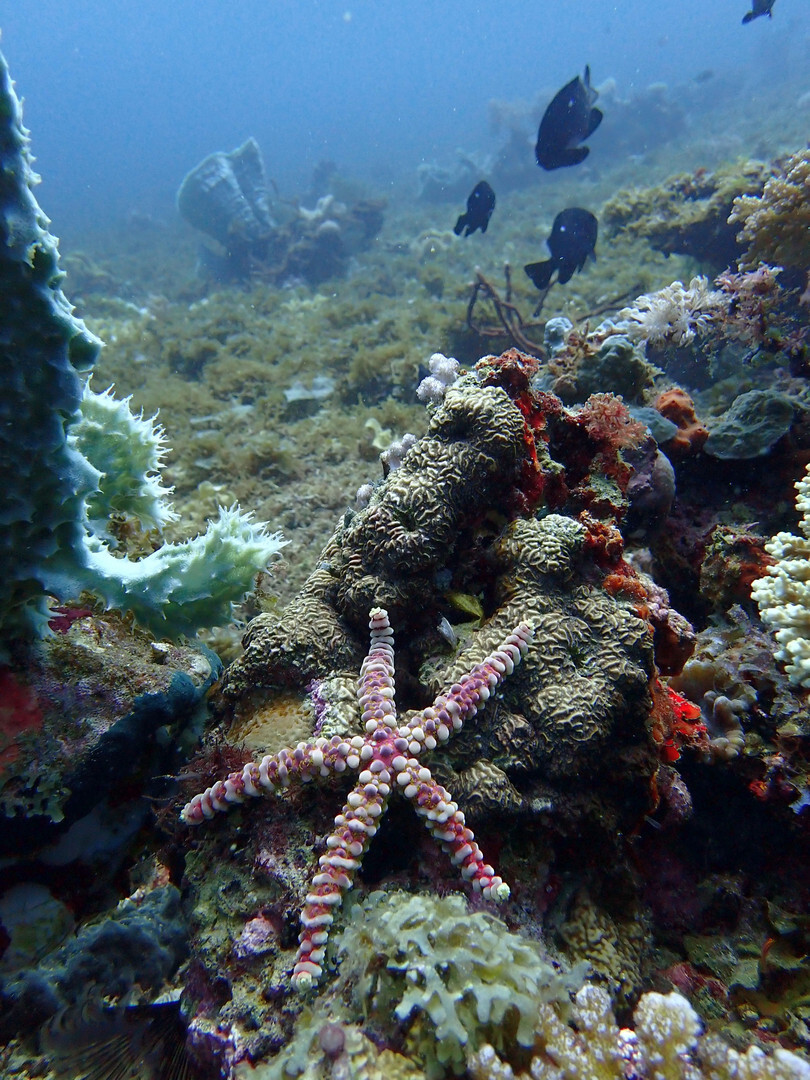
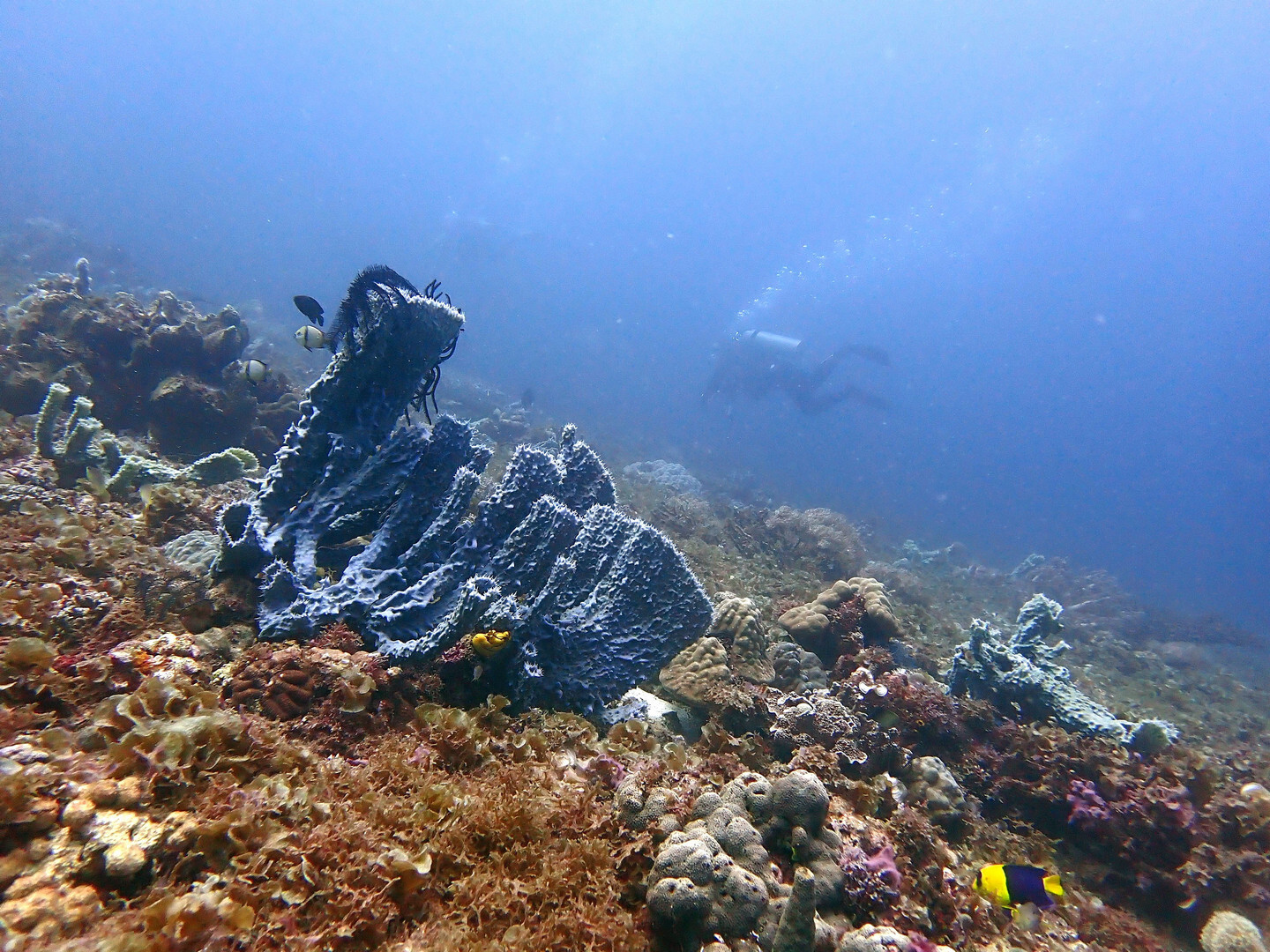
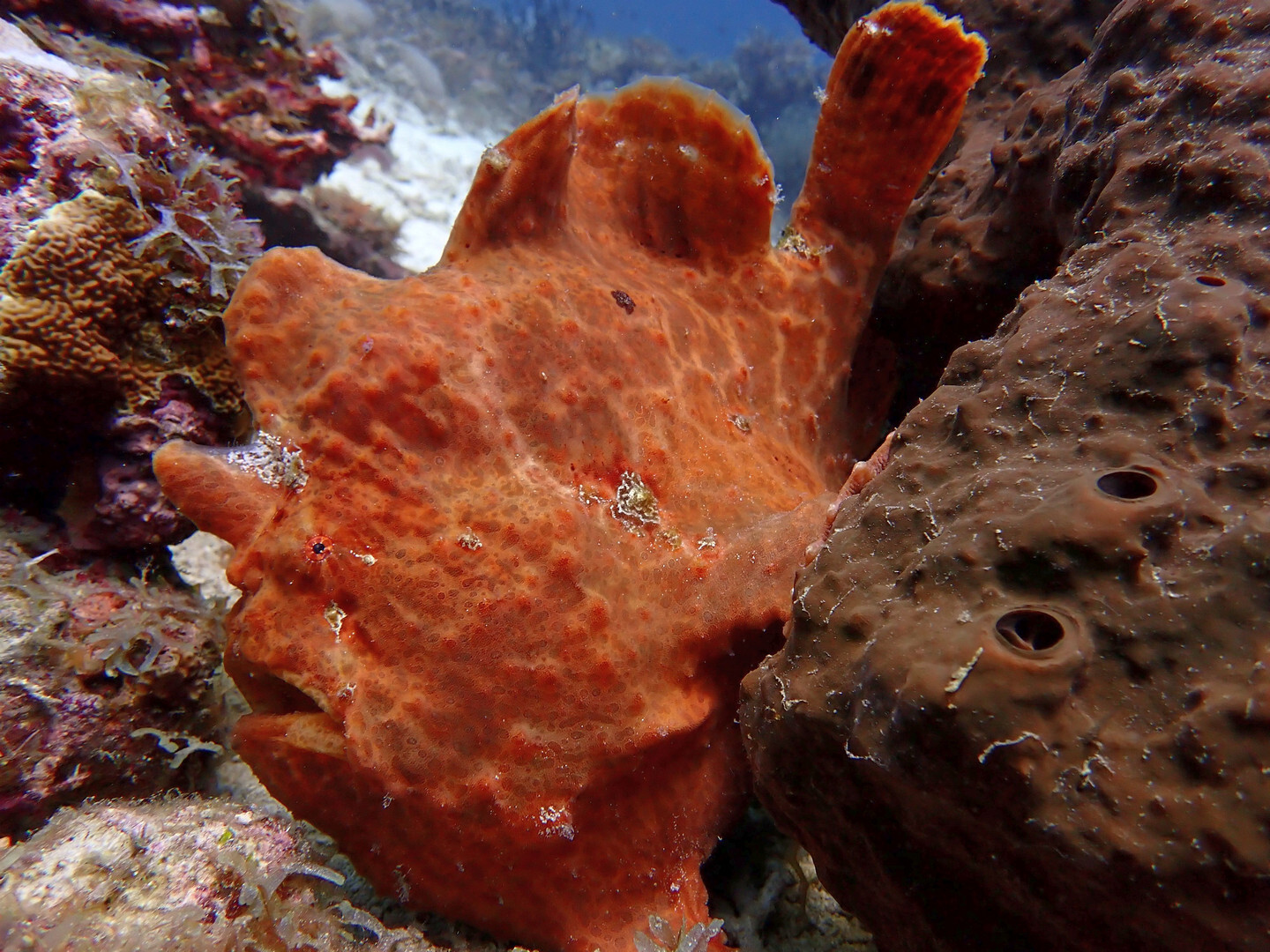
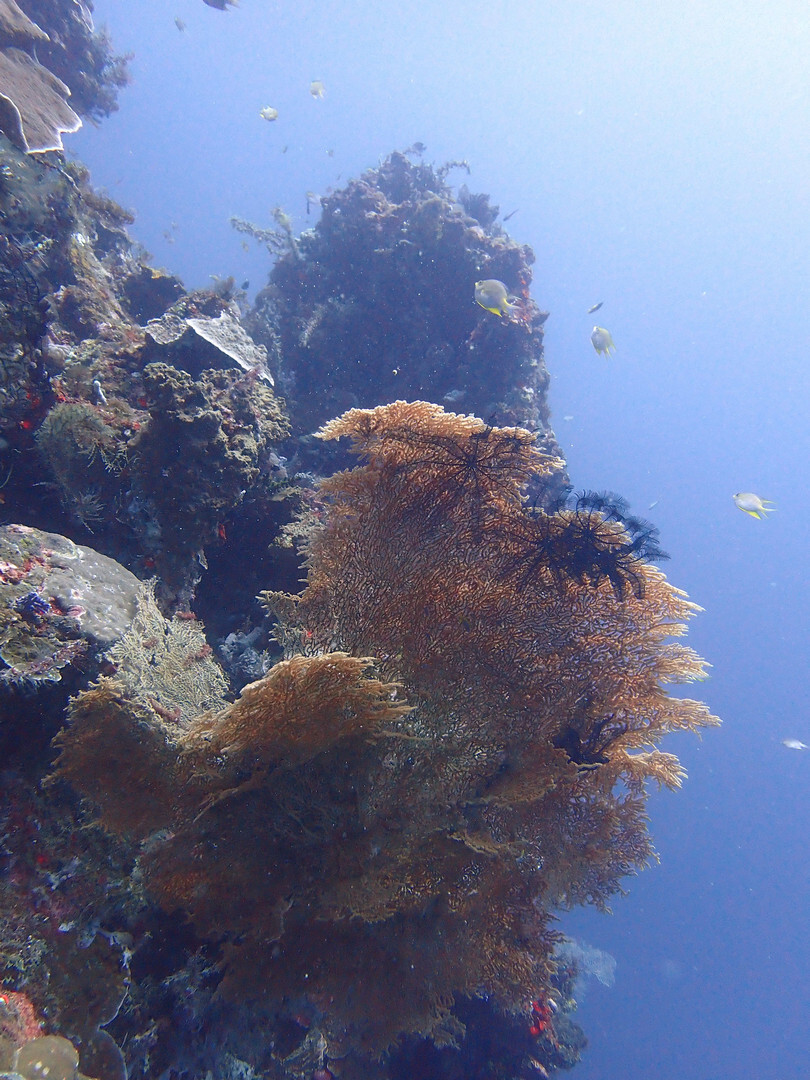
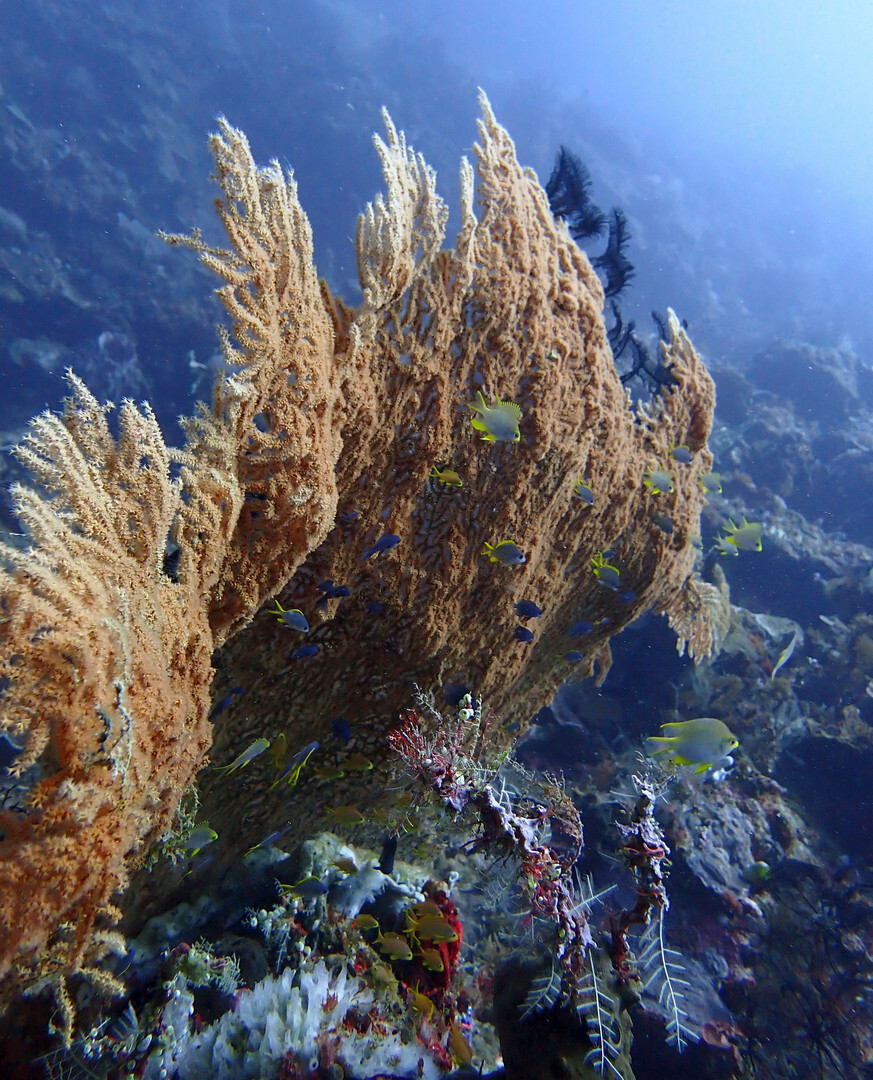
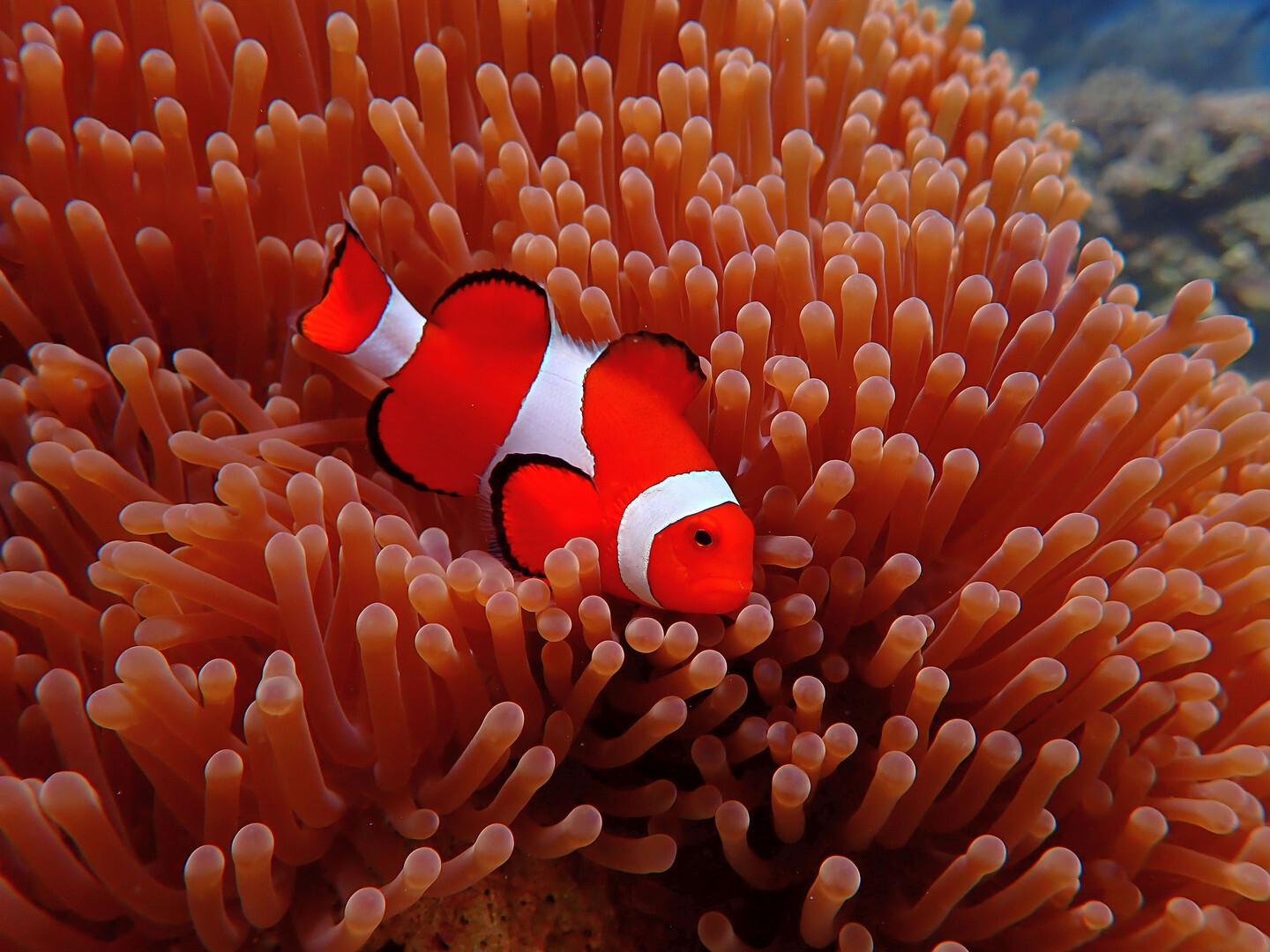
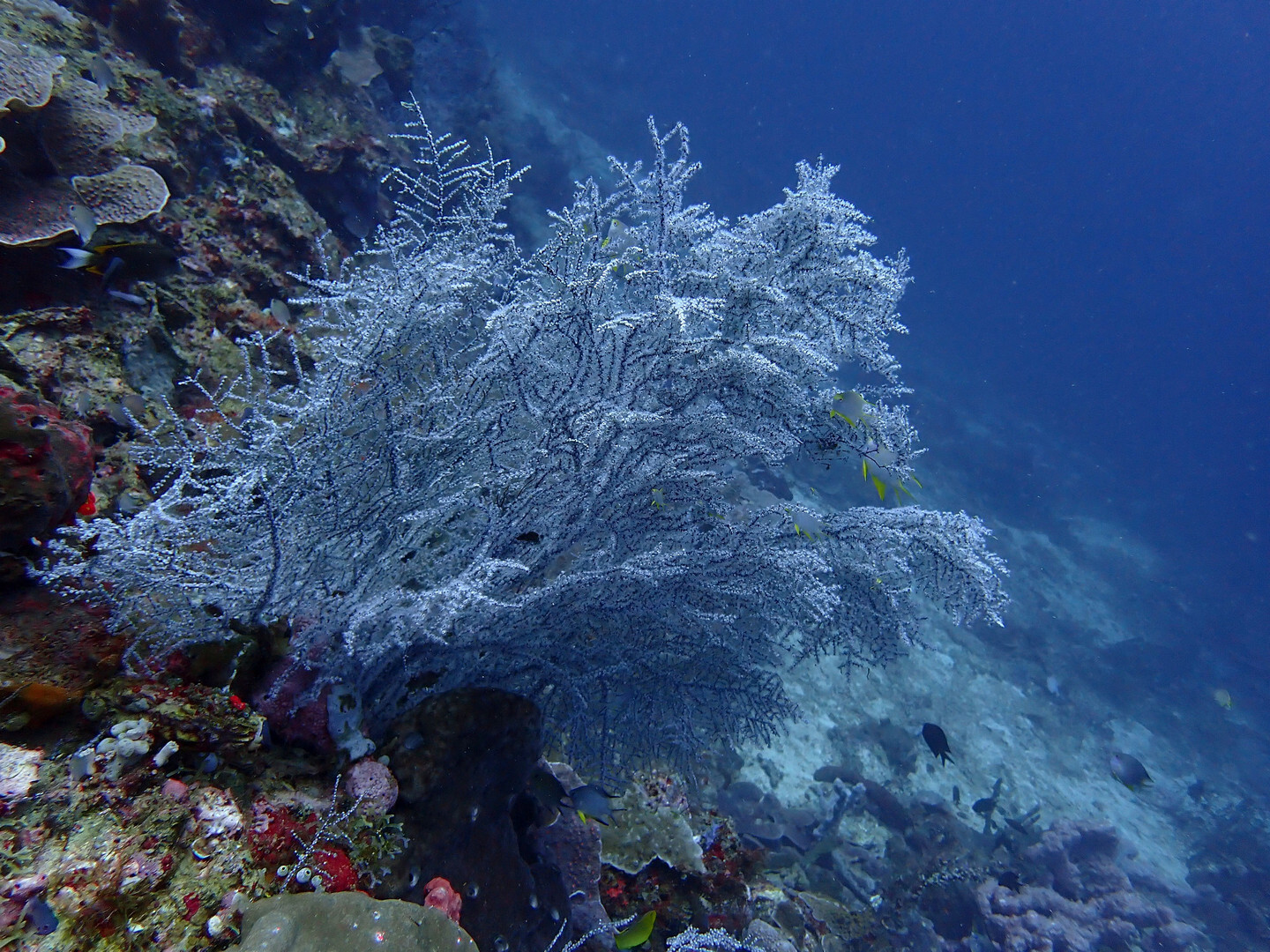
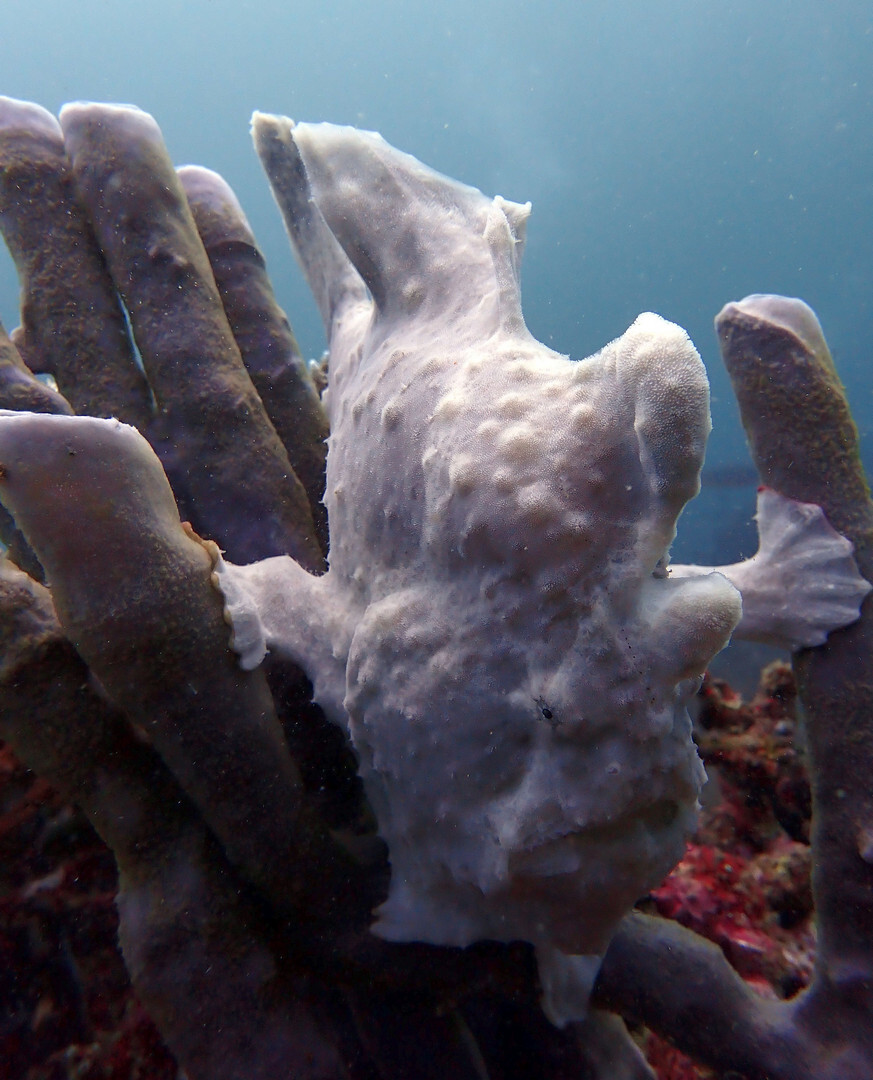
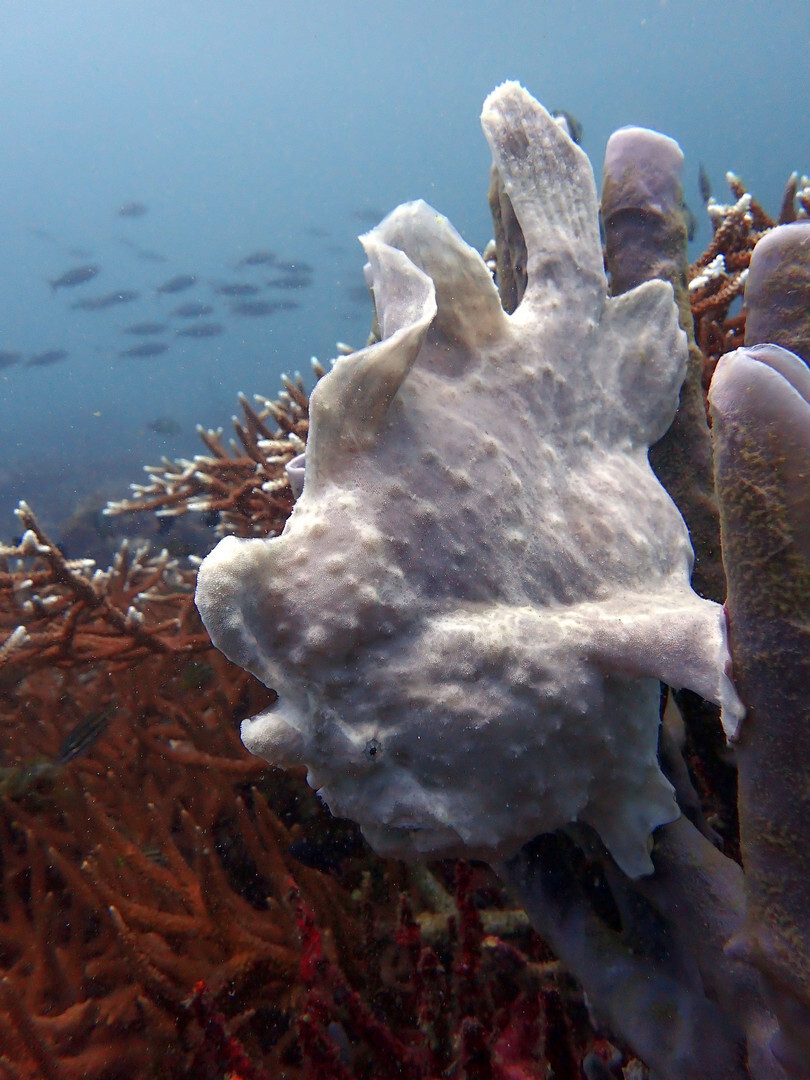
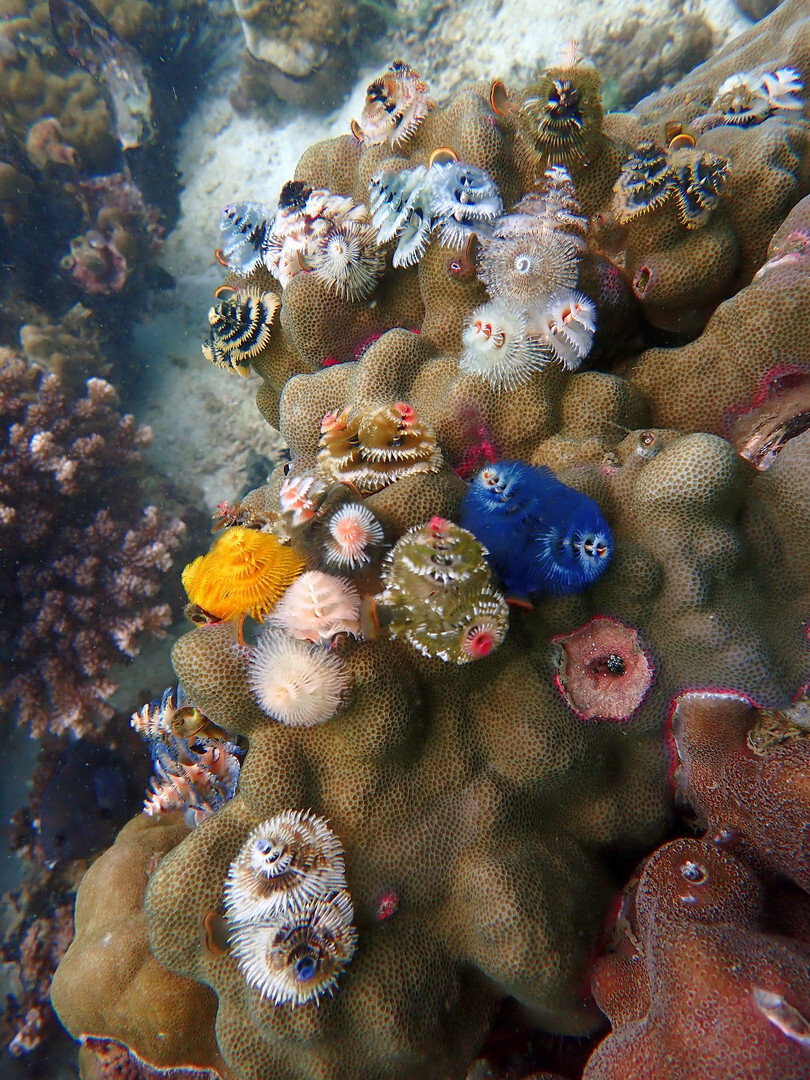
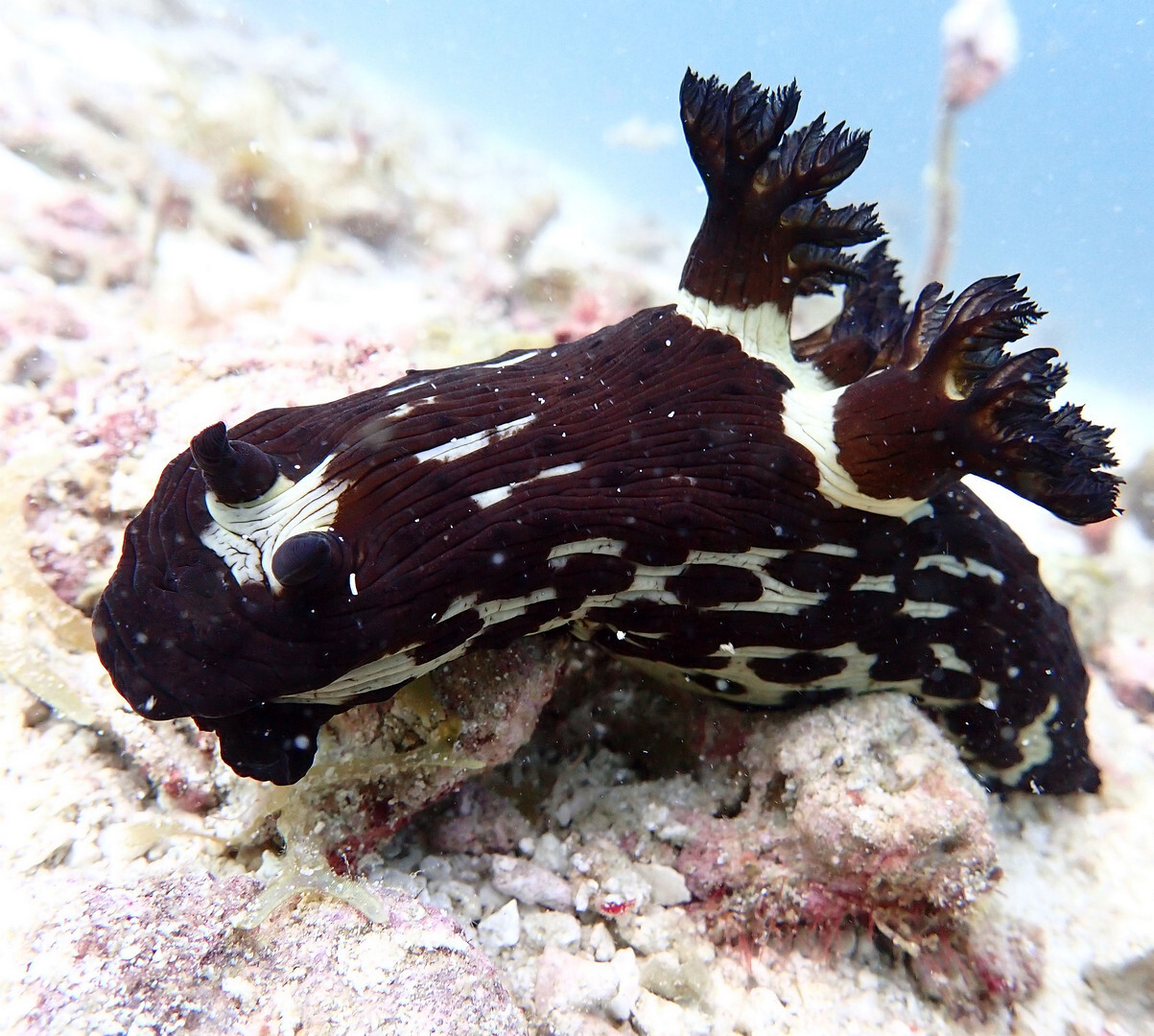
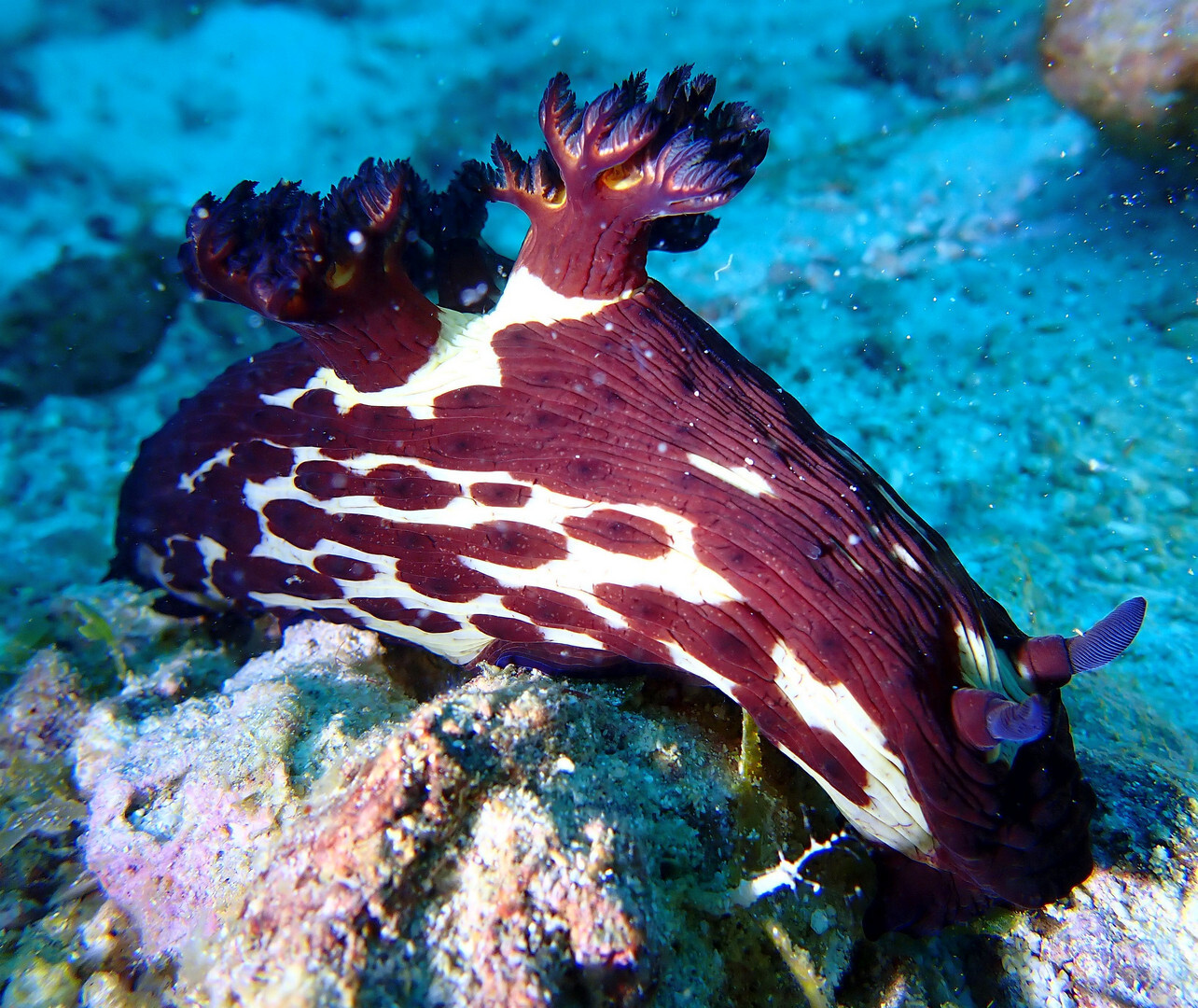
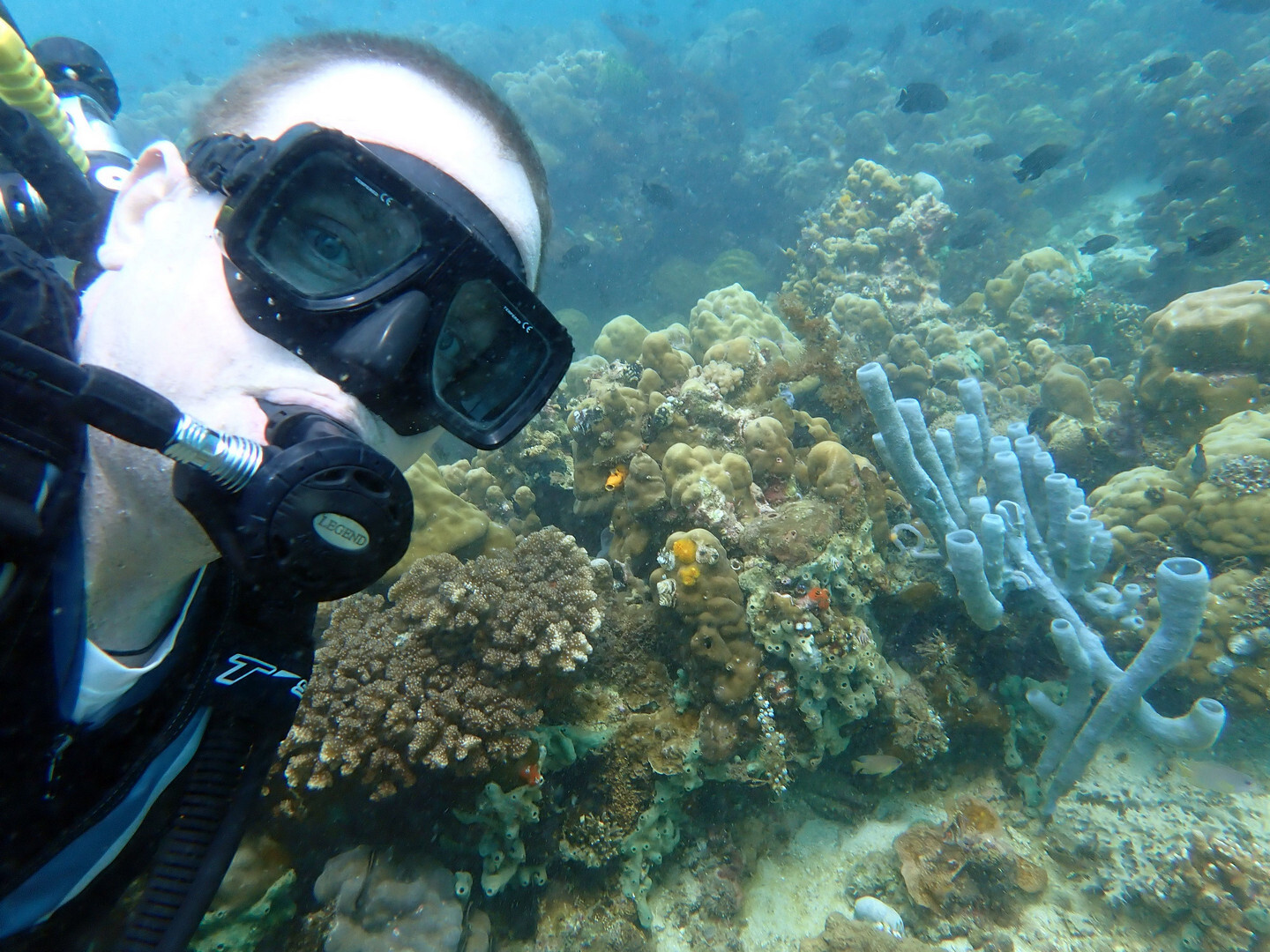
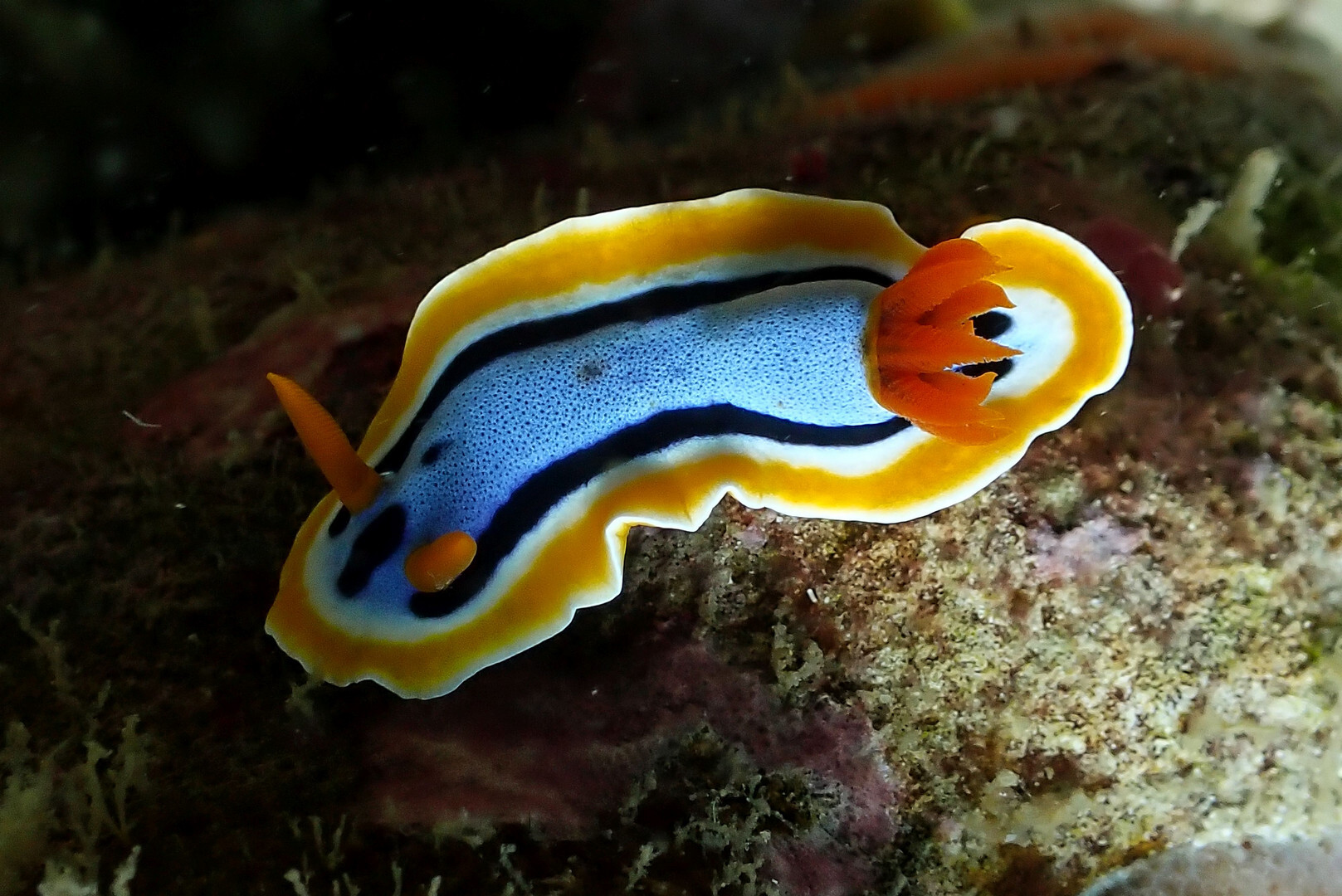
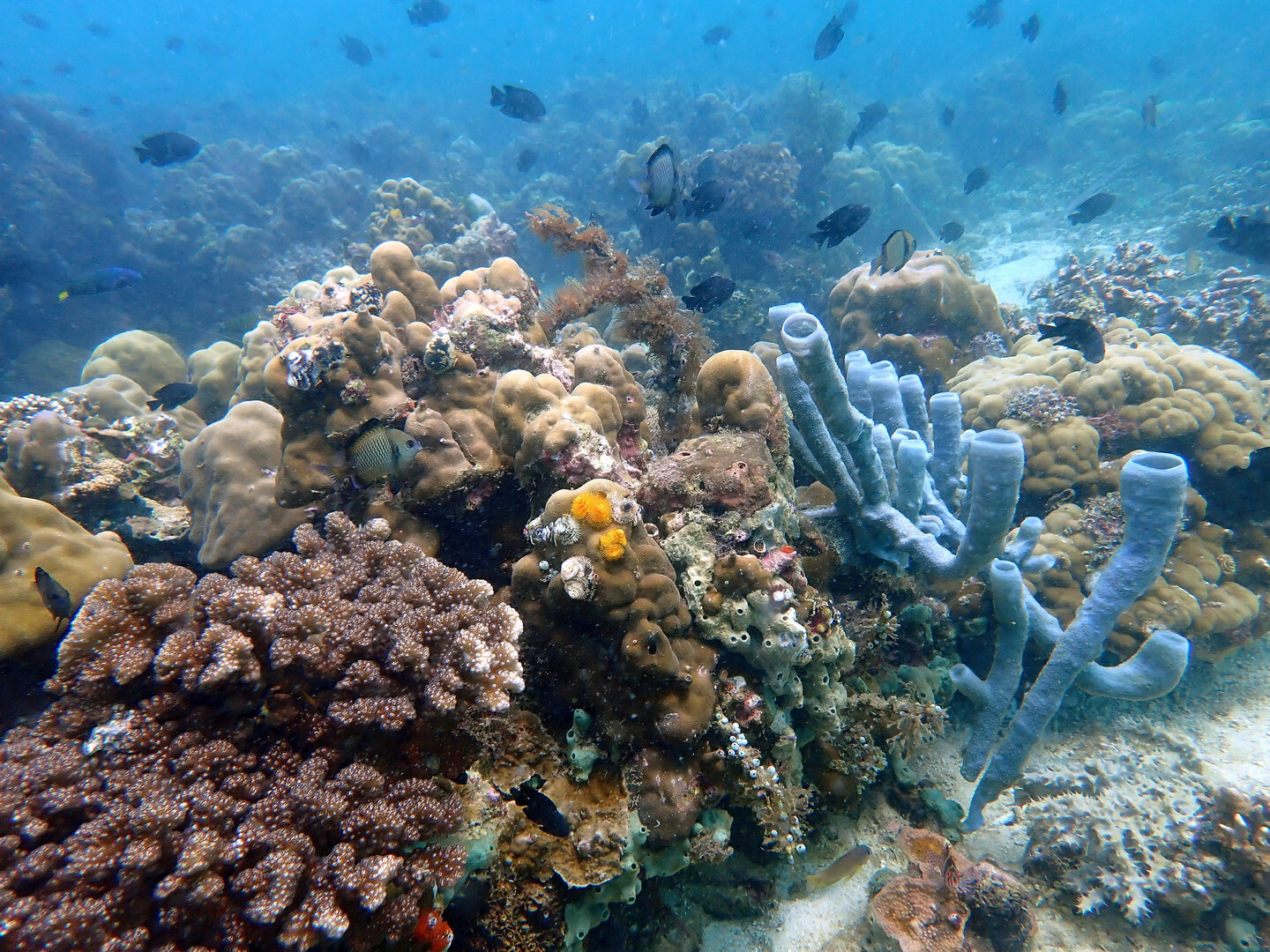


Poca visibilidad y el agua muy fria. Estrenaba mascara, foco, y carcasa Ikelite. Todo Bien. Hemos ido solos mi compañero y yo. Había mucho mero,y bastante vida, pulpos, aguilas de mar, rayas.. Lo más impresionante es la cantidad de gorgonia que había en la roca.