


 Buran



 Spain
-
Nº87
 Date: 2013-08-05 - 11:30
-
 Max Depth: 17.6m Duration: 57mins
Dive Location

- Temp: Surf 24°C Bottom 21°C
- Dive type : Recreational, Photo
- Visibility: Good Water: Salt
Specific gear used
- Boots: Subacqua -
- Computer: Mares - nemo instructor
- Fins: Cressi Sub -
- Dive skin: Seac Sub - nature fit
- Lift bag: Cressi Sub - aqua ride
- Regulator: mares - abyss
- Light: archon - D10XL
- Camera: canon - s110+ikelite
- Mask: Cressi Sub - big eyes evo
- Weights: 6 kg
Recent Divers in Estartit & Medes Islands
Recent Pictures in Estartit & Medes Islands
Dive Shop & Buddies
 Dive with Mika from Unisub Estartit Sl

Link to this spot:
- Spot:
- Country:
- Area:
- Body of water:
Dive Profile
- 1. Air
- 12L Steel 200 → 70 bar
- Average depth: 11.7m
Data provided by EOL.org

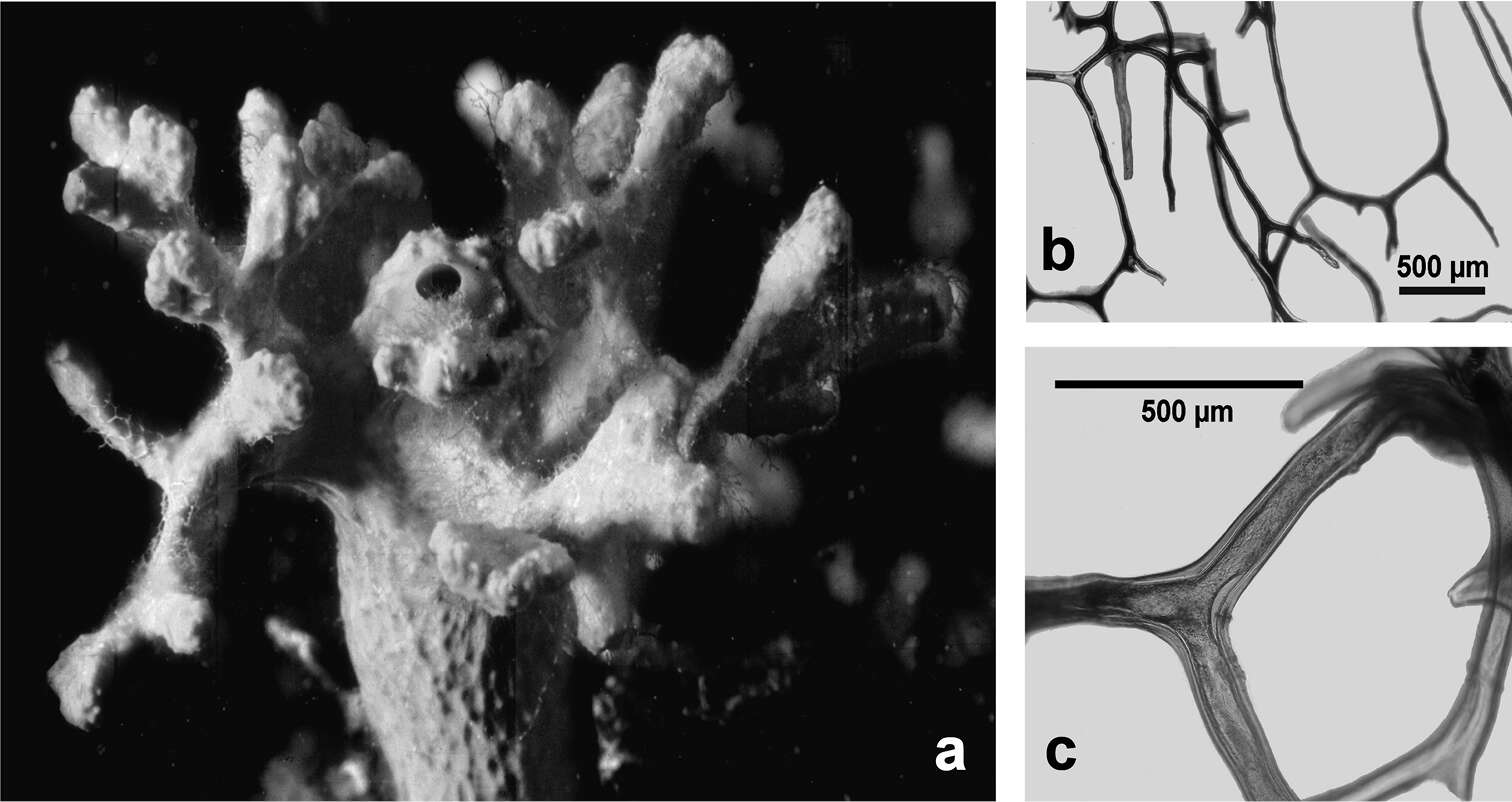
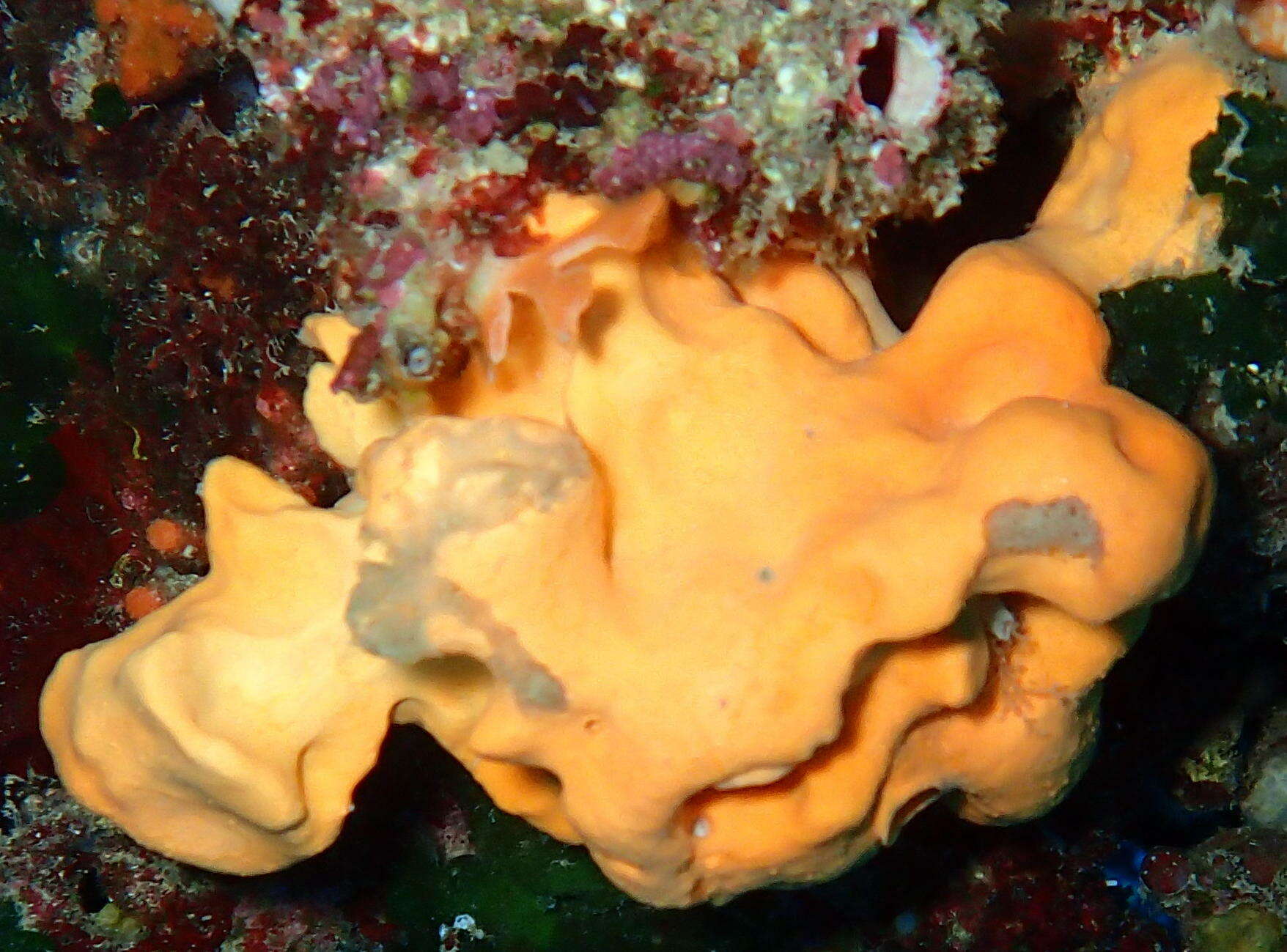







Species Identified
Crambe crambe (Schmidt, 1862)
Aplysina aerophoba Nardo, 1843 (Gold-sponge)
Agelas oroides (Schmidt, 1864)
Clathrina clathrus (Schmidt, 1864) (gele traliekalkspons)
Suberites carnosus (Johnston, 1842)
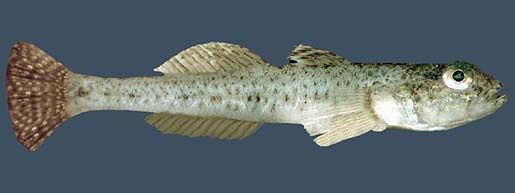
Gobius niger Linnaeus, 1758 (Black goby)
Gobius bucchichi Steindachner, 1870 (Bucchich's goby)
Occur inshore over sand and mud with seagrass, taking refuge among tentacles of snakelocks sea anemone Anemonia sulcata . Also found in inshore pools . Feed on polychaetes, crustaceans mollusks and algae. Sexually mature at one year, 3.4-3.8 cm .
Pomatoschistus microps (Krøyer, 1838) (Common goby)
Pomatoschistus pictus (Malm, 1865) (painted goby)
Tripterygion tripteronotus (Risso, 1810) (blackfaced blenny)
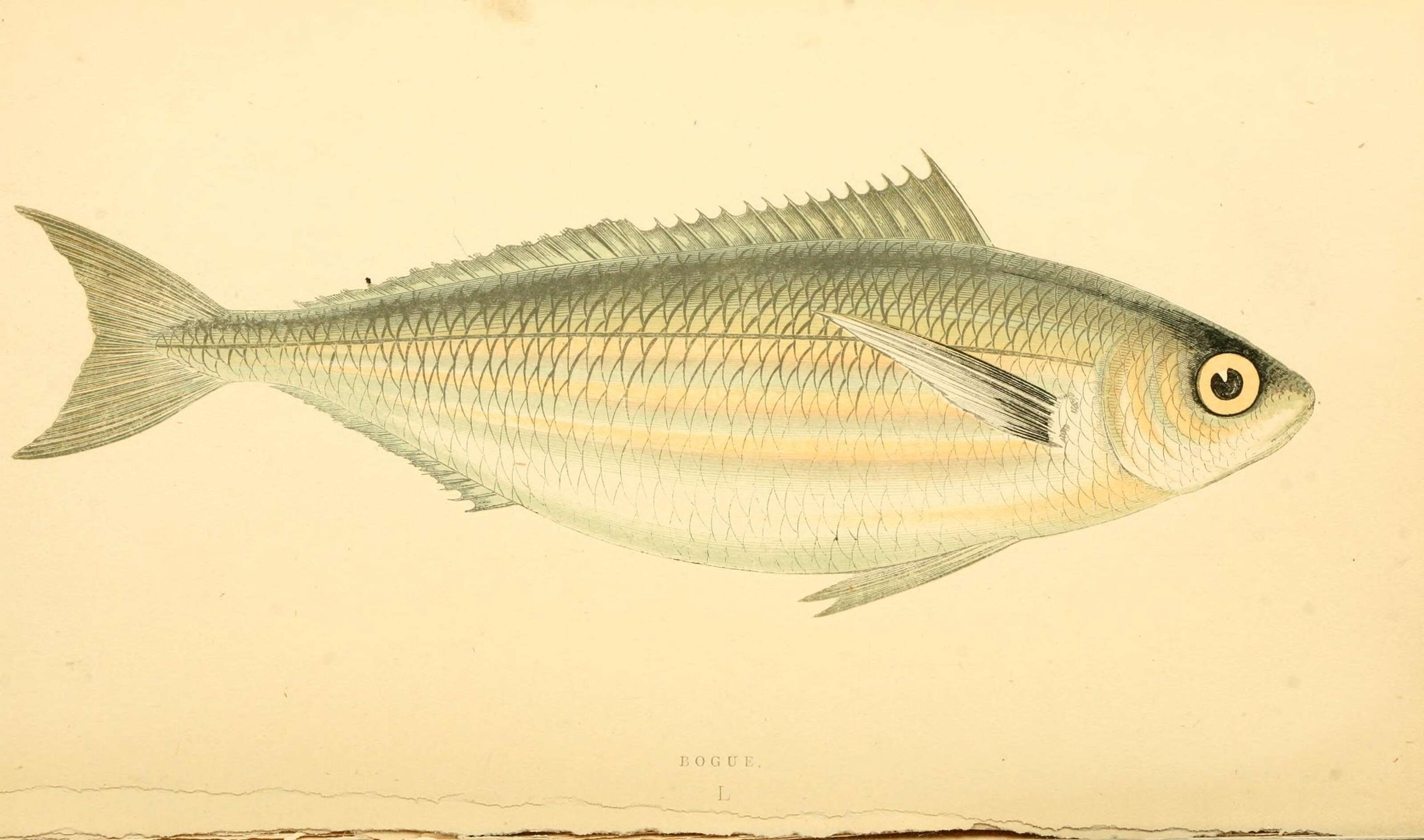
Boops boops (Linnaeus, 1758) (Bogue)
Found on the shelf or coastal pelagic on various bottoms . Gregarious, ascending to the surface mainly at night. Omnivorous, feeding mainly on crustaceans, also planktophagous. Hermaphroditic, generally protogynous. Al...
Read More
Read More
Diplodus vulgaris (Geoffroy Saint-Hilaire, 1817) (Common two-banded seabream)
A euryhaline species inhabiting rocky and sometimes sandy bottoms to depths of 160 m, but more commonly in less than 50 m. The young are sometimes found in seagrass beds. Adults feed on crustaceans, worms and mollusks . Important food fish.
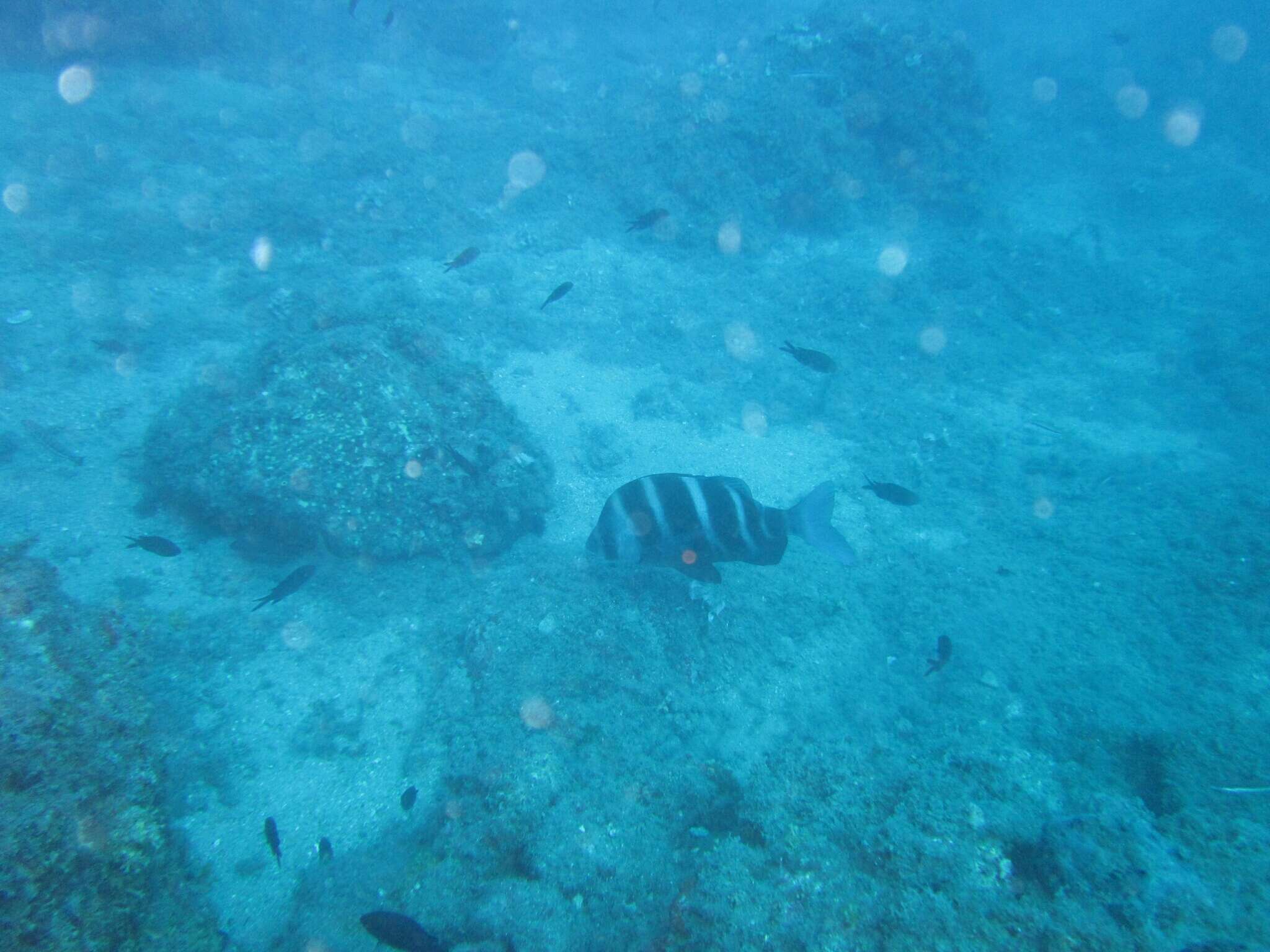
Diplodus cervinus (Lowe, 1838) (Zebra seabream)
Coris julis (Linnaeus, 1758) (Mediterranean rainbow wrasse)
Occurs in the littoral zone, near rocks and eelgrass beds. Usually found between 1-60 m, but old males stay in deeper water. Found in deeper waters during winter. Sometimes solitary, among rocks, often with numerous spe...
Read More
Read More
Symphodus tinca (Linnaeus, 1758) (painted wrasse)
Littoral, found near rocks mainly in eel-grass beds, sometimes in salty lagoons. Often gregarious. Nest of seaweed built and kept by male with one or more females spawning. Feed on sea urchins, ophiuroids, bivalves, shrimps and crabs . Rate of growth is slow . Undergoes sex reversal .
Muraena helena Linnaeus, 1758 (Mediterranean moray)
A nocturnal and territorial species , commonly lurking in holes, and writhing snakelike through crevices, under rocks or corals. Feeds on fish, crabs and squid . It seldom attacks unless provoked . A gonochoristic speci...
Read More
Read More
Echinaster sepositus (common starfish)
Alcyonium palmatum Pallas, 1766
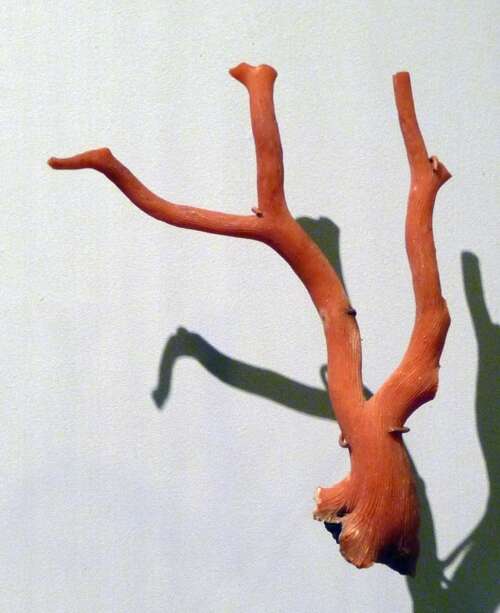
Corallium rubrum (Linnaeus, 1758) (red coral)
Dicentrarchus labrax (Linnaeus, 1758) (European seabass)
Epinephelus marginatus (Lowe, 1834) (Duskey grouper)
The dusky grouper is a protogynous hermaphrodite, meaning that it matures as a female but later develops into a male as it grows larger and older . Sexual maturity is attained fairly late, when females are around five year...
Read More
Read More
Mycteroperca rubra (Bloch, 1793) (Grouper)
Occurs over rocky and sandy bottoms; young individuals very common in mangrove-lined lagoons. Feeds on mollusks and small fishes. Marketed fresh.
Sciaena umbra Linnaeus, 1758 (Brown meagre)
Occurs in shallow coastal waters mainly on rocky and sandy bottoms, often entering estuaries and more active at night. Also inhabits caves and reefs . Feeds on small fishes and crustaceans . SCUBA diving observations su...
Read More
Read More
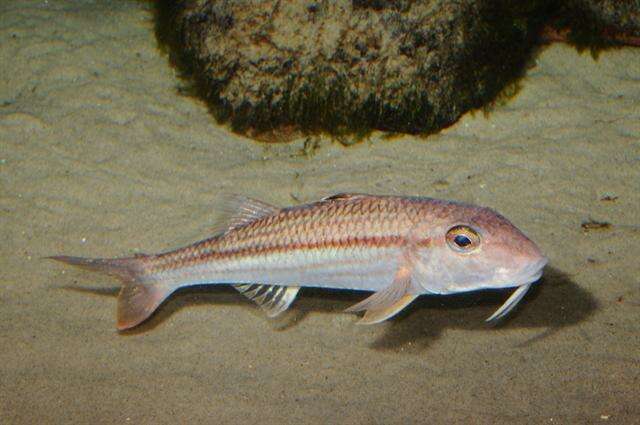
Mullus surmuletus Linnaeus, 1758 (Striped red mullet)
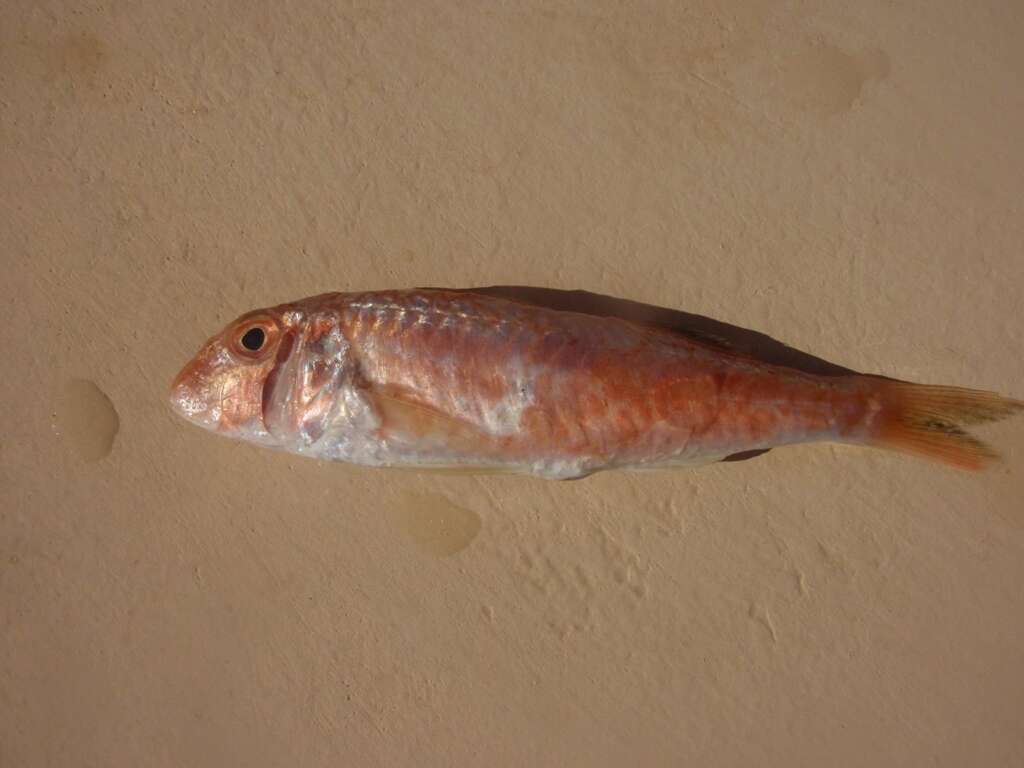
Mullus barbatus Linnaeus, 1758 (Mullet)
Apogon imberbis (Linnaeus, 1758) (Cardinal fish)
Occasionally forms schools; sometimes solitary. Inhabits muddy or rocky bottoms and caves. Feeds on small invertebrates and fishes . Oral brooding by males .
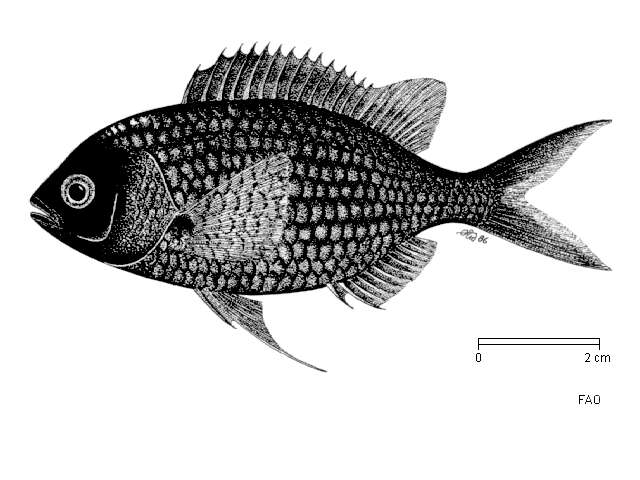
Chromis chromis (Linnaeus, 1758) (Mediterranean chromis)
Form small shoals in midwater above or near rocky reefs or above seagrass meadows (Posidonia. Feed on small planktonic or benthic animals . Reproduce in summer . Eggs characterised by adhesive filaments are nested on rocky or sandy bottoms . Males guard the eggs .
Share on Social Networks
- Facebook:

personalize your shared text as well as its destination (wall, page...) or send as a private message to a friend
- Twitter: Tweet personalize your tweet
- Google Plus:
Direct link to this dive
- Long link:
- Short link:


 We are participating today in the startup contest Techcrunch Disrupt. Support Diveboard by voting for us!
























































































