


 Halim H Omar

 Honduras
-
Nº3
 Date: 2011-10-02 - 08:26
-
 Max Depth: 18m Duration: 34mins
Pictures

No pictures for this dive
- Temp: Surf 30°C Bottom 30°C
- Dive type : Training
- Visibility: Average Water: Salt
Specific gear used
- Weights: 12 kg
Recent Divers in Utila Island
Recent Pictures in Utila Island
Dive Shop & Buddies
 Dive with Gordon Meek from Alton's Dive Center & Inn

Link to this spot:
- Spot:
- Country:
- Area:
- Body of water:
Dive Profile
- 1. Air
- 12L Steel 193 → 69 bar
- Average depth: 12m
Data provided by EOL.org



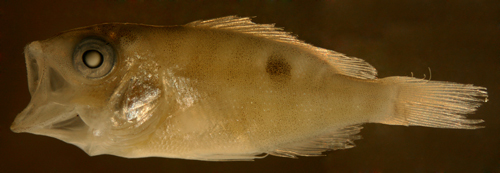
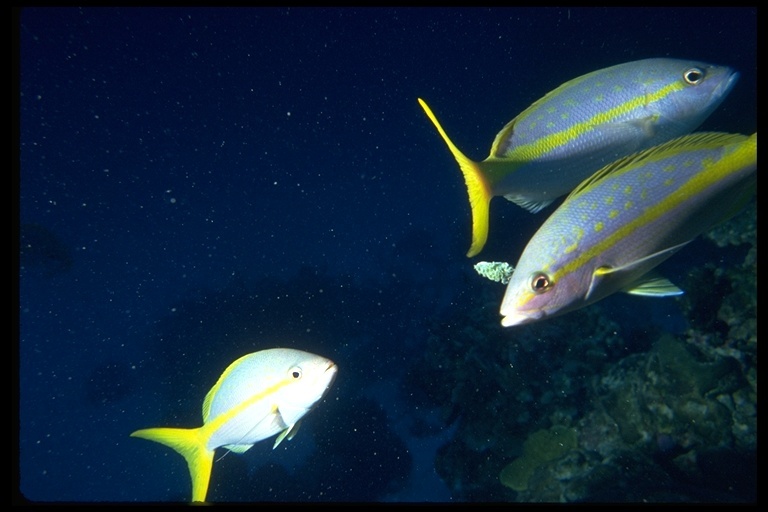
Species Identified
Urobatis jamaicensis (Cuvier, 1816) (Maid)
Commonly found along sandy beaches to the water's edge, and especially in sandy areas in and around coral reefs . Raises front end of disc to attract prey seeking shelter . Feeds on shrimps, probably also on small fi...
Read More
Read More
Urotrygon cimar López S. and Bussing, 1998 (roudray)
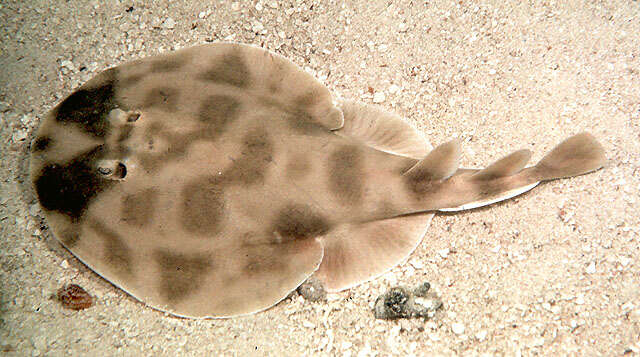
Narcine brasiliensis (Olfers, 1831) (Brazilian electric ray)
Inhabits coastal waters, on sand or mud bottoms . Common along sandy shorelines, sometimes near coral reefs . Buries itself with only eyes protruding . Nocturnal, moves to shallow bays at night to feed; prefers worms, b...
Read More
Read More
Aetobatus narinari (Euphrasen, 1790) (Bishop ray)
Large groups of spotted eagle rays may be seen outside of the breeding season. These rays swim close to the surface and can occasionally be seen jumping clear out of the water (known as 'breaching') . Females give birth to...
Read More
Read More
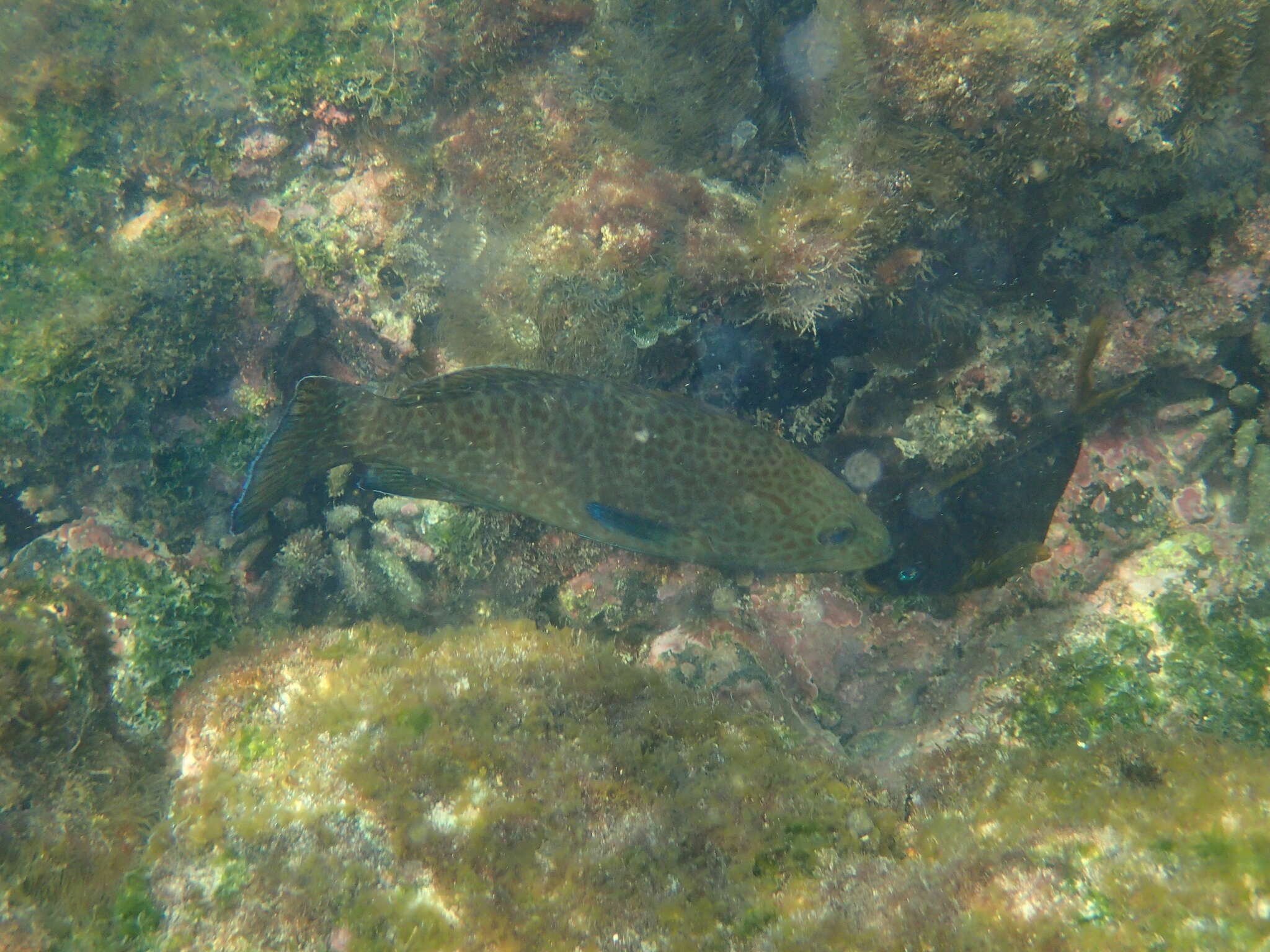
Epinephelus analogus Gill, 1863 (Grouper)
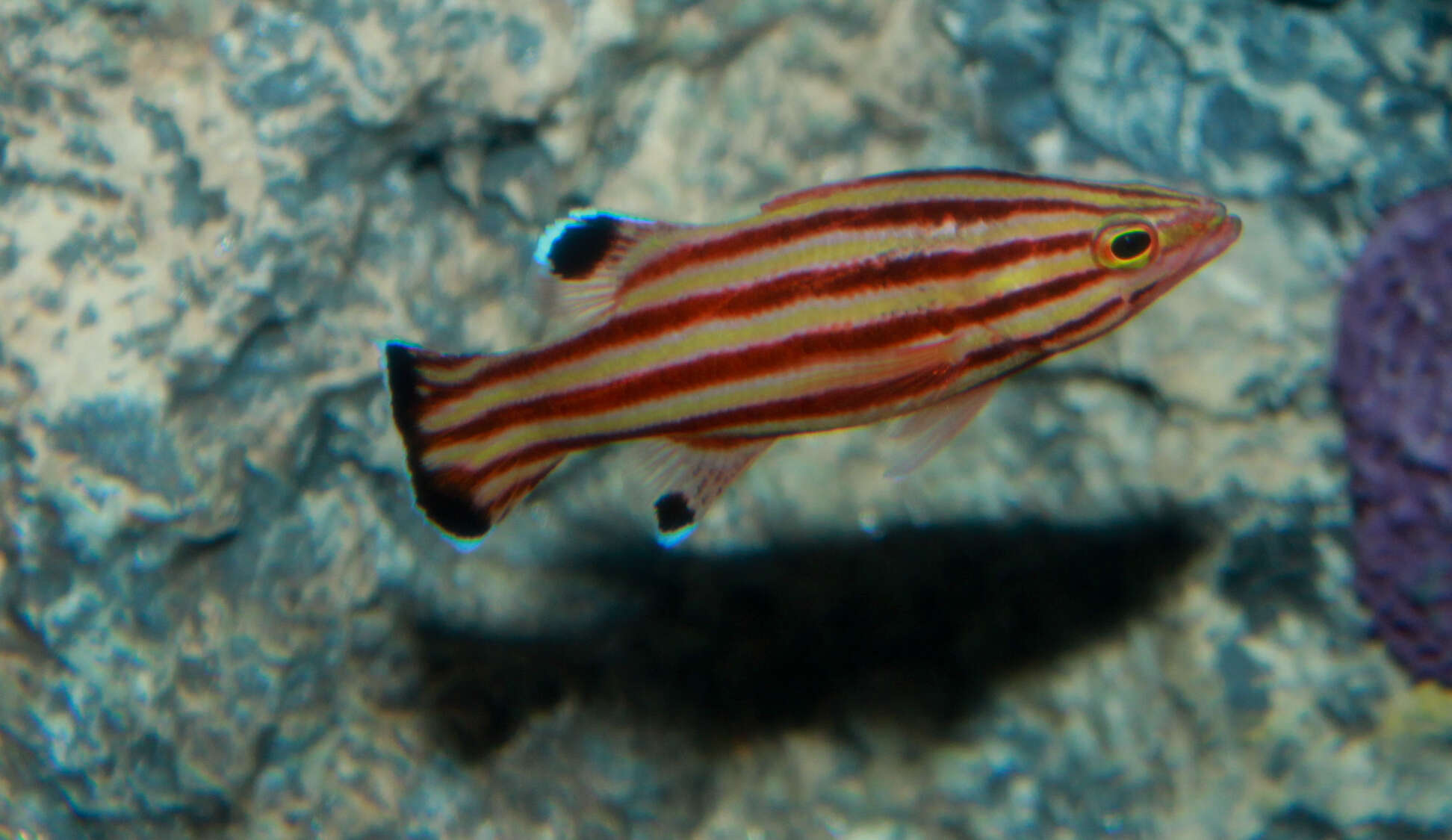
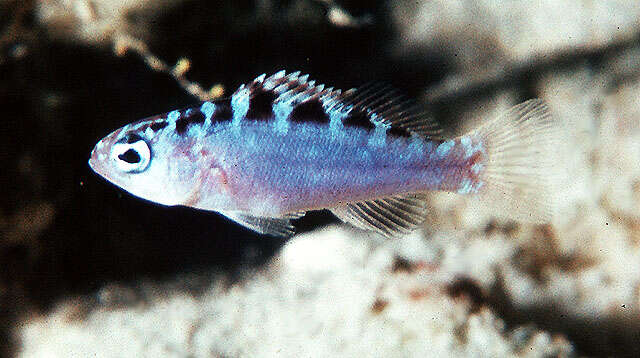
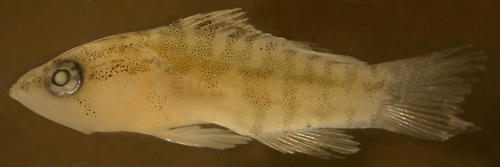
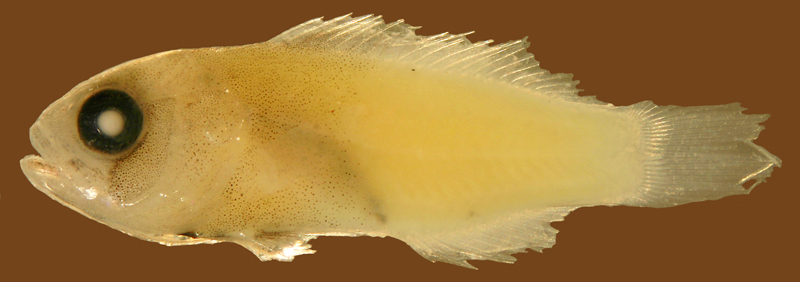
Liopropoma rubre Poey, 1861 (Swissguard basslet)
A solitary species inhabiting deep recesses of coral reefs. Common, but secretive and rarely seen . The maximum size for this species is about 8 cm standard length or 100 mm TL (P.Heemstra, pers.comm. 12/09).
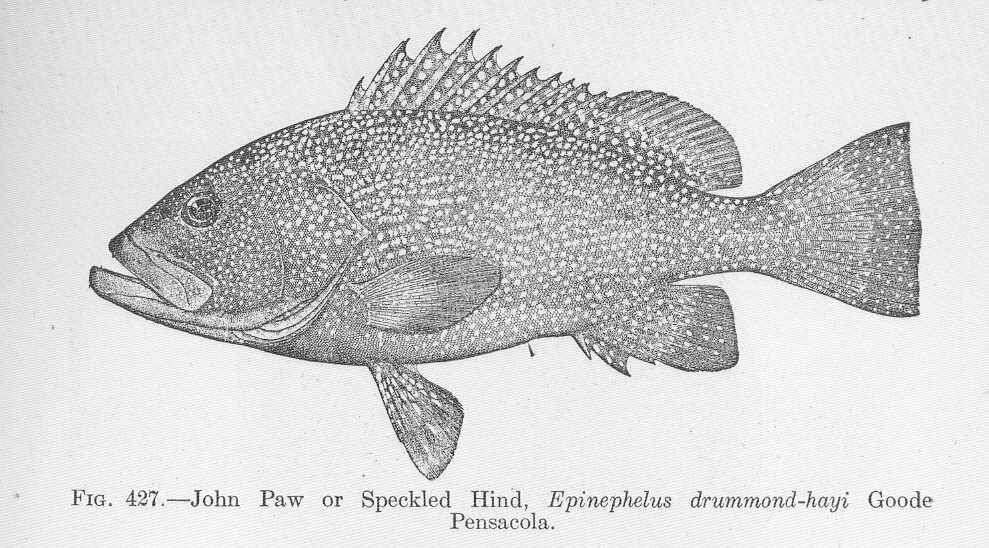
Epinephelus drummondhayi Goode & Bean, 1878 (speckled hind)
Inhabits offshore rocky bottoms; most common between 60 and 120 m.
Epinephelus guttatus (Linnaeus, 1758) (Deady)
Found in shallow reefs and rocky bottoms. Usually solitary and territorial. Feeds mainly on crabs and other crustaceans , fishes , and octopus. Some undergo sexual inversion at 28 cm TL; most fish larger than 40 cm are...
Read More
Read More
Serranus tortugarum Longley, 1935 (chalk bass)
Found over rubble, silty or sandy bottoms . Often in small groups hovering over a patch of coral rubble or an old conch shell . Feeds on plankton . Synchronously hermaphroditic. Difficult to approach .
Serranus tigrinus (Bloch, 1790) (Harlequin serranid)
Most common in areas with rock or scattered coral. Solitary or in pairs. Feeds mainly upon crustaceans . Synchronously hermaphroditic. The most common member of the genus .
Gramma loreto Poey, 1868 (fairy basslet)
Often found in caves or under ledges. Swim with belly toward substratum, thus under ledges seen upside down. Feed on ectoparasites of other fishes . Males show various types of nest care behavior . Retreat into recesses when alarmed . Have been reared in captivity .
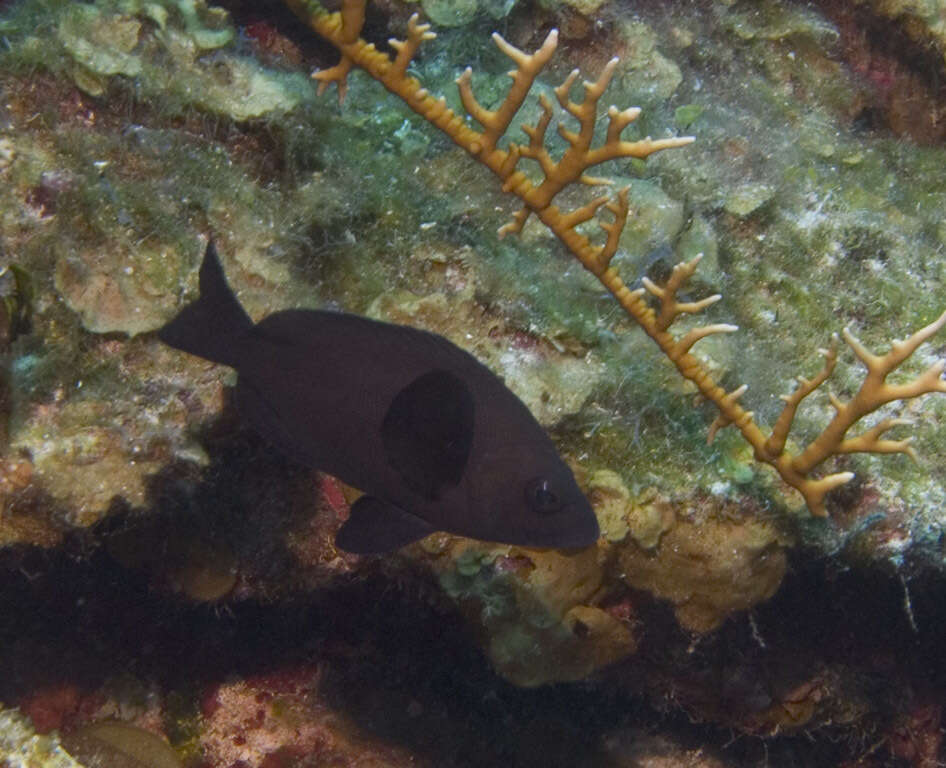
Hypoplectrus nigricans (Poey, 1852) (Black hamlet)
A solitary species inhabiting shallow reefs . Feeds on fishes and crustaceans . Often found near the bottom around soft and hard corals. Occasionally been seen spawning with the H. chlorurus
Serranus tabacarius (Cuvier, 1829) (Golden fish)
Inhabits shallow rocky or coral bottoms with clear water . In groups on deeper reefs . Synchronously hermaphroditic. Negligible commercial value due to its small size . Sometimes follows goatfishes as they probe the sand for invertebrates .
Lutjanus synagris (Linnaeus, 1758) (Lane snapper)
Found over all types of bottom, but mainly around coral reefs and on vegetated sandy areas. In turbid as well as clear water . Often forms large aggregations, especially during the breeding season. Feeds at night on sma...
Read More
Read More
Lutjanus apodus (Walbaum, 1792) (Dogtooth snapper)
Occurs in shallow, clear, warm, coastal waters over coral reefs. Often near the shelter of elkhorn corals and gorgonians . Juveniles are encountered over sand bottoms with or without seagrass , and over muddy bottoms of ...
Read More
Read More
Ocyurus chrysurus (Bloch, 1791) (yellowtail snapper)
Share on Social Networks
- Facebook:

personalize your shared text as well as its destination (wall, page...) or send as a private message to a friend
- Twitter: Tweet personalize your tweet
- Google Plus:
Direct link to this dive
- Long link:
- Short link:


 We are participating today in the startup contest Techcrunch Disrupt. Support Diveboard by voting for us!
























































































