


 Halim H Omar

 Ecuador
-
Nº8
 Date: 2011-11-23 - 13:00
-
 Max Depth: 21m Duration: 20mins
Pictures

No pictures for this dive
- Temp: Surf 20°C Bottom 20°C
- Dive type : Deep dive, Drift
- Visibility: Good Water: Salt
Specific gear used
- Weights: 12 kg
Recent Divers in Santa Cruz Island

Recent Pictures in Santa Cruz Island


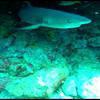


Dive Shop & Buddies
 Dive with Hugo Masaquiza from Dive Center Silberstein

Link to this spot:
- Spot:
- Country:
- Area:
- Body of water:
Dive Profile
- 1. Air
- 12L Steel 207 → 69 bar
- Average depth: 14m
Data provided by EOL.org


Species Identified
Triaenodon obesus (Rüppell, 1837) (Whitetip reef shark)
Despite its docile nature during the day this nocturnal shark can become aggressive when hunting at night, thrashing through coral reefs looking for potential prey. The whitetip reef shark usually hunts alone, but is non-t...
Read More
Read More
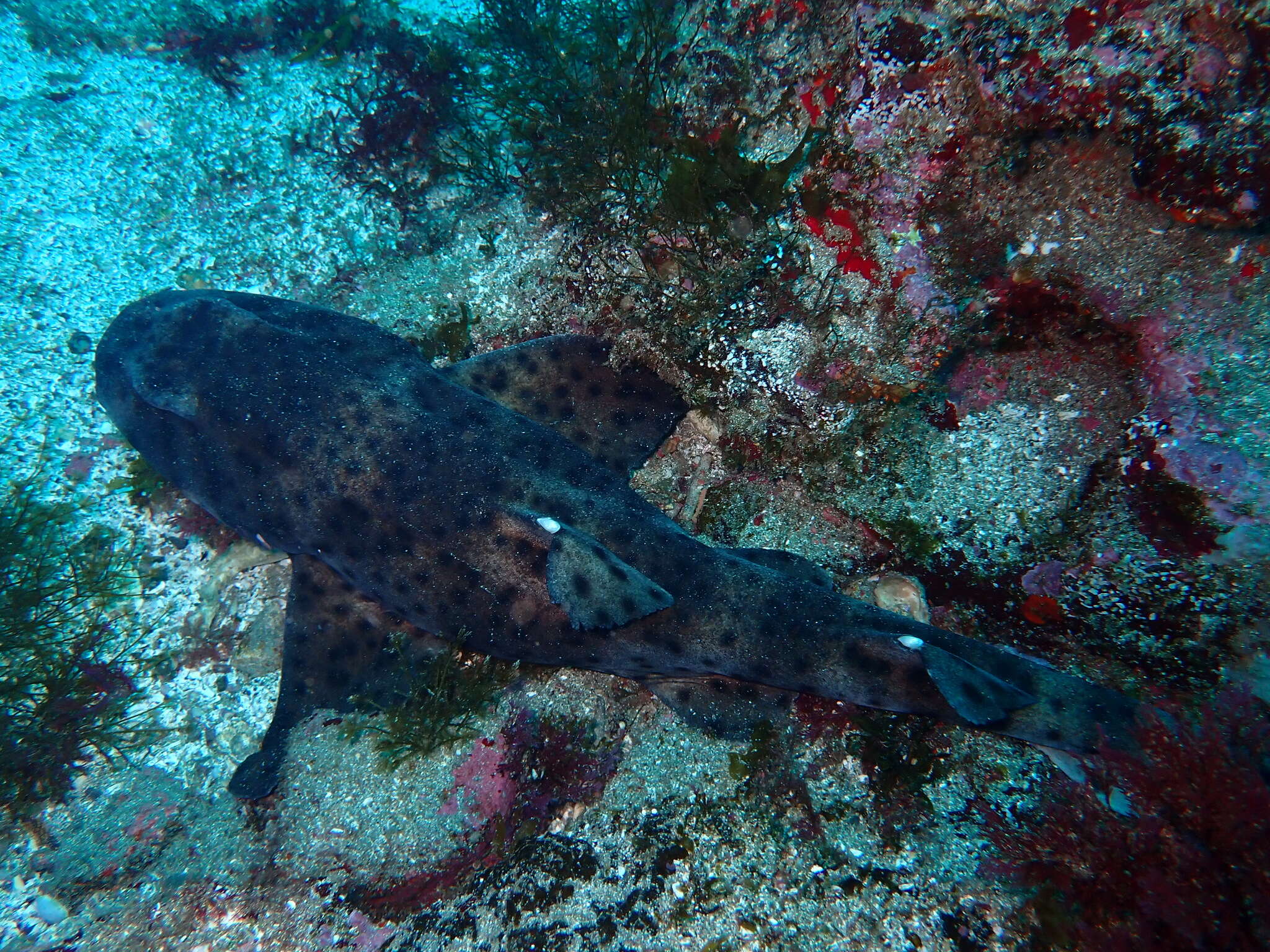
Heterodontus quoyi (Fréminville, 1840) (Galapagos bullhead shark)
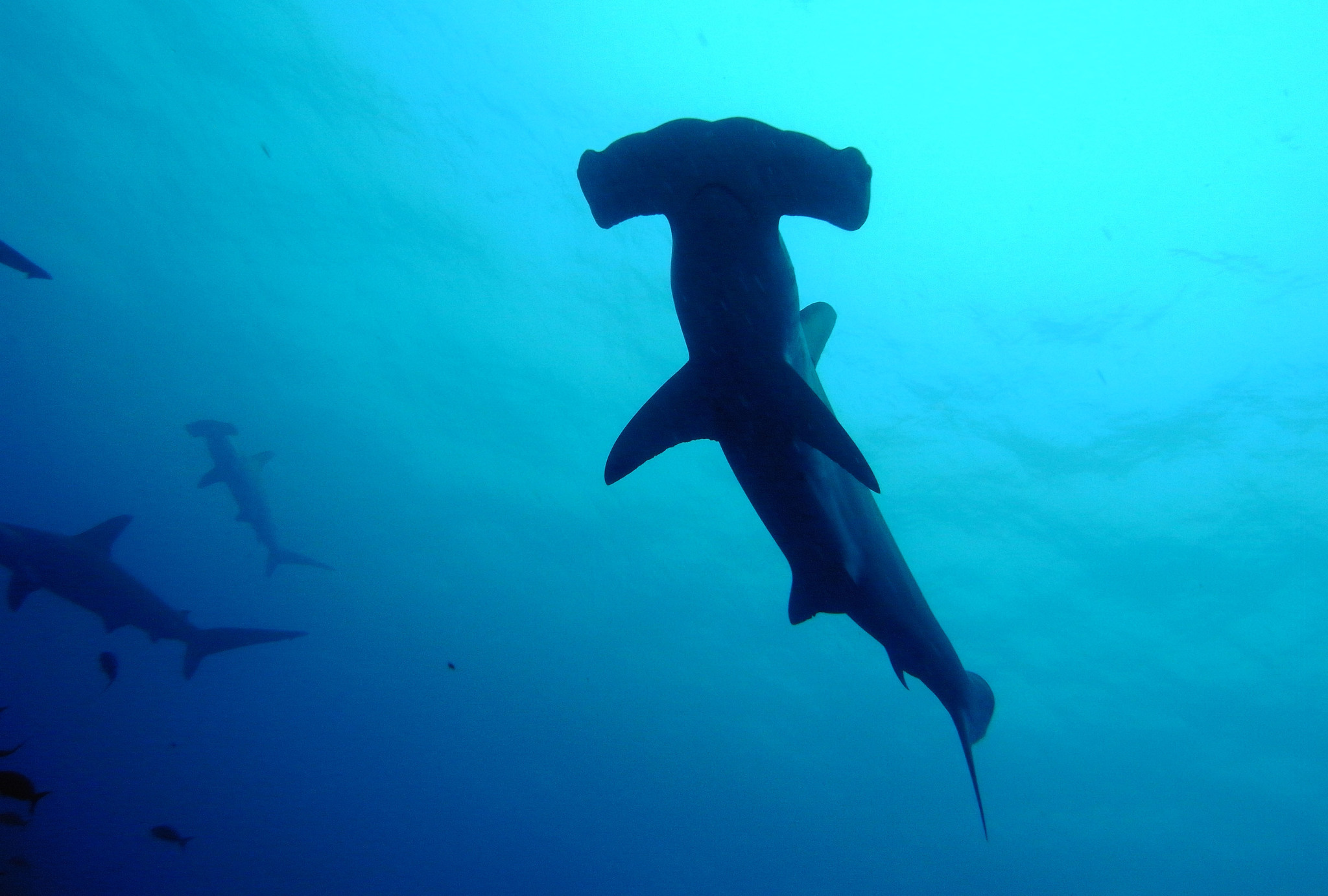
Sphyrna lewini (Griffith and Smith, 1834) (scalloped hammerhead)
Forming impressively large schools, female scalloped hammerheads gather in the Gulf of California during the day, around underwater mountains known as seamounts, where they perform a wide range of poorly-understood behavio...
Read More
Read More
Galeocerdo cuvier (Péron & Lesueur, 1822) (tiger shark)
Prionace glauca (Linnaeus, 1758) (Blue shark)
Blue sharks are viviparous, giving birth to live young after a gestation period of nine to twelve months . Up to 135 pups can be born per litter, partially depending on the size of the female, but the average is 25 to 50 ...
Read More
Read More
Aetobatus narinari (Euphrasen, 1790) (Bishop ray)
Large groups of spotted eagle rays may be seen outside of the breeding season. These rays swim close to the surface and can occasionally be seen jumping clear out of the water (known as 'breaching') . Females give birth to...
Read More
Read More
Manta birostris (Walbaum, 1792) (Giant manta)
Manta rays are generally solitary, although loose aggregations of individuals may occur where there are abundant food sources or during the breeding season. When ready to mate, a male will bite his mate's pectoral fin to p...
Read More
Read More
Sphyraena idiastes Heller & Snodgrass, 1903 (Pelican barracuda)
Share on Social Networks
- Facebook:

personalize your shared text as well as its destination (wall, page...) or send as a private message to a friend
- Twitter: Tweet personalize your tweet
- Google Plus:
Direct link to this dive
- Long link:
- Short link:


 We are participating today in the startup contest Techcrunch Disrupt. Support Diveboard by voting for us!
























































































