


 Mark Phelps


 Canada
-
Nº2
 Date: 2006-07-22 - 11:17
-
 Max Depth: 4m Duration: 14mins
Dive Location

- Temp: Surf 80°C Bottom 72°C
- Dive type : Training, Photo
- Visibility: Average Water: Fresh
Specific gear used
- Weights: 10 kg
Recent Divers in Kingston
Dive Shop & Buddies
 Dive with Steve Alford
 Dive buddies:
Rebecca Bone

Link to this spot:
- Spot:
- Country:
- Area:
- Body of water:
Dive Profile
- 1. Air
- 12L Steel 145 → 52 bar
- Average depth: 2.7m
Data provided by EOL.org


Species Identified
Micropterus dolomieu Lacepède, 1802 (Smallmouth bass)
Inhabit shallow rocky areas of lakes, clear and gravel-bottom runs and flowing pools of rivers, cool flowing streams and reservoirs fed by such streams . Young feed on plankton and immature aquatic insects while adults ta...
Read More
Read More
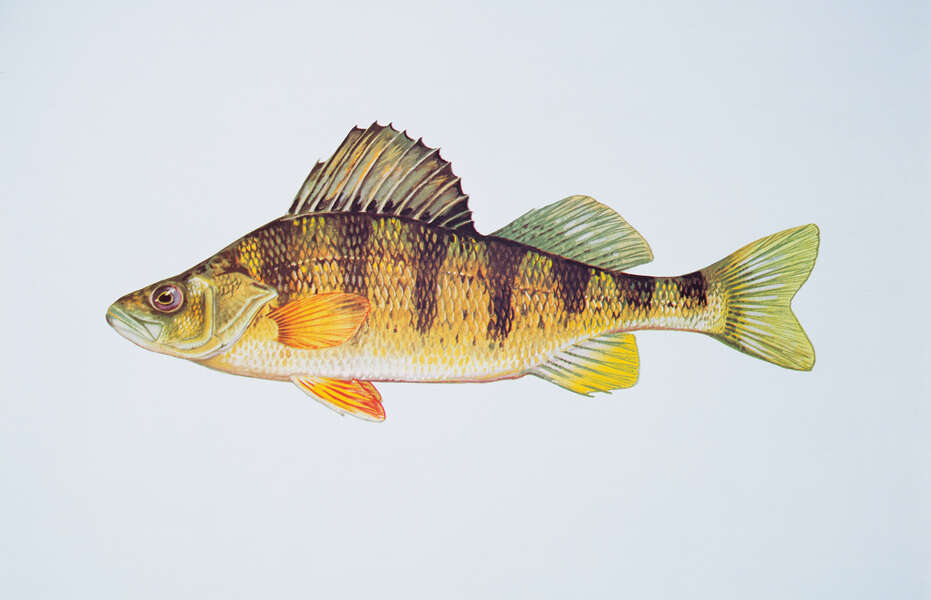
Perca flavescens (Mitchill, 1814) (American perch)
Inhabits lakes, ponds, pools of creeks, and rivers. Also found in brackish water and in salt lakes. Most commonly found in clear water near vegetation; tends to shoal near the shore during spring . Feeds on immature ins...
Read More
Read More
Myoxocephalus octodecemspinosus (Mitchill, 1814) (bullhead)
Commonly found in harbors and shallow coastal waters. Move to deeper water in winter. Adults attach their eggs near the base of a sponge to use as a spawning bed . Benthic; feeds on crustaceans, molluscs, sea squirts, squids and fishes (herring, mackerel, smelt, sand lance and silversides ) .
Share on Social Networks
- Facebook:

personalize your shared text as well as its destination (wall, page...) or send as a private message to a friend
- Twitter: Tweet personalize your tweet
- Google Plus:
Direct link to this dive
- Long link:
- Short link:


 We are participating today in the startup contest Techcrunch Disrupt. Support Diveboard by voting for us!
























































































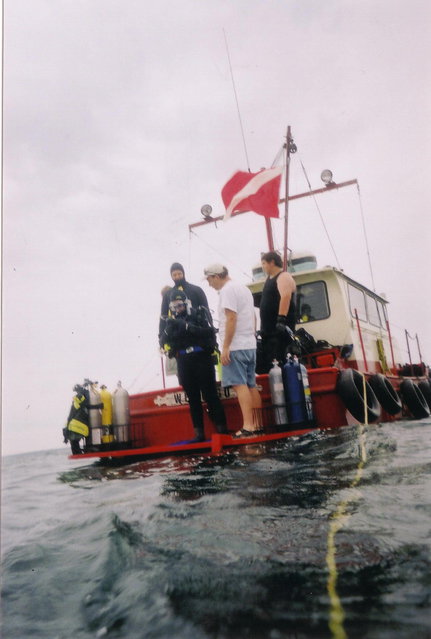
My second dive of the day is a war of 1812 wreck called"The Prince Regent" Another beginner dive. It sits in about 14-20 feet of water. Not very deep. Again I had some buoyancy issues. I think it had more to do with the shallow depth of the water. I dropped four pounds of weight from earlier, and it seems to have helped. I was fine once I got past about 12 feet.I think for tomorrow,I'll keep the weight off.
The dive was a bit clearer than the first, but there is a lot less boat traffic at this site. The visibility was better as well. I saw more fish this time. Bass, Perch, and mud pout.
The ship was a bit more spread out, and a bit more varied in depth. It wasn't just laying flat. I enjoyed this more than my first dive. I can't wait until tomorrow!!! with a little luck; I'll be certified by this time tomorrow.
Rebecca was my dive buddy again for this dive. I'm sure diving with someone you've come to trust has made it easier.