


 Pista
Pista


 Australia
-
Nº46
 Date: 2015-06-18 - 11:32
-
 Max Depth: 29.6m Duration: 58mins
Pictures

No pictures for this dive
- Surface interval:116 mins
- Temp: Bottom 25°C
- Dive type : Reef
- Visibility: Good Water: Salt
Specific gear used
- Boots: Adrenalin - 5mm
- Mask: Tabata / Tusa - Ceos Pro
- BCD: Aqualung - PRO HD
- Regulator: Aqualung - Core
- Computer: Suunto - D4i Novo
- Other: Mares - Mission 2C SPG
- Fins: Mirage - Phantom
- Knife: Seak -
- Weights: 6 kg
Recent Divers in Ribbon Reef No.3
Dive Shop & Buddies
 Dive with Deep Sea Divers Den
 Dive buddies:
Rudasdoc
Dive buddies:
Rudasdoc

Link to this spot:
- Spot:
- Country:
- Area:
- Body of water:
Dive Profile
- 1. Air
- 12L Aluminium 206 → 57 bar
- Average depth: 13.1m
Data provided by EOL.org







Species Identified
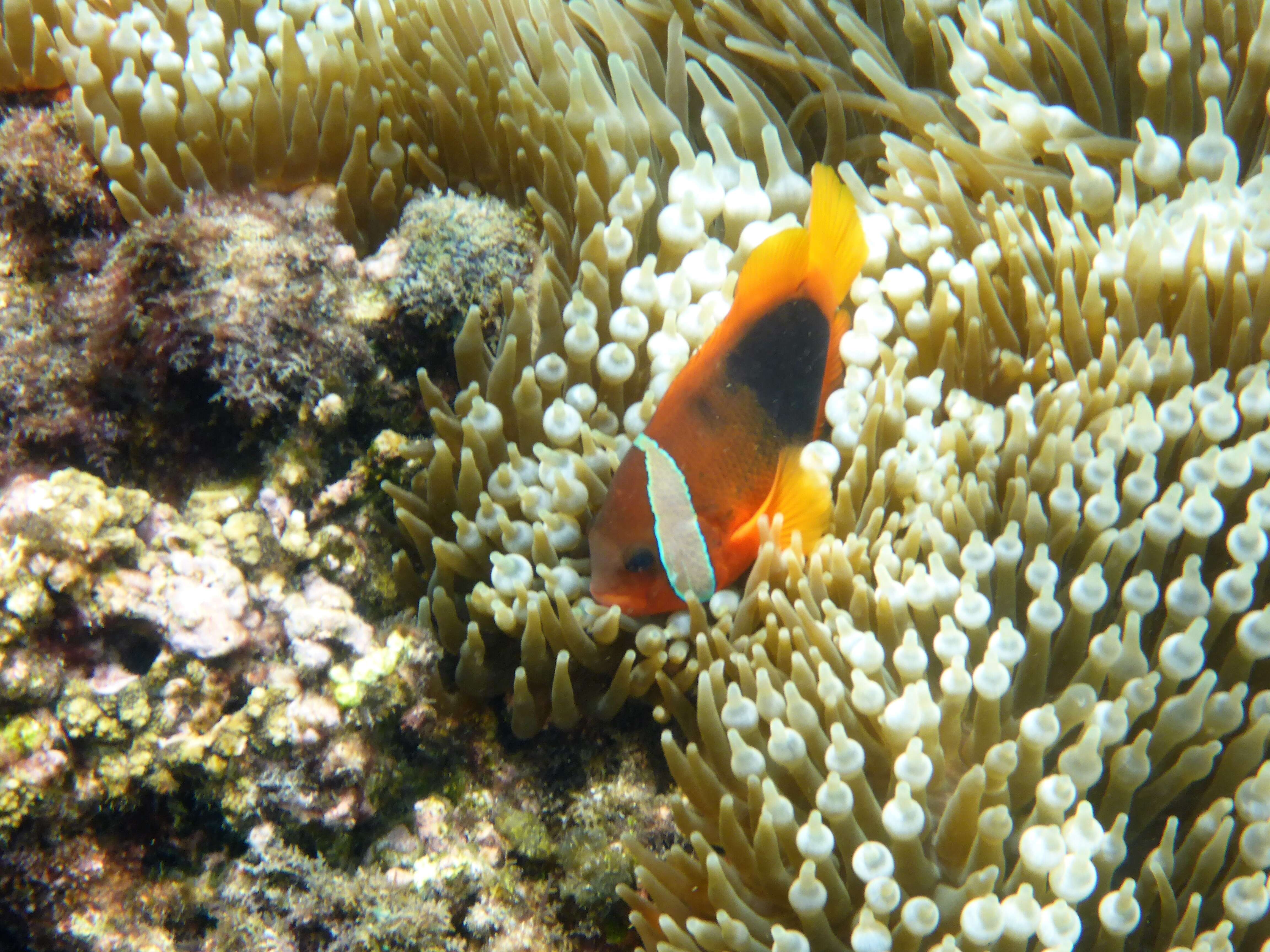
Amphiprion chrysopterus Cuvier, 1830 (Two-banded anemonefish)
Inhabits passages and outer reef slopes. Known to occur at 25°C. Feeds chiefly on planktonic copepods, algae, echiuroid and sipunculoid worms, and pelagic tunicates. Associated with the anemones: Entacmaea quadricolor,...
Read More
Read More
Premnas biaculeatus (Bloch, 1790) (Spinecheek anemonefish)
Inhabits lagoon and seaward reefs , found mainly in protected coastal waters and lagoons. Typically found in pairs in which males are much smaller than females . Feeds primarily on zooplankton and benthic algae . Has been reared in captivity . Associated with the anemone Entacmaea quadricolor .
Amphiprion melanopus Bleeker, 1852 (Chocolate clown)
Inhabits lagoon and outer reef environments. Feeds predominantly on planktonic copepods and algae. Has been reared in captivity . Associated with the anemones: Entacmaea quadricolor , Heteractis crispa , and Heteractis magnifica .
Amphiprion percula (Lacepède, 1802) (Orange clownfish)
Inhabits lagoon and seaward reefs . Each group of fish consists of a breeding pair and 0-4 non-breeders. Within each group there is a size-based hierarchy: the female is largest, the male is second largest, and the non-...
Read More
Read More
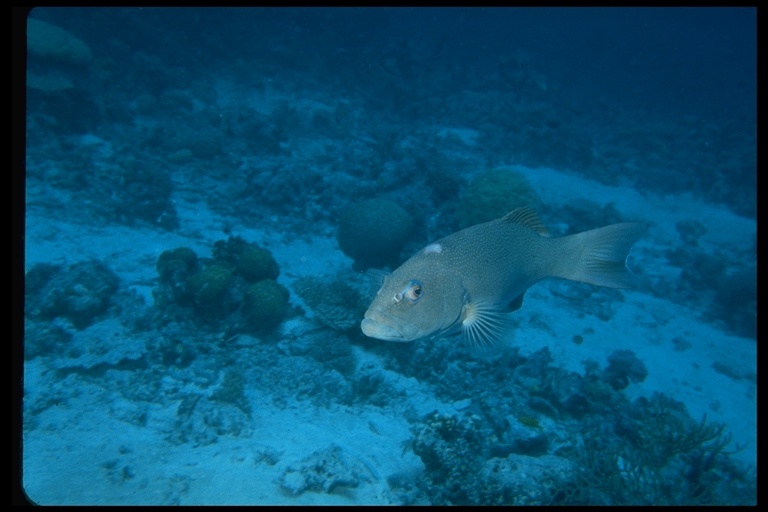
Plectropomus leopardus (Lacepède, 1802) (bluedotted coraltrout)
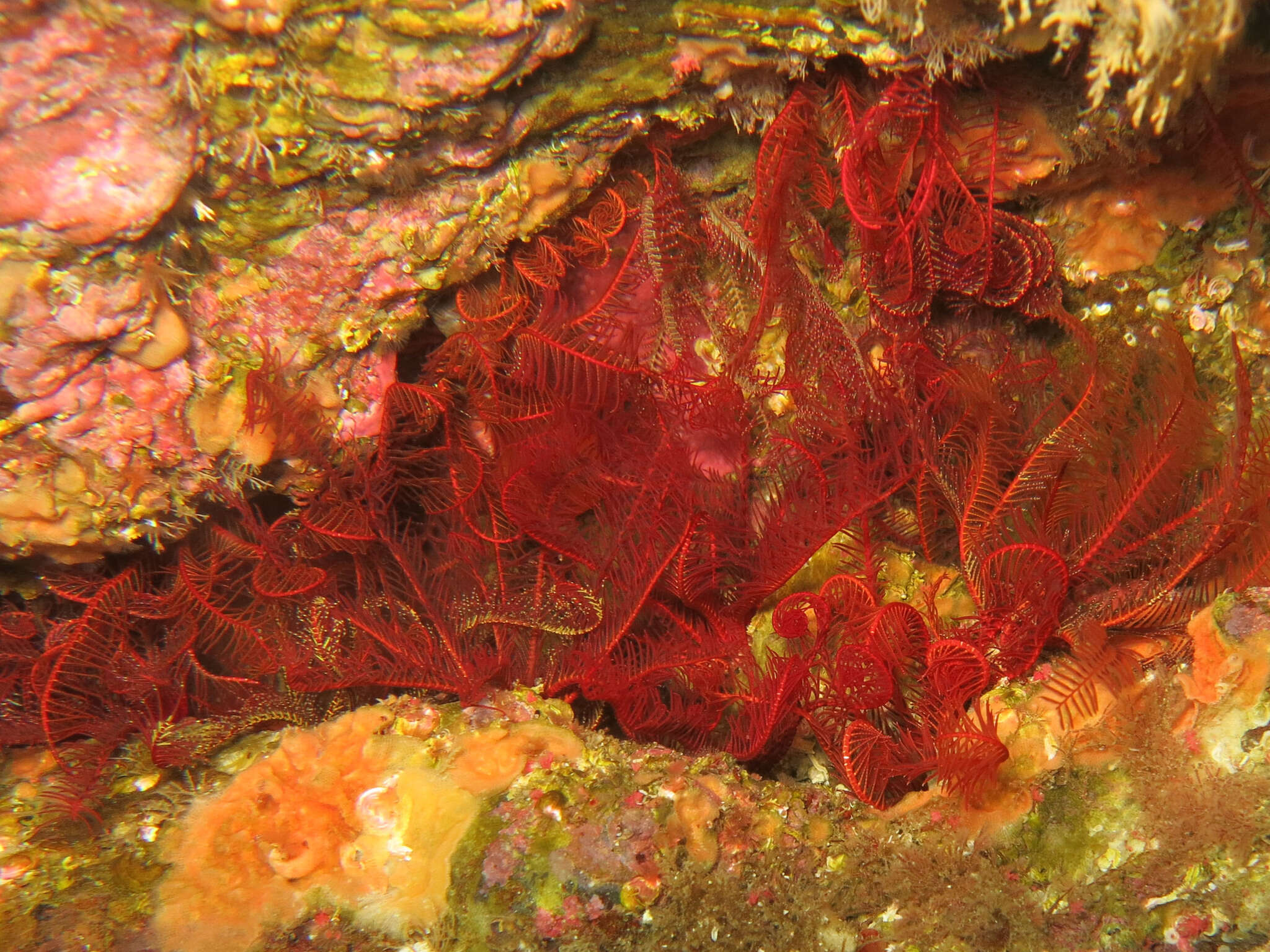
Antedon bifida (Rosy feather-star)
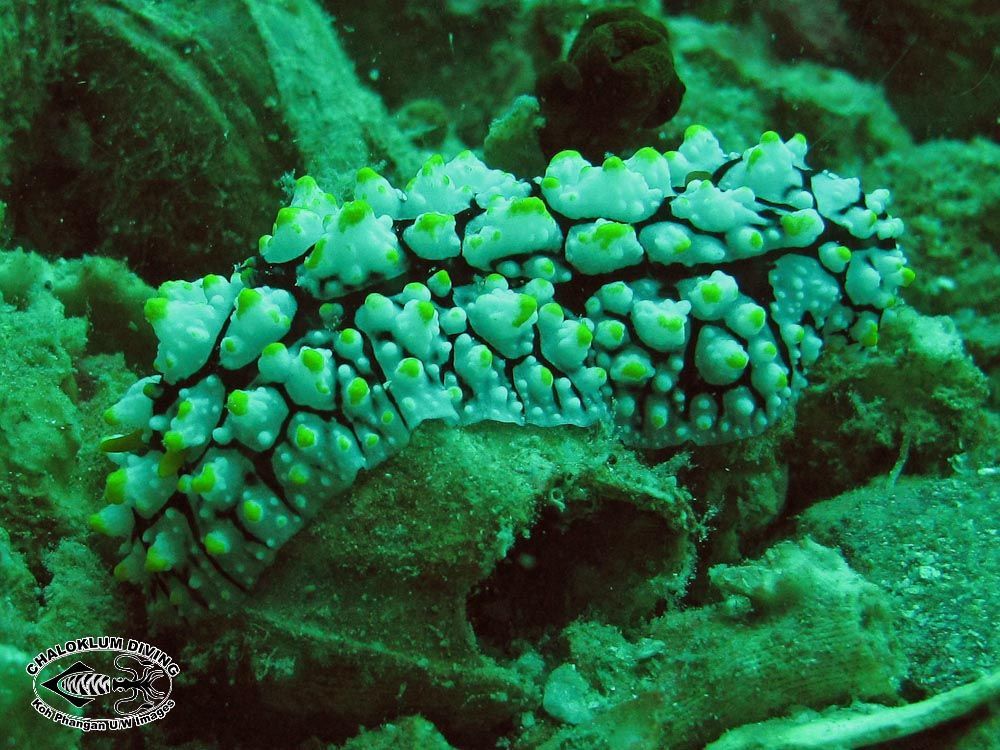
Phyllidia varicosa Lamarck 1801 (Varicose nudibranch)
Phyllidia elegans Bergh, 1869 (Lumpy nudibranch)
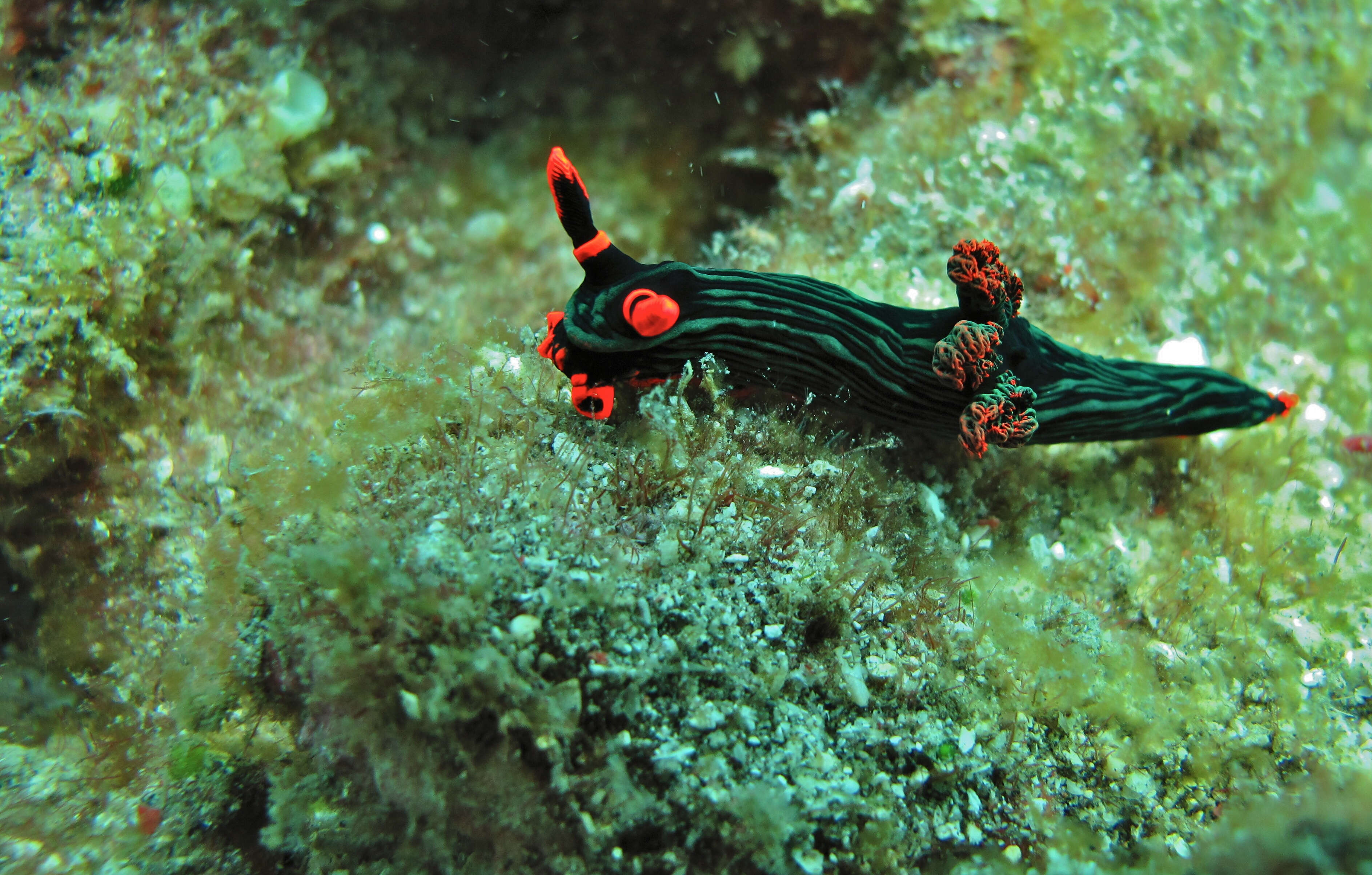
Nembrotha kubaryana (Dusky nembrotha)
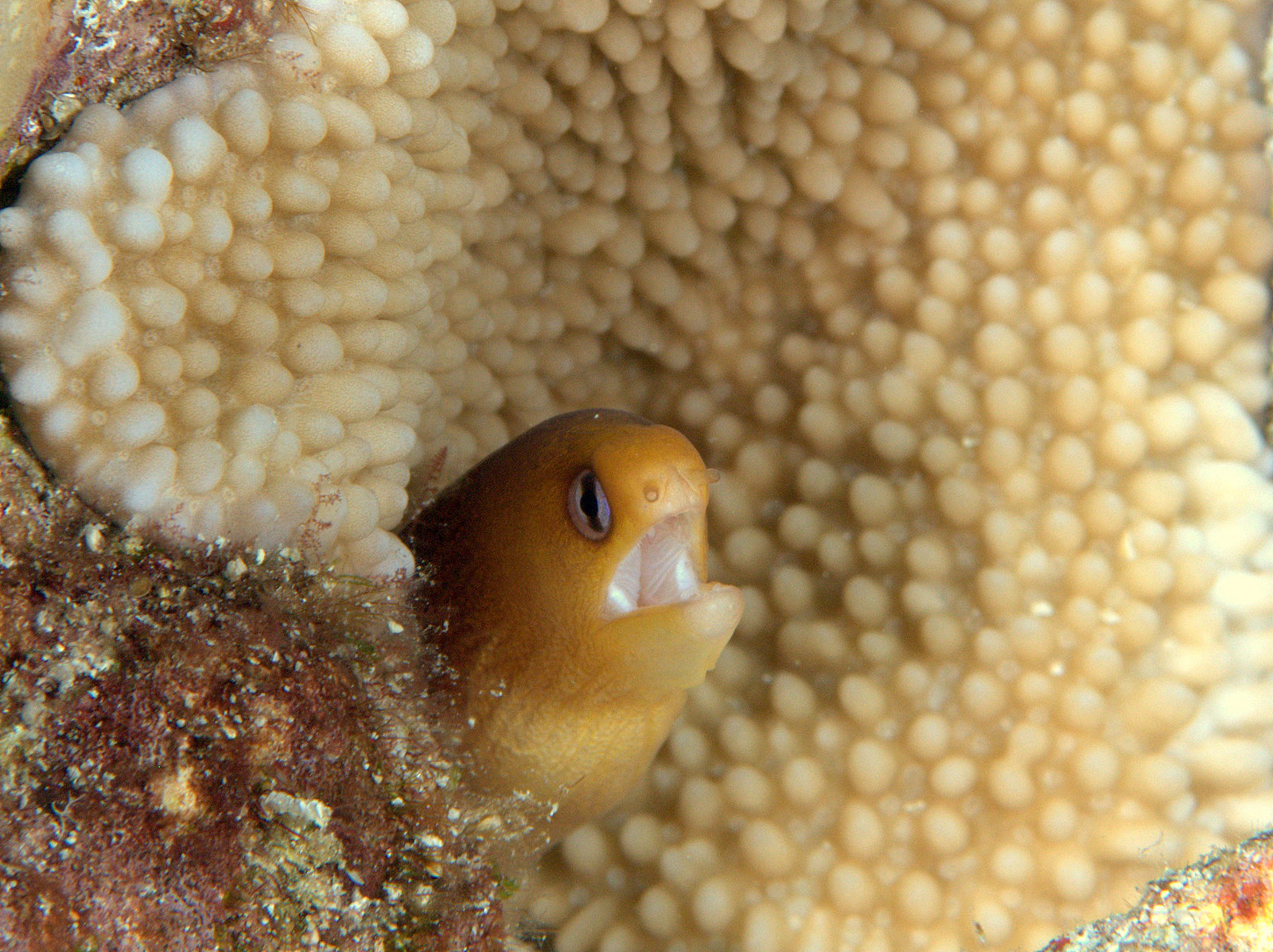
Gymnothorax melatremus Schultz, 1953 (Dwarf moray)
Benthic . Lives in holes and crevices of seaward reefs from the surge zone to over 26 m.
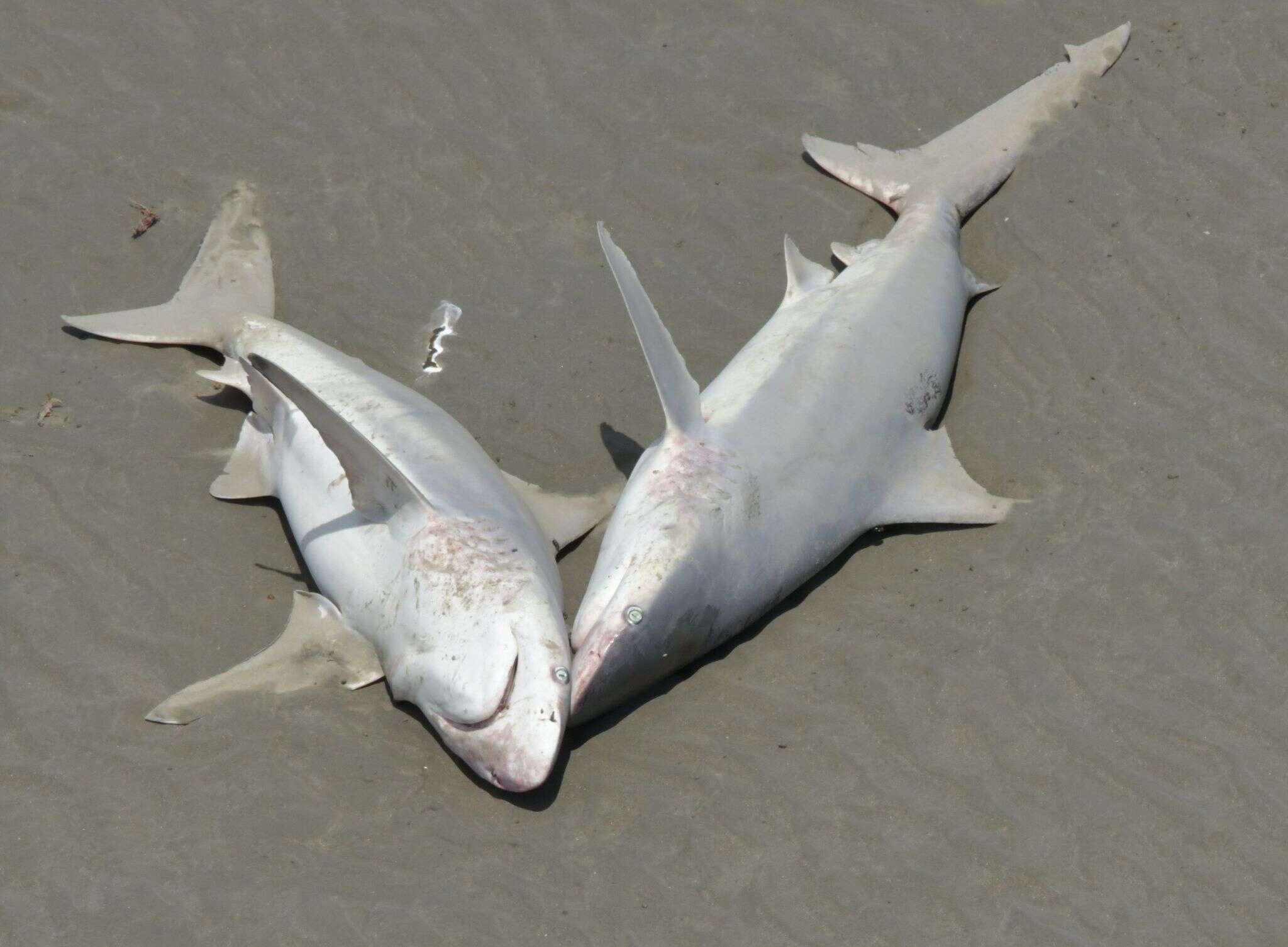
Carcharhinus tilstoni (Whitley, 1950) (Australian blacktip shark)
Found on the continental shelf from close inshore to about 150 m depth . Found throughout the water column but usually near the sea bed during the day and near the surface at night . Prefers teleost fishes but also feeds...
Read More
Read More
Synanceia verrucosa Bloch & Schneider, 1801 (Stonefish)
Most widespread stonefish . Found on sandy or rubble areas of reef flats and shallow lagoons and in small pools during low tide well camouflaged among the substrate and sometimes even covered with algae . Solitary specie...
Read More
Read More
Odontodactylus scyllarus (Linnaeus, 1758) (Peacock Mantis Shrimp)
Triaenodon obesus (Rüppell, 1837) (Whitetip reef shark)
Despite its docile nature during the day this nocturnal shark can become aggressive when hunting at night, thrashing through coral reefs looking for potential prey. The whitetip reef shark usually hunts alone, but is non-t...
Read More
Read More
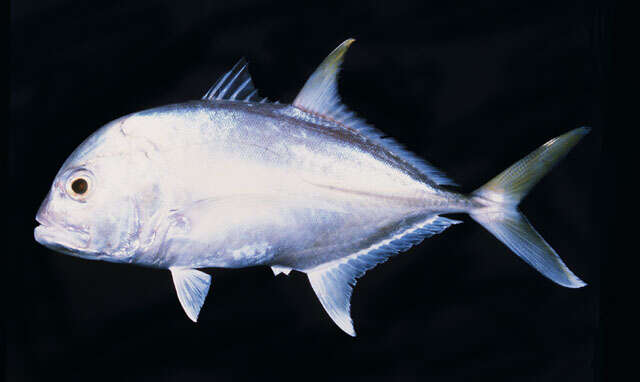
Caranx ignobilis (Forsskål, 1775) (Giant trevally)
Pelagic over sand and rock . Adults occur singly and inhabit clear lagoon and seaward reefs . Juveniles found in estuaries. Feed on crustaceans and fishes at night . Large individuals may be ciguatoxic. The largest t...
Read More
Read More
Montipora turtlensis Veron and Wallace, 1984 (Pore coral)
zooxanthellate
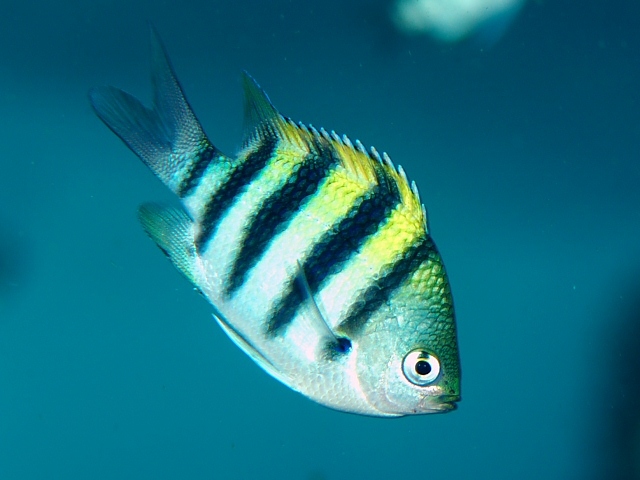
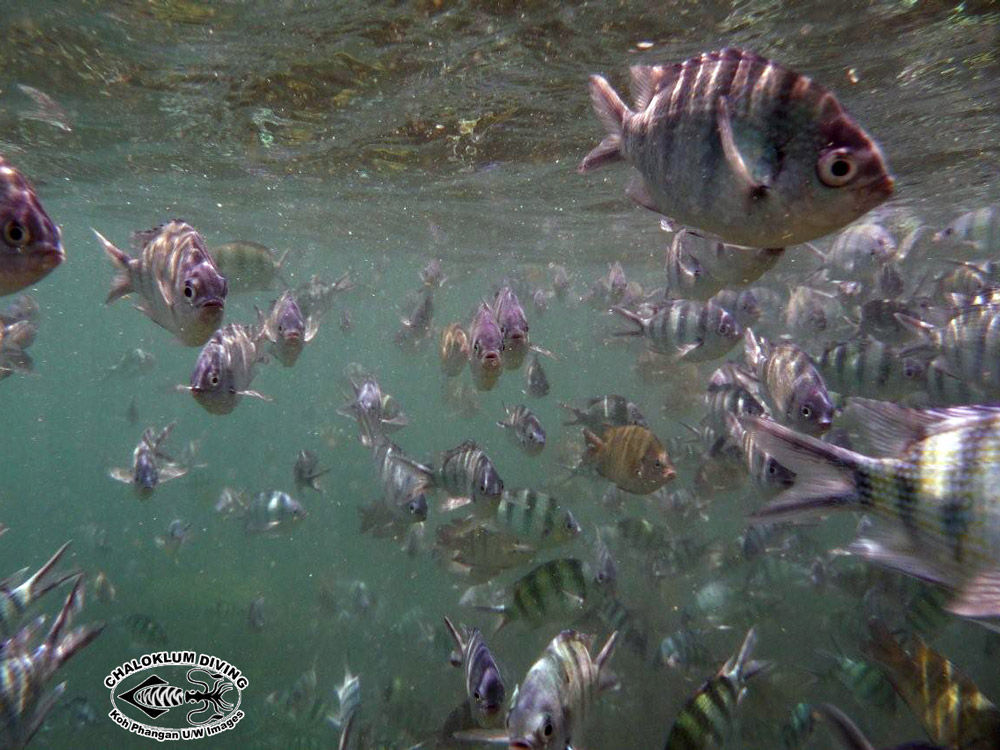
Abudefduf vaigiensis (Quoy and Gaimard, 1825) (Five finger)
Adults inhabit upper edge of outer reef slopes and inshore rocky reefs. Juveniles associated with drifting seaweed . Benthopelagic . Feed on zooplankton, benthic algae, and small invertebrates . Often in aggregations ...
Read More
Read More
Phyllopteryx taeniolatus (Lacepède, 1804) (common sea dragon)
These fish are slow-moving and rely on their camouflage as protection against predation; they drift in the water and with the leaf-like appendages resemble the swaying seaweed of their habitat . Individuals are observed ei...
Read More
Read More
Enoplosus armatus (White, 1790) (Bastard dory)
Juveniles live in estuaries while adults occur in estuaries and on inshore and offshore rocky reefs and seagrass beds . Found either in large schools, in pairs or as solitary individuals . Neither anterolateral glandular groove nor venom gland is present .
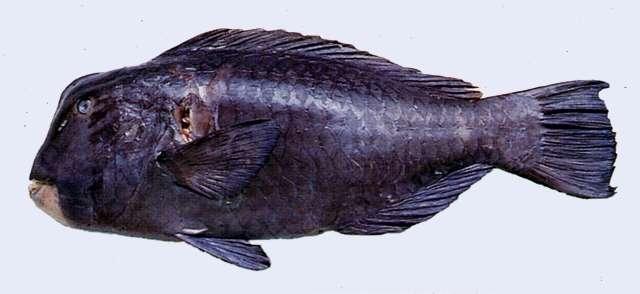
Bolbometopon muricatum (Valenciennes, 1840) (Green humphead parrotfish)
The gregarious humphead parrotfish is always found in small shoals, sometimes consisting of up to 75 individuals . It feeds on a diet of live corals and algae that grow on the ocean bottom, and uses its large bulbous head...
Read More
Read More
Achoerodus gouldii (Richardson, 1843) (Western blue groper)
Occurs on the continental shelf . Inhabits rocky areas and feeds on small crabs, fish, mollusks and starfish .
Abudefduf sexfasciatus (Lacepède, 1801) (Natal sergeant)
Inhabits inshore and offshore coral or rocky reefs. Also in shallow coastal reef flats or crests, usually where lots of tall soft corals or hydroid colonies are present . Feeds on zooplankton and algae and aggregates high in the water column .
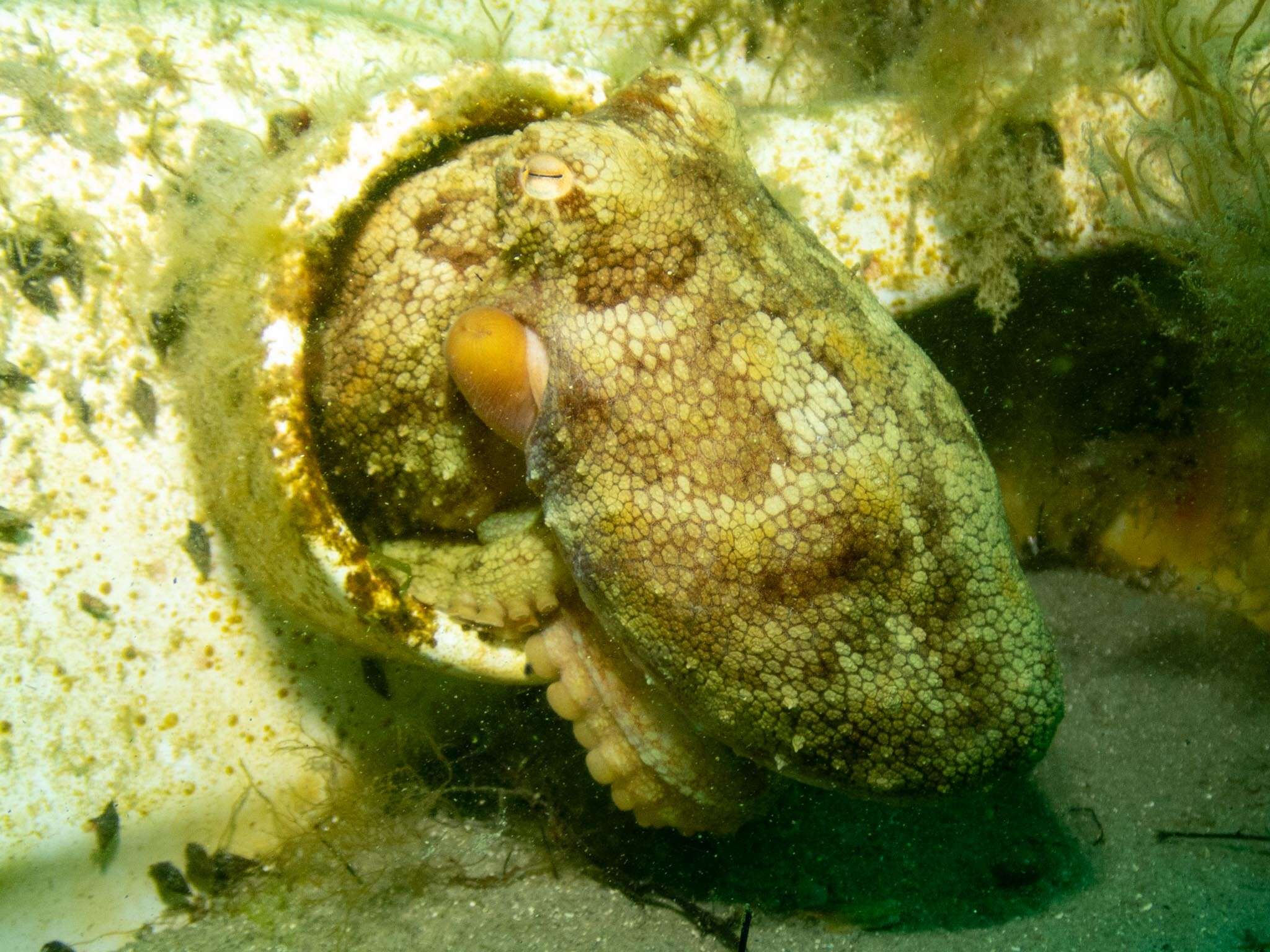
Octopus pallidus Hoyle, 1885 (Octopus)
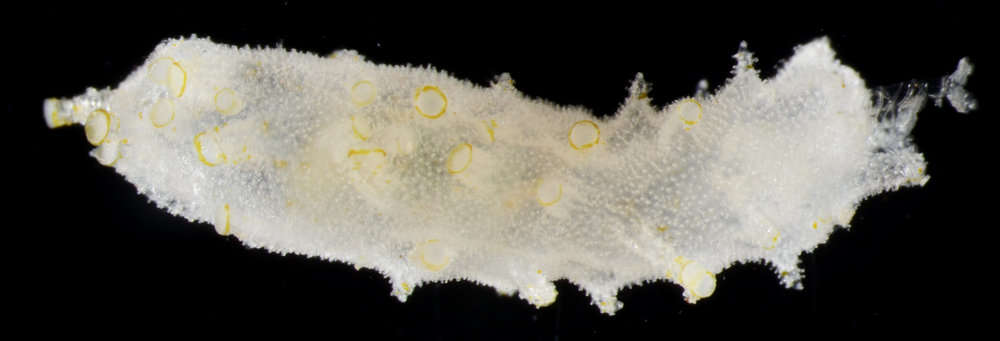
Holothuria impatiens (Forskaal, 1775) (impatient sea cucumber)
Isurus oxyrinchus Rafinesque, 1810 (Short-finned Mako Shark)
Given this shark's relative notoriety, particularly among anglers, surprisingly little is known of its biology . Reproductive knowledge of this solitary species is sparse, largely because pregnant females usually abort emb...
Read More
Read More
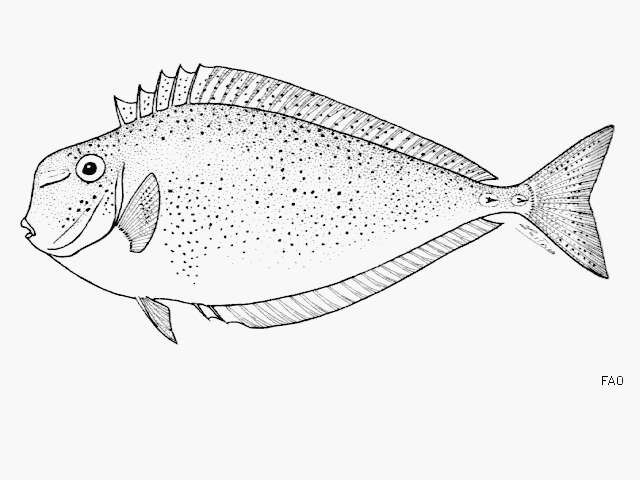
Naso tuberosus Lacepède, 1801 (Humpnose unicornfish)
Occurs in coral reefs. Diet consisted a high proportion of the green alga, Caulerpa.
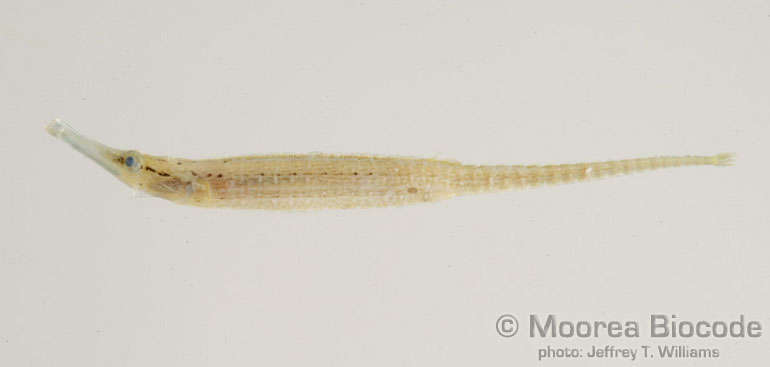
Haliichthys taeniophorus Gray, 1859 (Ribboned pipefish)
Ovoviviparous . The male carries the eggs in a brood pouch which is found under the tail .
Choeroichthys brachysoma (Bleeker, 1855) (Short-bodied pipefish)
Occur on the continental shelf . Found in tide pool, seagrass, and coral reef areas. Ovoviviparous . The males carry the eggs in a brood pouch which is found under the tail . Males may be brooding at 3.5-4.0 cm SL .
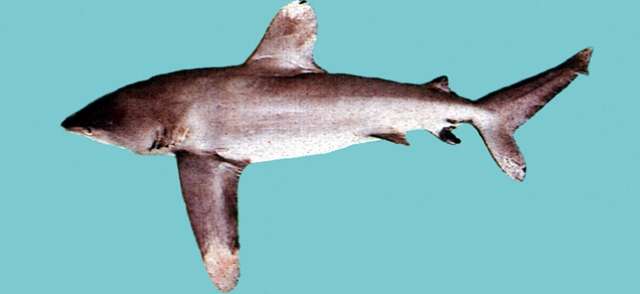
Carcharhinus longimanus (Poey, 1861) (Oceanic white-tip shark)
The diet of the oceanic whitetip shark primarily consists of bony fishes such as tuna and mackerel, but also includes stingrays, sea turtles, sea birds, squid, crustaceans, mammalian carrion , and occasionally even rubbish...
Read More
Read More
Share on Social Networks
- Facebook:

personalize your shared text as well as its destination (wall, page...) or send as a private message to a friend
- Twitter: Tweet personalize your tweet
- Google Plus:
Direct link to this dive
- Long link:
- Short link:


 We are participating today in the startup contest Techcrunch Disrupt. Support Diveboard by voting for us!
























































































