


 Pista
Pista

 Australia
-
Nº183
 Date: 2017-02-18 - 12:46
-
 Max Depth: 7.7m Duration: 64mins
Pictures

No pictures for this dive
- Surface interval:68 mins
- Temp: Surf 30°C Bottom 18°C
- Dive type : Training
- Visibility: Average Water: Salt
Specific gear used
- Fins: Mares - Avanti Quattro+
- Boots: Adrenalin - 5mm
- Mask: Tabata / Tusa - Ceos Pro
- BCD: Aqualung - PRO HD
- Regulator: Aqualung - Core
- Computer: Suunto - D4i Novo
- Other: Mares - Mission 2C SPG
- Wet suit: Cressi Sub - Inferno 7mm
- Other: Mares - Compact buoy
- Knife: Tabata / Tusa - FK-11
- Weights: 8 kg
Recent Divers in Manly, NSW
Recent Pictures in Manly, NSW

Dive Shop & Buddies
 Dive with Pro Dive Manly

Link to this spot:
- Spot:
- Country:
- Area:
- Body of water:
Dive Profile
- 1. Air
- 11L Aluminium 212 → 91 bar
- Average depth: 4.8m
Data provided by EOL.org






Species Identified
Chelonia mydas Linnaeus 1758 (Green Turtle)
Green turtles are long-lived and may take up to 59 years to reach sexual maturity Undertaking tremendous feats of navigation, adults return to the same beach to breed each season, part of the population in Brazil astonish...
Read More
Read More
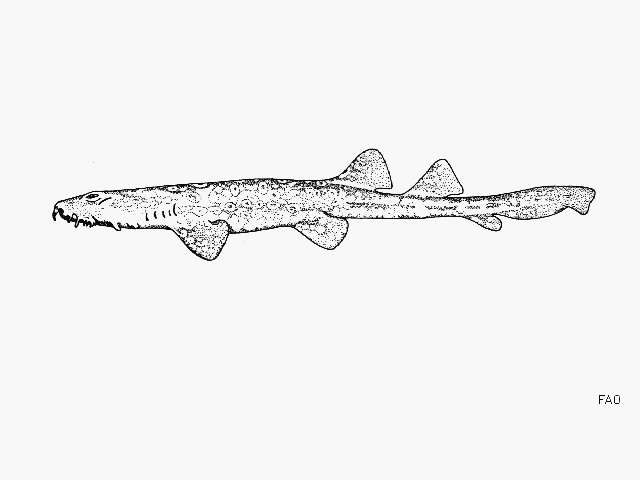
Trygonorrhina fasciata Müller and Henle, 1841 (Southern fiddler)
Common near the coast , on sandy bottoms and seagrass areas, often near rocky reefs . Ranges from the intertidal to 180 m . Ovoviviparous with golden egg capsules, each with up to 3 embryos . The flesh is good to eat, although only a small quantity is sold in seafood outlets .
Orectolobus maculatus (Bonnaterre, 1788) (Wobbegong)
The sluggish spotted wobbegong spends much of its day lying motionless on the bottom or hidden in caves, under overhangs or in shipwrecks. At night, the shark becomes more active, and swims, or moves about the sea floor, ...
Read More
Read More
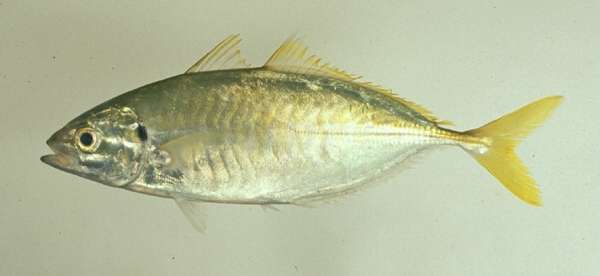
Atule mate (Cuvier, 1833) (Yellowtail scad)
Inhabit mangroves and coastal bays. Form schools , or singly . Pelagic . Mainly diurnal. Feed on crustaceans and cephalopods . Fast swimming in midwater in pursuit of zooplankton .
Atypichthys strigatus (Günther, 1860) (Australian mado)
A schooling species, particularly common on coastal reefs in southern New South Wales . Also commonly found under jetties in harbors and large estuaries .
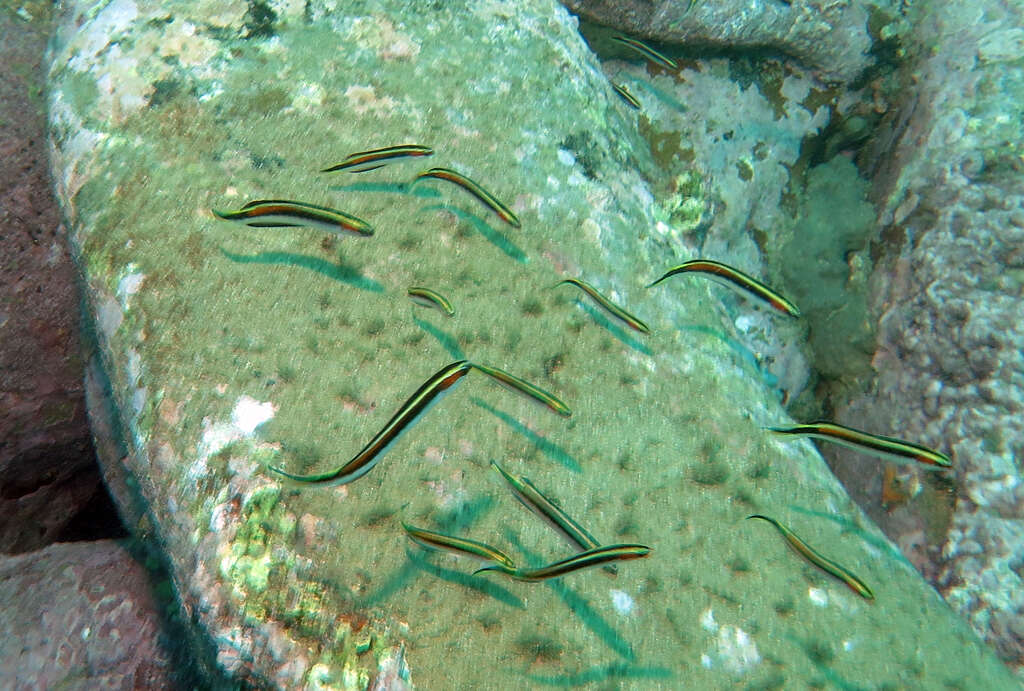
Trachinops taeniatus Günther, 1861 (Eastern hulafish)
Occurs inshore near reefs .
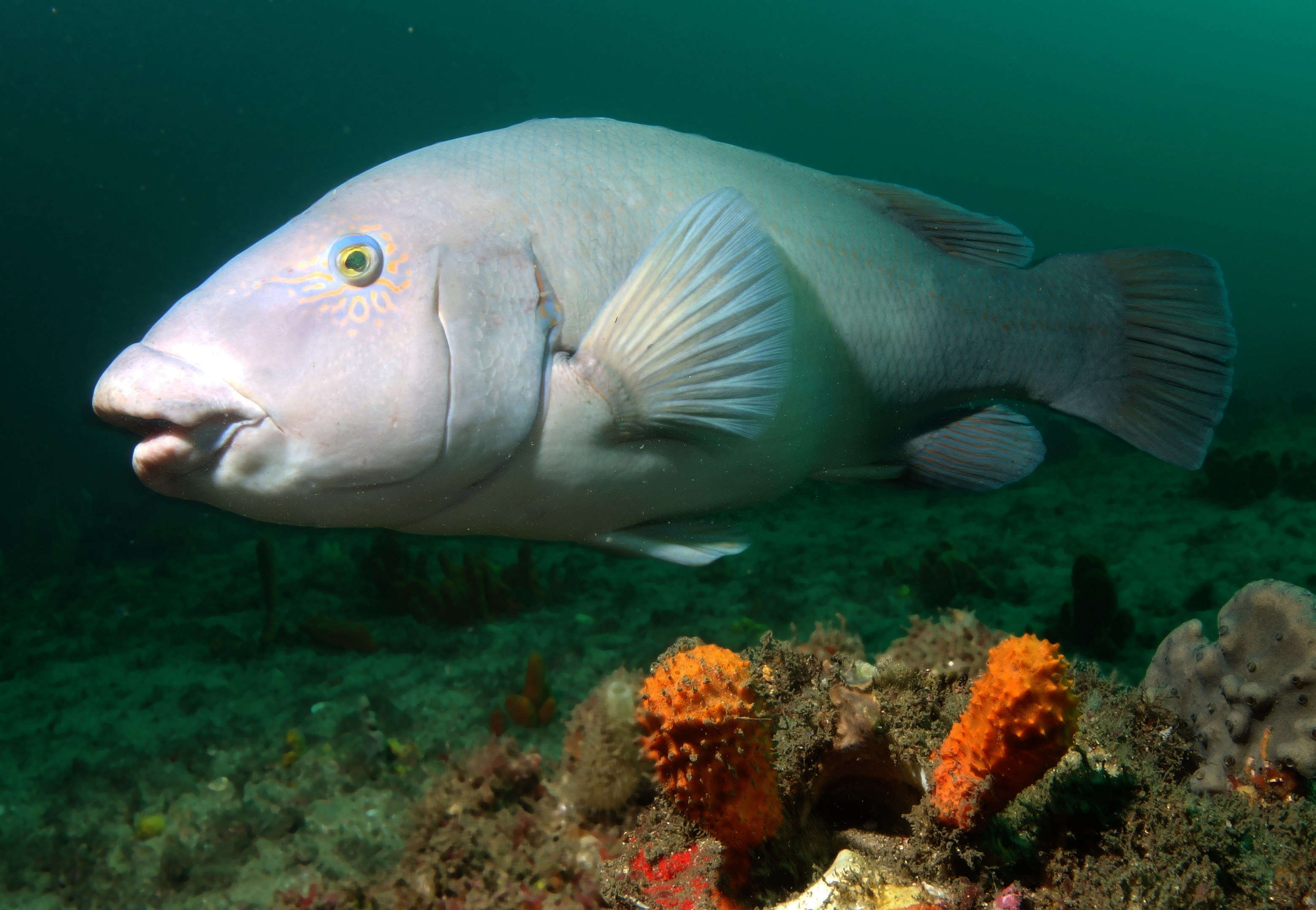
Achoerodus viridis (Steindachner, 1866) (Wrasse)
Found in coastal rocky areas at depths to about 40 m . Max. length for female species . Protogynous hermaphrodite .
Apogon limenus Randall & Hoese, 1988 (Sydney cardinalfish)
Found in rocky estuaries to offshore reefs, usually in small aggregations .
Goniistius fuscus (Castelnau, 1879) (Red morwong)
Adults found on exposed rocky reefs down to about 30 m; juveniles on coastal reefs, amongst algae.
Goniistius vestitus (Castelnau, 1879) (Crested morwong)
Occurs in inshore and offshore rocky and coral reefs .
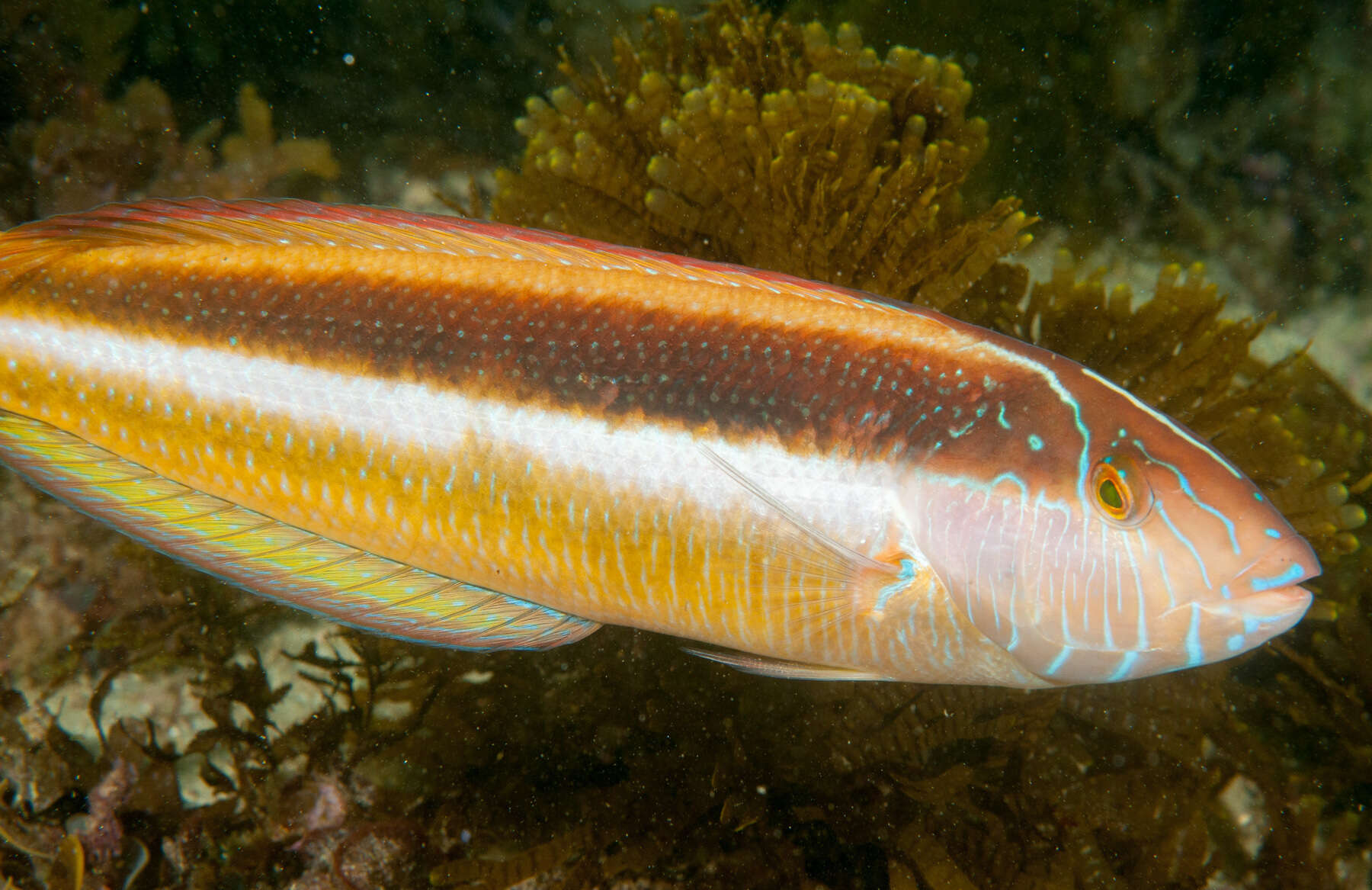
Ophthalmolepis lineolata (Valenciennes, 1839) (Maori wrasse)
Found in coastal bays to offshore reefs, often in loose aggregations .
Scorpaena cardinalis Solander & Richardson, 1842 (Red rock cod)
Inhabits rocks, crevices and caverns at all depths. Occasionally found in large rock pools in the lower littoral zone. Is nocturnally active and feeds mainly on small mobile benthic animals. Stalks its prey and swallows it whole .
Upeneichthys lineatus (Bloch and Schneider, 1801) (Blue-striped mullet)
Inhabits sheltered bays and harbors , on sand and rocky substrates . Form schools . Preys mainly on small crustaceans .
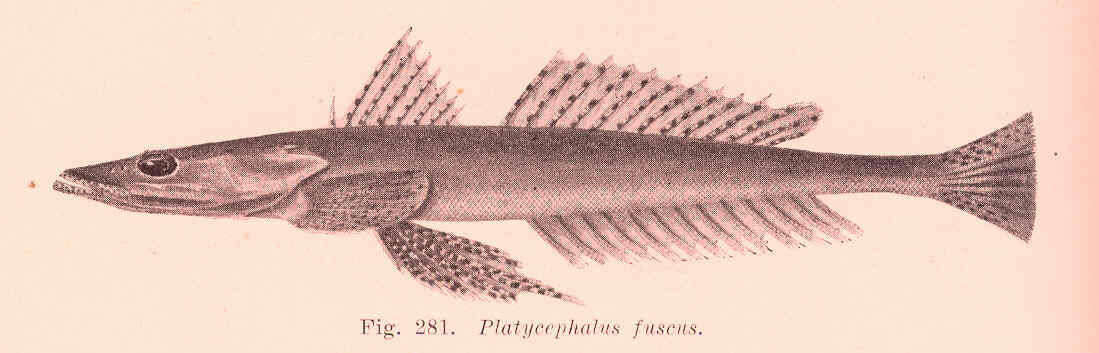
Platycephalus fuscus Cuvier, 1829 (Black flathead)
Generally inhabit shallow bays and inlets and can be found in estuaries as far as tidal limits ; they often invade freshwater. They occur over mud, silt gravel, sand and seagrass beds from intertidal areas to depths of 1...
Read More
Read More
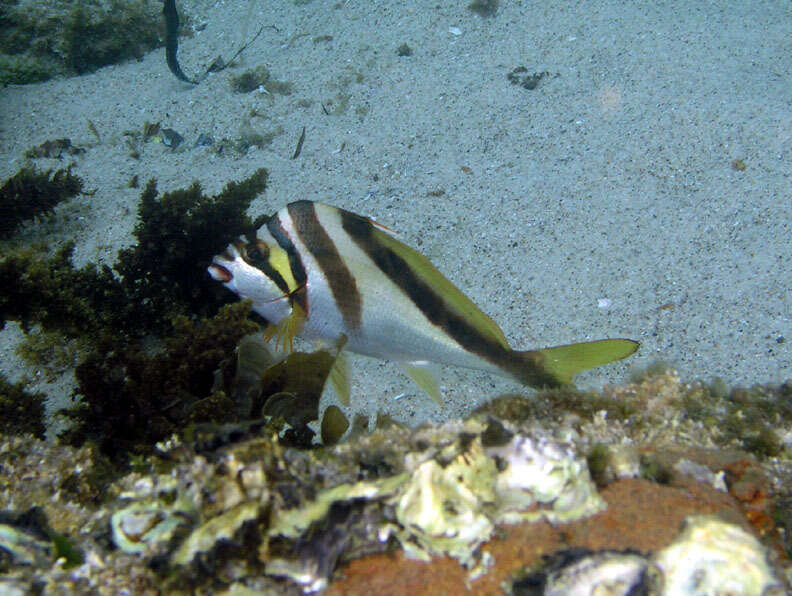
Enoplosus armatus (White, 1790) (Bastard dory)
Juveniles live in estuaries while adults occur in estuaries and on inshore and offshore rocky reefs and seagrass beds . Found either in large schools, in pairs or as solitary individuals . Neither anterolateral glandular groove nor venom gland is present .
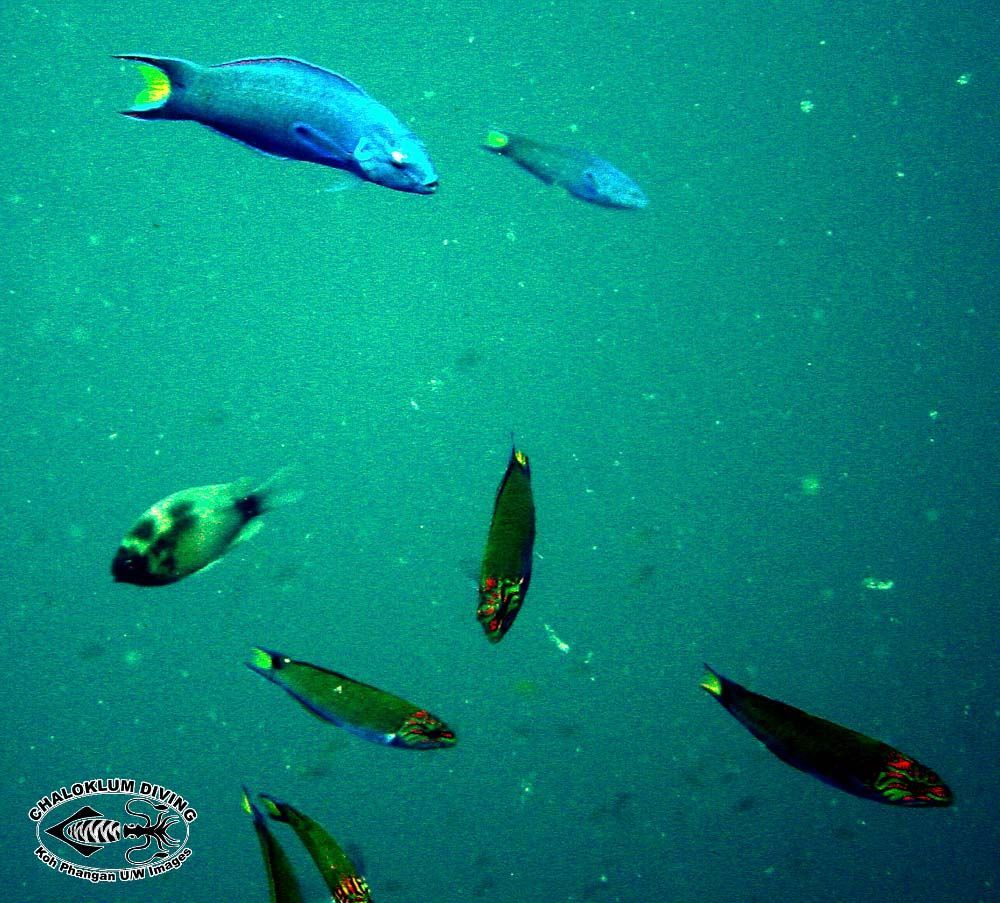
Thalassoma lunare (Linnaeus, 1758) (Blue wrasse)
Occurs in the upper portions of lagoon and coastal reefs, and in protected seaward reefs . Enters estuaries . Usually found on upper portions of ledges and heads . Feeds mainly on small benthic invertebrates and fish eggs . A protogynous hermaphrodite .
Aulopus purpurissatus Richardson, 1843 (Sergeant baker)
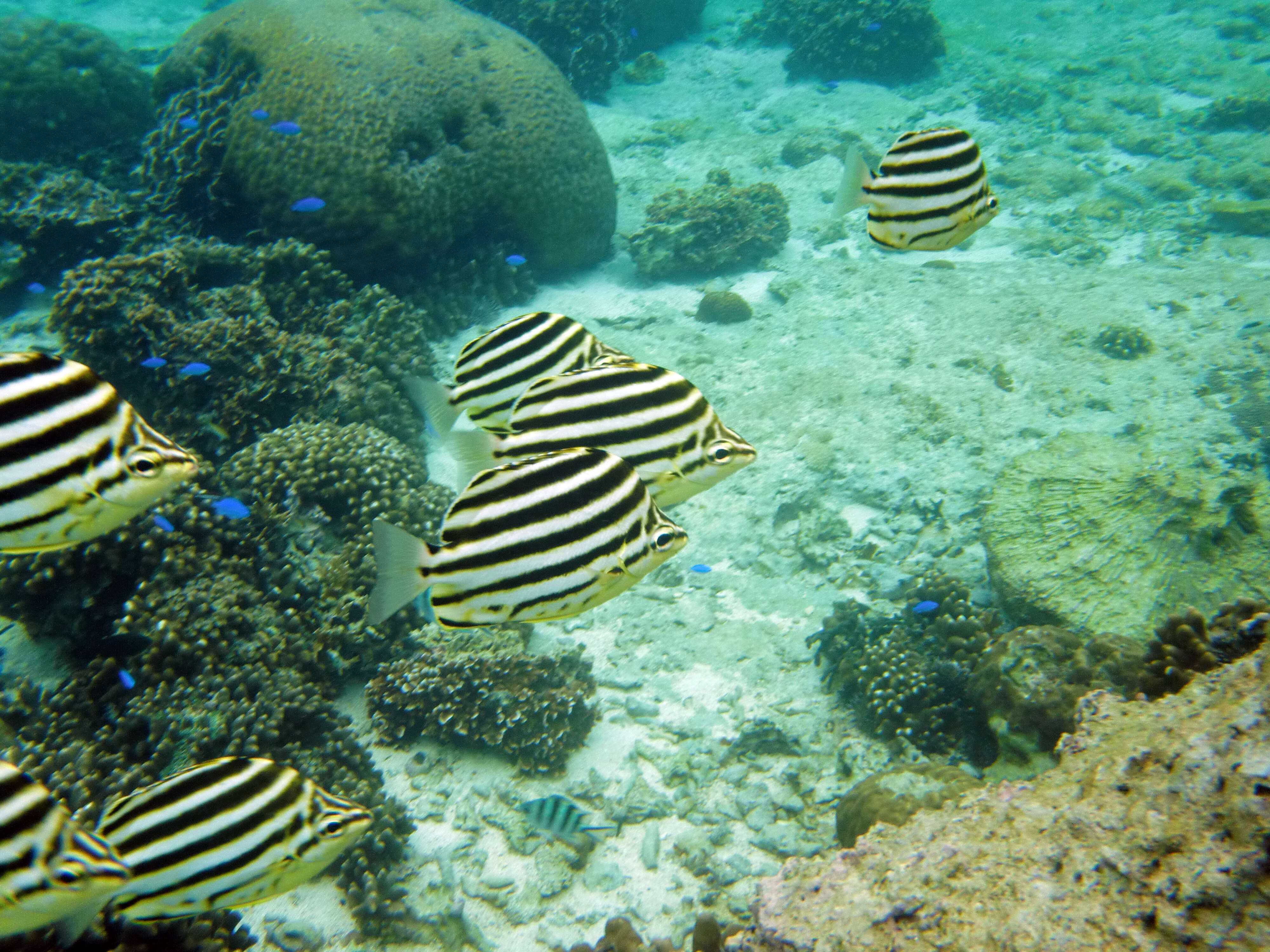
Microcanthus strigatus (Cuvier, 1831) (Butterflyfish)
Inhabits coastal and lagoon reefs . Found in dense aggregations under ledges and in caves during the day . Benthopelagic . Young feeds on small crustaceans and algae .
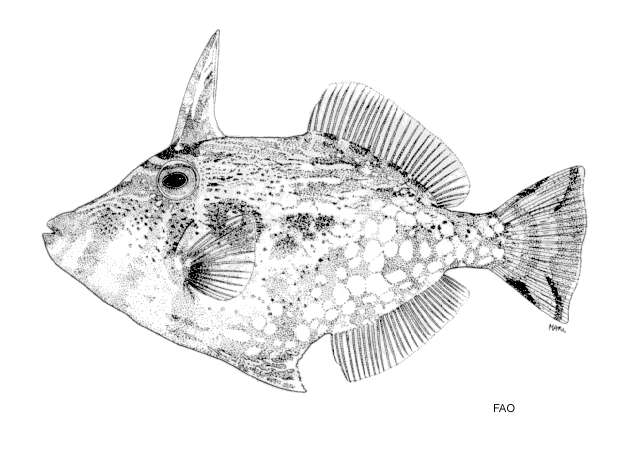
Scobinichthys granulatus (White, 1790) (Rough leatherjackets)
Found in seagrass beds and on rocky reefs. Females of this species may be confused with female Penicipelta vittiger [= Acanthaluteres vittiger] .
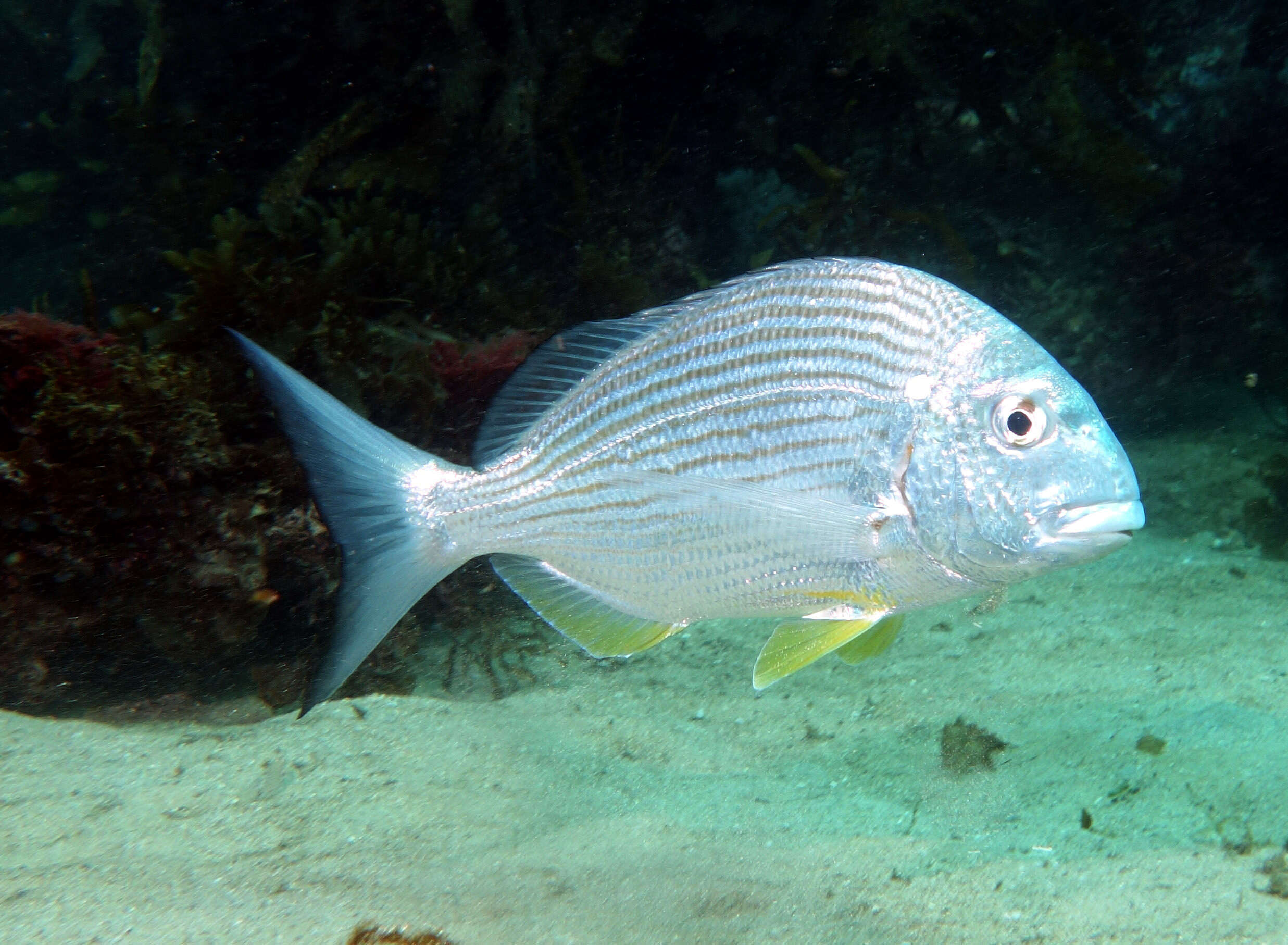
Rhabdosargus sarba (Forsskål, 1775) (Goldlined seabream)
Inhabit coastal waters , usually entering estuaries . Abundant in shallow water and often caught at the surf-line or in rock pools . Larger, solitary fish sometimes enter brackish mangrove areas . Juveniles in estuaries...
Read More
Read More
Crinodus lophodon (Günther, 1859) (Rock cale)
Found on shallow exposed rocky shores, aggregating in high-energy zone, just below foaming surface to depths of about 10 m . Feed on either loose or attached weeds and algae .
Girella tricuspidata (Quoy & Gaimard, 1824) (Luderick)
They favor estuarine , rocky reef and inshore, coastal water habitats . They flourish in seagrass areas . Ludericks are moderately sedentary, schooling fish. They are herbivorous and feed primarily on seagrasses . Fil...
Read More
Read More
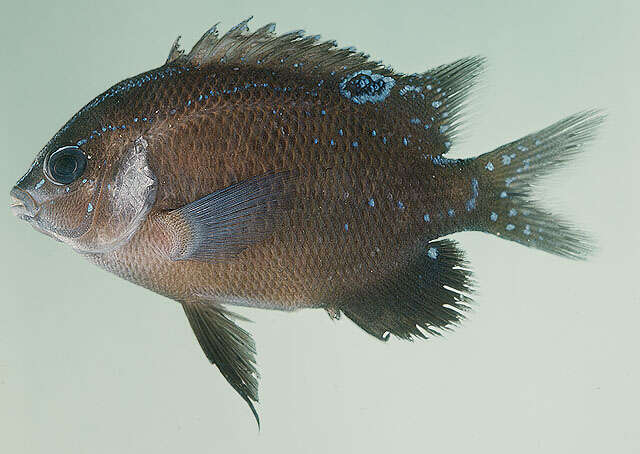
Parma microlepis Günther, 1862 (White-ear scalyfin)
Inhabits rocky reefs.
Mecaenichthys immaculatus (Ogilby, 1885) (Immaculate damsel)
Inhabits rocky or weedy inshore reefs.
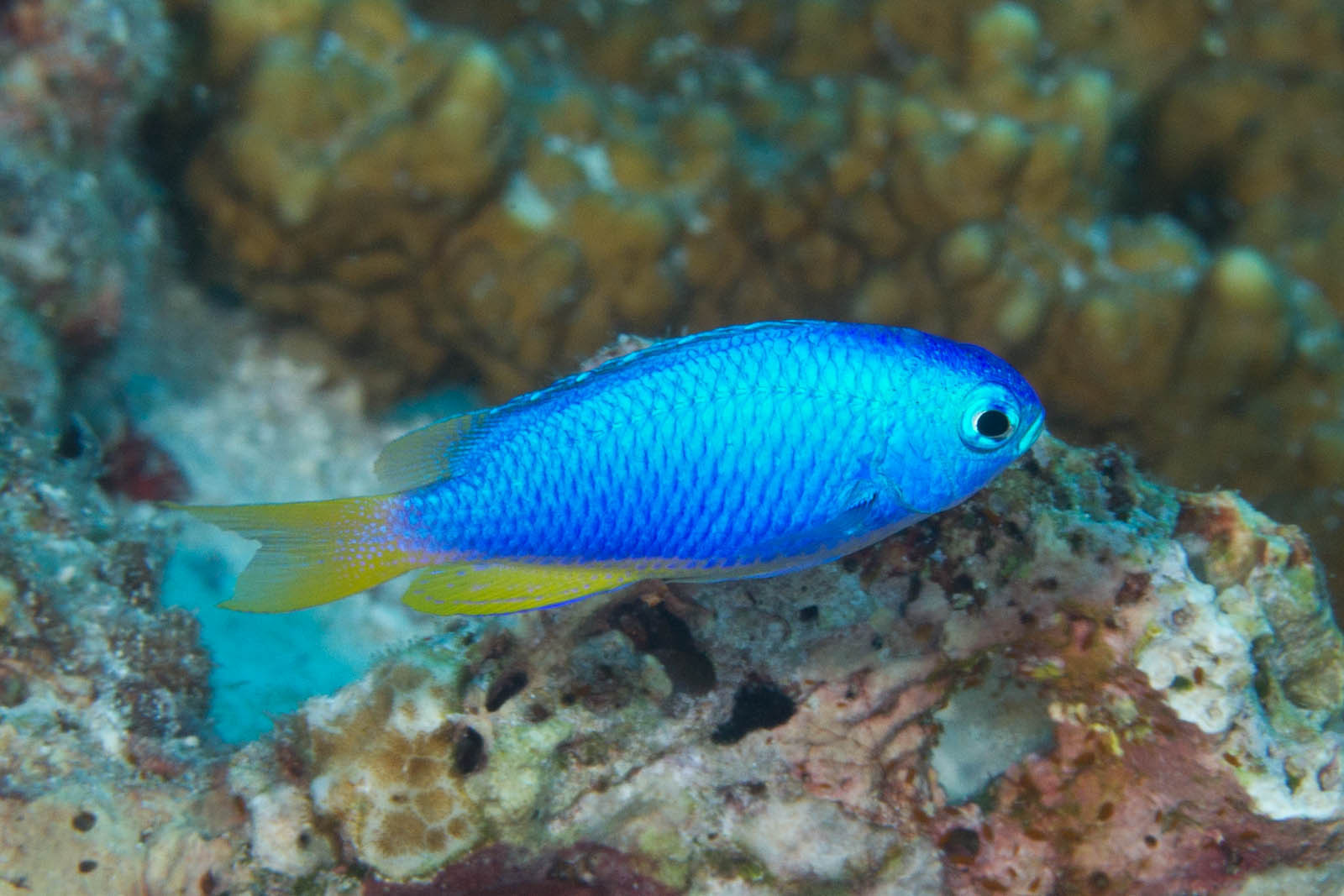
Pomacentrus coelestis Jordan and Starks, 1901 (Neon damsel)
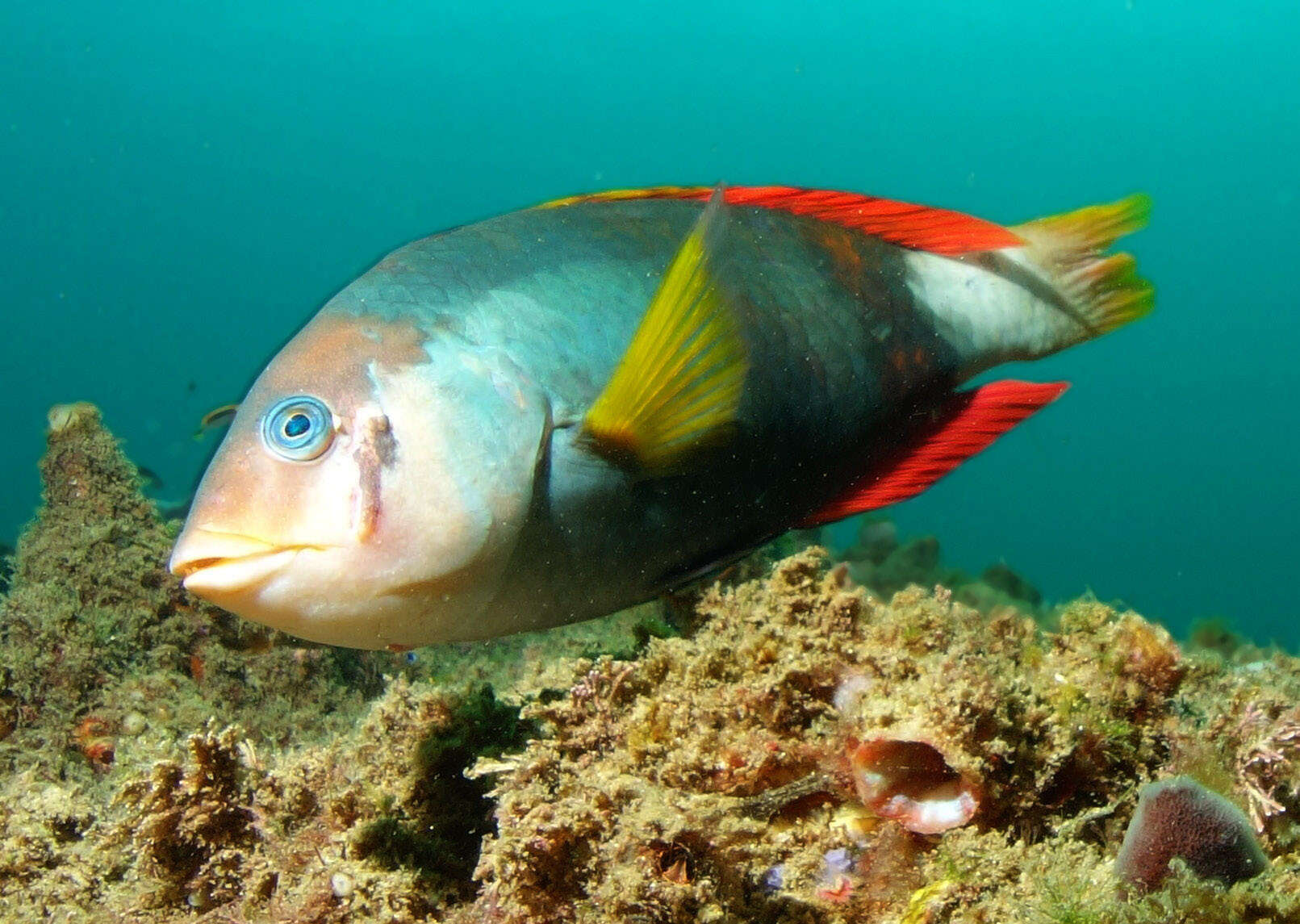
Notolabrus gymnogenis (Günther, 1862) (whitespotted parrotfish)
A common coastal reef fish collected from 15 m but may occur much deeper than this .
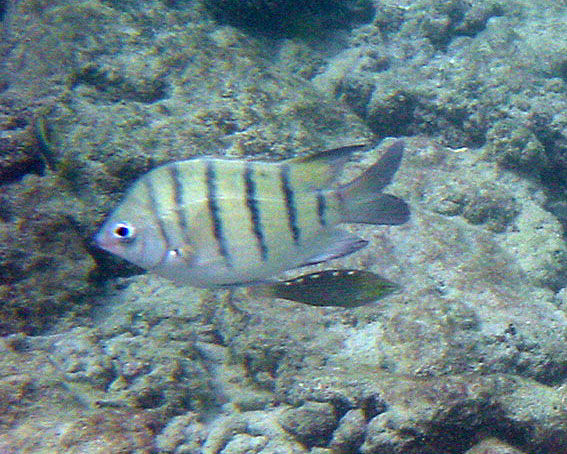
Abudefduf bengalensis (Bloch, 1787) (Bengal sergeant)
Occurs singly or in small groups in inshore reef and lagoon environments. Feeds on algae, gastropods, and small crabs. Highly territorial .
Share on Social Networks
- Facebook:

personalize your shared text as well as its destination (wall, page...) or send as a private message to a friend
- Twitter: Tweet personalize your tweet
- Google Plus:
Direct link to this dive
- Long link:
- Short link:


 We are participating today in the startup contest Techcrunch Disrupt. Support Diveboard by voting for us!
























































































