


 Pista
Pista


 Australia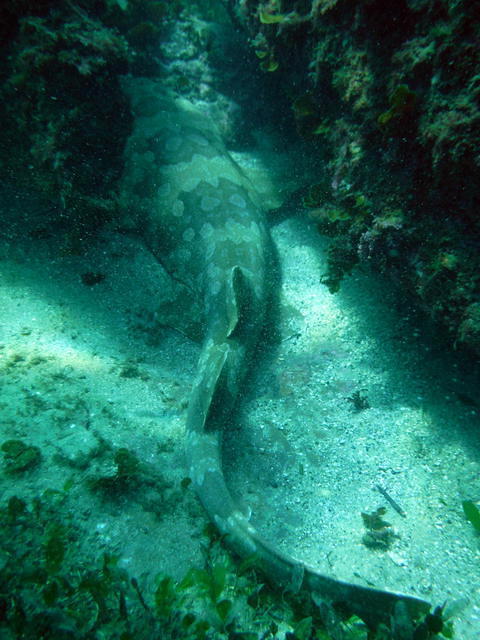
-
Nº193
 Date: 2017-04-29 - 11:46
-
 Max Depth: 7.5m Duration: 53mins
Dive Location

- Surface interval:76 mins
- Temp: Surf 21°C Bottom 21°C
- Dive type : Recreational
- Visibility: Good Water: Salt
Specific gear used
- Wet suit: Sharkskin - Long Sleeve
- Fins: Mares - Avanti Quattro+
- Boots: Adrenalin - 5mm
- Mask: Tabata / Tusa - Ceos Pro
- BCD: Aqualung - PRO HD
- Regulator: Aqualung - Core
- Computer: Suunto - D4i Novo
- Other: Mares - Mission 2C SPG
- Wet suit: Cressi Sub - Inferno 7mm
- Other: Mares - Compact buoy
- Knife: Tabata / Tusa - FK-11
- Light: Brinyte - Div11
- Weights: 7 kg
Recent Divers in Manly, NSW
Recent Pictures in Manly, NSW
Dive Shop & Buddies
 Dive with Pro Dive Manly

Link to this spot:
- Spot:
- Country:
- Area:
- Body of water:
Dive Profile
- 1. Air
- 11L Aluminium 218 → 122 bar
- Average depth: 4.8m
Data provided by EOL.org


Species Identified
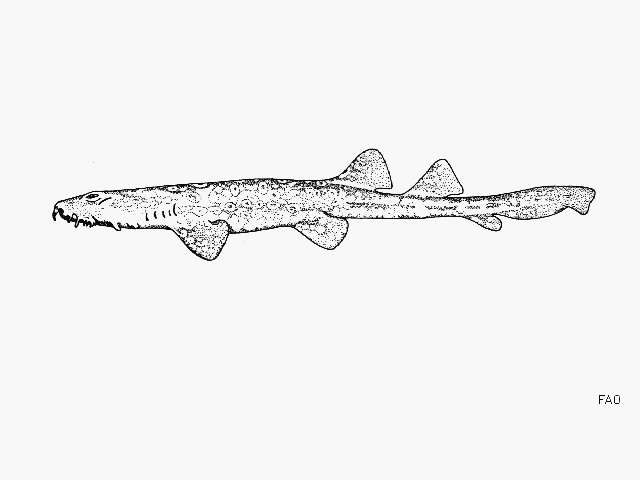
Orectolobus maculatus (Bonnaterre, 1788) (Wobbegong)
The sluggish spotted wobbegong spends much of its day lying motionless on the bottom or hidden in caves, under overhangs or in shipwrecks. At night, the shark becomes more active, and swims, or moves about the sea floor, ...
Read More
Read More
Carcharhinus obscurus (Lesueur, 1818) (dusky shark)
Scorpaena cardinalis Solander & Richardson, 1842 (Red rock cod)
Inhabits rocks, crevices and caverns at all depths. Occasionally found in large rock pools in the lower littoral zone. Is nocturnally active and feeds mainly on small mobile benthic animals. Stalks its prey and swallows it whole .
Girella tricuspidata (Quoy & Gaimard, 1824) (Luderick)
They favor estuarine , rocky reef and inshore, coastal water habitats . They flourish in seagrass areas . Ludericks are moderately sedentary, schooling fish. They are herbivorous and feed primarily on seagrasses . Fil...
Read More
Read More
Enoplosus armatus (White, 1790) (Bastard dory)
Juveniles live in estuaries while adults occur in estuaries and on inshore and offshore rocky reefs and seagrass beds . Found either in large schools, in pairs or as solitary individuals . Neither anterolateral glandular groove nor venom gland is present .
Crinodus lophodon (Günther, 1859) (Rock cale)
Found on shallow exposed rocky shores, aggregating in high-energy zone, just below foaming surface to depths of about 10 m . Feed on either loose or attached weeds and algae .
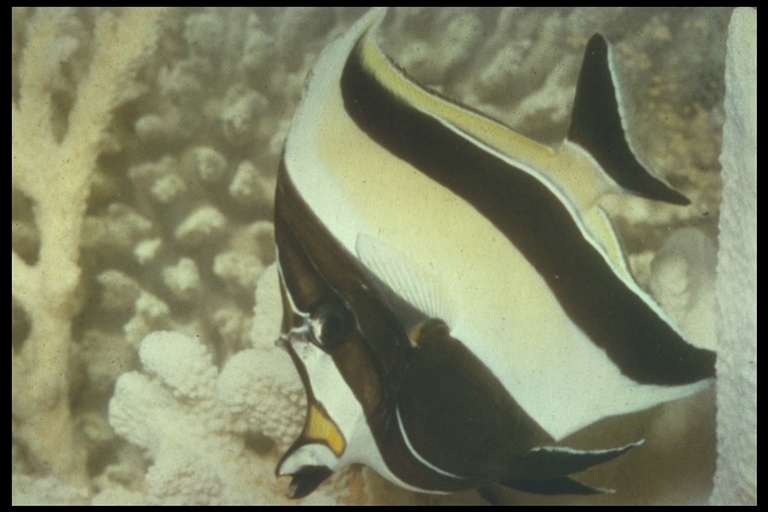
Zanclus cornutus (Linnaeus, 1758) (Moorish idol)
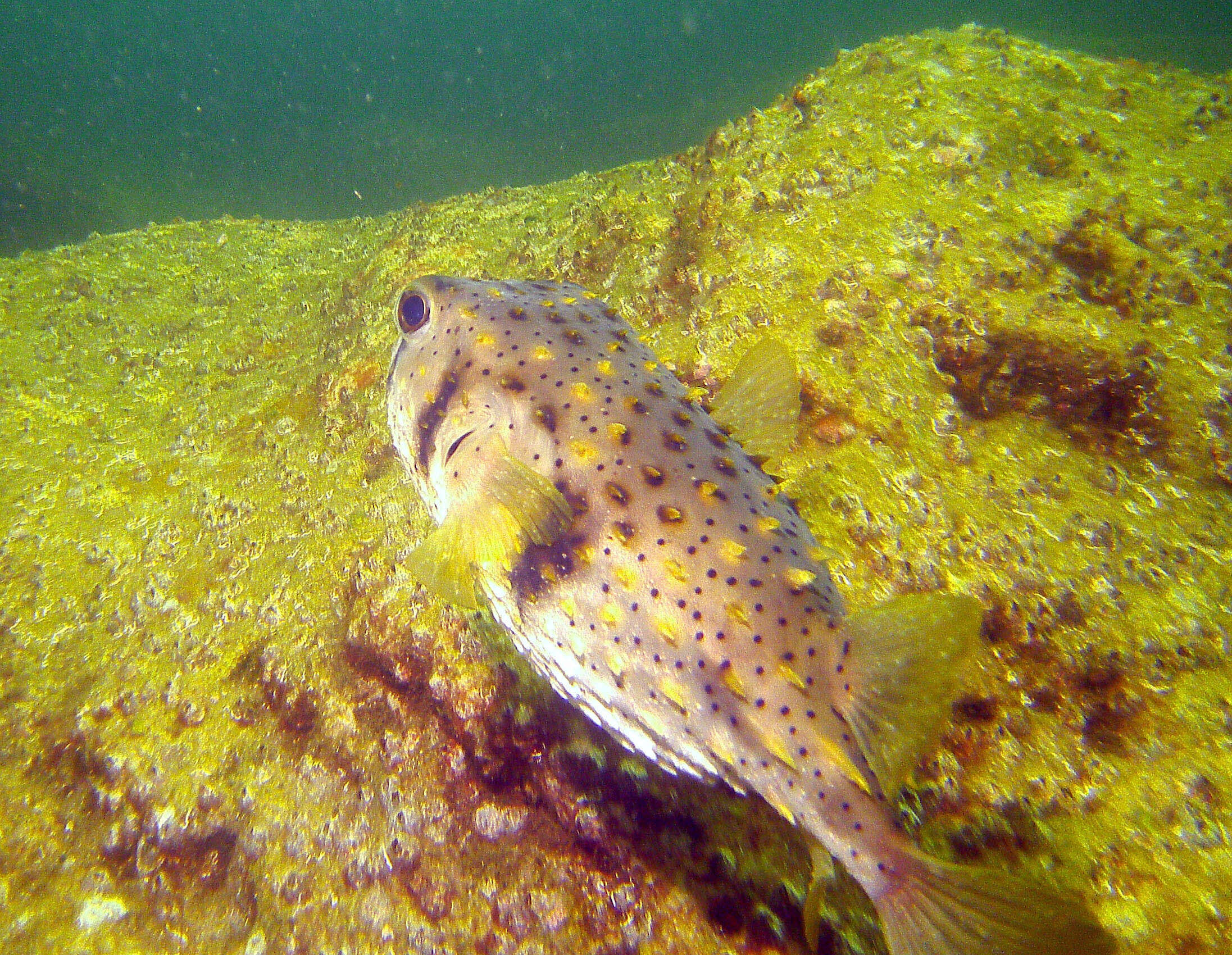
Dicotylichthys punctulatus Kaup, 1855 (Three-barred porcupinefish)
Found in estuarine, coastal and offshore reefs to a depth of 50 m. Nocturnal and solitary. Feeds on hard-shelled invertebrates. Not usually marketed.
Fistularia commersonii Rüppell, 1838 (Bluespotted cornetfish)
Aulopus purpurissatus Richardson, 1843 (Sergeant baker)
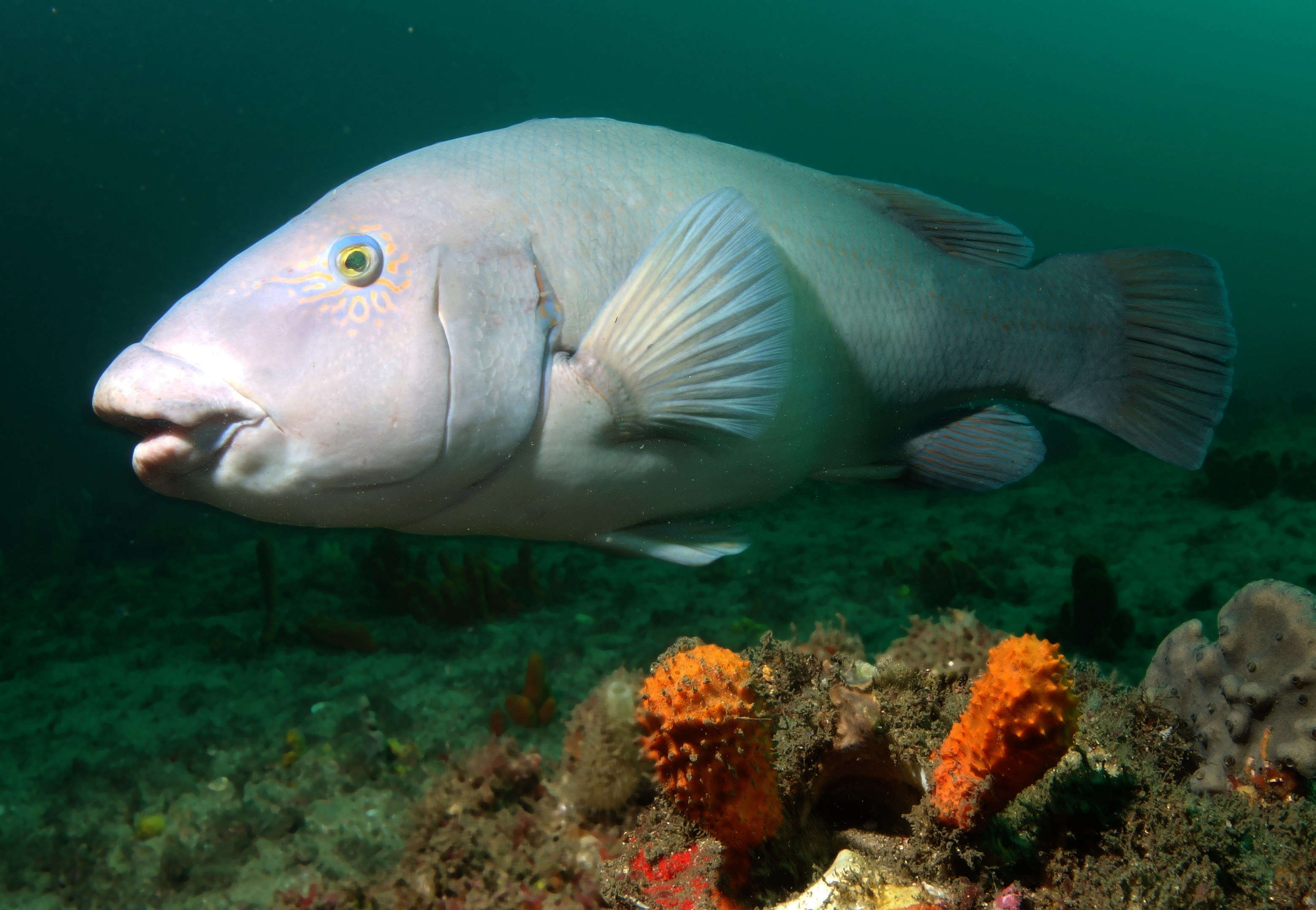
Achoerodus viridis (Steindachner, 1866) (Wrasse)
Found in coastal rocky areas at depths to about 40 m . Max. length for female species . Protogynous hermaphrodite .
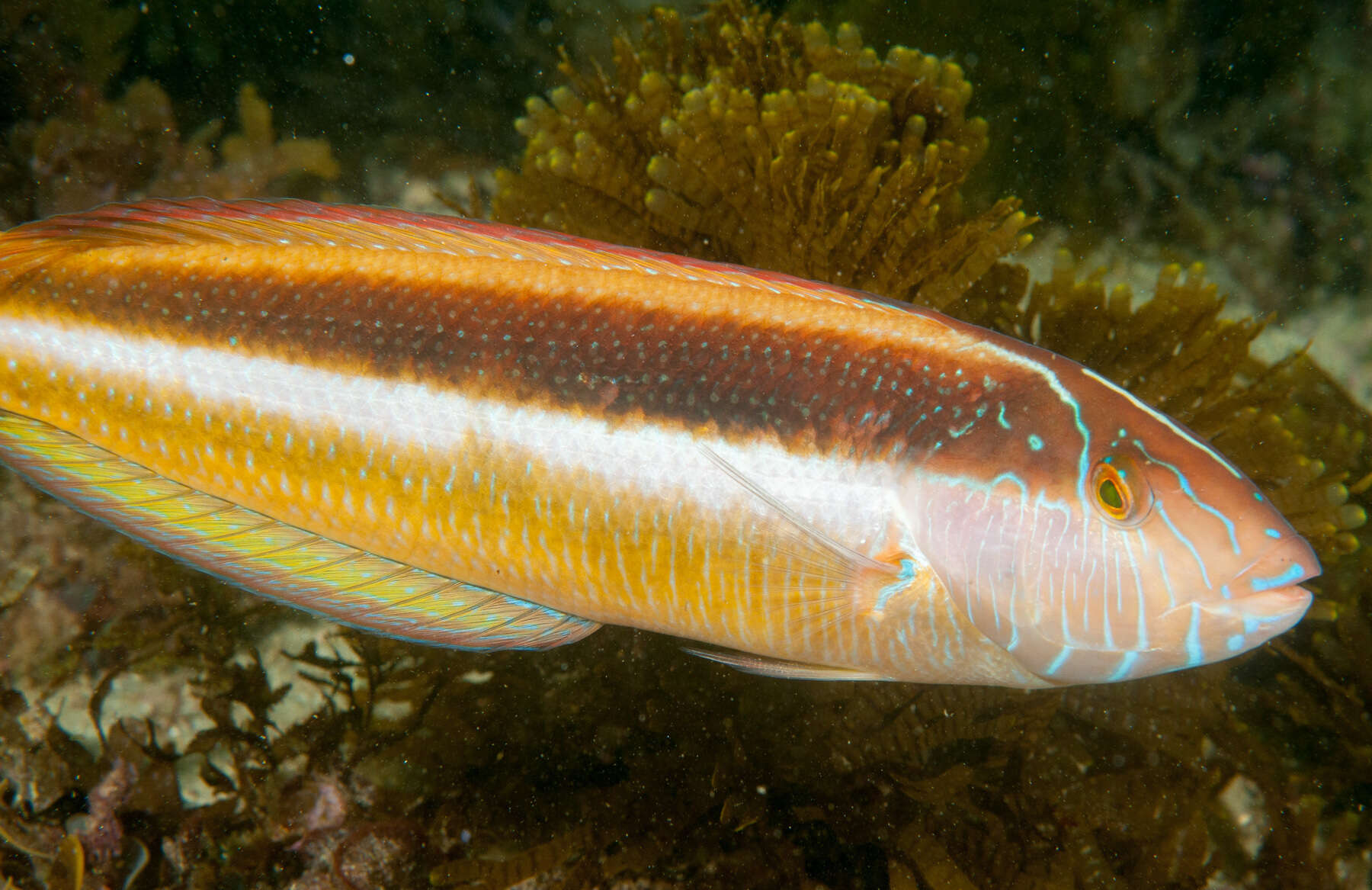
Ophthalmolepis lineolata (Valenciennes, 1839) (Maori wrasse)
Found in coastal bays to offshore reefs, often in loose aggregations .
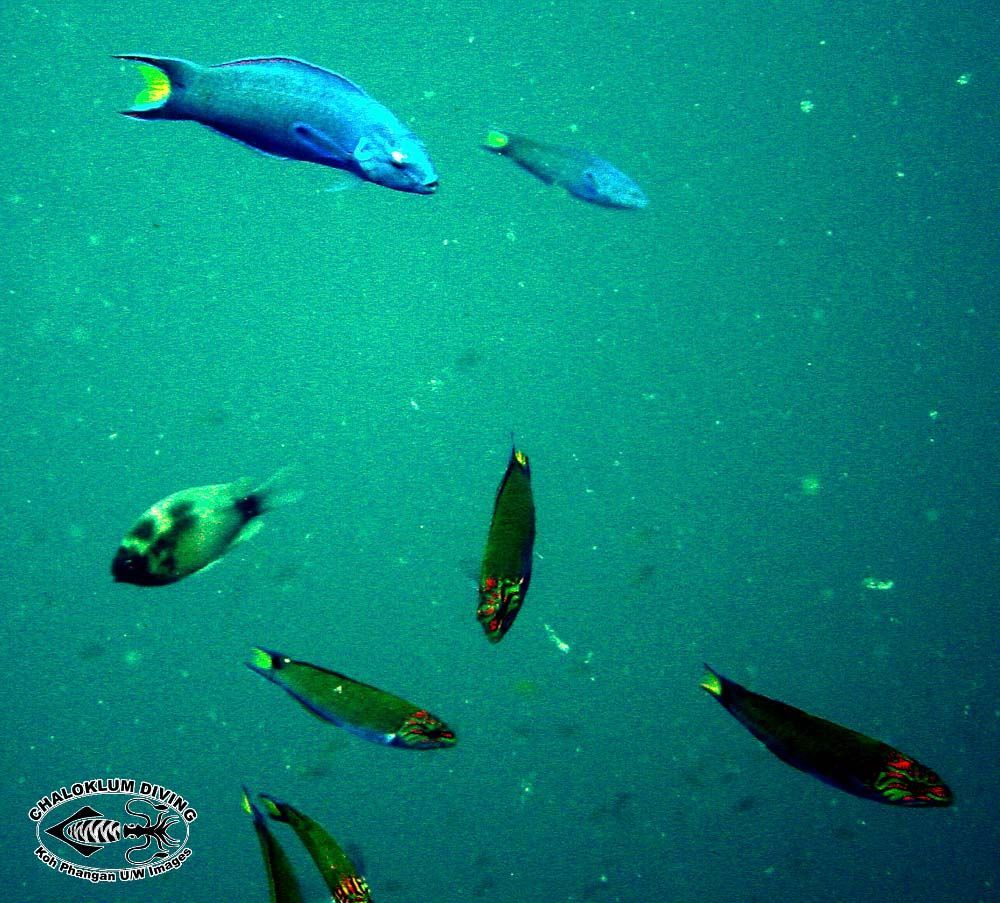
Thalassoma lunare (Linnaeus, 1758) (Blue wrasse)
Occurs in the upper portions of lagoon and coastal reefs, and in protected seaward reefs . Enters estuaries . Usually found on upper portions of ledges and heads . Feeds mainly on small benthic invertebrates and fish eggs . A protogynous hermaphrodite .
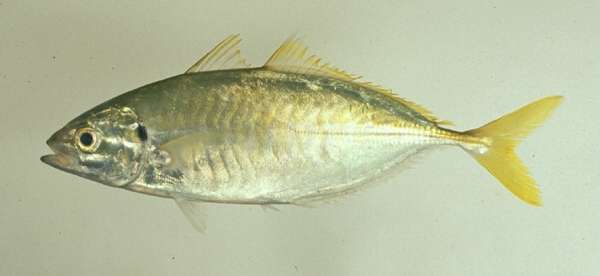
Atule mate (Cuvier, 1833) (Yellowtail scad)
Inhabit mangroves and coastal bays. Form schools , or singly . Pelagic . Mainly diurnal. Feed on crustaceans and cephalopods . Fast swimming in midwater in pursuit of zooplankton .
Arothron hispidus (Linnaeus, 1758) (White-spotted puffer)
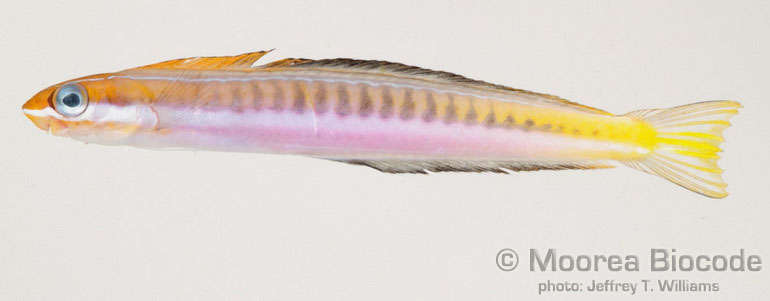
Plagiotremus tapeinosoma (Bleeker, 1857) (Piano fangblenny)
Inhabit clear lagoon and seaward reefs , usually the lower surge zone to deeper areas. Hide in deserted worm tubes when alarmed . Feed by attacking other fishes and removing dermal tissue, mucus and sometimes scales; oc...
Read More
Read More
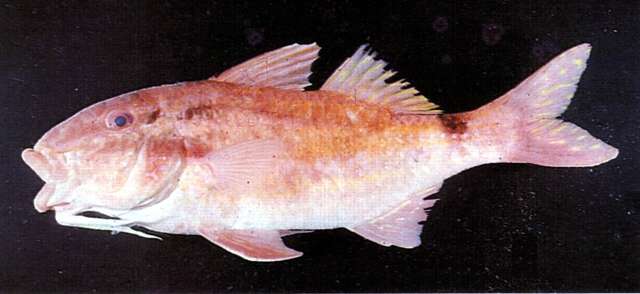
Parupeneus spilurus (Bleeker, 1854) (Japanese goatfish)
In Indonesia mainly found on deep reefs adjacent to strong currents. Usually occurs in small groups .
Share on Social Networks
- Facebook:

personalize your shared text as well as its destination (wall, page...) or send as a private message to a friend
- Twitter: Tweet personalize your tweet
- Google Plus:
Direct link to this dive
- Long link:
- Short link:


 We are participating today in the startup contest Techcrunch Disrupt. Support Diveboard by voting for us!
























































































