


 Robert Olive

 Australia
-
Nº32
 Date: 2016-04-02 - 07:50
-
 Max Depth: 11.6m Duration: 41mins
Pictures

No pictures for this dive
- Temp: Surf 25°C Bottom 22°C
- Dive type : Recreational
- Visibility: Average Water: Salt
Specific gear used
- BCD: Mares -
- Computer: Mares - Puck
- Fins: Mares -
- Mask: Scubapro -
- Boots:
- Wet suit: neptune - 5mm
- Weights: 9.5 kg
Dive reviews
| Overall review | ||
| Dive difficulty | ||
| Marine life quality | ||
| Big fish |
Recent Divers in Norah Head
Dive Shop & Buddies
 Dive with Darren from Scubology Dive Centre

Link to this spot:
- Spot:
- Country:
- Area:
- Body of water:
Dive Profile
- 1. Air
- 12L Aluminium 180 → 95 bar
- Average depth: 7.7m
Data provided by EOL.org


Species Identified
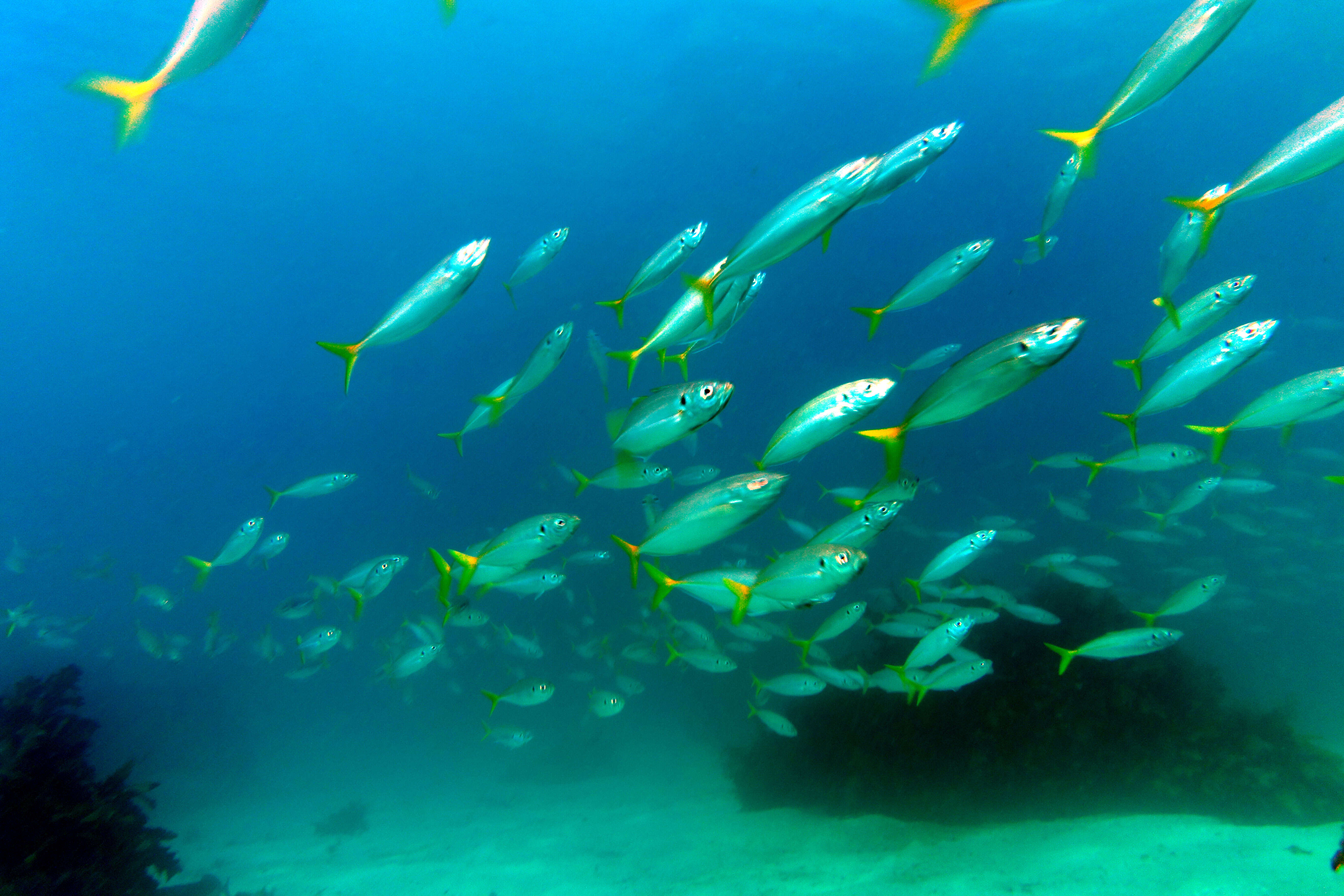
Trachurus novaezelandiae Richardson, 1843 (Yellowtail horse mackerel)
Occur in coastal waters, including estuaries , mostly in waters shallower than 150 m and warmer than 13°C . Commonly found on the bottom, in midwater and occasionally at the surface , in large schools . Adults are genera...
Read More
Read More
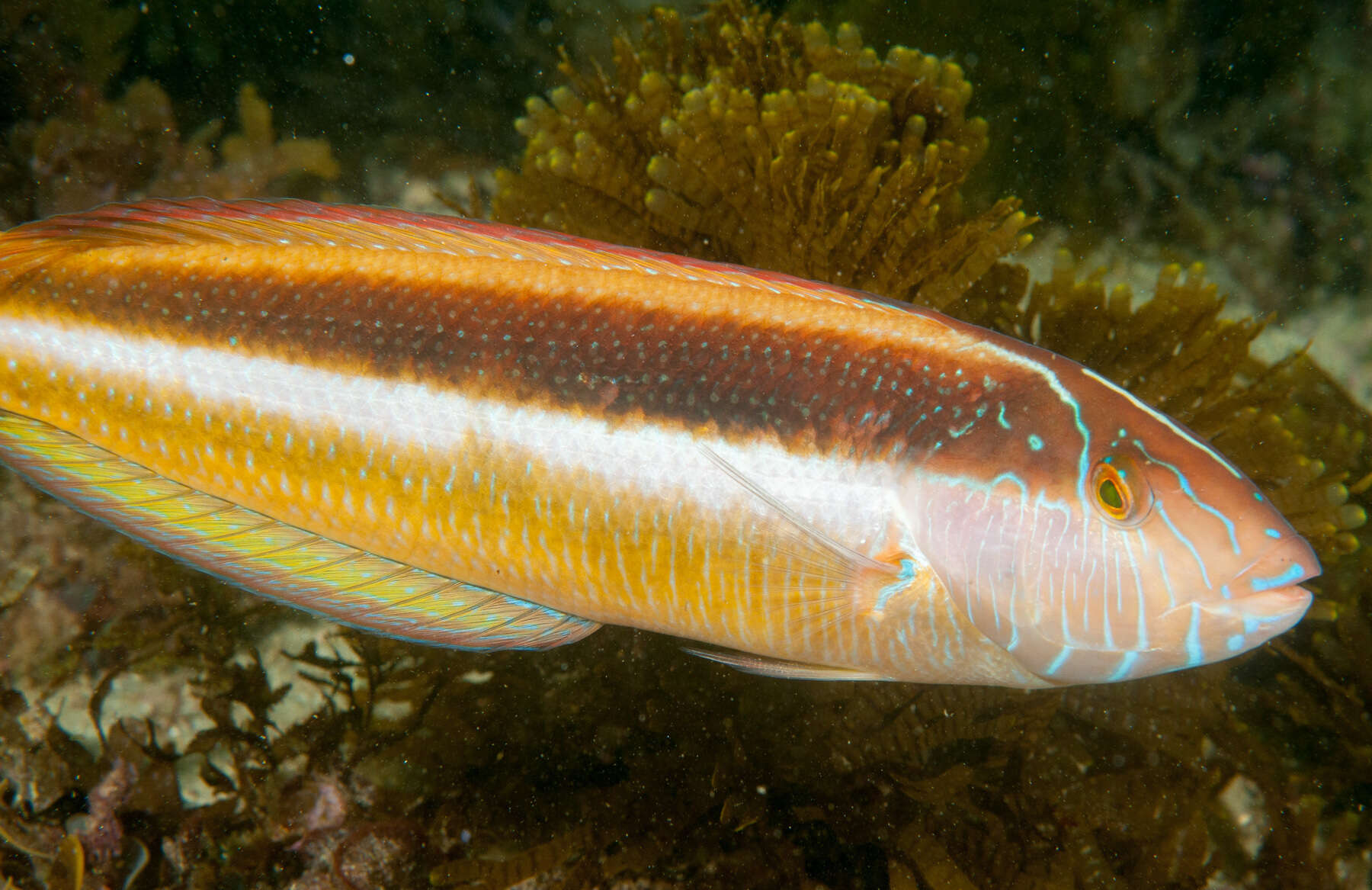
Ophthalmolepis lineolata (Valenciennes, 1839) (Maori wrasse)
Found in coastal bays to offshore reefs, often in loose aggregations .
Atypichthys strigatus (Günther, 1860) (Australian mado)
A schooling species, particularly common on coastal reefs in southern New South Wales . Also commonly found under jetties in harbors and large estuaries .
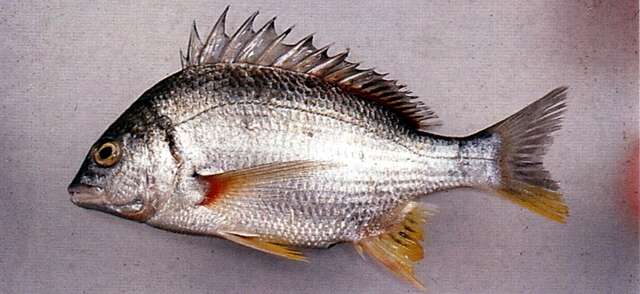
Acanthopagrus latus (Houttuyn, 1782) (Yellowfin seabream)
Occurs in shallow coastal waters and enters river mouths and estuaries. Schooling species; often feeds on tidal flats . Feeds mainly on echinoderms, worms, crustaceans and mollusks. Mainly exploited by artisanal fisheri...
Read More
Read More
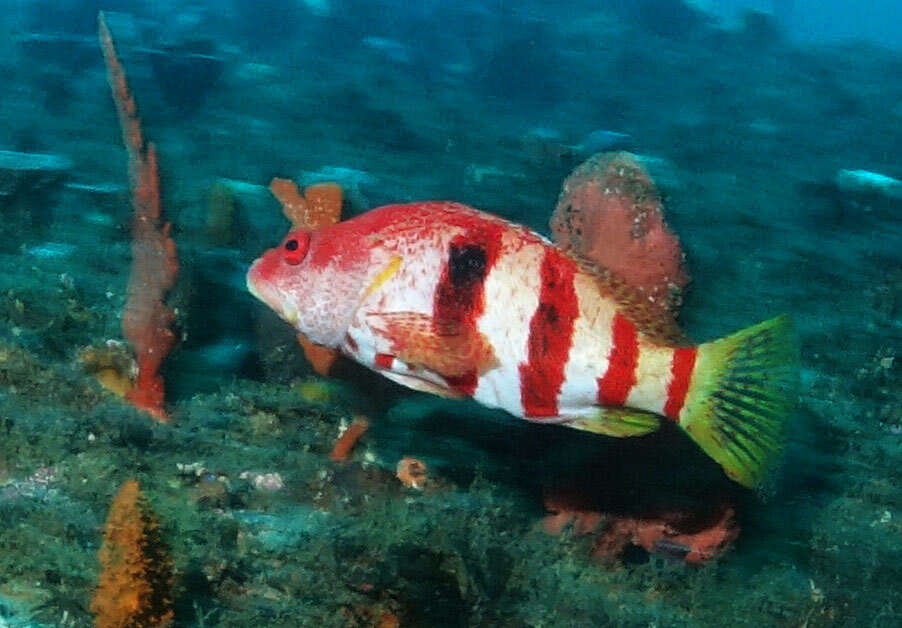
Aulopus purpurissatus Richardson, 1843 (Sergeant baker)
Hypoplectrodes nigroruber (Cuvier, 1828) (Black-banded sea perch)
Inhabits shallow coastal reefs to depths greater than 30 m . Solitary and feeds on small fishes .
Schuettea scalaripinnis Steindachner, 1866 (Eastern pomfred)
Schools are found in coastal bays, protected island coves, deeper part of large estuaries close to the sea entrance, and along rocky drop-offs with kelp .
Goniistius fuscus (Castelnau, 1879) (Red morwong)
Adults found on exposed rocky reefs down to about 30 m; juveniles on coastal reefs, amongst algae.
Crinodus lophodon (Günther, 1859) (Rock cale)
Found on shallow exposed rocky shores, aggregating in high-energy zone, just below foaming surface to depths of about 10 m . Feed on either loose or attached weeds and algae .
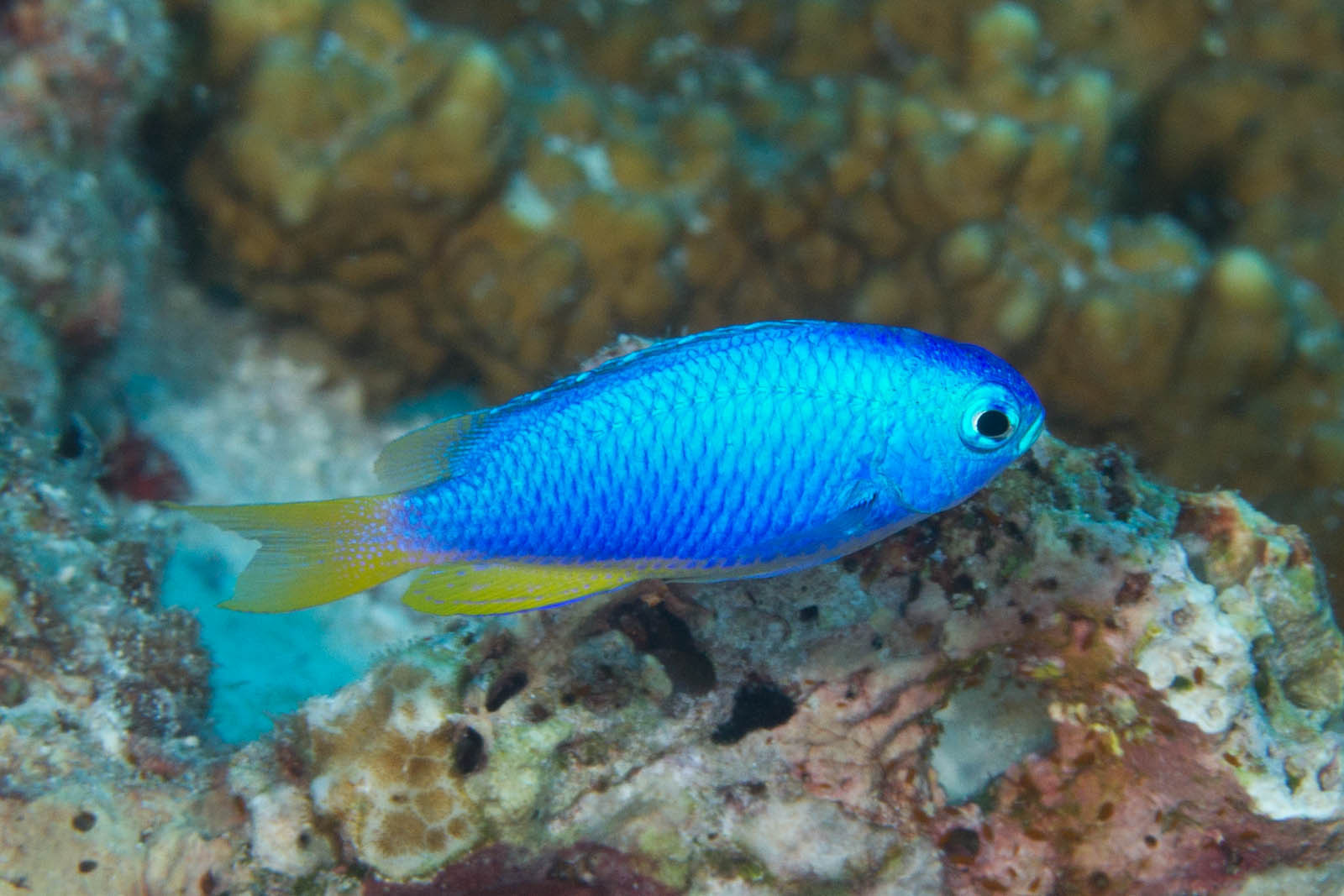
Pomacentrus coelestis Jordan and Starks, 1901 (Neon damsel)
Share on Social Networks
- Facebook:

personalize your shared text as well as its destination (wall, page...) or send as a private message to a friend
- Twitter: Tweet personalize your tweet
- Google Plus:
Direct link to this dive
- Long link:
- Short link:


 We are participating today in the startup contest Techcrunch Disrupt. Support Diveboard by voting for us!
























































































scubology club dive at flackrock. mixed visibility going from quite poor heading east, good visibility heading west towards shore and closer to the rock. some very nice swim through s on this dive, not much surge. Heaps of fish life on this dive, with many small schools of fish. Air consumption was good on this dive, buoyancy spot on. I had taken a little weight out, as the soft weights i had were labeled incorrectly.