


 Robert Olive

 Australia
-
Nº36
 Date: 2016-04-25 - 10:37
-
 Max Depth: 17.1m Duration: 60mins
Pictures

No pictures for this dive
- Temp: Bottom 22°C
- Dive type : Recreational
- Visibility: Average Water: Salt
Specific gear used
- BCD: Mares -
- Computer: Mares - Puck
- Fins: Mares -
- Mask: Scubapro -
- Boots:
- Wet suit: neptune - 5mm
- Weights: 9 kg
Dive reviews
| Overall review | ||
| Dive difficulty | ||
| Marine life quality |
Recent Divers in Nelson Bay
Recent Pictures in Nelson Bay
Dive Shop & Buddies
 Dive with Feet First Dive Pty Ltd
 Dive buddies:
Brett John
Dive buddies:
Brett John

Link to this spot:
- Spot:
- Country:
- Area:
- Body of water:
Dive Profile
- 1. Air
- 12L Steel 200 → 60 bar
- Average depth: 11.4m
Data provided by EOL.org


Species Identified
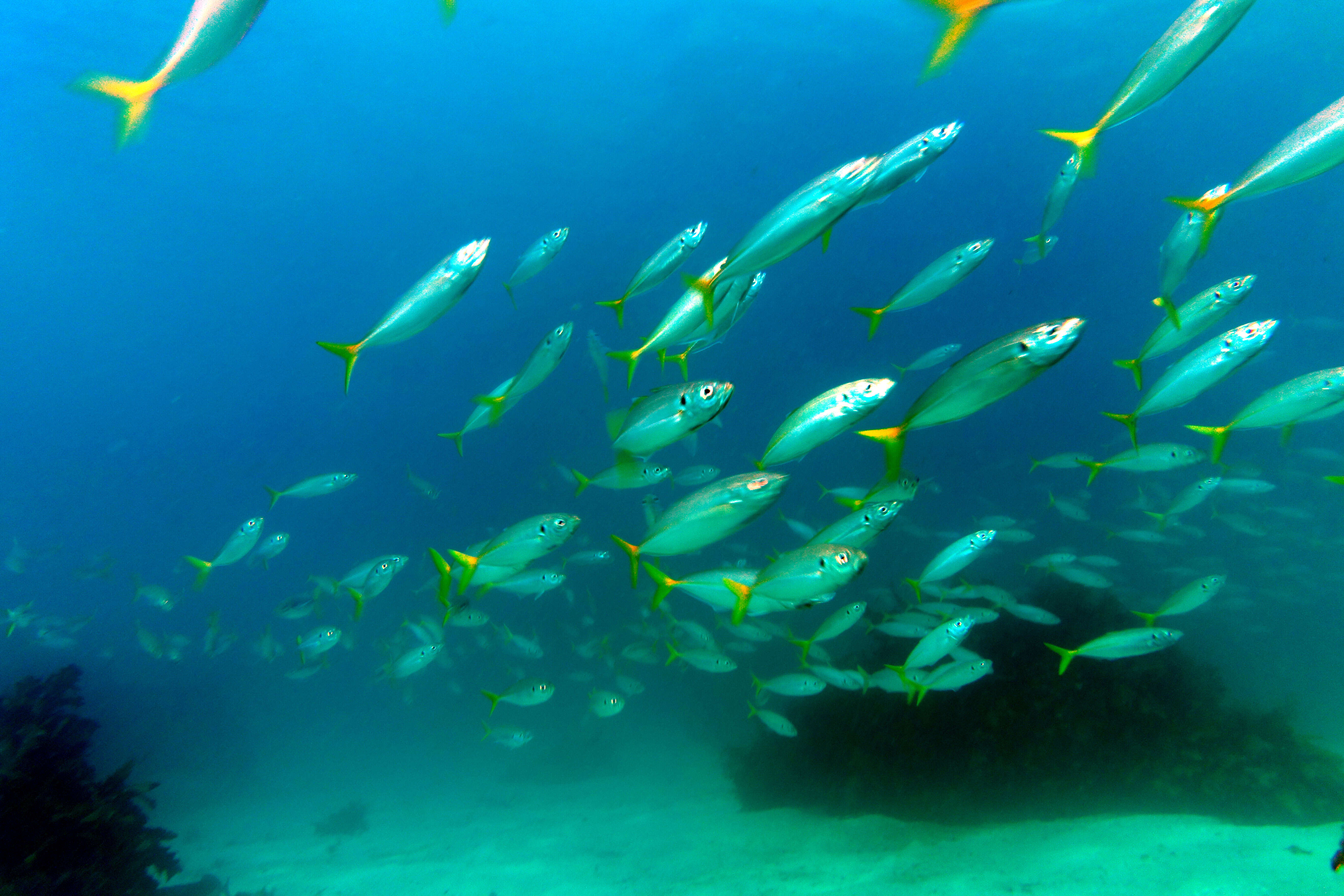
Trachurus novaezelandiae Richardson, 1843 (Yellowtail horse mackerel)
Occur in coastal waters, including estuaries , mostly in waters shallower than 150 m and warmer than 13°C . Commonly found on the bottom, in midwater and occasionally at the surface , in large schools . Adults are genera...
Read More
Read More
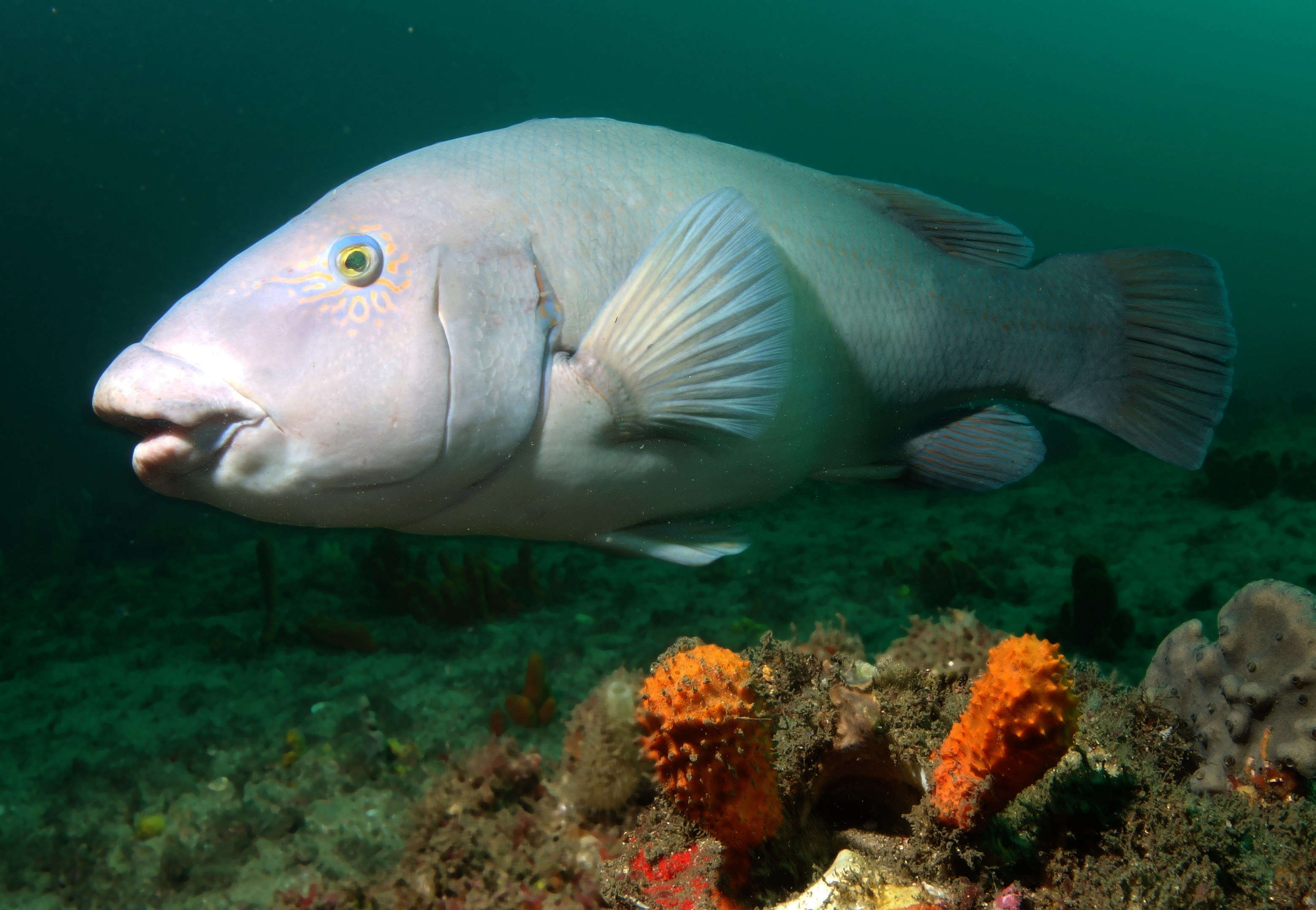
Achoerodus viridis (Steindachner, 1866) (Wrasse)
Found in coastal rocky areas at depths to about 40 m . Max. length for female species . Protogynous hermaphrodite .
Atypichthys strigatus (Günther, 1860) (Australian mado)
A schooling species, particularly common on coastal reefs in southern New South Wales . Also commonly found under jetties in harbors and large estuaries .
Enoplosus armatus (White, 1790) (Bastard dory)
Juveniles live in estuaries while adults occur in estuaries and on inshore and offshore rocky reefs and seagrass beds . Found either in large schools, in pairs or as solitary individuals . Neither anterolateral glandular groove nor venom gland is present .
Trygonoptera testacea Müller and Henle, 1841 (stingaree)
Found in sandy beaches and reefs but also well offshore. May venture well upstream in estuaries . Feeds on worms, crustaceans, bony fishes, and other stingarees .
Sepia apama Gray, 1849 (Australian giant cuttlefish)
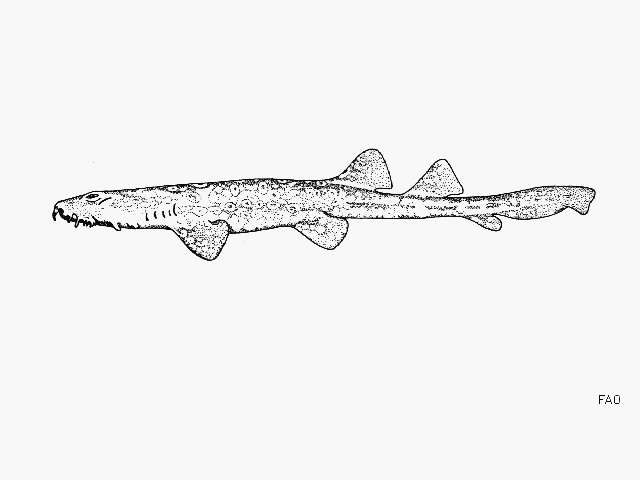
Orectolobus maculatus (Bonnaterre, 1788) (Wobbegong)
The sluggish spotted wobbegong spends much of its day lying motionless on the bottom or hidden in caves, under overhangs or in shipwrecks. At night, the shark becomes more active, and swims, or moves about the sea floor, ...
Read More
Read More
Goniistius fuscus (Castelnau, 1879) (Red morwong)
Adults found on exposed rocky reefs down to about 30 m; juveniles on coastal reefs, amongst algae.
Share on Social Networks
- Facebook:

personalize your shared text as well as its destination (wall, page...) or send as a private message to a friend
- Twitter: Tweet personalize your tweet
- Google Plus:
Direct link to this dive
- Long link:
- Short link:


 We are participating today in the startup contest Techcrunch Disrupt. Support Diveboard by voting for us!
























































































Social dive with Darren, Brett, Allison, Aidan and Trudi from feet first at Nelson Bay. Dive at fly point. Tons of marine life as per usual. Saw blind shark, wobbie's , heaps of nudi's. cuttlefish, massive snapper.