


 Robert Olive

 Australia
-
Nº35
 Date: 2016-04-09 - 09:59
-
 Max Depth: 15.1m Duration: 55mins
Pictures

No pictures for this dive
- Temp: Bottom 20°C
- Dive type : Recreational
- Visibility: Average Water: Salt
Specific gear used
- BCD: Mares -
- Computer: Mares - Puck
- Fins: Mares -
- Mask: Scubapro -
- Boots:
- Wet suit: neptune - 5mm
- Weights: 9.5 kg
Dive reviews
| Overall review | ||
| Dive difficulty | ||
| Marine life quality | ||
| Big fish |
Recent Divers in Nelson Bay
Dive Shop & Buddies
 Dive with Adam from Scubology Dive Centre
 Dive buddies:
Brett John
Dive buddies:
Brett John

Link to this spot:
- Spot:
- Country:
- Area:
- Body of water:
Dive Profile
- 1. Air
- 12L Aluminium 200 → 40 bar
- Average depth: 10.1m
Data provided by EOL.org




Species Identified
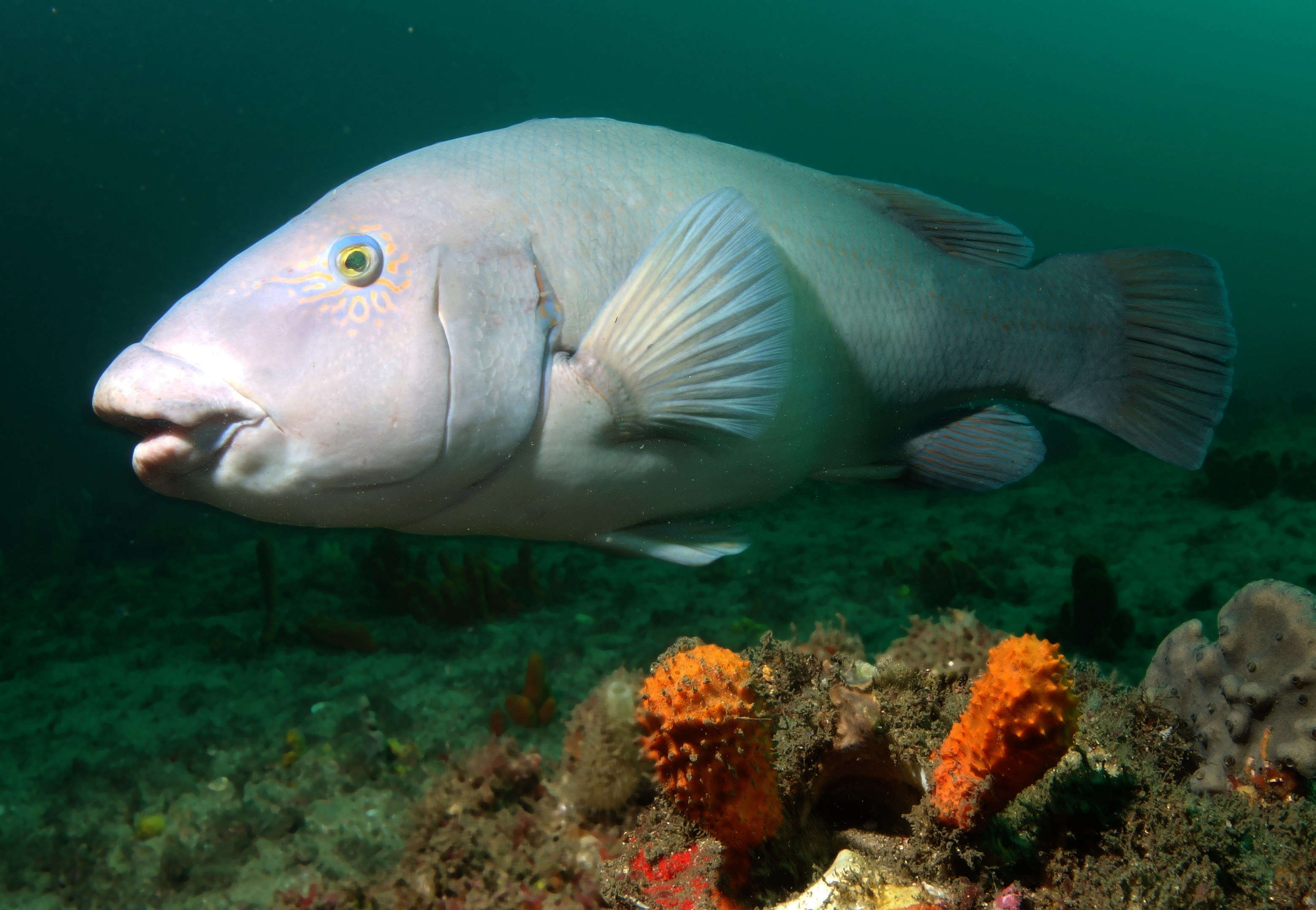
Achoerodus viridis (Steindachner, 1866) (Wrasse)
Found in coastal rocky areas at depths to about 40 m . Max. length for female species . Protogynous hermaphrodite .
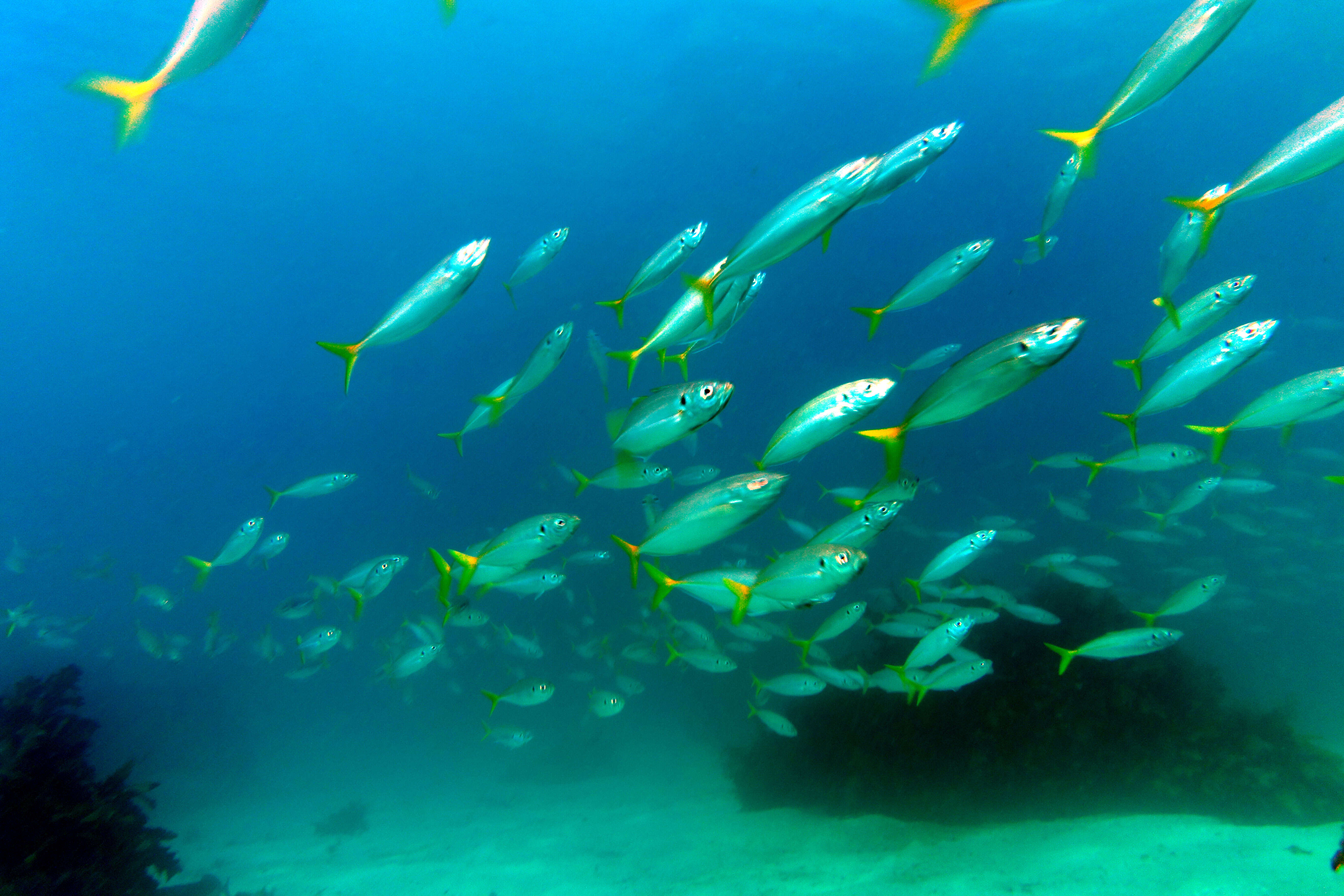
Trachurus novaezelandiae Richardson, 1843 (Yellowtail horse mackerel)
Occur in coastal waters, including estuaries , mostly in waters shallower than 150 m and warmer than 13°C . Commonly found on the bottom, in midwater and occasionally at the surface , in large schools . Adults are genera...
Read More
Read More
Trygonorrhina fasciata Müller and Henle, 1841 (Southern fiddler)
Common near the coast , on sandy bottoms and seagrass areas, often near rocky reefs . Ranges from the intertidal to 180 m . Ovoviviparous with golden egg capsules, each with up to 3 embryos . The flesh is good to eat, although only a small quantity is sold in seafood outlets .
Atypichthys strigatus (Günther, 1860) (Australian mado)
A schooling species, particularly common on coastal reefs in southern New South Wales . Also commonly found under jetties in harbors and large estuaries .
Enoplosus armatus (White, 1790) (Bastard dory)
Juveniles live in estuaries while adults occur in estuaries and on inshore and offshore rocky reefs and seagrass beds . Found either in large schools, in pairs or as solitary individuals . Neither anterolateral glandular groove nor venom gland is present .
Aulopus purpurissatus Richardson, 1843 (Sergeant baker)
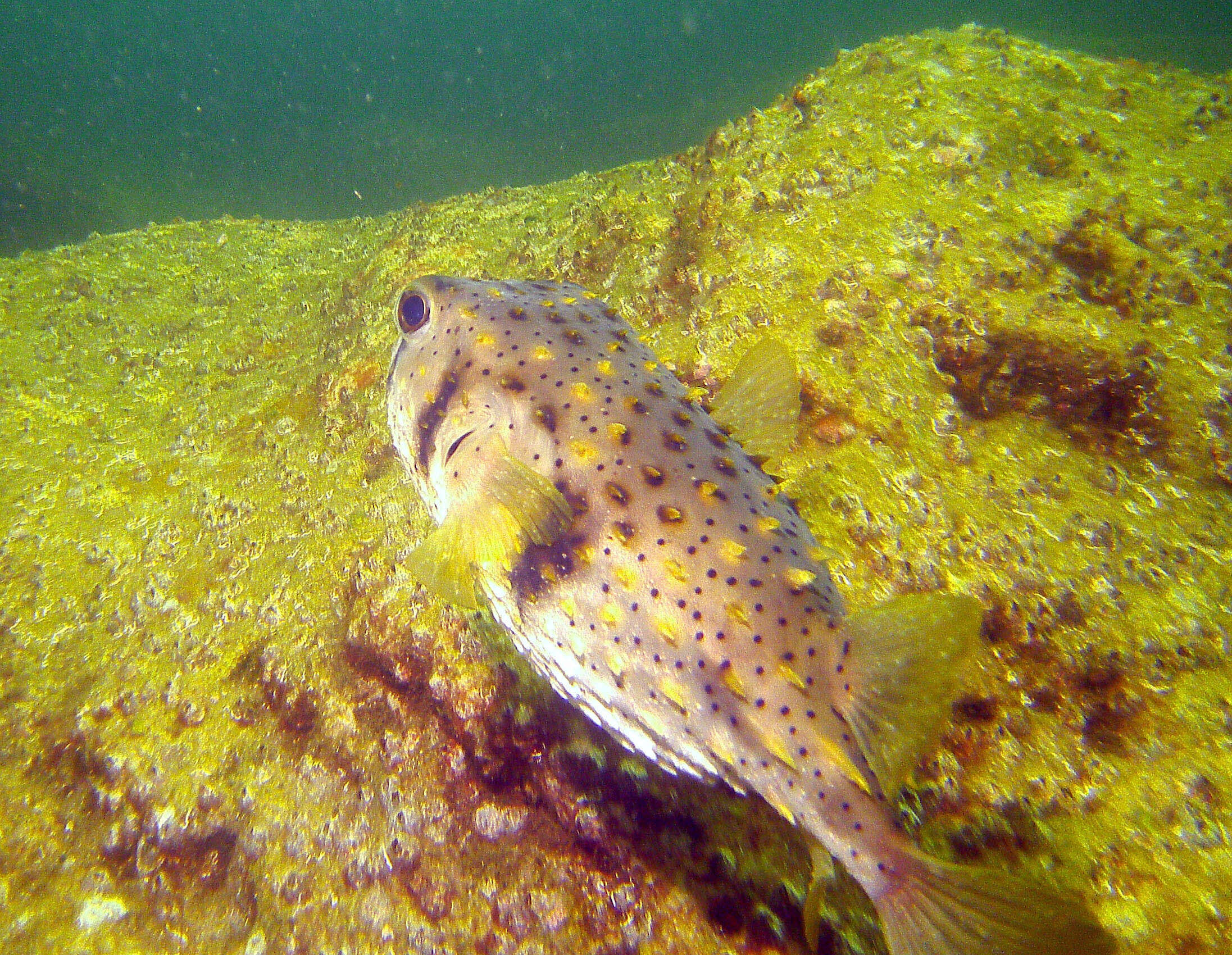
Dicotylichthys punctulatus Kaup, 1855 (Three-barred porcupinefish)
Found in estuarine, coastal and offshore reefs to a depth of 50 m. Nocturnal and solitary. Feeds on hard-shelled invertebrates. Not usually marketed.
Goniistius fuscus (Castelnau, 1879) (Red morwong)
Adults found on exposed rocky reefs down to about 30 m; juveniles on coastal reefs, amongst algae.
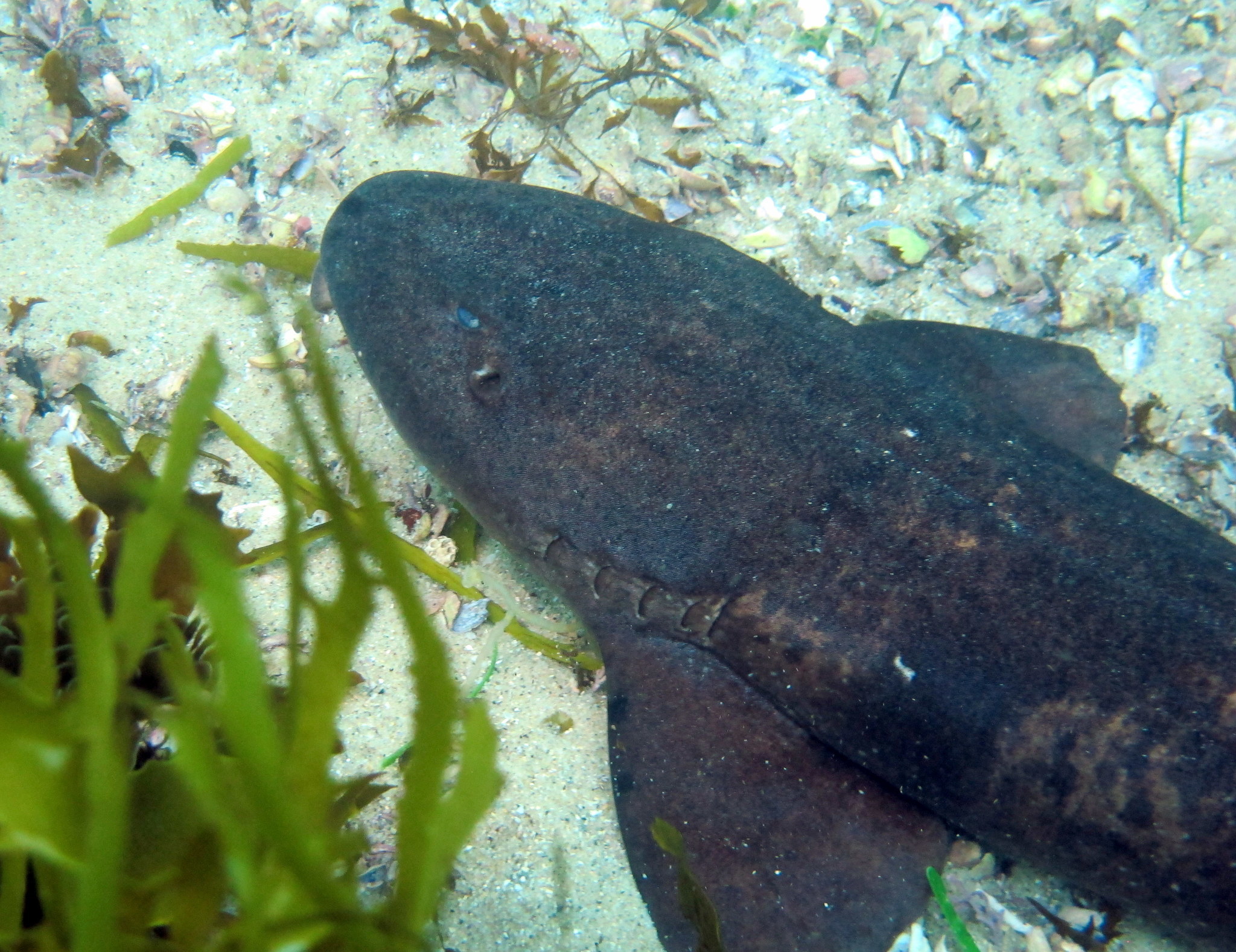
Orectolobus maculatus (Bonnaterre, 1788) (Wobbegong)
The sluggish spotted wobbegong spends much of its day lying motionless on the bottom or hidden in caves, under overhangs or in shipwrecks. At night, the shark becomes more active, and swims, or moves about the sea floor, ...
Read More
Read More
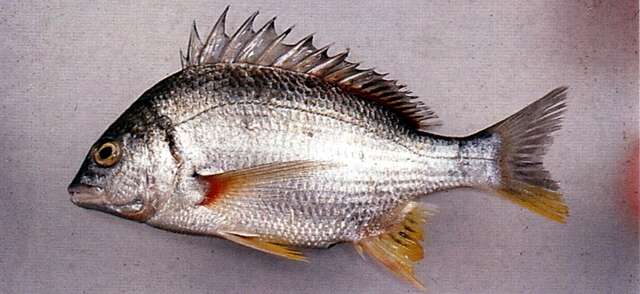
Acanthopagrus latus (Houttuyn, 1782) (Yellowfin seabream)
Occurs in shallow coastal waters and enters river mouths and estuaries. Schooling species; often feeds on tidal flats . Feeds mainly on echinoderms, worms, crustaceans and mollusks. Mainly exploited by artisanal fisheri...
Read More
Read More
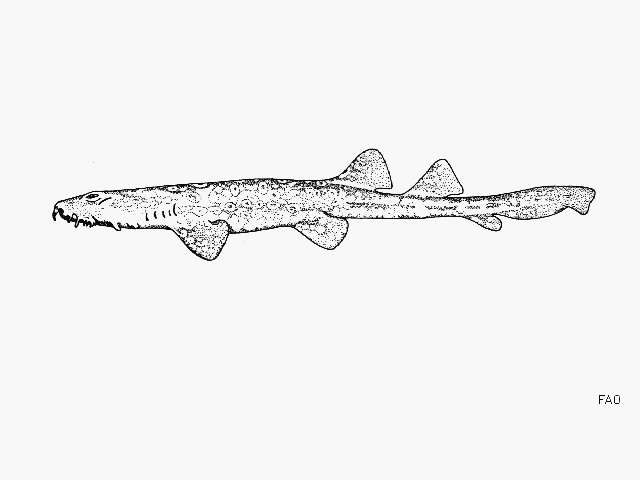
Brachaelurus waddi (Bloch and Schneider, 1801) (Brown catshark)
The blind shark is a sluggish, nocturnal shark that hides in caves and under ledges during the day, and comes out at night to feed . Its diet is composed of small fishes, crabs, shrimps, cuttlefish, squid and sea anemones...
Read More
Read More
Pempheris affinis McCulloch, 1911 (Black-tipped bullseye)
Found in coastal waters in rocky reefs, ledges and caves during day .
Schuettea scalaripinnis Steindachner, 1866 (Eastern pomfred)
Schools are found in coastal bays, protected island coves, deeper part of large estuaries close to the sea entrance, and along rocky drop-offs with kelp .
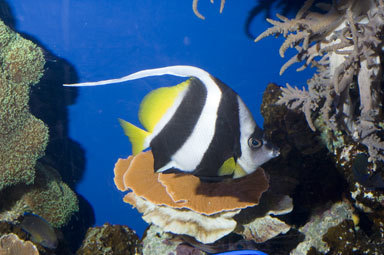
Heniochus acuminatus (Linnaeus, 1758) (Pennant coralfish)
Inhabit deep, protected lagoons and channels, and the deeper parts of outer reef slopes. Juveniles are often solitary while adults occur in pairs . A planktivorous species that generally remains within a few meters of th...
Read More
Read More
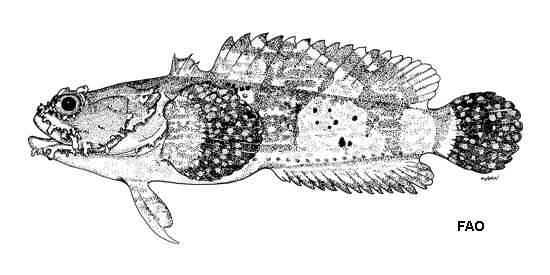
Batrachomoeus dubius (White, 1790) (Frogfish)
Inhabits the continental shelf. Also found in inshore waters .
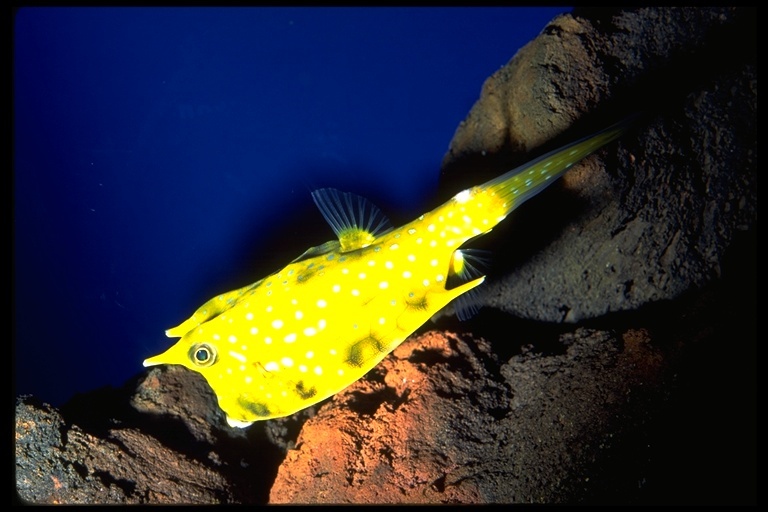
Lactoria cornuta (Linnaeus, 1758) (Longhorn cowfish)
Inhabit inshore on coastal muddy or sandy habitats in still bays, and commonly found in harbours and estuaries. Small juveniles on protected shallow mudflats . Found in weedy areas near rocks or reefs. Juveniles often n...
Read More
Read More
Share on Social Networks
- Facebook:

personalize your shared text as well as its destination (wall, page...) or send as a private message to a friend
- Twitter: Tweet personalize your tweet
- Google Plus:
Direct link to this dive
- Long link:
- Short link:


 We are participating today in the startup contest Techcrunch Disrupt. Support Diveboard by voting for us!
























































































Club dive with Scubology, with Adam leading the dive. This was a good dive for the majority of the dive. Visibility varied al lot through this dive. Heaps of marine life as usual at fly point. Heaps of wobbegongs on this dive, Adam accidentally kicking one in the head.
Unfortunately Adam had led us in the wrong direction at the end of this dive, and we ended up of course. We had quite an extensive swim back to shore. Appears that go pro has gone missing, may have not been clipped in properly