


 Steve


 Mexico

-
Nº46
 Date: 2012-03-15 - 08:30
-
 Max Depth: 18.3m Duration: 60mins
Pictures

No pictures for this dive
- Temp: Surf 27°C Bottom 24°C
- Dive type : Recreational, Drift, Reef, Boat, Tunnels
- Visibility: Excellent Water: Salt
Specific gear used
- Weights: 7.3 kg
Dive reviews
| Overall review | ||
| Dive difficulty | ||
| Marine life quality |
Recent Divers in Cozumel


Recent Pictures in Cozumel
Dive Shop & Buddies
 Dive with Olaf from Dressel Divers Club

Link to this spot:
- Spot:
- Country:
- Area:
- Body of water:
Dive Profile
- 1. Nitrox 32
- 10L Aluminium 200 → 41 bar
- Average depth: 12.2m
Data provided by EOL.org






Species Identified
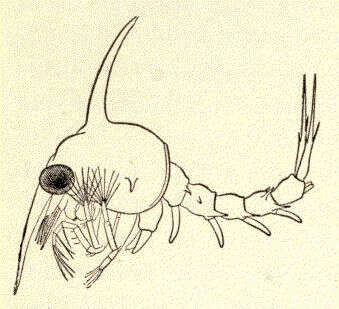
Cancer irroratus Say, 1817 (Atlantic rock crab)
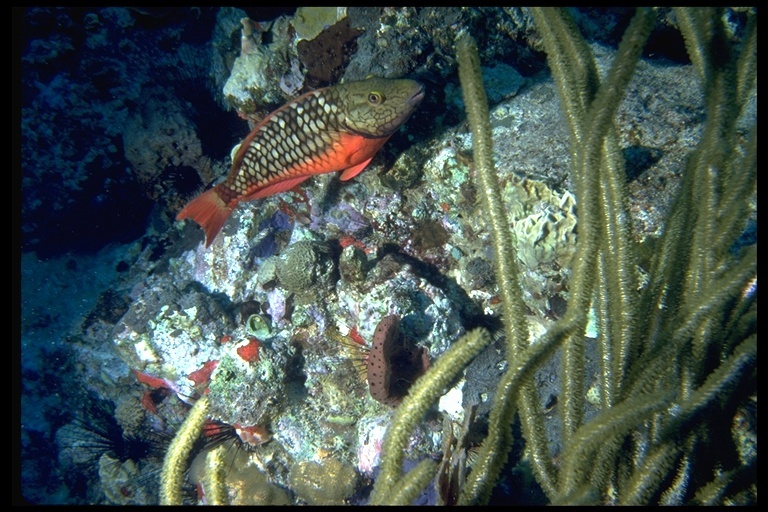
Sparisoma viride (Bonnaterre, 1788) (Dark green parrotfish)
Inhabits coral reefs with clear water . Young may be found in seagrass beds and other heavily vegetated bottoms. Feeds mainly on soft algae, but has been observed to graze on live corals like, Montastraea annularis . Pr...
Read More
Read More
Ginglymostoma cirratum (Bonnaterre, 1788) (Nurse shark)
During the day the nurse shark is a sluggish animal, spending most of its time resting on sandy bottoms, or in crevices in rocks and coral reefs. Often several nurse sharks may congregate when resting, sometimes even pili...
Read More
Read More
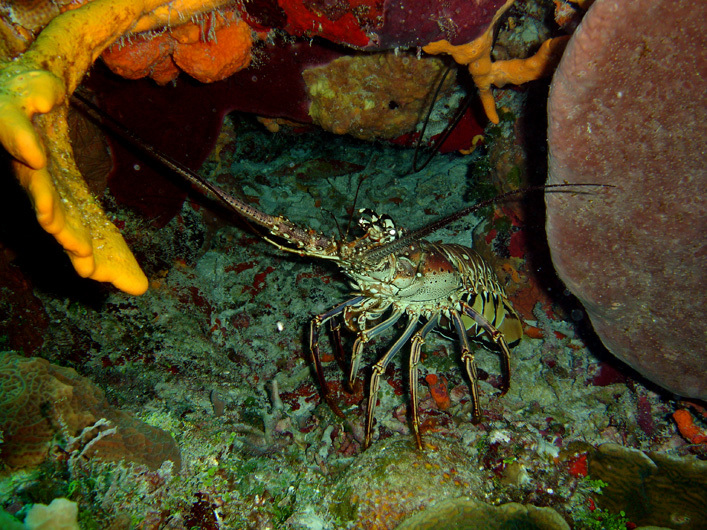
Panulirus argus (Latreille, 1804) (Caribbean spiny lobster)
Aetobatus narinari (Euphrasen, 1790) (Bishop ray)
Large groups of spotted eagle rays may be seen outside of the breeding season. These rays swim close to the surface and can occasionally be seen jumping clear out of the water (known as 'breaching') . Females give birth to...
Read More
Read More
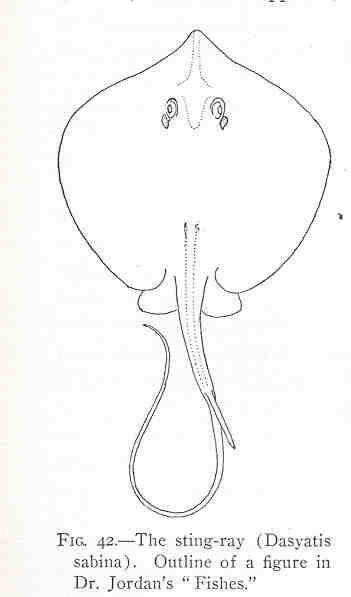
Dasyatis sabina (Lesueur, 1824) (Atlantic stingray)
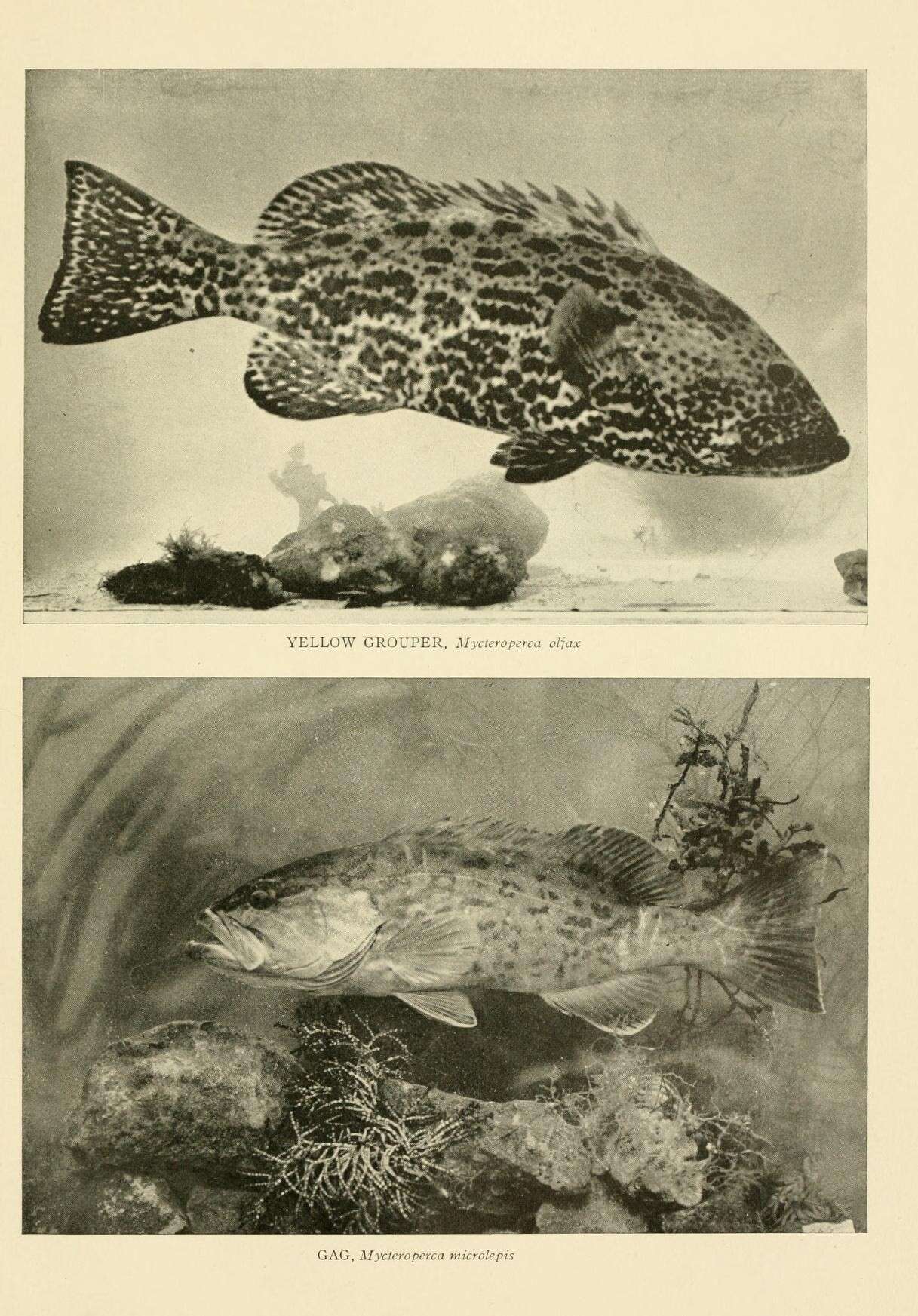
Mycteroperca venenosa (Linnaeus, 1758) (Grouper)
Adults found on rocky and coral reefs, juveniles occur in shallow turtle grass beds. Also been taken in trawls over mud bottom in the northern Gulf of Mexico. Feeds mainly on fishes and squids. Although often implicate...
Read More
Read More
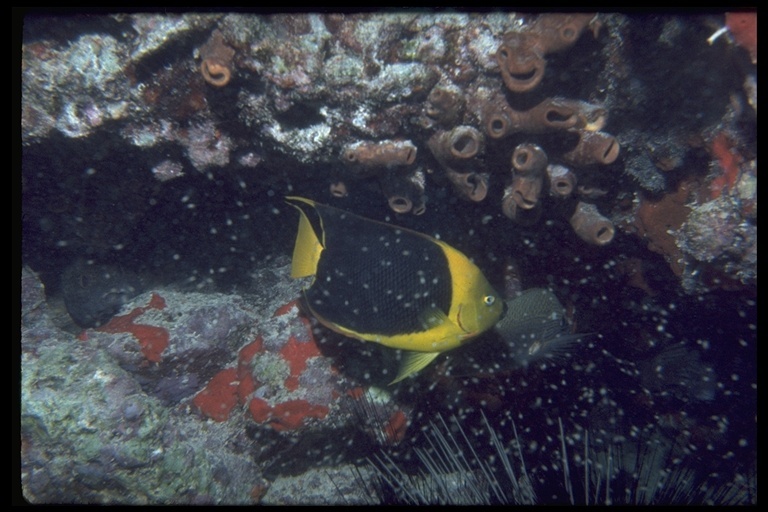
Holacanthus tricolor (Bloch, 1795) (Angelfish)
Inhabits rock jetties, rocky reefs and rich coral areas. Juveniles often associated with fire corals . Feeds on tunicates, sponges, zoantharians and algae. Marketed fresh .
Holacanthus ciliaris (Linnaeus, 1758) (queen angelfish)
Found on coral reefs. Generally occurs solitarily or in pairs. Moves gracefully between seafans, seawhips, and corals . Stomach contents of 26 specimens indicate that the species feeds almost exclusively on sponges supp...
Read More
Read More
Atherinella milleri (Bussing, 1979) (Silverside)
Found along the coast and in estuaries, may ascend rivers . Feeds on crustaceans, terrestrial and aquatic insects, and diatoms .
Anchoa hepsetus (Linnaeus, 1758) (Anchovy)
Forms dense schools, often in shallow waters close to shore. Able to tolerate a wide range of salinities, from hypersaline to almost fresh. Feeds on copepods when young, then on gastropods, foraminifers and an occasional...
Read More
Read More
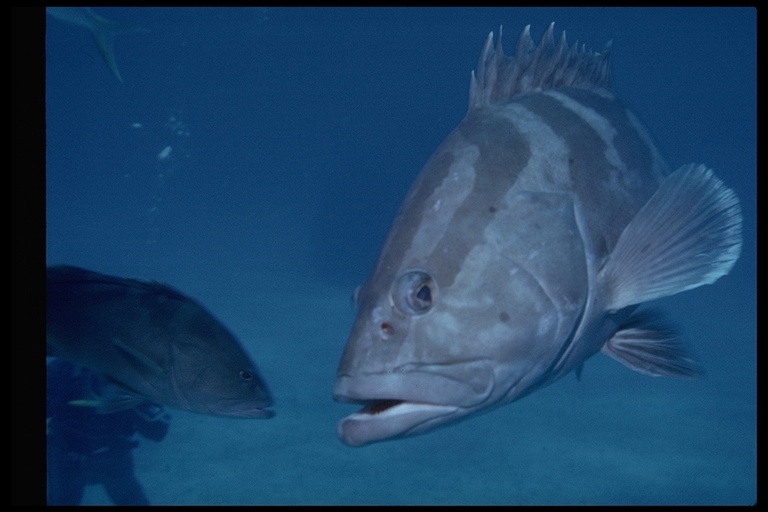
Epinephelus striatus (Bloch, 1792) (Nassau grouper)
Adults are generally solitary, with the exception of spawning events when hundreds to thousands of individuals were known to group together. In the southern extent of the grouper's range, these awesome aggregations occurre...
Read More
Read More
Petrochirus diogenes (Linnaeus, 1758) (Giant Hermit Crab)
Heteroconger hassi (Klausewitz & Eibl-Eibesfeldt, 1959) (Spotted garden-eel)
Often found on sandy slopes below 15 m; withdraws into its burrow when approached. Usually in colonies containing up to several hundred individuals.
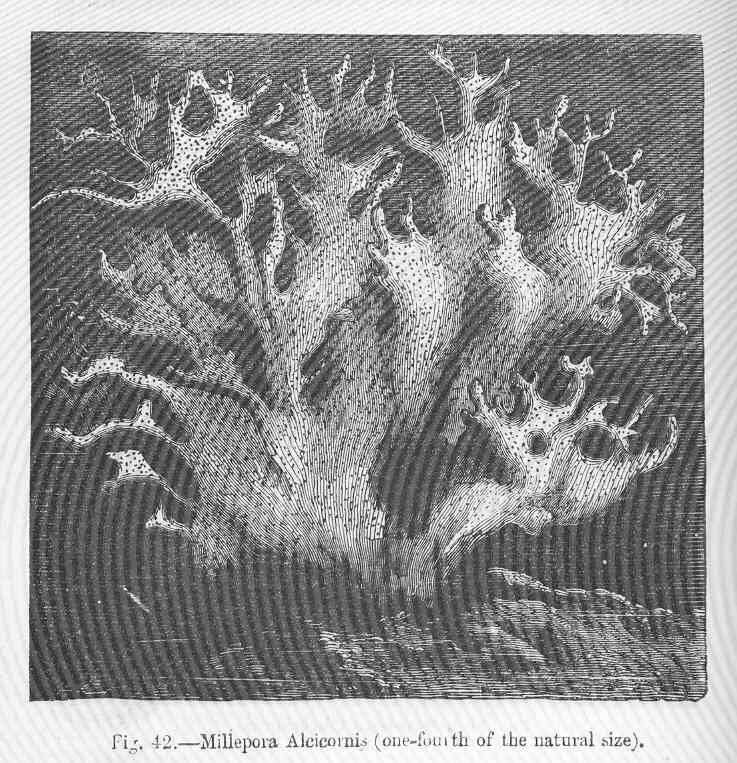
Millepora alcicornis Linnaeus, 1758 (fire coral)
colonial, calcareous skeleton
Stenorhynchus seticornis (J. F. W. Herbst, 1788) (yellowline arrow crab)
Stenorhynchus yangi Goeke, 1989 (red arrow crab)
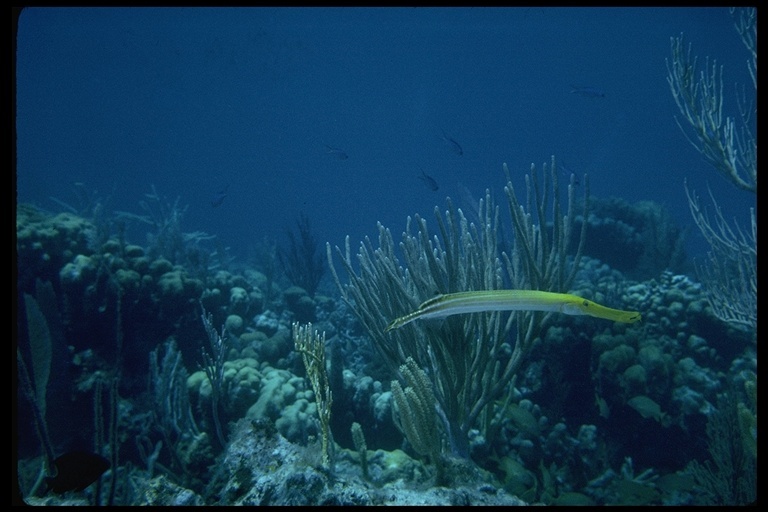
Aulostomus maculatus Valenciennes, 1841 (Caribbean trumpetfish)
Commonly found in weedy areas and especially around reefs, where they usually swim snout-down among sea whips . A solitary ambusher of small fishes and crustaceans that lurk among branching coral or gorgonians. Often swi...
Read More
Read More
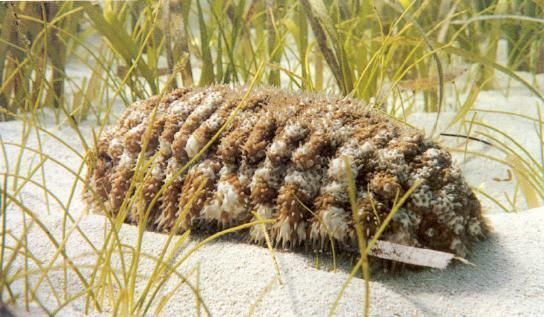
Astichopus multifidus (Sluter, 1910) (fissured sea cucumber)
Share on Social Networks
- Facebook:

personalize your shared text as well as its destination (wall, page...) or send as a private message to a friend
- Twitter: Tweet personalize your tweet
- Google Plus:
Direct link to this dive
- Long link:
- Short link:


 We are participating today in the startup contest Techcrunch Disrupt. Support Diveboard by voting for us!
























































































Jurassic Park backside
Nurse Shark, Trumpetfish, Toadfish, Snapper, Lobster
This was a really fun & pretty dive! Easy current, lots of crevices & beautiful coral. Saw 2 turtles - greens. Had my camera & hopefully the pics turn out. Very relaxing and I was in the breathing zone.