


 Tako-San


 Malaysia

-
Nº3
 Date: 2013-10-16 - 11:41
-
 Max Depth: 11.9m Duration: 43mins
Pictures

No pictures for this dive
- Temp: Surf 29°C
- Dive type : Training
- Visibility: Good Water: Salt
Specific gear used
- Dive skin:
- Weights: 5 kg
Recent Divers in Perhentian Islands
Recent Pictures in Perhentian Islands


Dive Shop & Buddies
 Dive with Colin from Turtle Bay Divers
 Dive buddies:
Neil,
Debby

Link to this spot:
- Spot:
- Country:
- Area:
- Body of water:
Dive Profile
- 1. Air
- 12L Aluminium 200 → 50 bar
- Average depth: 7.9m
Data provided by EOL.org




Species Identified
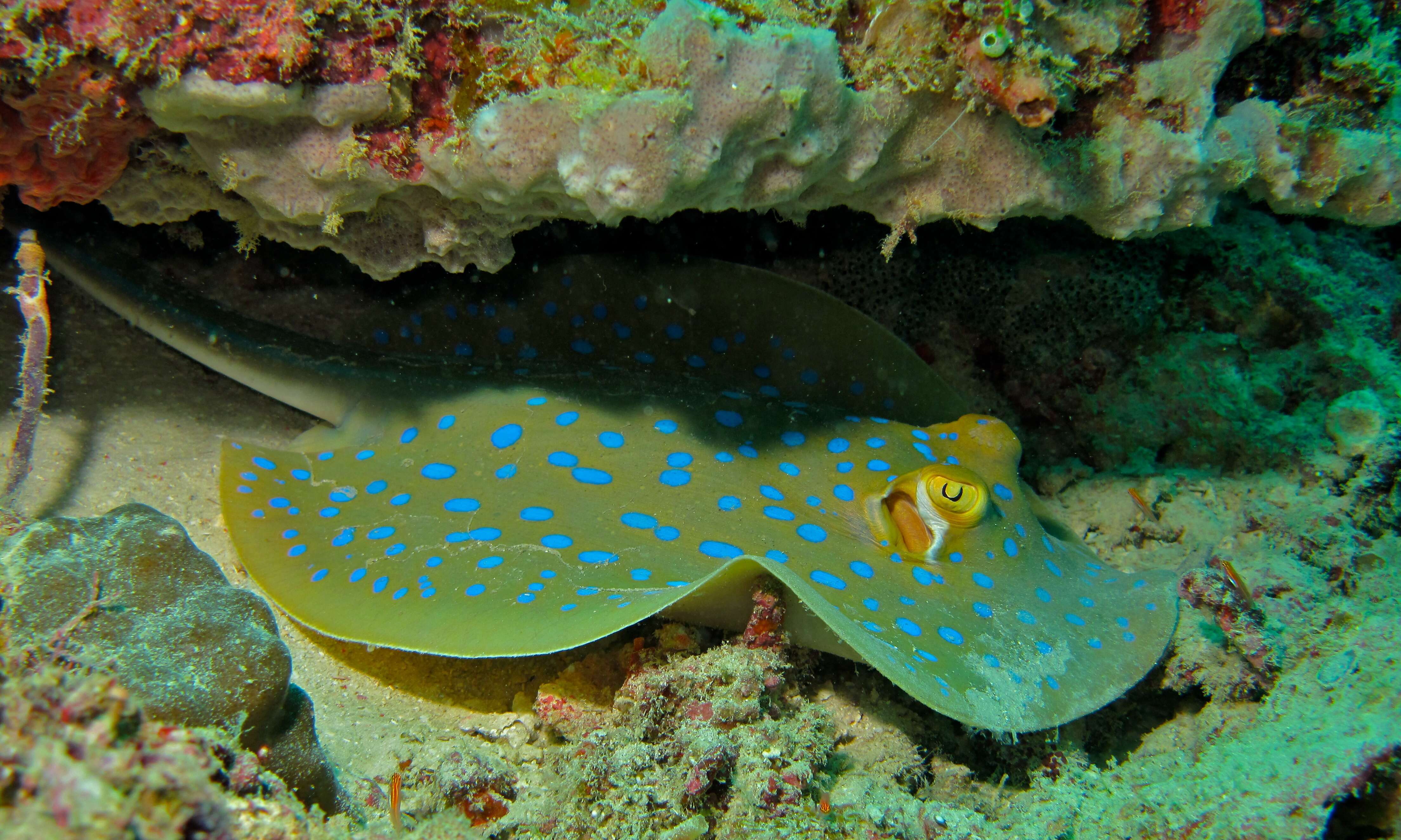
Taeniura lymma (Forsskål, 1775) (Bluespotted ribbontail ray)
Blue-spotted stingrays live alone or in small groups , migrating in large schools into shallow sandy areas on the rising tide in order to feed, and dispersing back into the ocean as the tide falls to shelter in the coral c...
Read More
Read More
Cheilinus fasciatus (Bloch, 1791) (Redbreast wrasse)
Inhabit lagoon and seaward reefs, usually in areas with mixed coral, sand, and rubble . Feed mainly on benthic, hard-shelled invertebrates, including mollusks, crustaceans and sea urchins . Young common on silty reefs, usually along edges with algae-rubble and sand .
Scarus dubius Bennett, 1828 (Regal parrot)
Inhabits seaward reefs . Benthopelagic . Grazes on benthic algae. Protogynous .
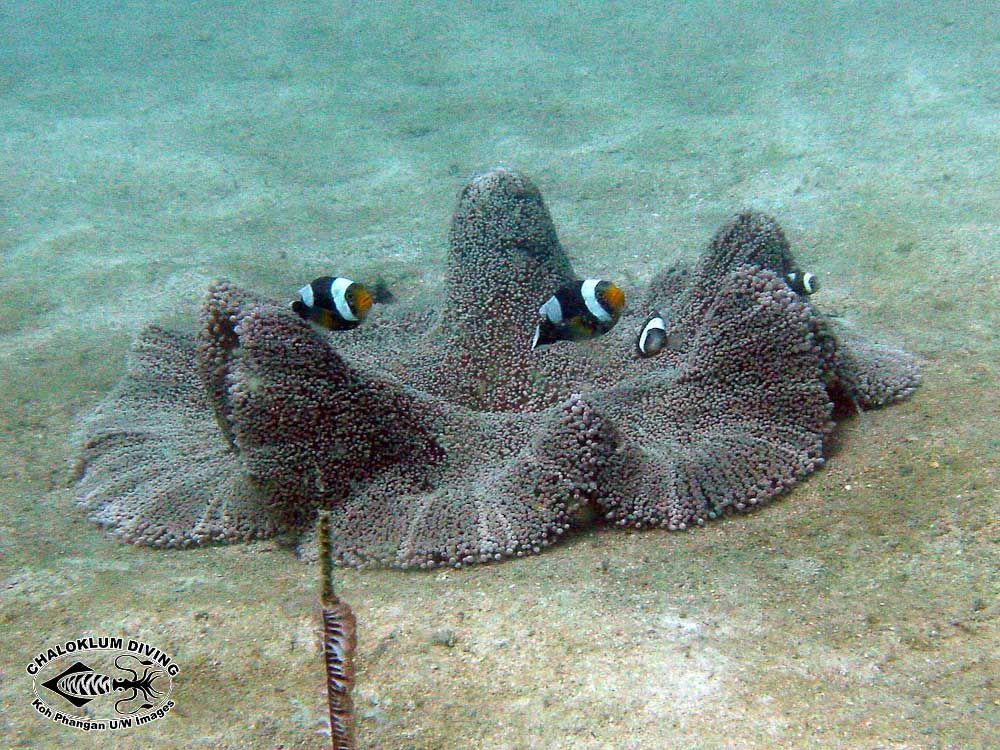
Amphiprion polymnus (Linnaeus, 1758) (yellowfinned anemonefish)
Inhabits silty lagoons and harbors. Monogamous . A protandrous hermaphrodite . Associated with the anemones: Heteractis crispa and Stichodactyla haddoni . Has been reared in captivity .
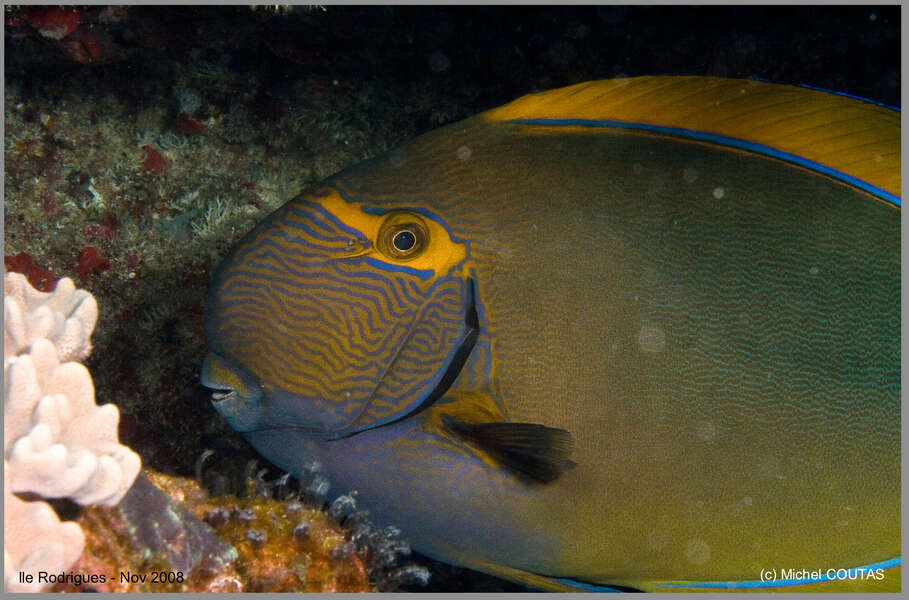
Acanthurus dussumieri Valenciennes, 1835 (Eyestripe surgeonfish)
Schooling species, usually occurring in seaward reefs at depths greater than 9 m . Adults mainly on deep coastal reef slopes and outer reef walls, often on deep shipwrecks. Juviniles found on algae-rocky reef . Benthope...
Read More
Read More
Pseudobalistes flavimarginatus (Rüppell, 1829) (Yellowmargin triggerfish)
Inhabits coastal to inner reefs and estuaries, often in silty habitats . Found on lagoon slope and floor , also coral reefs. Generally solitary or in pairs . Young form small aggregations when common while adults are us...
Read More
Read More
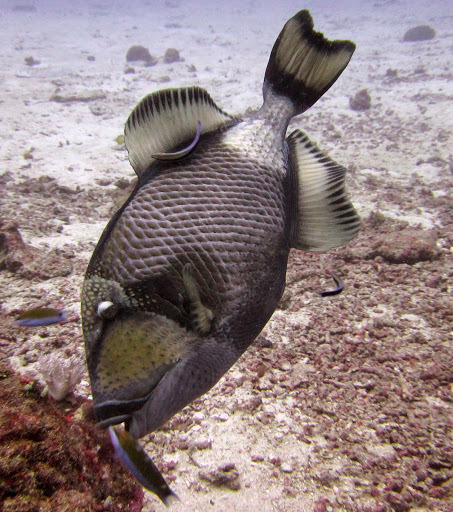
Balistoides viridescens (Bloch and Schneider, 1801) (Titan triggerfish)
Occur in lagoon, seaward reefs and sheltered inner reef slopes . Juveniles often associated with isolated patches of branching coral or rubble of shallow sandy protected areas. Adults occur singly or in pairs on the slo...
Read More
Read More
Aluterus scriptus (Osbeck, 1765) (Unicornfish)
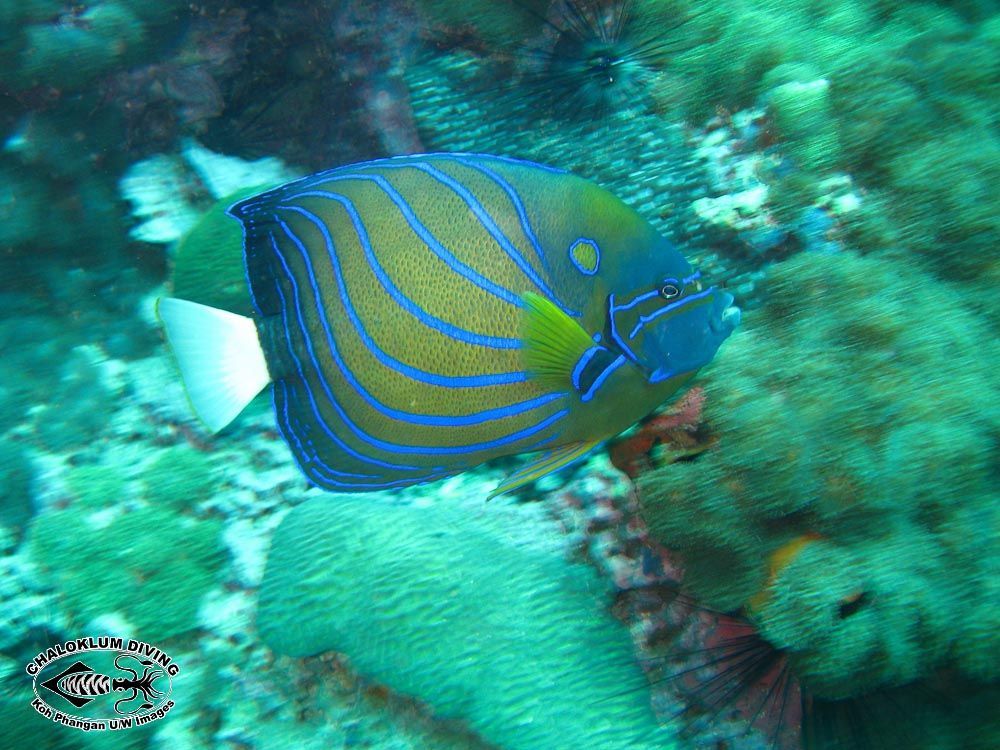
Pomacanthus annularis (Bloch, 1787) (Bluering angelfish)
Inhabits coastal reefs to at least 30 m . Adults often found in pairs inside caves . Juveniles settle in very shallow inshore habitats with short filamentous algae growth on rock or dead coral substrates . Feeds on spon...
Read More
Read More
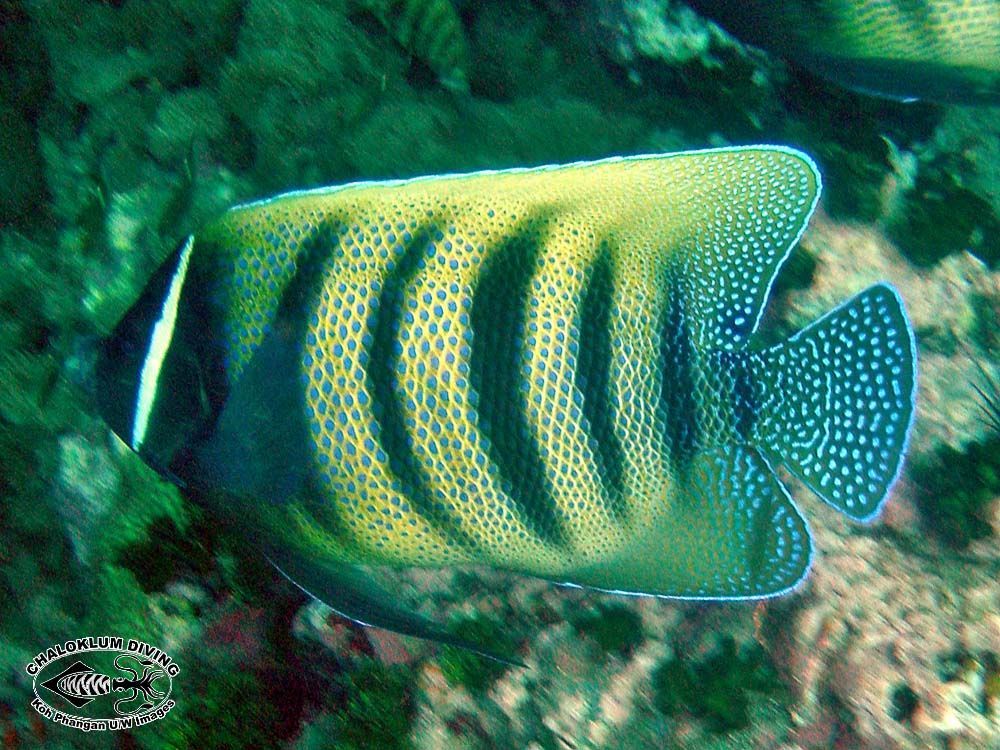
Pomacanthus sexstriatus (Cuvier, 1831) (Sixbar angelfish)
Juveniles prefer sheltered inner reefs while adults occur in areas of rich coral growth and high vertical relief of lagoon and seaward reefs. Adults semi-silty coastal to about 50 m depth, often seen in pairs . Occur sol...
Read More
Read More
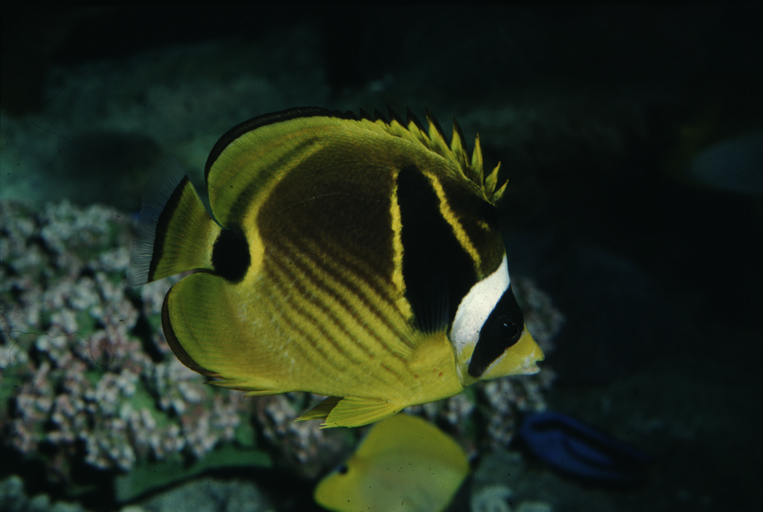
Chaetodon lunula (Lacepède, 1802) (Butterflyfish)
Arothron stellatus (Bloch & Schneider, 1801) (Blackspotted puffer)
Relatively uncommon in patch reefs and coral slopes near sandy areas of clear lagoon and seaward reefs. Juveniles occur in sandy and weedy inner reefs, adults on clear lagoons and seaward reefs . Juveniles inshore, usual...
Read More
Read More
Periclimenes pedersoni (Pederson cleaner shrimp)
Share on Social Networks
- Facebook:

personalize your shared text as well as its destination (wall, page...) or send as a private message to a friend
- Twitter: Tweet personalize your tweet
- Google Plus:
Direct link to this dive
- Long link:
- Short link:


 We are participating today in the startup contest Techcrunch Disrupt. Support Diveboard by voting for us!
























































































OWTC Dive n°2
Nice reef. In the round sandy area in the middle of the reef (look on the google map), there is a lonely anemone with a Panda clown fish family, and 2 ou 3 meters away, a lonely branch anemone with cleaner shrimps in it. Looks like someone put them here for diver's delight !