


 Tako-San


 Malaysia

-
Nº5
 Date: 2013-10-17 - 13:28
-
 Max Depth: 16.2m Duration: 52mins
Pictures

No pictures for this dive
- Temp: Surf 29°C
- Dive type : Training
- Visibility: Average Water: Salt
Specific gear used
- Dive skin:
- Weights: 5 kg
Recent Divers in Perhentian Islands
Recent Pictures in Perhentian Islands



Dive Shop & Buddies
 Dive with Colin from Turtle Bay Divers
 Dive buddies:
Neil,
Debby

Link to this spot:
- Spot:
- Country:
- Area:
- Body of water:
Dive Profile
- 1. Air
- 12L Aluminium 200 → 50 bar
- Average depth: 10.8m
Data provided by EOL.org




Species Identified
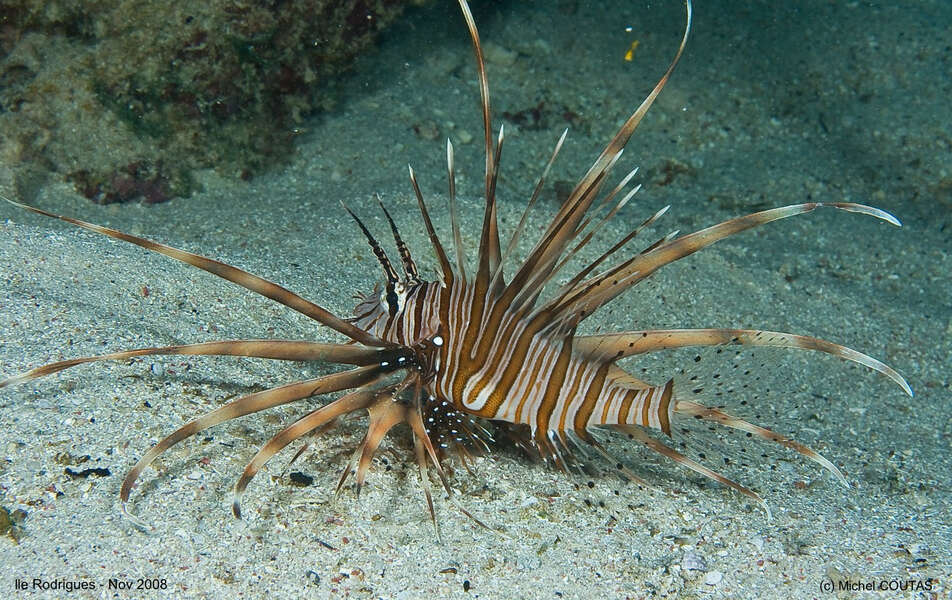
Pterois volitans (Linnaeus, 1758) (Red lionfish)
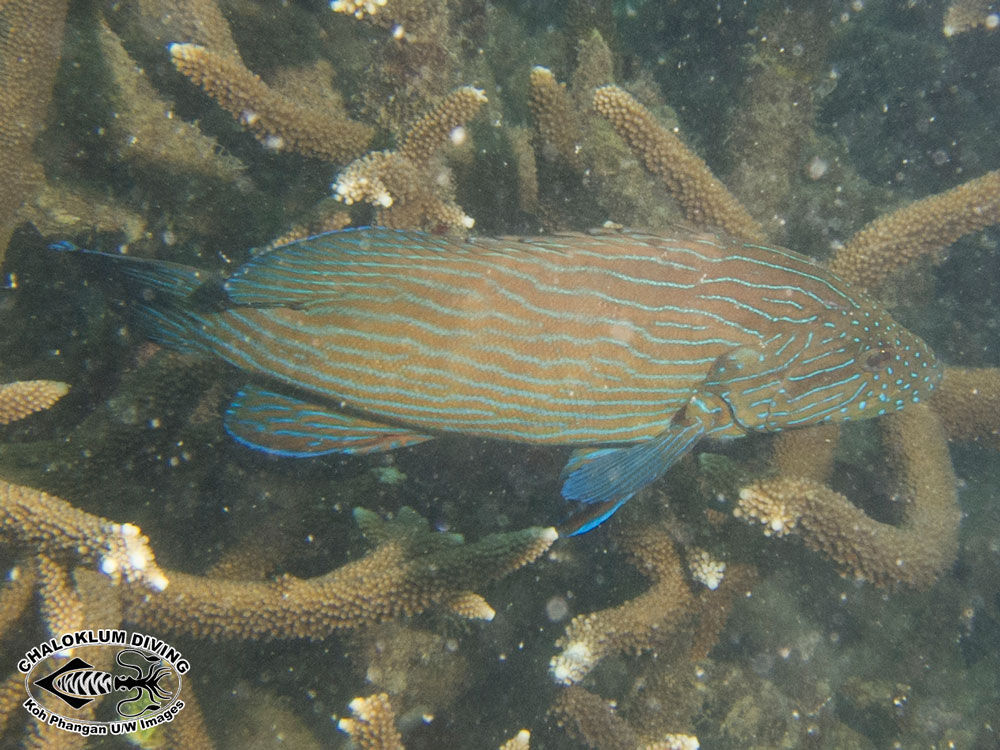
Cephalopholis formosa (Shaw, 1812) (Bluelined rockcod)
Like C. boenak, it prefers shallow dead or silty reefs and this may account for the primarily continental distributions of these two species.
Epinephelus quoyanus (Valenciennes, 1830) (long-finned rock-cod)
Inhabits inshore silty reefs; there are no records from depths greater than 50 m. Feeds on crustaceans, fishes, and worms. The enlarged fleshy pectoral fins appear to have resulted from its habit of sitting on the substrate.
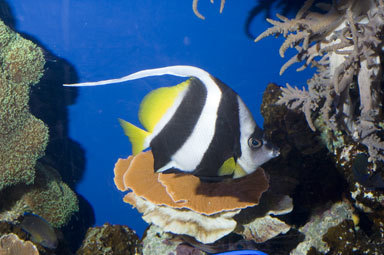
Heniochus acuminatus (Linnaeus, 1758) (Pennant coralfish)
Inhabit deep, protected lagoons and channels, and the deeper parts of outer reef slopes. Juveniles are often solitary while adults occur in pairs . A planktivorous species that generally remains within a few meters of th...
Read More
Read More
Aluterus scriptus (Osbeck, 1765) (Unicornfish)
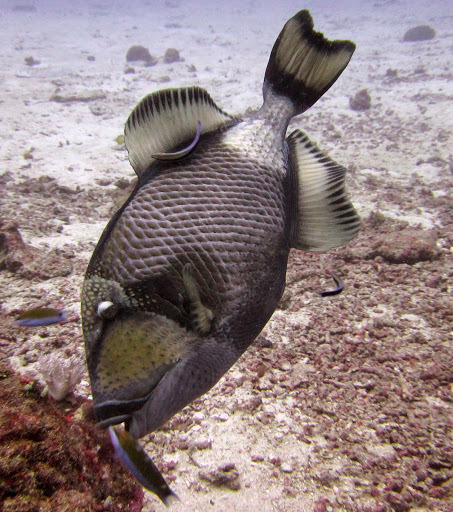
Balistoides viridescens (Bloch and Schneider, 1801) (Titan triggerfish)
Occur in lagoon, seaward reefs and sheltered inner reef slopes . Juveniles often associated with isolated patches of branching coral or rubble of shallow sandy protected areas. Adults occur singly or in pairs on the slo...
Read More
Read More
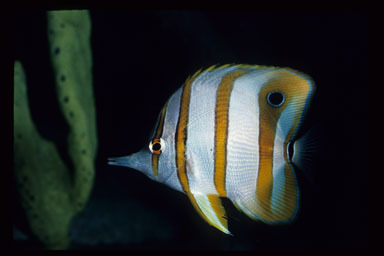
Chelmon rostratus (Linnaeus, 1758) (Copperband butterflyfish)
A common species found singly and in pairs along rocky shores and coral reefs; also in estuaries and silty inner reefs . Territorial species . Oviparous , monogamous . Forms pairs during breeding .
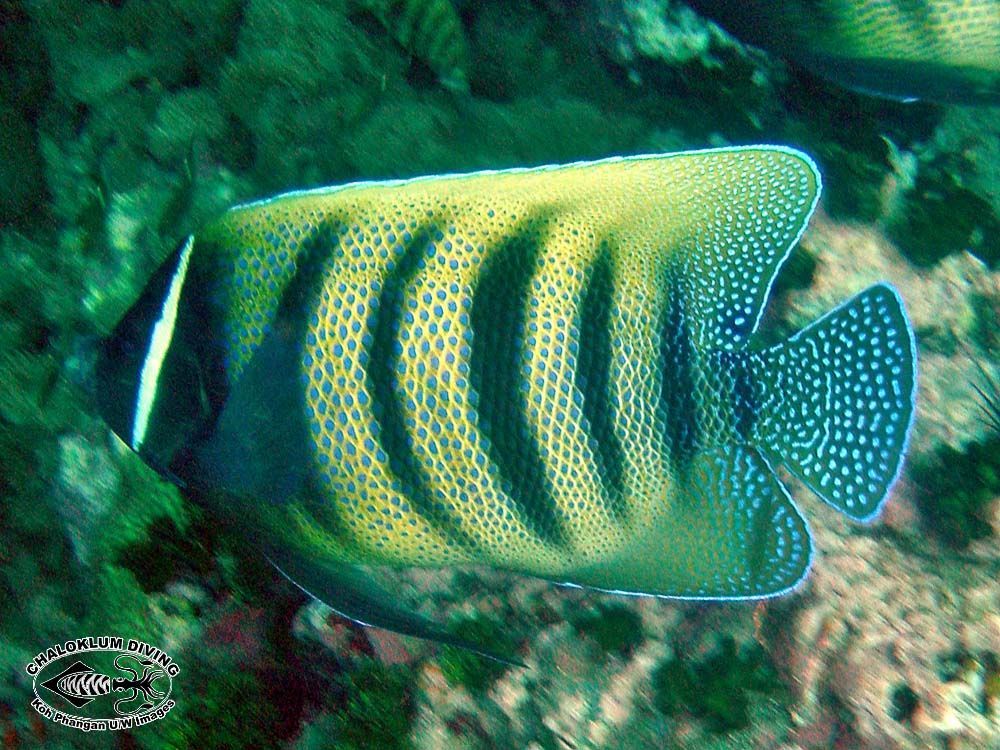
Pomacanthus sexstriatus (Cuvier, 1831) (Sixbar angelfish)
Juveniles prefer sheltered inner reefs while adults occur in areas of rich coral growth and high vertical relief of lagoon and seaward reefs. Adults semi-silty coastal to about 50 m depth, often seen in pairs . Occur sol...
Read More
Read More
Carangoides fulvoguttatus (Forsskål, 1775) (Yellowspotted trevally)
Prefers rocky and coral reef areas, but also found on offshore banks . Found singly or in large schools . Feeds on small invertebrates and fish .
Eretmochelys imbricata (LINNAEUS) 1766 (Hawksbill Turtle)
Hawksbills may take decades to mature and it could be between 20 to 40 years before they are ready to breed . Upon reaching sexual maturity, a female will typically lay up to five clutches of around 100 to 140 eggs in one ...
Read More
Read More
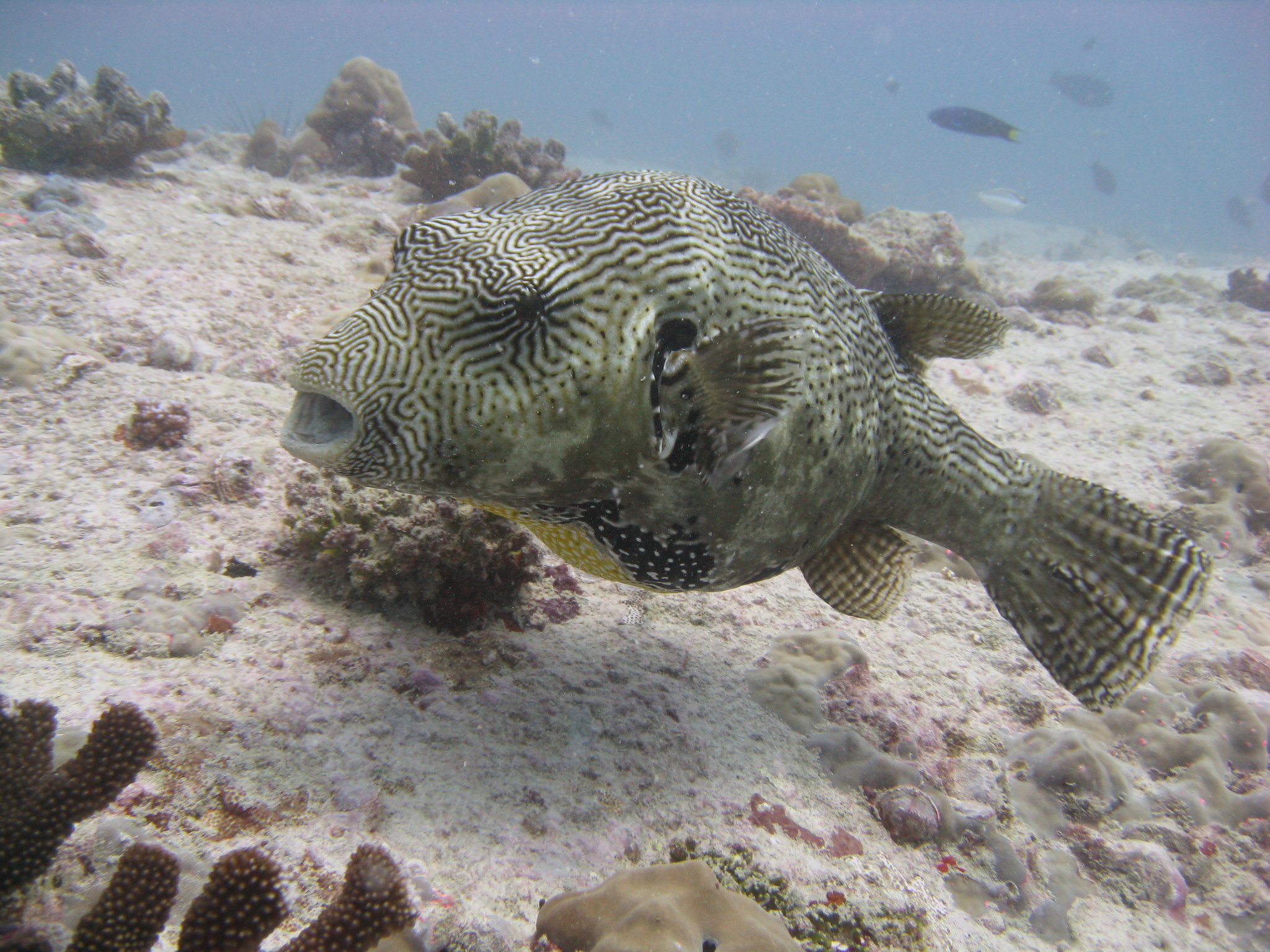
Arothron mappa (Lesson, 1831) (Map puffer)
Occur in clear lagoon and sheltered seaward reefs . Adults usually along deep drop-offs . Usually close to shelter. Occur singly . Feed on algae, sponges, and benthic invertebrates.
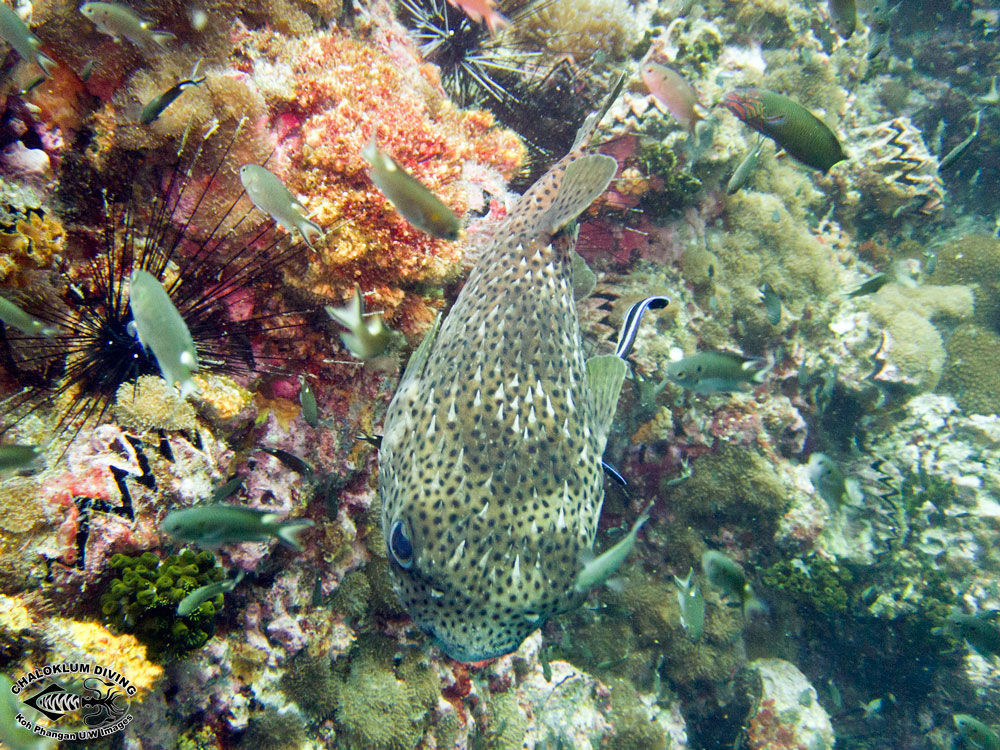
Diodon hystrix Linnaeus, 1758 (Spot-fin porcupinefish)
Rhynchocinetes durbanensis Gordon, 1936 (hingebeak shrimp)
Phyllidia exquisita Brunckhorst, 1993
Share on Social Networks
- Facebook:

personalize your shared text as well as its destination (wall, page...) or send as a private message to a friend
- Twitter: Tweet personalize your tweet
- Google Plus:
Direct link to this dive
- Long link:
- Short link:


 We are participating today in the startup contest Techcrunch Disrupt. Support Diveboard by voting for us!
























































































OWTC dive n°4
Name shark point because of a rock getting out of the water and looking like a shark fin. Black tip reef shark can be seen here but we did not see any...