



 Thomas Chardon

 Malaysia
-
Nº70
 Date: 2017-01-22 - 08:00
-
 Max Depth: 29.8m Duration: 51mins
Pictures

No pictures for this dive
- Dive type : Recreational, Deep dive, Drift, Reef
- Visibility: Average Water: Salt
Specific gear used
- Weights: 2 kg
Recent Divers in Palau Sipadan Marine Reserve
Recent Pictures in Palau Sipadan Marine Reserve
Dive Shop & Buddies
 Dive with Scuba Junkie

Link to this spot:
- Spot:
- Country:
- Area:
- Body of water:
Dive Profile
- 1. Air
- 12L Steel
- Average depth: 12.9m
Data provided by EOL.org



Species Identified
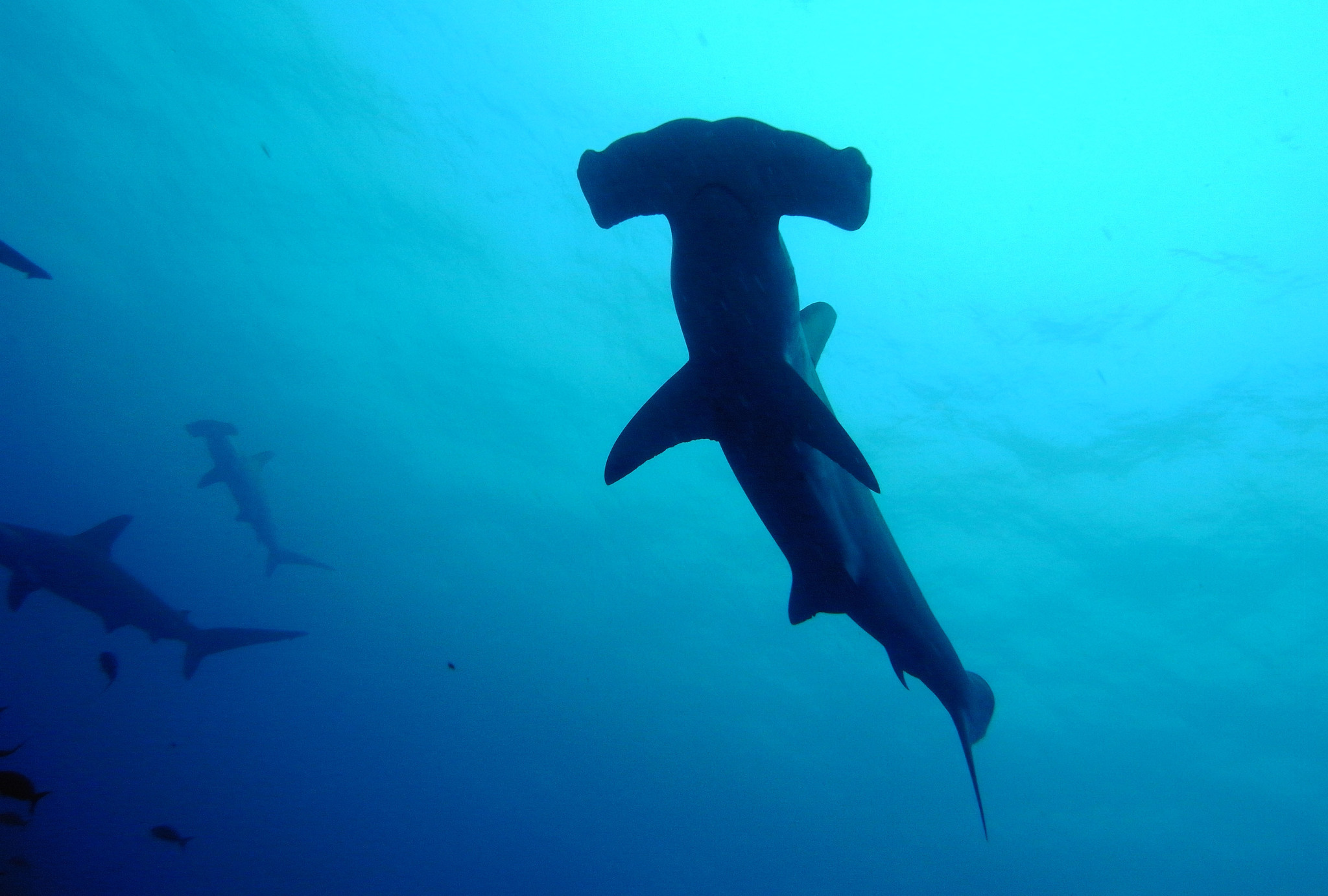
Sphyrna lewini (Griffith and Smith, 1834) (scalloped hammerhead)
Forming impressively large schools, female scalloped hammerheads gather in the Gulf of California during the day, around underwater mountains known as seamounts, where they perform a wide range of poorly-understood behavio...
Read More
Read More
Carcharhinus amblyrhynchos (Bleeker, 1856) (Gray reef shark)
Occurs on continental and insular shelves and oceanic waters adjacent to them . Common on coral reefs, often in deeper areas near drop-offs to the open sea, in atoll passes, and in shallow lagoons adjacent to areas of str...
Read More
Read More
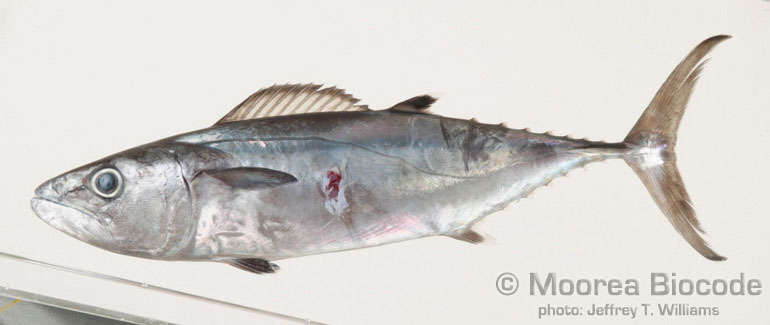
Gymnosarda unicolor (Rüppell, 1836) (Bonito)
An offshore species found mainly around coral reefs. Generally solitary or occur in small schools of six or less. Preys on small schooling fishes such as Decapterus, Caesio, Nasio, Cirrhilabrus, Pterocaesio and squids. Marketed canned and frozen . Adults may be ciguatoxic .
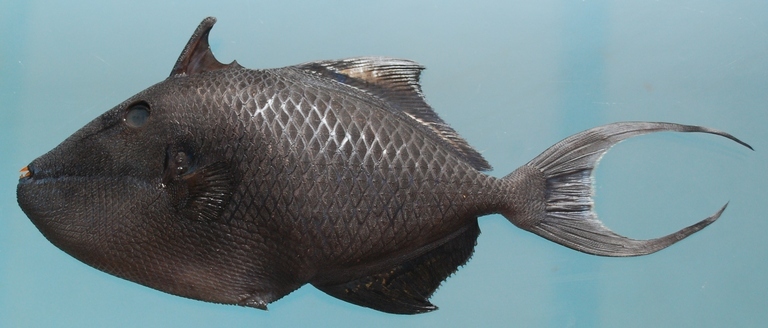
Odonus niger (Rüppell, 1836) (Redtoothed triggerfish)
Inhabits reef channels or along slopes that are subject to strong currents . Occur in current-swept seaward coral reefs. Usually form aggregations and feed on zooplankton as well as sponges . Juveniles associated with i...
Read More
Read More
Chelonia mydas Linnaeus 1758 (Green Turtle)
Green turtles are long-lived and may take up to 59 years to reach sexual maturity Undertaking tremendous feats of navigation, adults return to the same beach to breed each season, part of the population in Brazil astonish...
Read More
Read More
Eretmochelys imbricata (LINNAEUS) 1766 (Hawksbill Turtle)
Hawksbills may take decades to mature and it could be between 20 to 40 years before they are ready to breed . Upon reaching sexual maturity, a female will typically lay up to five clutches of around 100 to 140 eggs in one ...
Read More
Read More
Caesio teres Seale, 1906 (Yellow and blueback fusilier)
Found primarily around coral reefs, with a preference for coralline lagoons. Feeds on zooplankton in large midwater groups. Forms schools with other caesionids. Migrates to select areas around the reef to spawn near the...
Read More
Read More
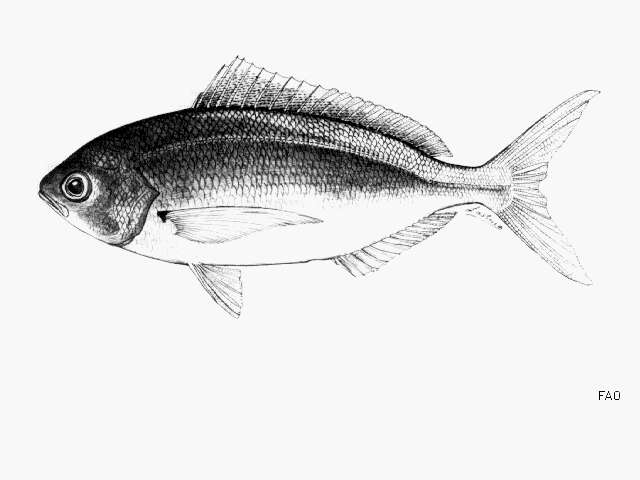
Macolor niger (Forsskål, 1775) (black snapper)
Inhabits steep outer walls of lagoon, channel and seaward slopes . Juveniles are solitary, adults in large schools . Feeds on fishes and crustaceans .
Macolor macularis Fowler, 1931 (Black-and-white snapper)
Inhabits steep slopes of lagoon, channel, or seaward reefs . Juveniles occur singly on protected reef slopes with feather stars, in staghorn corals or large sponges; adults commonly occur on deep reef slopes and may be in...
Read More
Read More
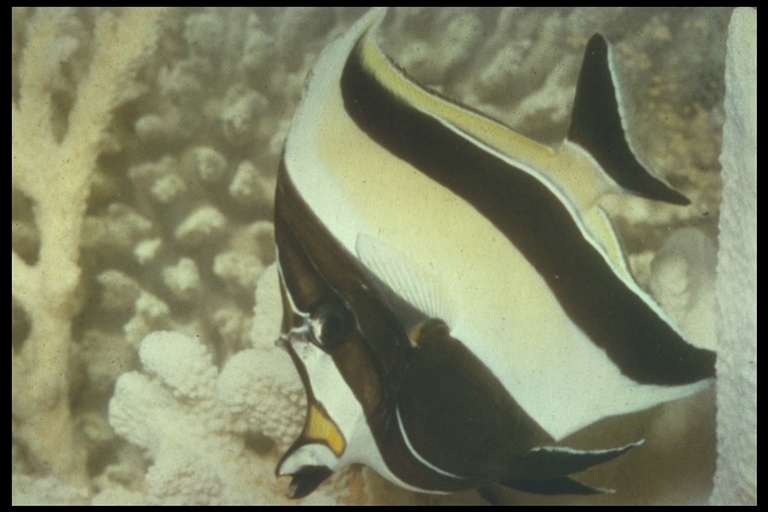
Zanclus cornutus (Linnaeus, 1758) (Moorish idol)
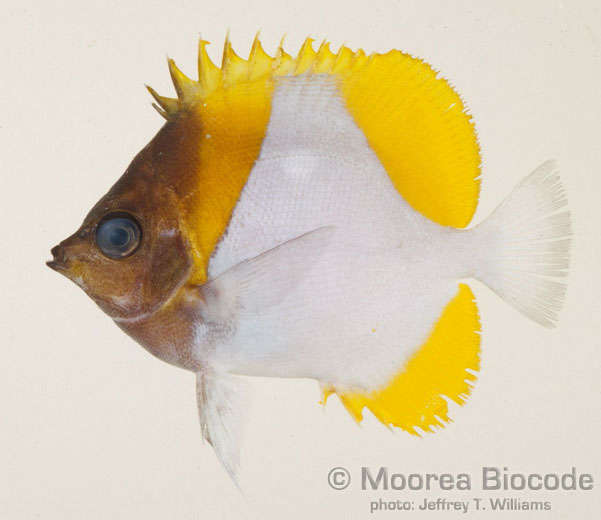
Hemitaurichthys polylepis (Bleeker, 1857) (Pyramid butterflyfish)
Occur in large schools that may extend several meters above the edges of steep current-swept outer reef slopes. Common . Benthopelagic . Feed on plankton . Oviparous . Form pairs during breeding .
Gymnothorax flavimarginatus (Rüppell, 1830) (Yellow-edged moray)
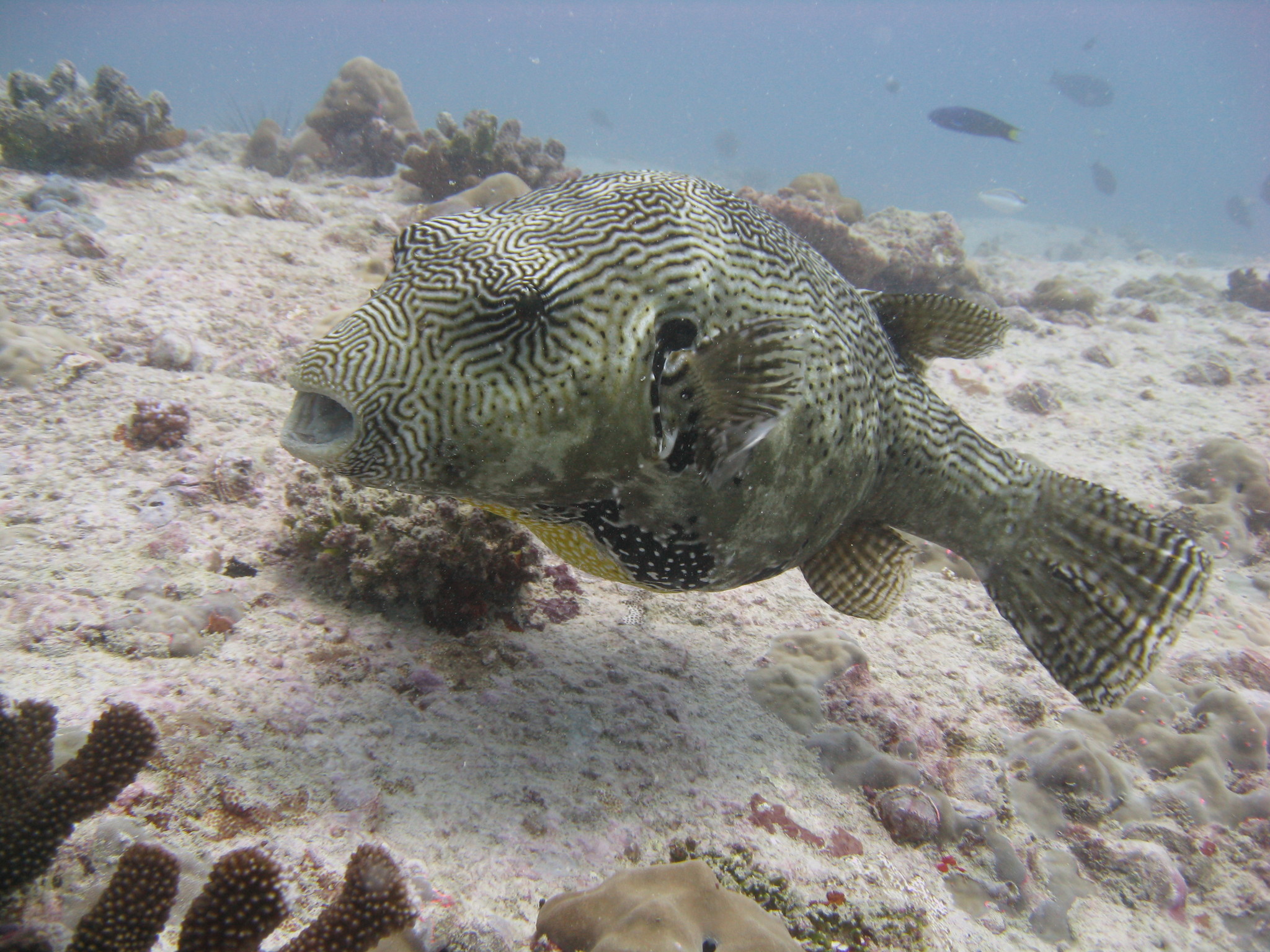
Arothron mappa (Lesson, 1831) (Map puffer)
Occur in clear lagoon and sheltered seaward reefs . Adults usually along deep drop-offs . Usually close to shelter. Occur singly . Feed on algae, sponges, and benthic invertebrates.
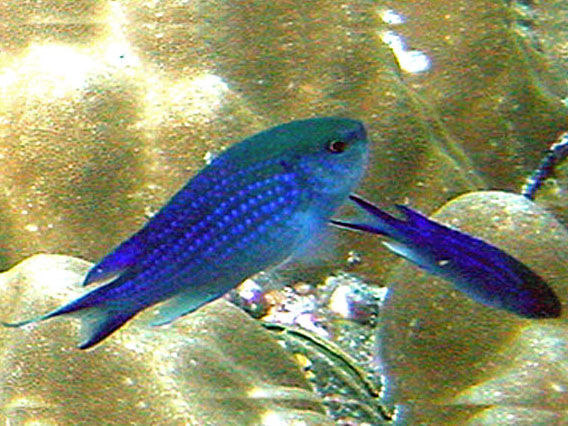
Pomacentrus pavo (Bloch, 1787) (Sapphire damsel)
Inhabits sandy areas of lagoon reefs, around isolated patch reefs, coral heads, or rubble. Usually in groups . Commonly found around jetty structures . Feeds on zooplankton and filamentous algae.
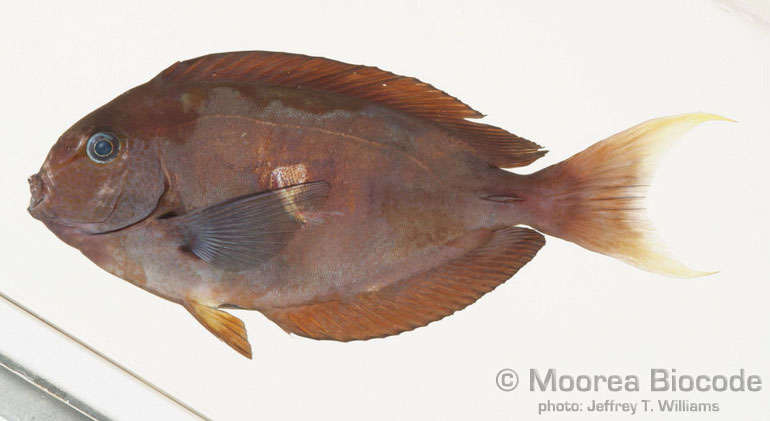
Acanthurus thompsoni (Fowler, 1923) (Thompson's surgeonfish)
This occasionally schooling species occurs in steep outer reef slopes and drop-offs . Benthopelagic over coral and sand . Feeds on zooplankton, particularly large gelatinous forms, and on fish eggs and crustaceans .
Share on Social Networks
- Facebook:

personalize your shared text as well as its destination (wall, page...) or send as a private message to a friend
- Twitter: Tweet personalize your tweet
- Google Plus:
Direct link to this dive
- Long link:
- Short link:


 We are participating today in the startup contest Techcrunch Disrupt. Support Diveboard by voting for us!
























































































