



 Thomas Chardon


 Malaysia
-
Nº71
 Date: 2017-01-22 - 11:00
-
 Max Depth: 27.7m Duration: 50mins
Pictures

No pictures for this dive
- Dive type : Recreational, Deep dive, Drift, Reef
- Visibility: Average Water: Salt
Specific gear used
- Weights: 2 kg
Recent Divers in Palau Sipadan Marine Reserve
Recent Pictures in Palau Sipadan Marine Reserve
Dive Shop & Buddies
 Dive with Scuba Junkie

Link to this spot:
- Spot:
- Country:
- Area:
- Body of water:
Dive Profile
- 1. Air
- 12L Steel
- Average depth: 13.4m
Data provided by EOL.org





Species Identified
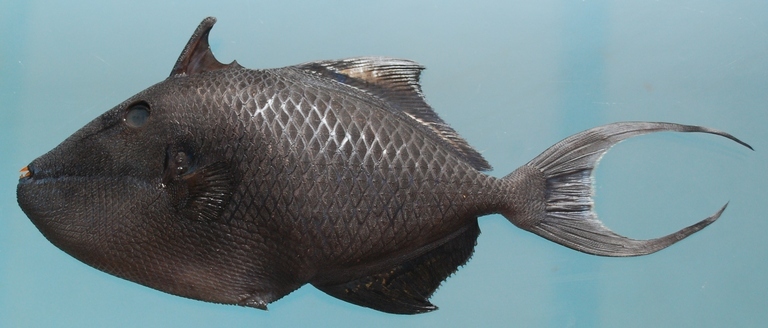
Odonus niger (Rüppell, 1836) (Redtoothed triggerfish)
Inhabits reef channels or along slopes that are subject to strong currents . Occur in current-swept seaward coral reefs. Usually form aggregations and feed on zooplankton as well as sponges . Juveniles associated with i...
Read More
Read More
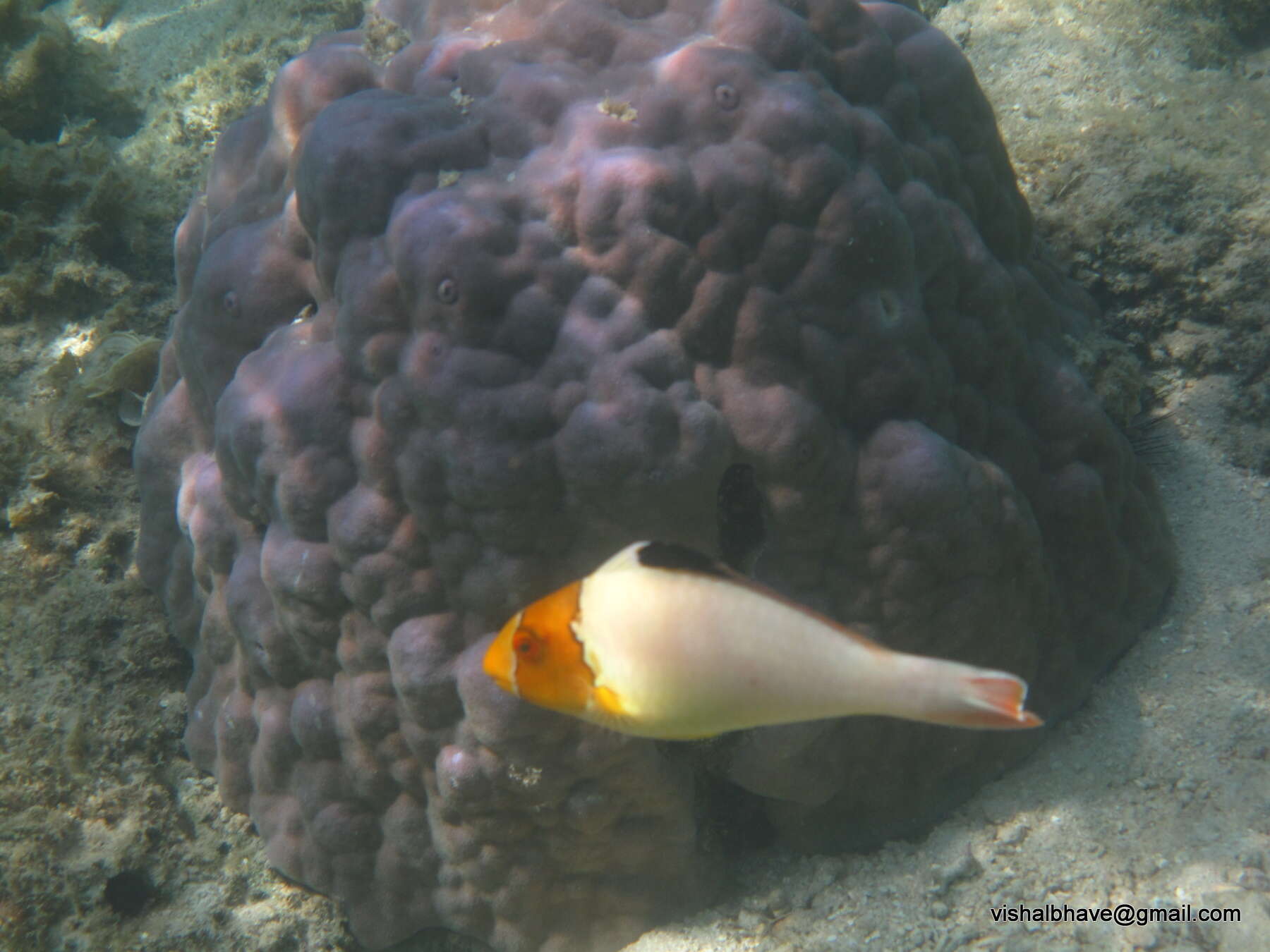
Cetoscarus bicolor (Rüppell, 1829) (Bicolour parrotfish)
Occurs in clear lagoon and seaward reefs . Juveniles usually solitary; adults form harems ; males are territorial. Goes to several changes during growth and very large females change sex to the brightly colored male. Sm...
Read More
Read More
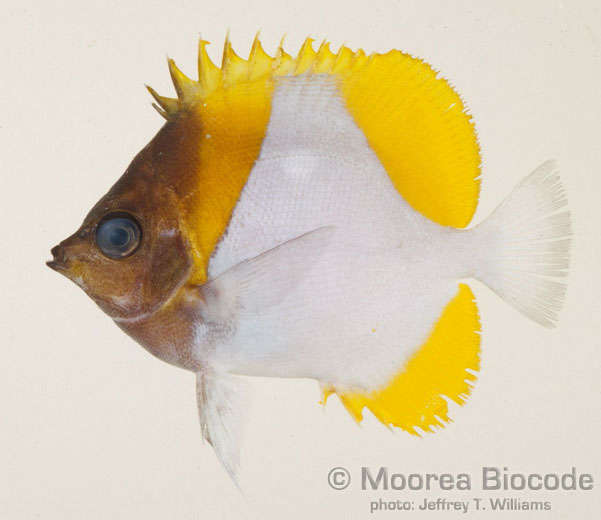
Hemitaurichthys polylepis (Bleeker, 1857) (Pyramid butterflyfish)
Occur in large schools that may extend several meters above the edges of steep current-swept outer reef slopes. Common . Benthopelagic . Feed on plankton . Oviparous . Form pairs during breeding .
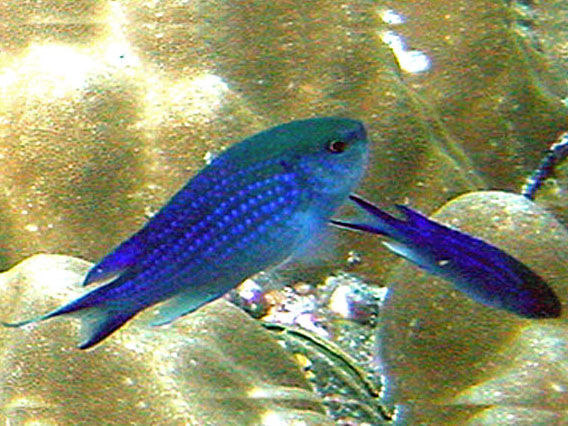
Pomacentrus pavo (Bloch, 1787) (Sapphire damsel)
Inhabits sandy areas of lagoon reefs, around isolated patch reefs, coral heads, or rubble. Usually in groups . Commonly found around jetty structures . Feeds on zooplankton and filamentous algae.
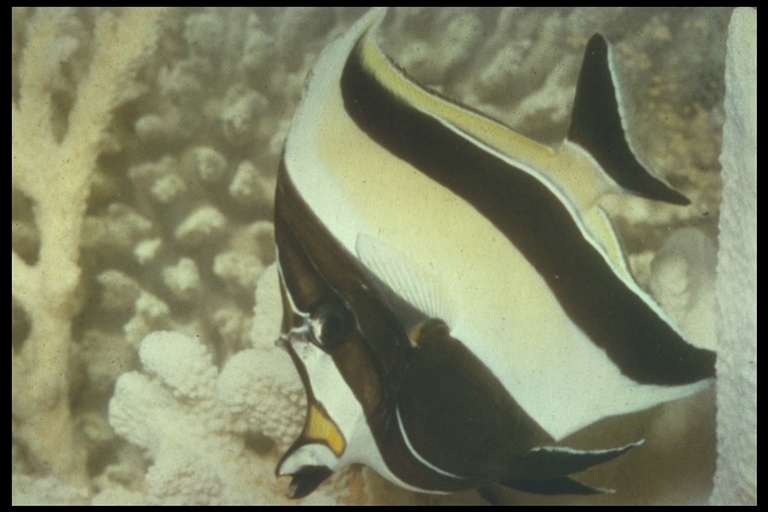
Zanclus cornutus (Linnaeus, 1758) (Moorish idol)
Heteroconger hassi (Klausewitz & Eibl-Eibesfeldt, 1959) (Spotted garden-eel)
Often found on sandy slopes below 15 m; withdraws into its burrow when approached. Usually in colonies containing up to several hundred individuals.
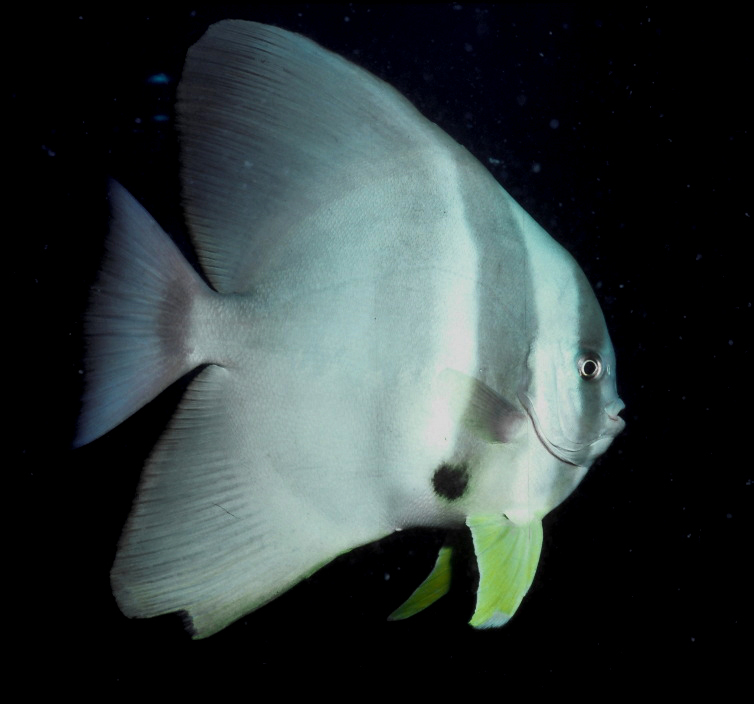
Platax pinnatus (Linnaeus, 1758) (Dusky batfish)
Adults are generally solitary and found under overhangs of steep outer reef slopes to a depth of at least 20 m. Juveniles are encountered in mangroves and inner sheltered reefs where they seek shelter in caves or under le...
Read More
Read More
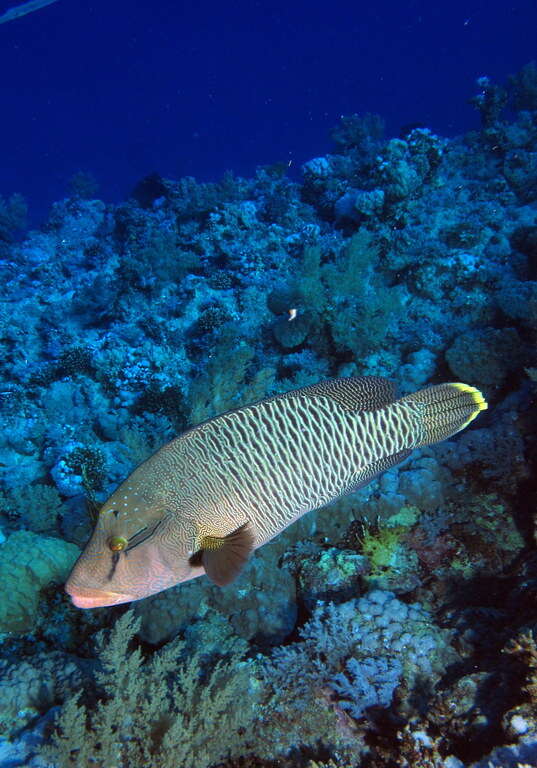
Cheilinus undulatus Rüppell, 1835 (Humphead wrasse)
Humphead wrasses are extremely long-lived, known to survive for at least 30 years, and taking around five to seven years to reach sexual maturity . Adults are usually solitary, spending the day roaming the reef and returni...
Read More
Read More
Pterois volitans (Linnaeus, 1758) (Red lionfish)
Naso annulatus (Quoy and Gaimard, 1825) (Whitemargin unicornfish)
Caesio lunaris Cuvier, 1830 (moon fusilier)
Found in coastal areas, mainly on or near coral reefs . More common along steep seaward reefs than in lagoons . Forms aggregations in midwater and feeds on zooplankton. Oviparous, with numerous, small pelagic eggs .
Balistoides conspicillum (Bloch and Schneider, 1801) (Clown triggerfish)
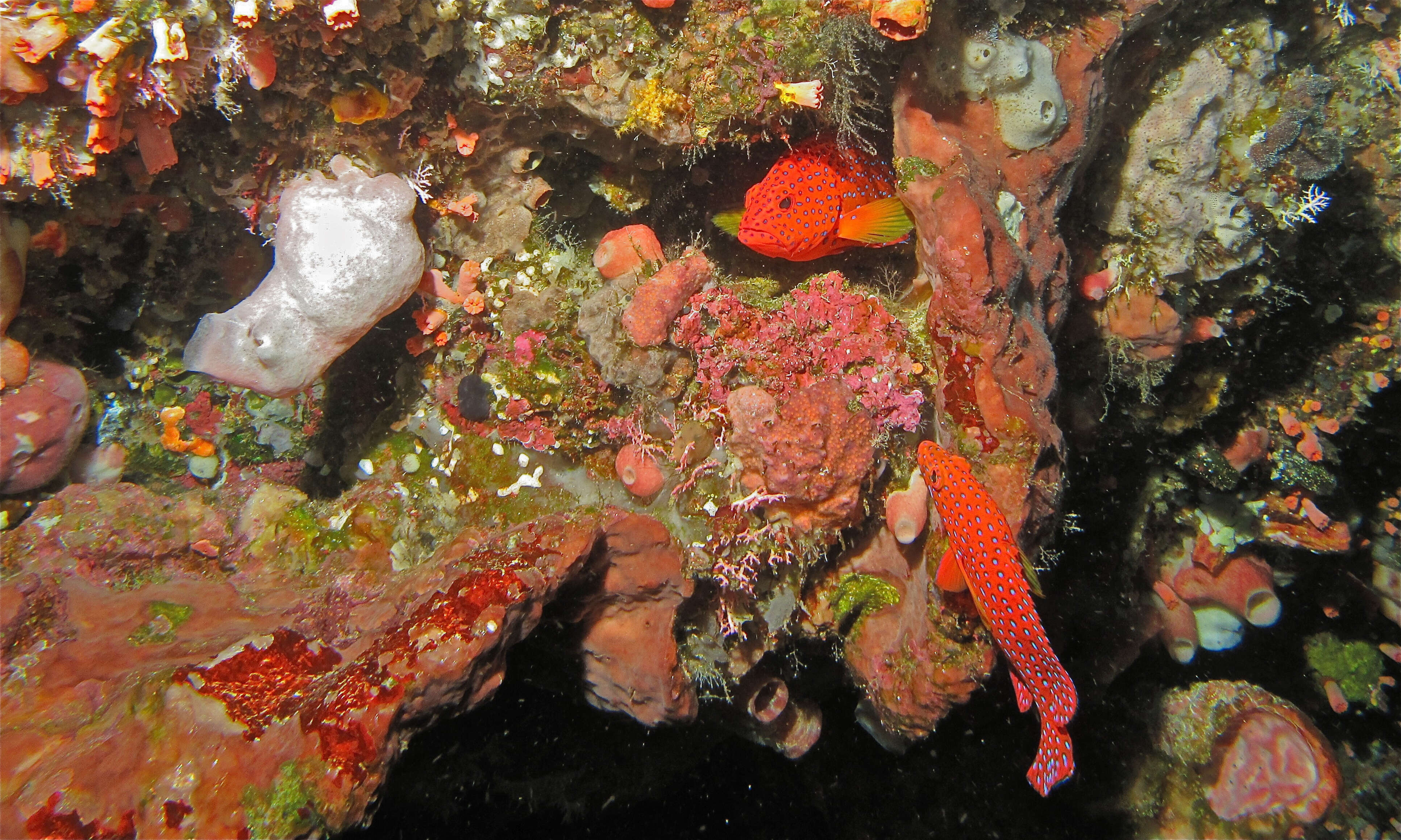
Cephalopholis miniata (Forsskål, 1775) (bluespot rockcod)
Inhabit clear waters of coral reefs; more often found in exposed rather than protected reef areas . Feed on fishes (80%, mainly Pseudanthias squamipinnis) and crustaceans. Form haremic groups comprising of a dominant mal...
Read More
Read More
Elagatis bipinnulata (Quoy and Gaimard, 1825) (Hawaiian salmon)
Sphyraena qenie Klunzinger, 1870 (Blackfin barracuda)
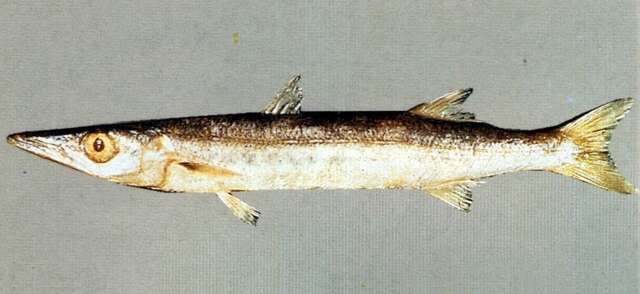
Sphyraena forsteri Cuvier, 1829 (Bigeye barracuda)
Nocturnally active, but occurring in large schools above lagoon patch reefs and along outer reef slopes during the day . Feeds mainly on fishes, but also on penaeid shrimps and squids. Sold fresh, frozen or dried salted. Reports of ciguatera poisoning need confirmation.
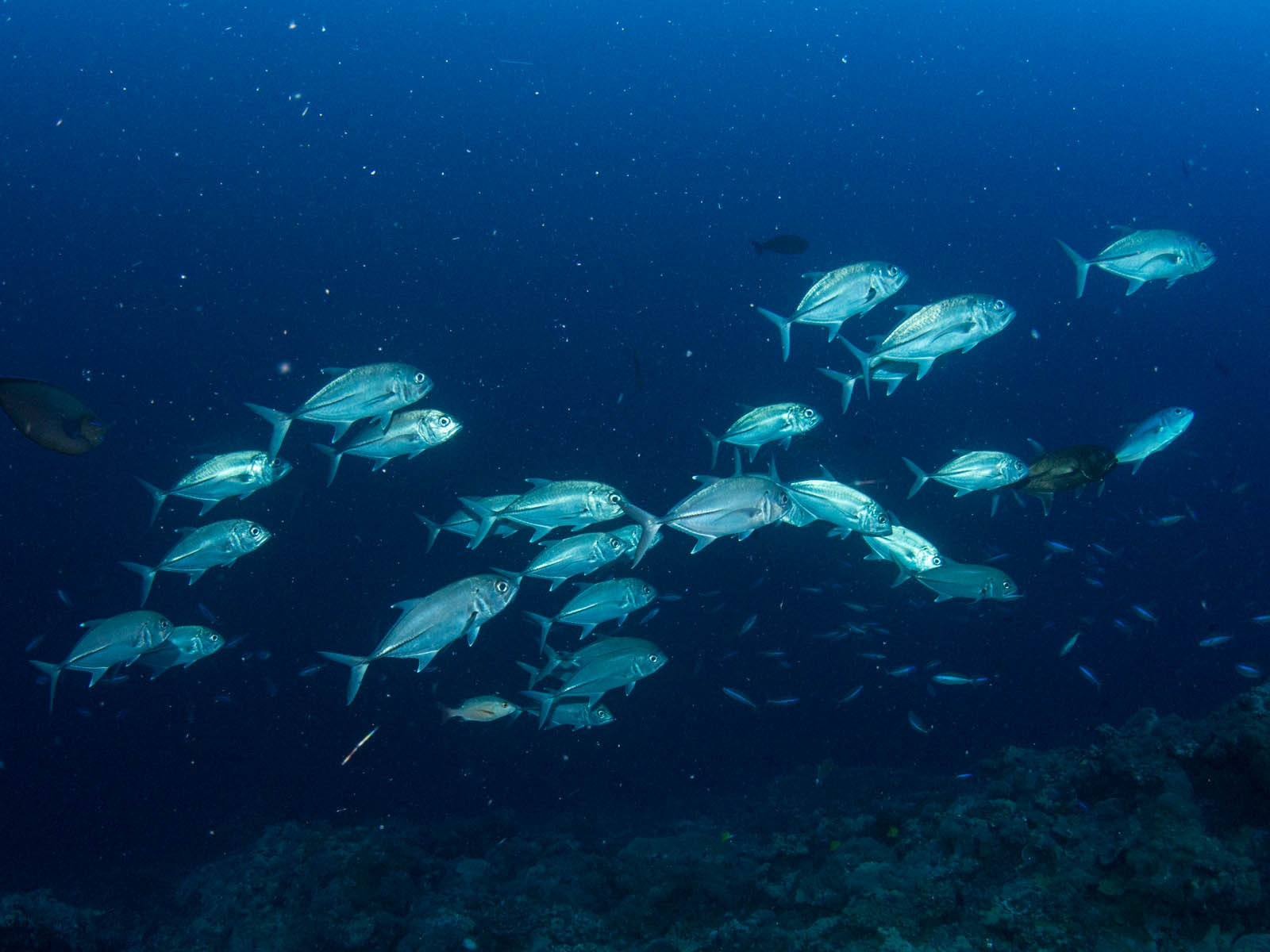
Caranx sexfasciatus Quoy and Gaimard, 1825 (Bayad)
Triaenodon obesus (Rüppell, 1837) (Whitetip reef shark)
Despite its docile nature during the day this nocturnal shark can become aggressive when hunting at night, thrashing through coral reefs looking for potential prey. The whitetip reef shark usually hunts alone, but is non-t...
Read More
Read More
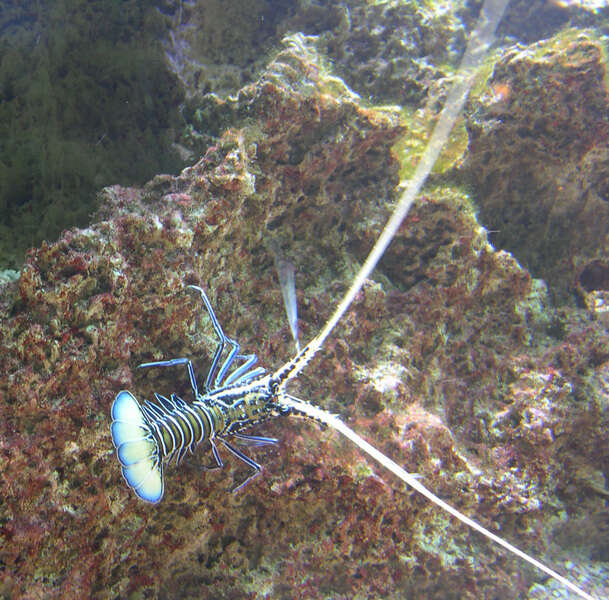
Panulirus versicolor (Latreille, 1804) (painted spiny lobster)
Share on Social Networks
- Facebook:

personalize your shared text as well as its destination (wall, page...) or send as a private message to a friend
- Twitter: Tweet personalize your tweet
- Google Plus:
Direct link to this dive
- Long link:
- Short link:


 We are participating today in the startup contest Techcrunch Disrupt. Support Diveboard by voting for us!
























































































